April 9, 2026
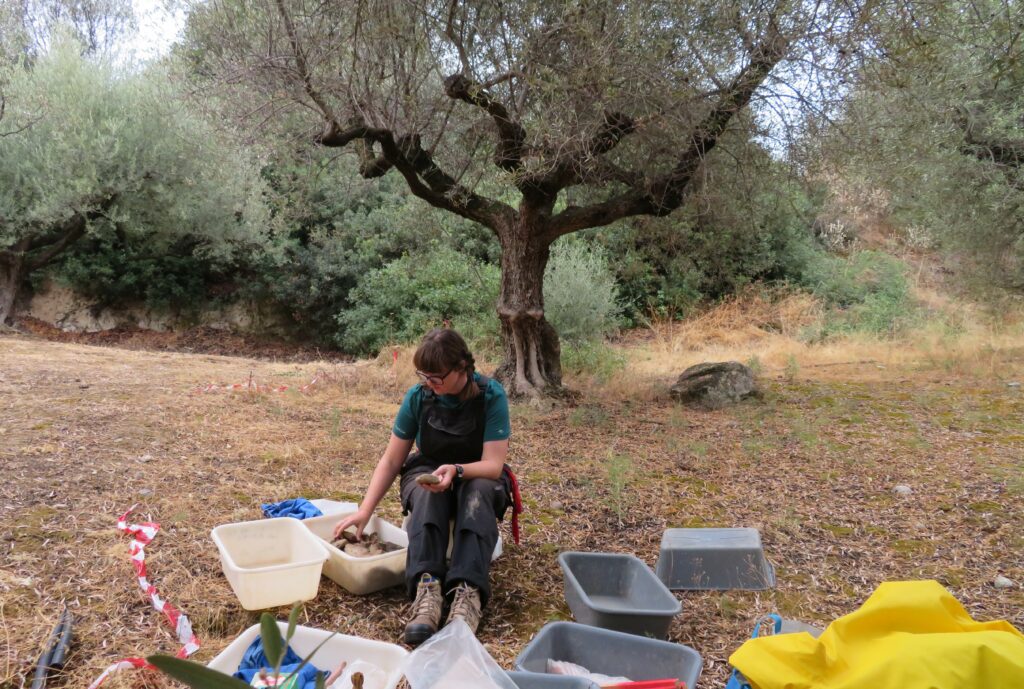
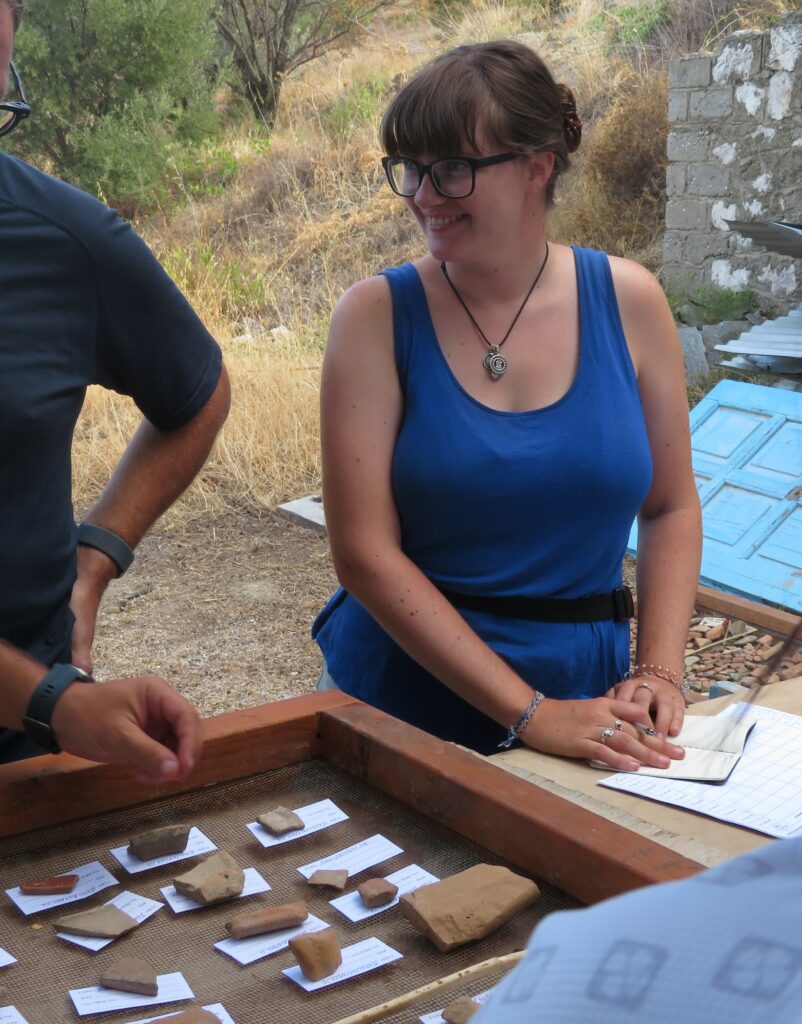
To celebrate our 2026 Fellowship recipients, we connected with this year’s awardees to learn more about their projects and the unique paths that led them into the field of archaeology.
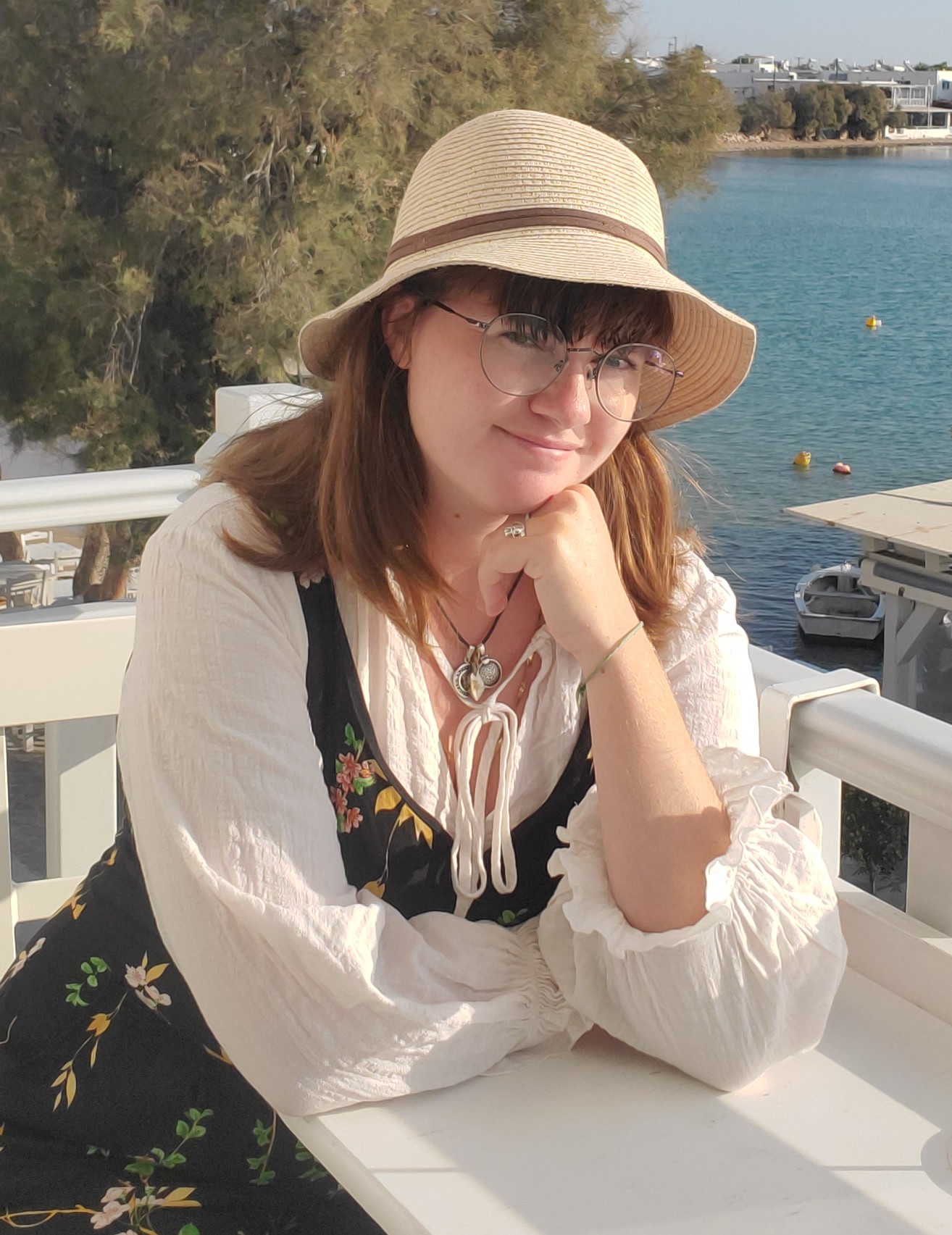
We’re thrilled to introduce Kaylyn Lehmann, one of the two recipients of the prestigious 2026 Harriet and Leon Pomerance Fellowship!
Kaylyn Lehmann (University of British Columbia)
Tell us about your project:
This project shifts the focus from monumental architecture to the everyday buildings like houses; these were modified continuously to fulfill specific domestic needs. While there is a renewed interest in the domestic spheres of Bronze Age Crete, few have looked at the spatial aspect of domestic life. I am looking at how local ideas of house and home change between settlements in the Neopalatial period on Crete, especially how people structured their space to fit their tasks. By integrating 3D modeling with space syntax analysis, my research contributes to an interdisciplinary approach to architecture and archaeology, drawing on anthropological and architectural theories in order to lay a foundation for future studies of Neopalatial built environments below the monumental scale. Beyond academia, this research challenges modern assumptions about prehistoric domestic life and fosters a deeper understanding of the past peoples on Crete; they were us once, and this research brings them to life through the spaces they occupied.
How did you get your start in archaeology?
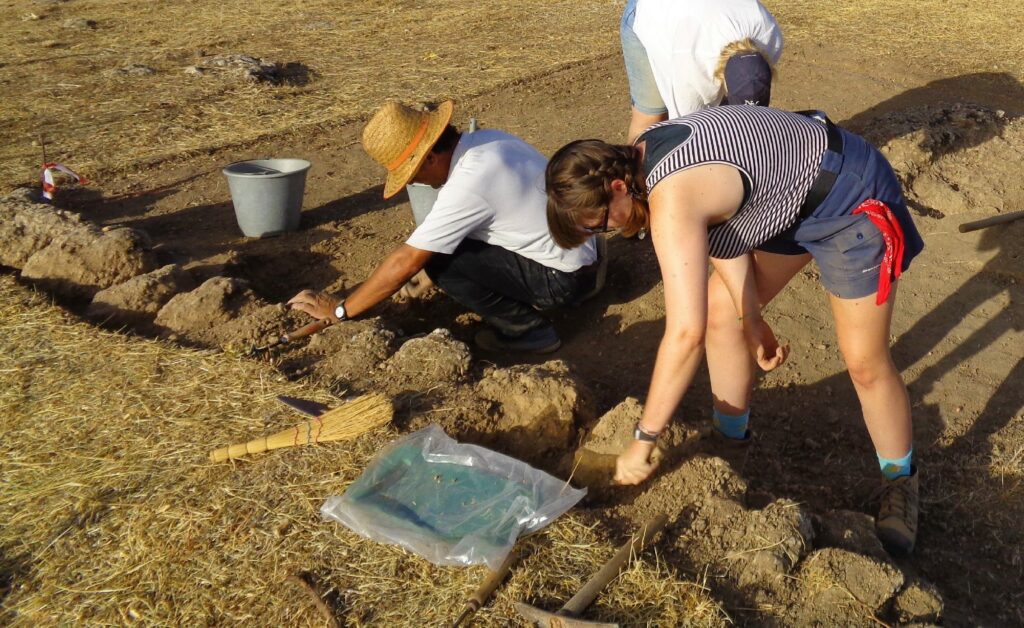
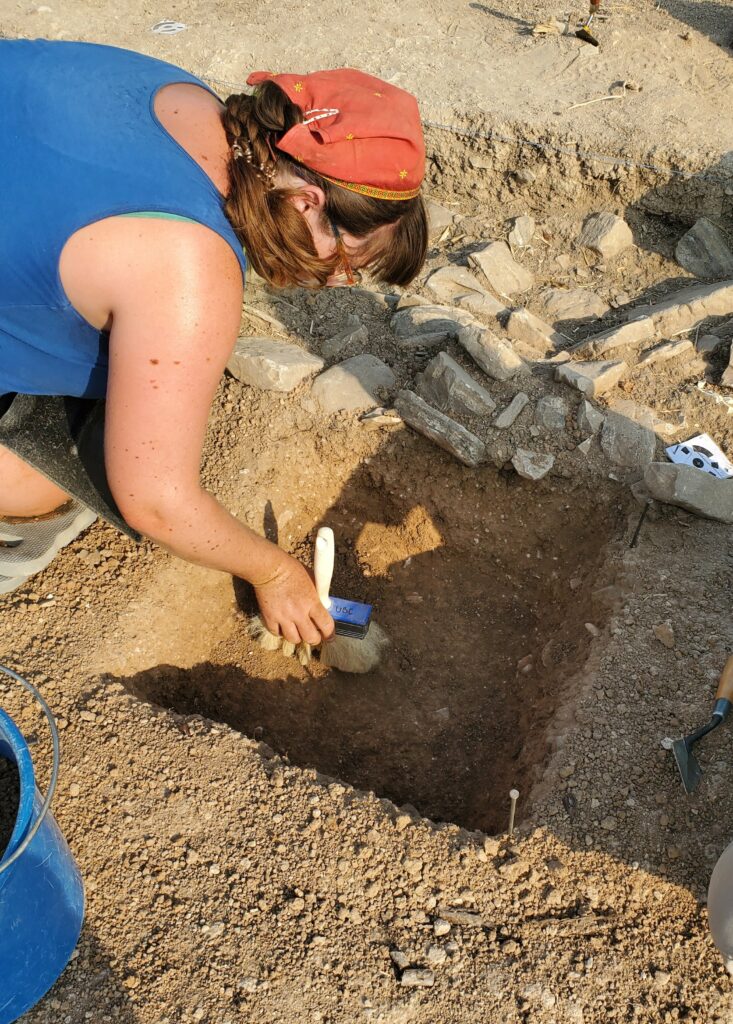
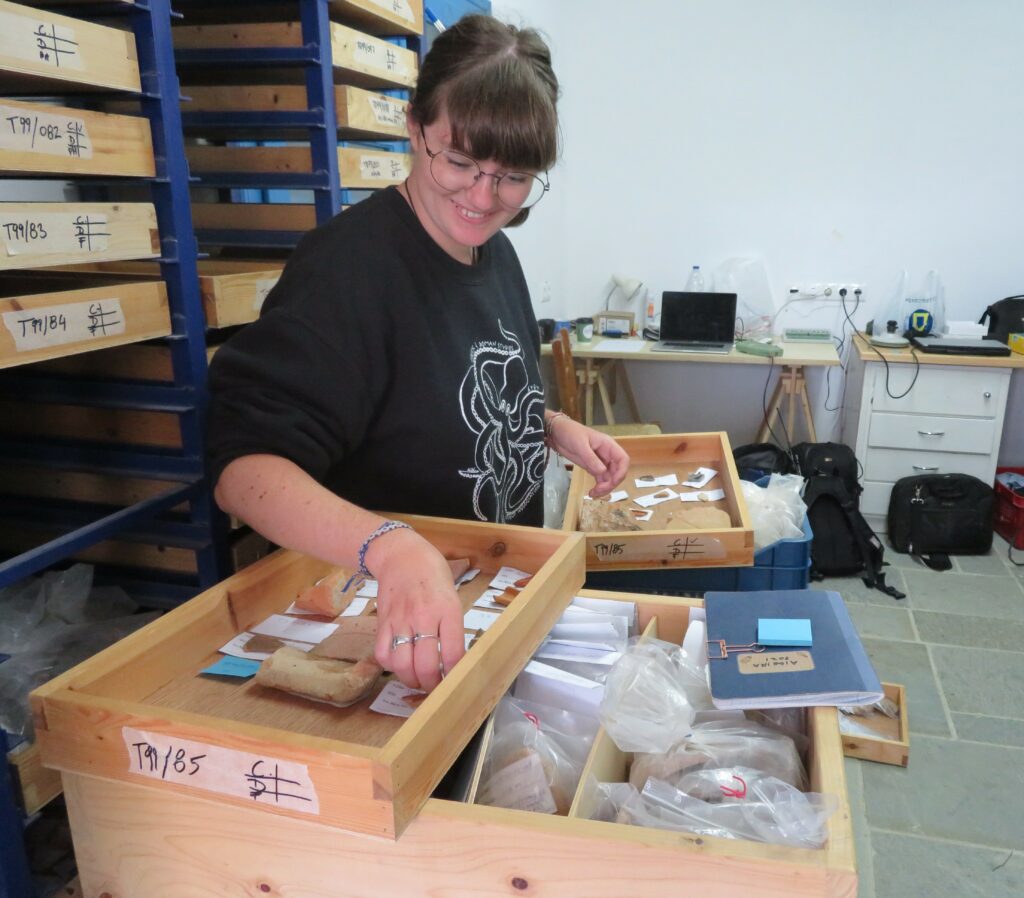
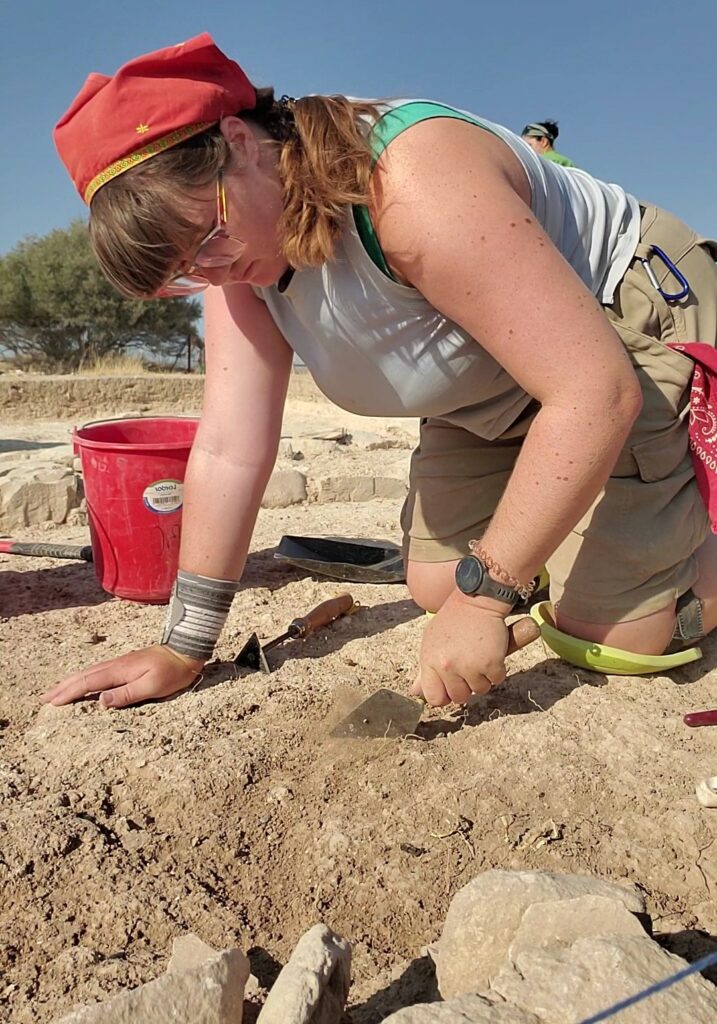
Growing up, I would go to my grandma’s and she’d put on history documentaries for us to watch. When it came time to choose what to study in university, I realized I was never bored of learning about the past. My dual undergraduate was in Anthropology and Greek and Roman Studies; between the two, I fell in love with archaeology. Originally the plan was to focus on post-excavation lab work, but during my first field school I realized that I never wanted to leave the dirt, and ever since then I’ve loved every second of fieldwork I can do.
Where in the world has archaeology brought you (fieldwork, research, conference travel, etc.)?
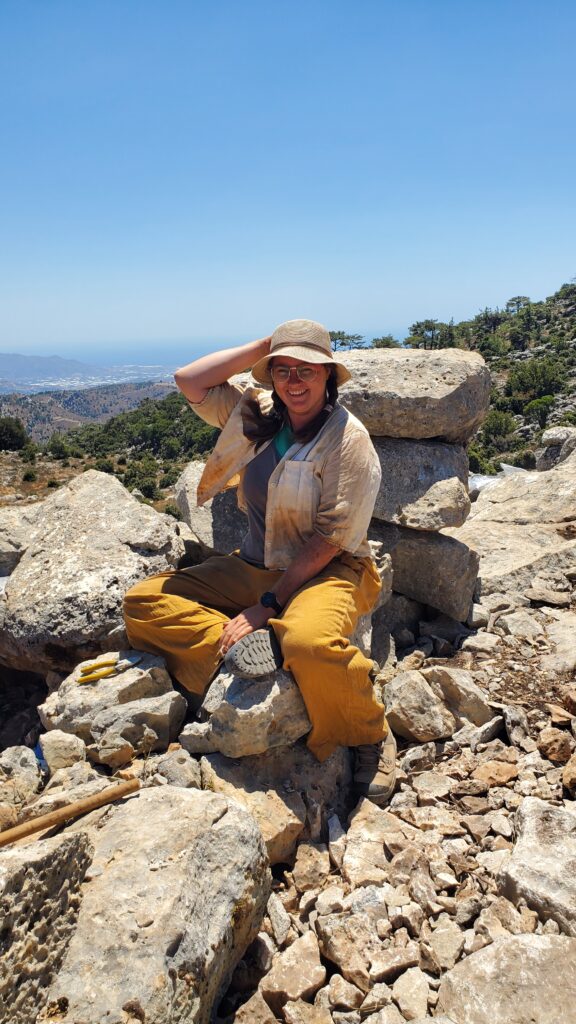
My first field school was near Lucca in Italy, and it was a great first experience in Mediterranean archaeology. Since then, I’ve worked in the Achaea, Heraklion, and Attica prefectures in Greece, in the southeast of Cyprus, and all across British Columbia in Canada. I’m headed to Sicily and Istanbul for conferences this year too, which is exciting.
What is one of the most memorable things that has happened to you in the field?
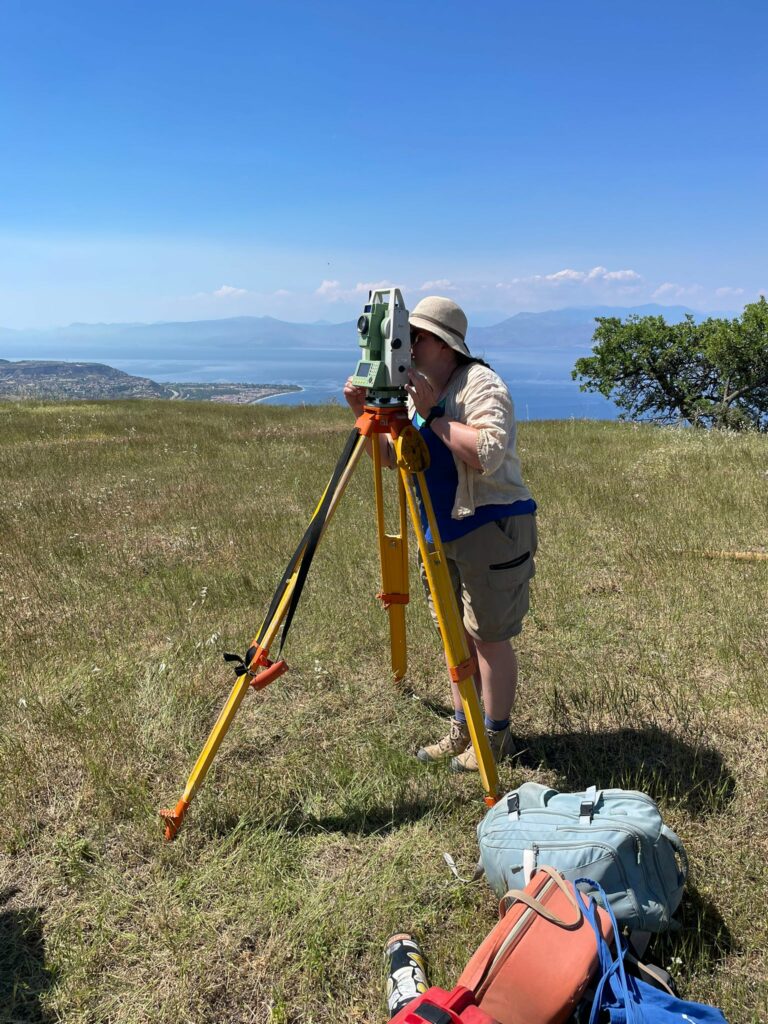
A lot of the memorable moments in the field for me have less to do with finds, and more to do with the people I’m with. When you’re in the field, it’s long hours, hard work, and – for me – usually not great weather, so the people you’re next to can make or break a field season. For example, it was Saturday, 46 degrees Celcius, and 6 weeks into our excavation. There were only three of us on site that day, taking points with the total station. Between us, we knew how to count to 10 in eight different languages, so around hour 7 we started to call out the points in whatever language came first. It was a lingustic mess, and we absolutely lost it laughing about 5 minutes in. I love those moments of camaraderie, and of sharing.
How has the AIA contributed to your success/professional goals?
The AIA has been the vehicle that has introduced me to many of my archaeological friends and coworkers. I’ve been attending lectures since my first year of undergrad, and through them I’ve been exposed to many methodologies, areas of study, and professional processes that I wouldn’t have been otherwise. I’ve met lots of people at these meetings from all career stages and interests, and in broadening my understandings of what is possible I could see what I wanted to do with my life. The AIA’s emphasis on outreach has fundamentally shaped the way I approach teaching about archaeology both on and off-sites, to anyone who is curious about what we do.
Learn more about what Fellowship and Grant opportunities are available through the AIA.