April 16, 2026
To celebrate our 2026 Research Grant recipients, we connected with this year’s awardees to learn more about their projects and the unique paths that led them into the field of archaeology.
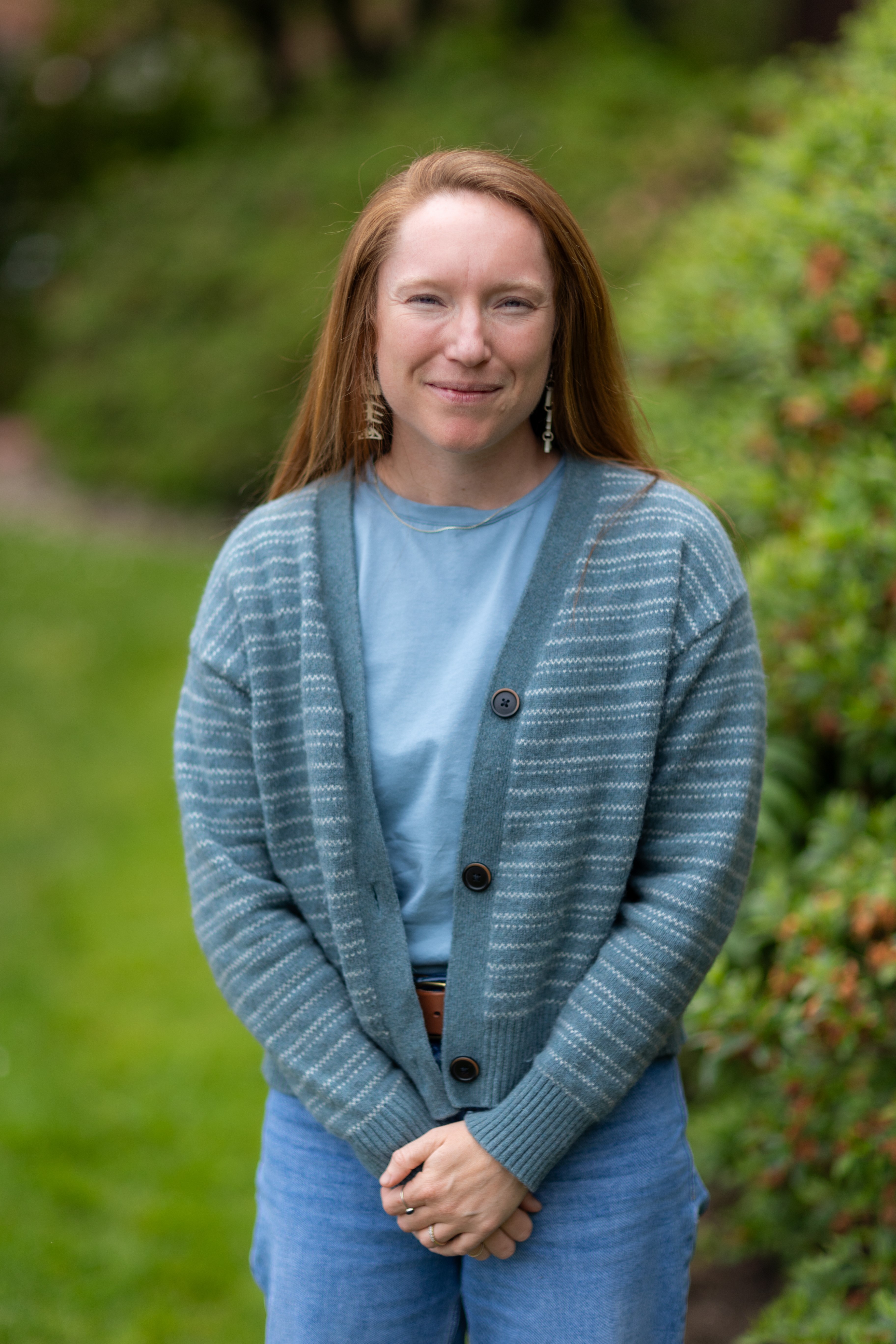
We’re thrilled to introduce Molly Carney, one of three recipients of the prestigious 2026 Ellen and Charles Steinmetz Endowment for Archaeology Grant!
Molly Carney (Oregon State University)
Tell us about your project:
Using cutting-edge MicroCT scanning technology, this project will develop the first protocols for identifying ancient edible roots, corms, and bulbs from archaeological sites. In this project we will create 3D digital models of both modern and archaeological plant specimens from the North American Pacific Northwest to think about how past communities harvested, processed, and potentially domesticated these underappreciated edible foods.
How did you get your start in archaeology?
I have always been interested, but my journey would not have been possible without incredible mentors and support. When I was young, my mom would buy me books on the ancient Egyptians and Romans, which I would read over and over again. As a child she also enrolled me in a week long archaeology summer camp hosted by SUNY Binghamton. Later during my undergraduate degree, I had the opportunity to help with a collection of Mayan ceramics. I was hooked and though my specialties have shifted, and incredibly grateful for these opportunities.
Where in the world has archaeology brought you (fieldwork, research, conference travel, etc.)?
Although I have had the opportunity to travel across the globe for both fieldwork and conferences, most of my scholarship is situated within North America. I think though that we forget how incredibly beautiful this continent and it’s people are! Some of my favorite experiences, however, have been spending summers working on projects led by Tribal communities and even a few backpacking surveys in the remote Rocky Mountains. Even when I’m “off-duty” I like to visit new places and have found unrecorded archaeological sites on more than one occasion.
What is one of the most memorable things that has happened to you in the field?
On my very first archaeological survey, I ran into a bear! We were both scared and ran off in separate directions, and everyone was safe.
As a paleoethnobotanist, I often don’t touch or work with incredible artifacts or material culture. My main datasets are soil samples, charred plant remains, and plant microfossils. I don’t have stories of great discoveries, but instead the memories of people. For example, one summer I was working with a Tribe and we invited the summer youth camp in for the day. I put our projectile point teaching collection into some archaeological soil samples that had low analytical priority and worked with the students to screen it all. Although the students and counselors liked seeing the points, they were so much more excited about the “real archaeology” of small bits of charcoal and cooked bone in the samples. I remember so clearly someone making the connections with their ancestors. It’s these moments that keep me going.
How has the AIA contributed to your success/professional goals?
The support from the AIA and will be instrumental in helping to refine MicroCT scanning as an archaeobotanical method for understanding how people interacted with geophytes (edible roots, corms, bulbs, and tubers). We know so much about how people domesticated grains, but very little about geophytes! One of my career goals is to really push the boundaries of archaeological geophyte research and this grant will help with generating further data to support these goals. MicroCT scanning is a little more expensive compared with other common archaeological techniques and having extra scans as pilot data will help us refine the method.
Learn more about what Fellowship and Grant opportunities are available through the AIA.