April 22, 2026
To celebrate our 2026 Research Grant recipients, we connected with this year’s awardees to learn more about their projects and the unique paths that led them into the field of archaeology.
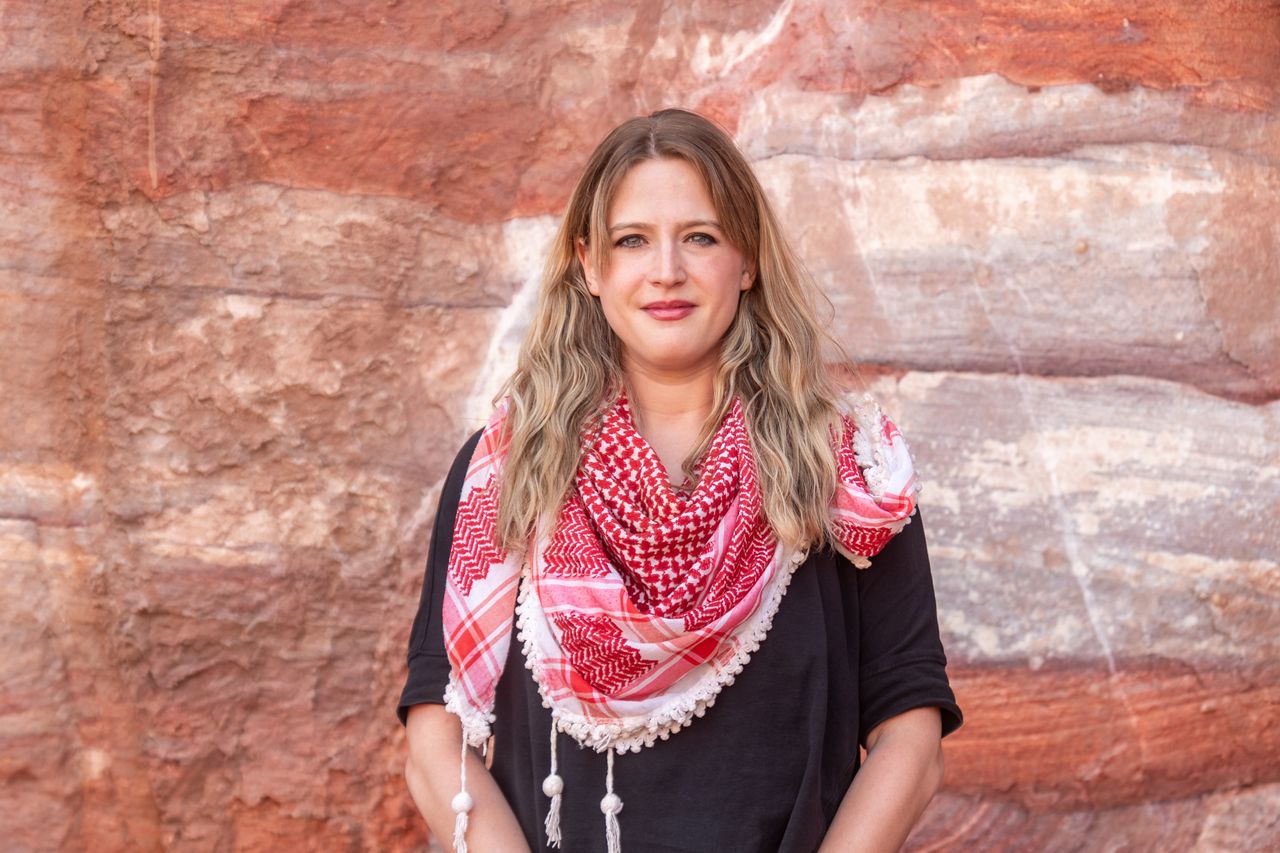
We’re thrilled to introduce Sarah Wenner, one of three recipients of the prestigious 2026 Ellen and Charles Steinmetz Endowment for Archaeology Grant!
Sarah Wenner (American Center of Research (Amman, Jordan))
Tell us about your project:
Despite the abundance of Classical-period ceramics recovered from excavation in southern Jordan, there are remarkably few specialists that study and publish the materials. To help shift the paradigm, I am offering two courses (Summer 2026through the American Center of Research (Amman, Jordan) free to Jordanian students that train them how to process, document, and analyze pottery using the most innovative tools–a Laser Aided Profiler (LAP) to greatly increase the speed of the documentation process, the results of which will be uploaded to the Levantine Ceramics Project website (LCP). The combination of the LAP and the LCP for near simultaneous publication of a material class that often lingers in storerooms for decades will not only increase the speed in which the data is made broadly available, but allow students to be authors. One year after the courses (Summer 2026), I will evaluate the success of students in finding positions on excavations, gaining employment, and continuing to study ceramics.
How did you get your start in archaeology?
It’s not an overly romantic story, but it is a love story; I took an introduction to anthropology course my freshman year of college and fell in love. After the realization that anyone could do archaeology, not just British men with beards on documentaries, I found that it was the perfect fit–it was theoretical but grounded, analytical but creative, and with established guidelines that were ever expanding.
Where in the world has archaeology brought you (fieldwork, research, conference travel, etc.)?
I got my start in American archaeology (Monticello), and have been privileged to work in Pompeii, Tharros (Sardinia), and across Jordan.
What is one of the most memorable things that has happened to you in the field?
I adore excavating and have had so many memorable moments in the field that it’s hard to pick one. I will say, the one thing that keeps coming back to me are my storeroom visits after we turn over excavation material to the various governmental officials–it’s like seeing a moment of potential, the histories and stories of people we’ve forgotten about to be introduced back into our consciousness.
How has the AIA contributed to your success/professional goals?
It’s perhaps the most nerdy answer, but AIA conferences are where my ideas truly blossom. They introduce me to people and ideas beyond that of my own corner of archaeology that are vital to engendering creative thought in my work. Its those collaborations where we as a field become more than the sum of our parts.
Learn more about what Fellowship and Grant opportunities are available through the AIA.