Location: Lienz, Austria
Season: July 4, 2027 to July 31, 2027
Application Deadline: April 16, 2027
Deadline Type: Rolling
Website: https://anthroctr.org/program/2027-austria-roman-aguntum/
Discount for AIA members: None
Program Type:
Field School
RPA Certified:
No
Affiliation:
Anthropocene Research Center (US) and University of Innsbruck (Austria)
Project Director:
Dr. Martin Auer, University of Innsbruck (Austria)
Project Description:
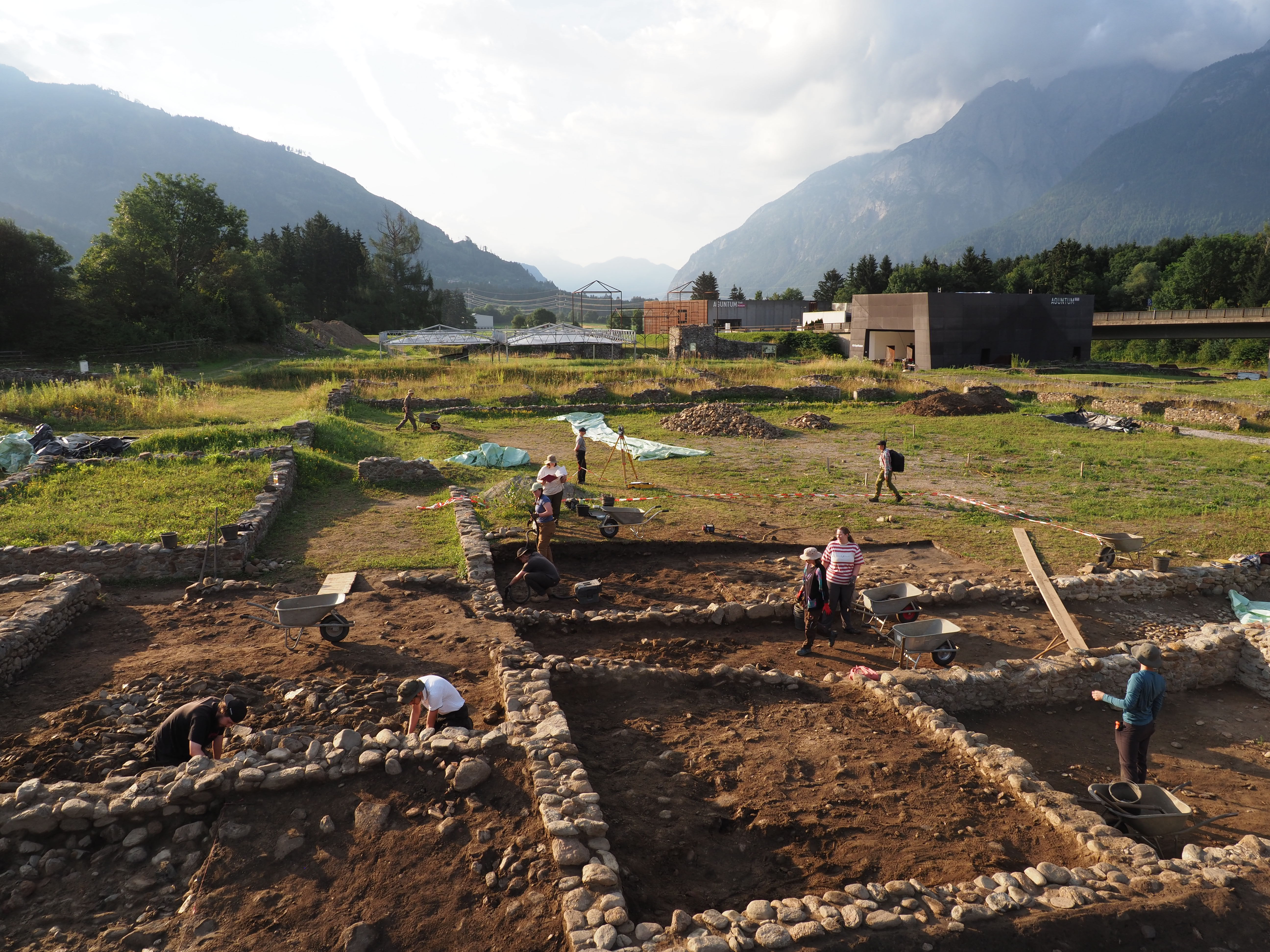
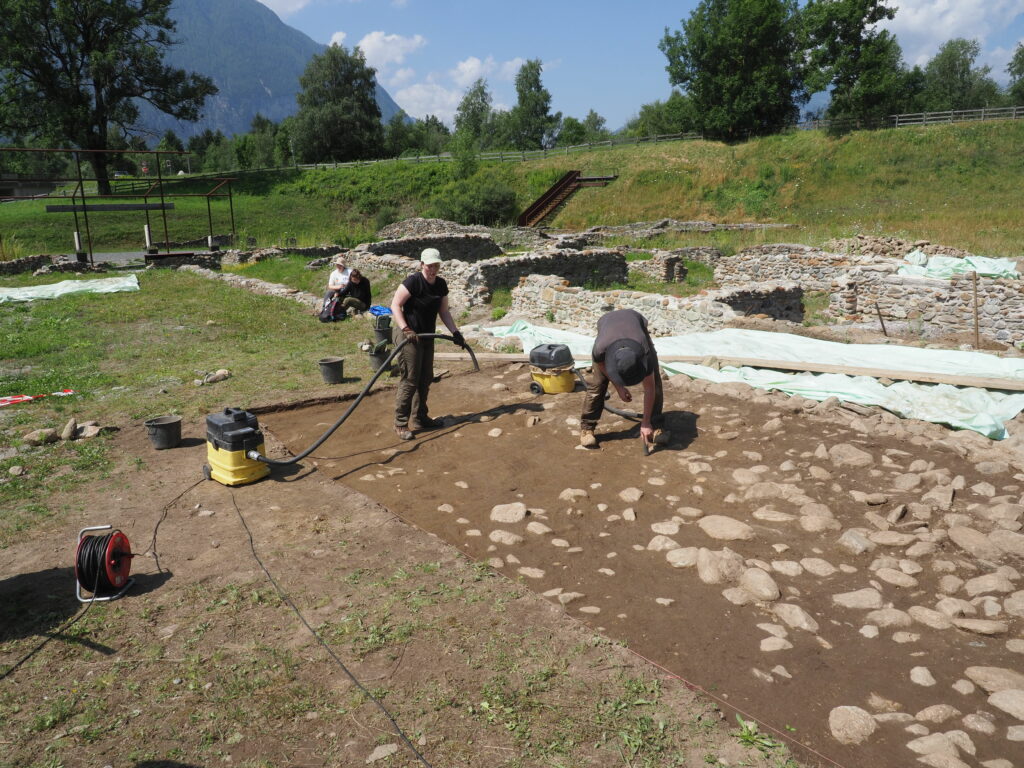
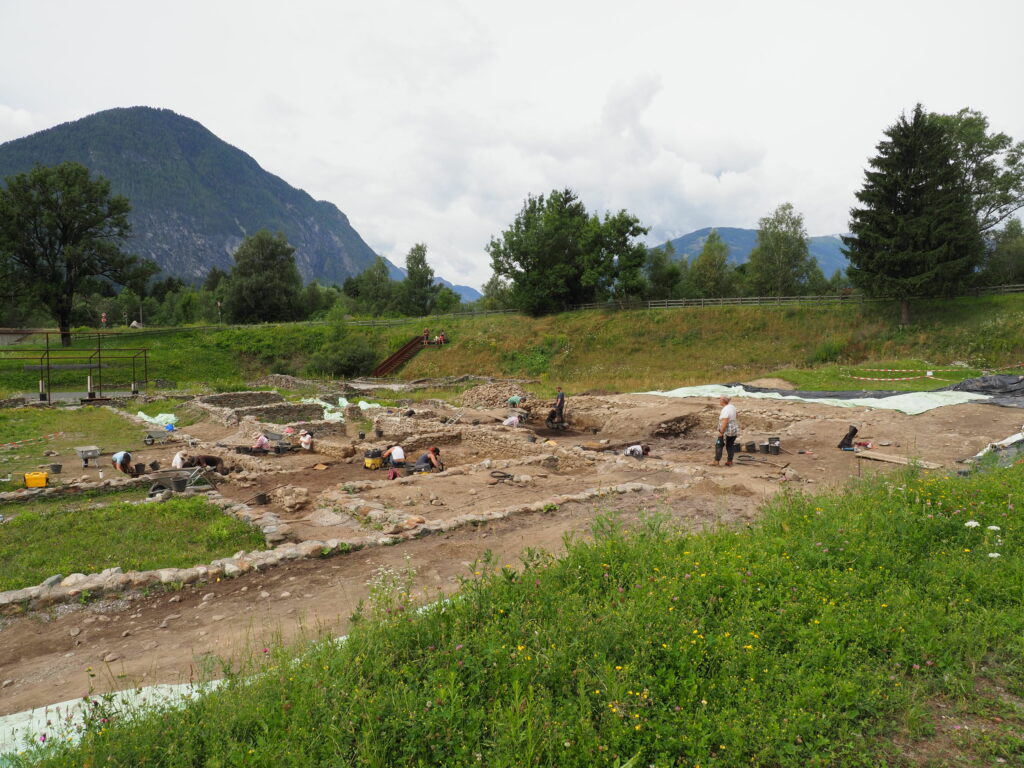
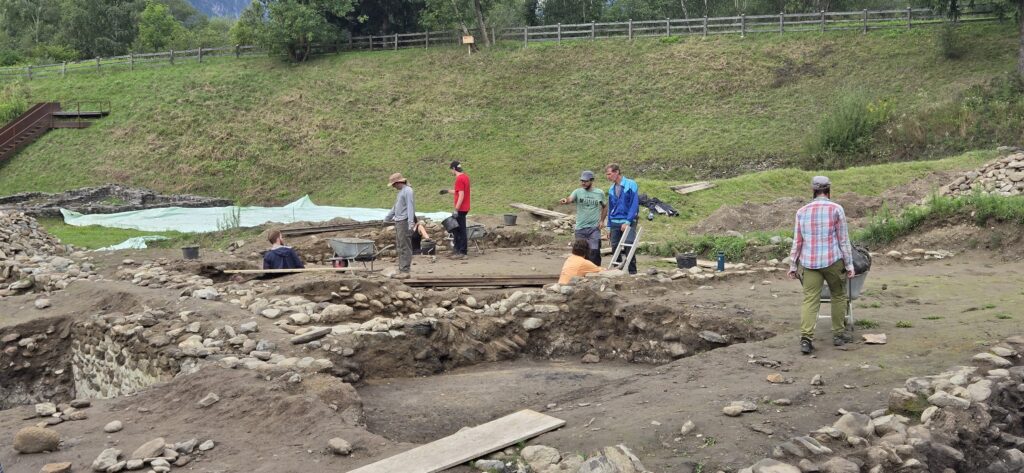
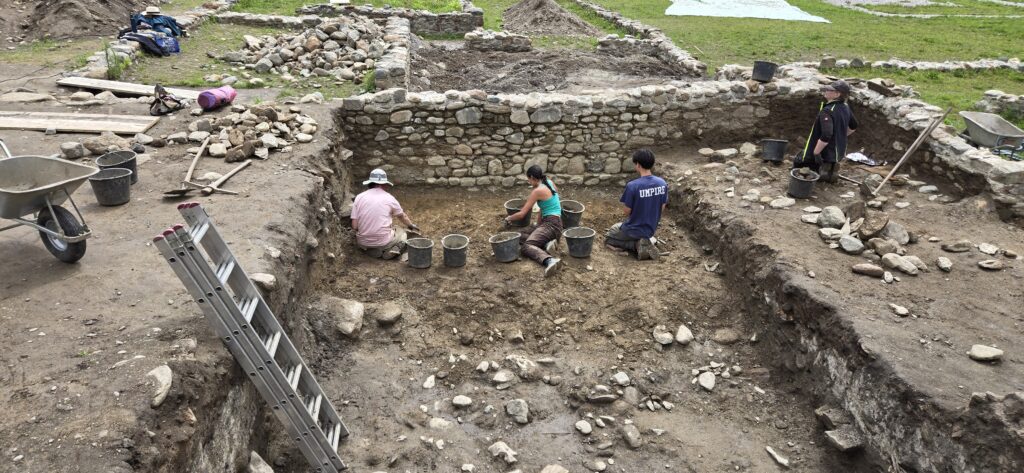
The Roman town of Aguntum was rediscovered in the early 20th century. Through decades of research, a Roman domus (private family residence of palatial proportions), impressive thermal baths, city walls, and numerous residential buildings were identified and excavated. Since 2006, ongoing excavations have been focused on the heart of the town—the forum area. The latest findings and analysis of artifacts suggest a flourishing Mediterranean city nestled amidst the Alpine landscape.
Many fragmented rock crystals were recovered from the city center. These findings offer insights into an extensive trade network, showcasing Aguntum as the sole known Roman hub for this coveted, high value resource material that was highly desired in ancient times. The presence of these artifacts indicates Aguntum’s status as a pivotal transshipment center, where commerce and cultural exchange converged.
From the 3rd century CE onwards, significant transformations in the urban layout of the town took place, as the former administrative hub transitioned into a residential and commercial zone. Throughout the 4th century CE, archaeological evidence indicates the emergence of various workshops and modest dwellings, reflecting a shift in the town’s function. By the end of the 4th and early in the 5th centuries CE, evidence of residences and workshops decrease, hinting at a decline in activity and importance of Aguntum. By the 6th century CE, Aguntum is in ruins. The area now serves as burial grounds, suggesting a substantial abandonment of the settlement. These funerary discoveries shed light on the dwindling population and the gradual abandonment of Aguntum during this era.
Our research is focused on the social and economic mechanisms that powered this small Alpine town during the years of its existence. What motivated its establishment? How did Aguntum thrive and prospered during the first three centuries CE? Why did Aguntum’s power, trade and commerce declined and what brought to its final demise?
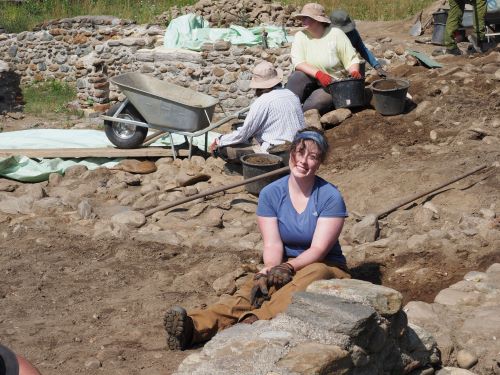
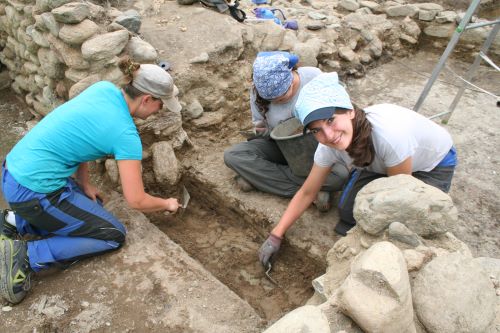
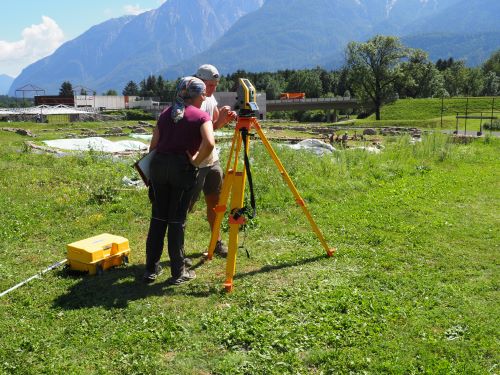
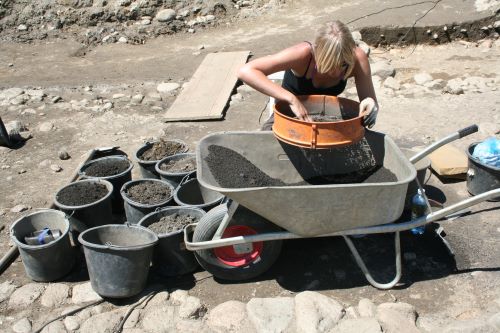
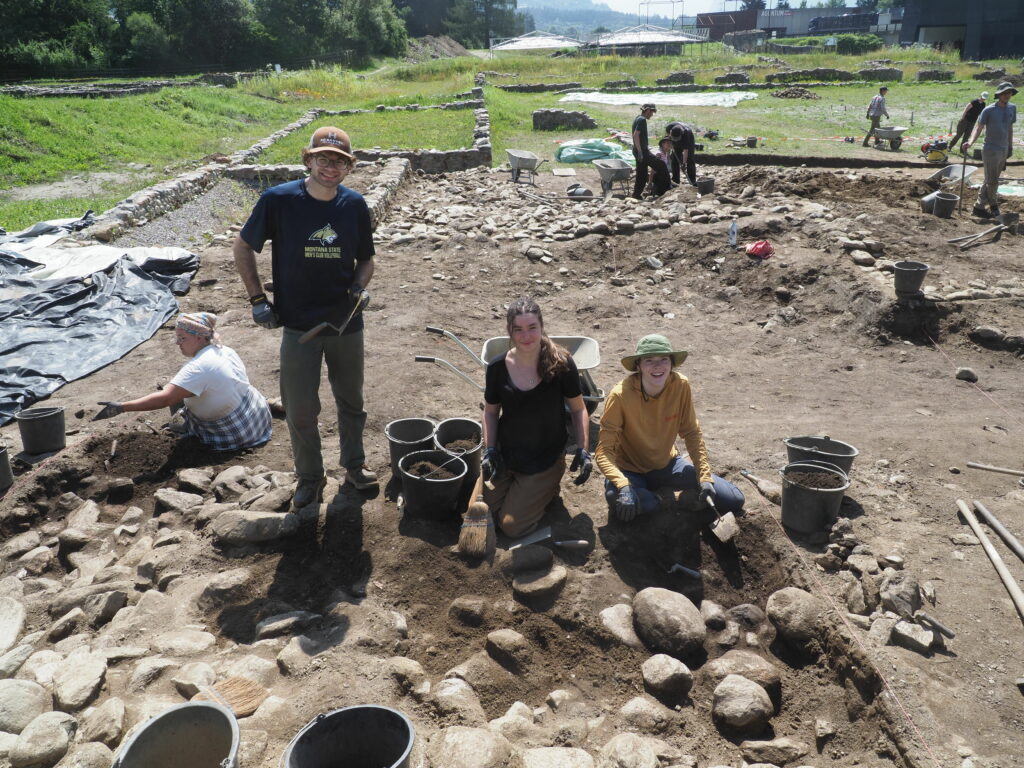
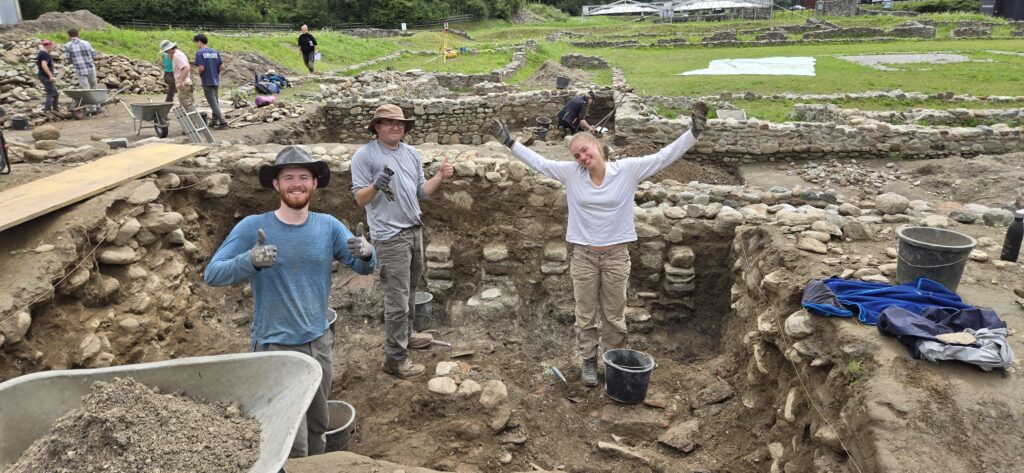
During the 2027 season, students will have the opportunity to participate in excavations within the city center, where they will work on archaeological remains dated to the founding period of Aguntum. Students will also participate in lab work, cleaning, measuring, documenting, and interpreting finds recovered at the site. Excursions to other important archaeological sites in the area are part of this program.
Period(s) of Occupation: Roman Period
Notes:
Tuition is $5,395 Earn 8 Semester Credit Units through our School of Record – Culver Stockton College
Project Size: 1-24 participants
Minimum Length of Stay for Volunteers: Full Session
Minimum Age: 18 years old
Experience Required: None. This is hands-on, experiential learning and students will study on-site how to conduct archaeological research. Field work involves physical work and exposure to the elements and thus requires a measure of understanding that this will not be the typical university learning environment. You will have to work outdoors and will get sweaty and tired. Students are required to come equipped with sufficient excitement and an adequate understanding that fieldwork requires real, hard work, in the sun and wind. The work requires patience, discipline, and attention to detail.
Room and Board Arrangements:
Cost of Room and Board is included in tuition
Academic Credit:
8 Semester Credit Units through our School of Record – Culver Stockton College
Dorian Chee
5335 W Adamas Blvd Suite 106
Los Angeles
California
90016
U.S.
Phone: (323) 740-1805