October 23, 2025
by Alvise Matessi
One of our 2024 Richard C. MacDonald Iliad Grant winners, Alvise Matessi, provides us with an update:
In 2024, the AIA awarded a Richard C. MacDonald Iliad Endowment for Archaeological Research grant to the Locating Tarhuntassa (LoTar) project, directed by Alvise Matessi (University of Verona), Michele Rüzgar Massa (Bilkent University), and Mustafa Gubaz Kibaroğlu. The project seeks to identify Tarhuntassa, the long-lost second capital of the Hittite Empire. While earlier scholarship focused primarily on geographical clues from cuneiform texts, LoTar integrates philology, history, archaeometry, and landscape archaeology to pursue the city’s location through multiple lines of evidence.
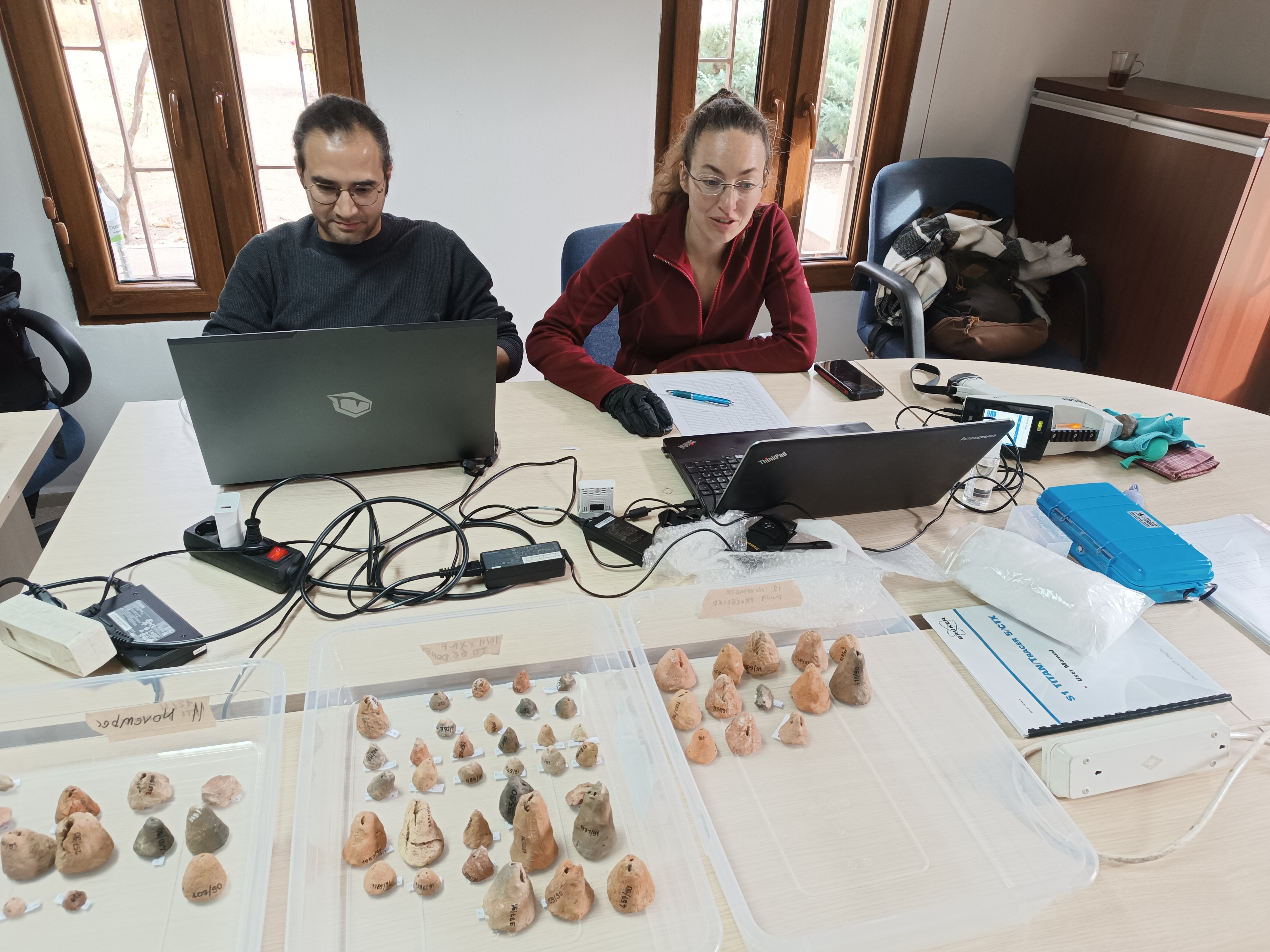
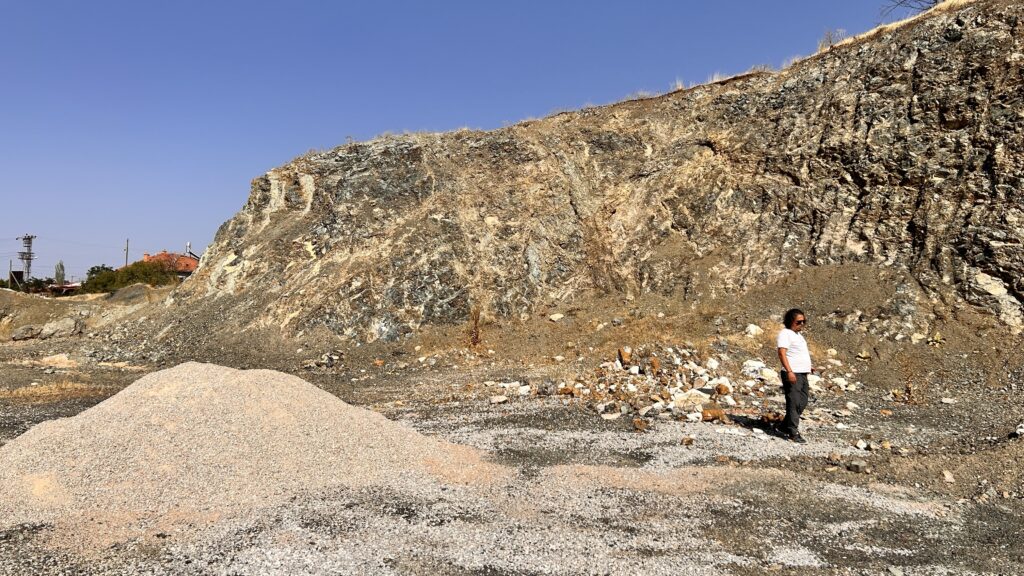
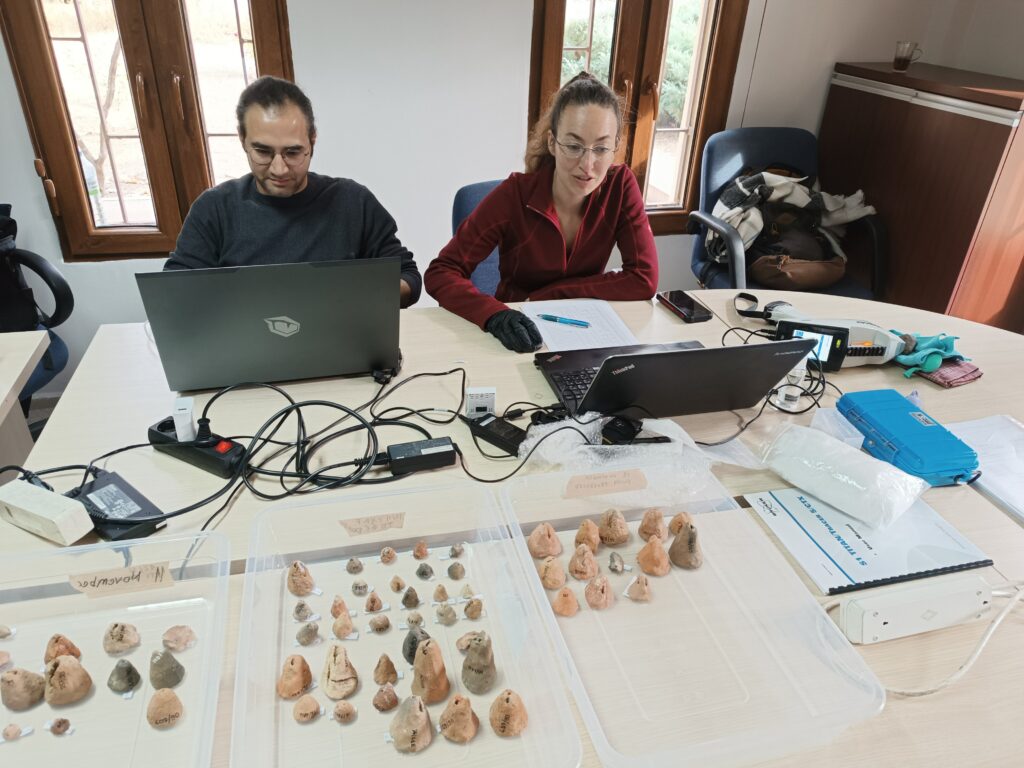
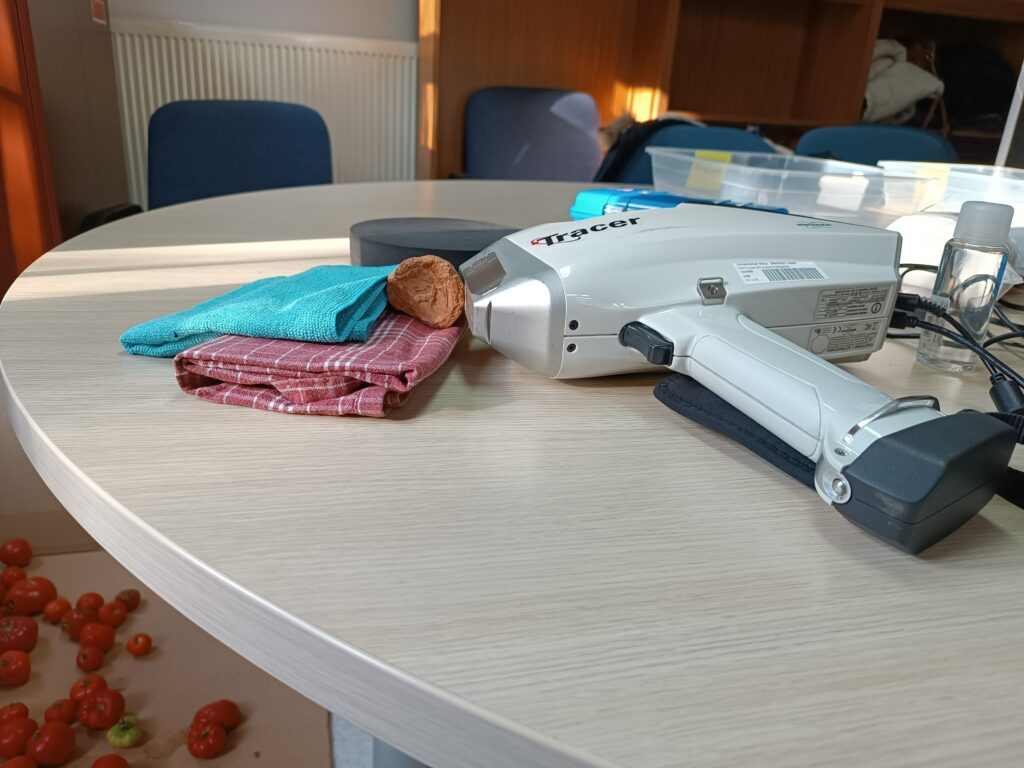
A central component of the project is the geochemical analysis of approximately 280 clay sealings and 15 tablets found in the archives of Hattusa but possibly originating from Tarhuntassa. Using portable X-Ray Fluorescence (pXRF), the team is comparing their chemical signatures with those of clay beds across the Search Area for Tarhuntassa (SAT), which includes the Beyşehir Lake basin, the Konya and Karaman plains, and the Göksu River valley.
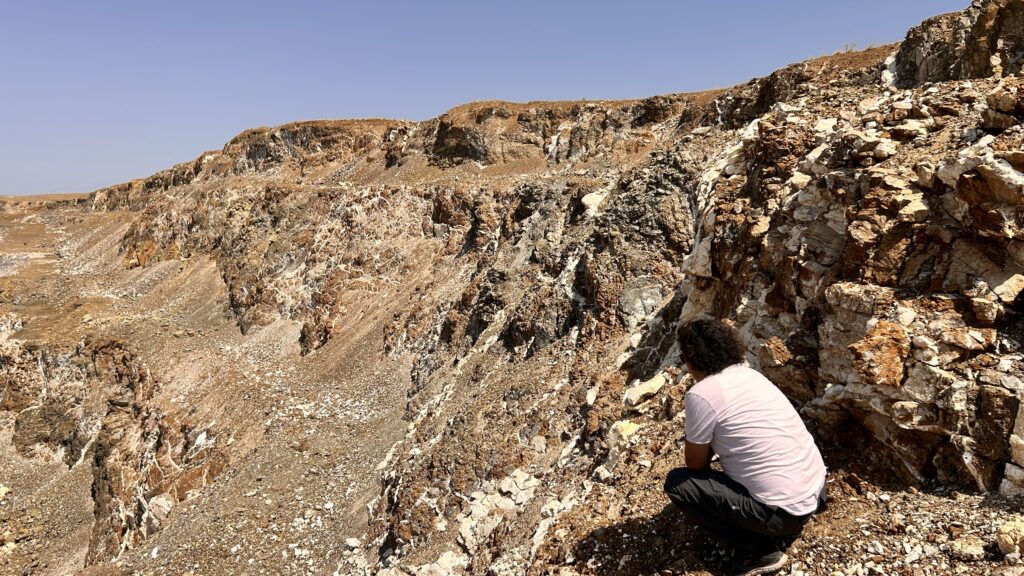
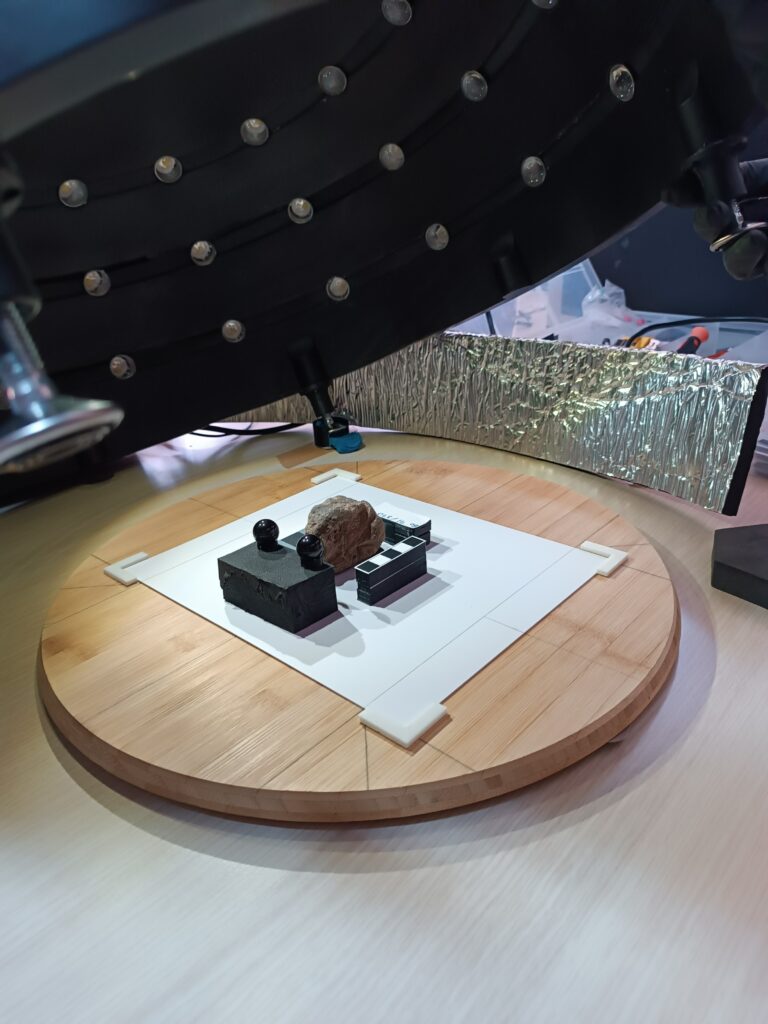
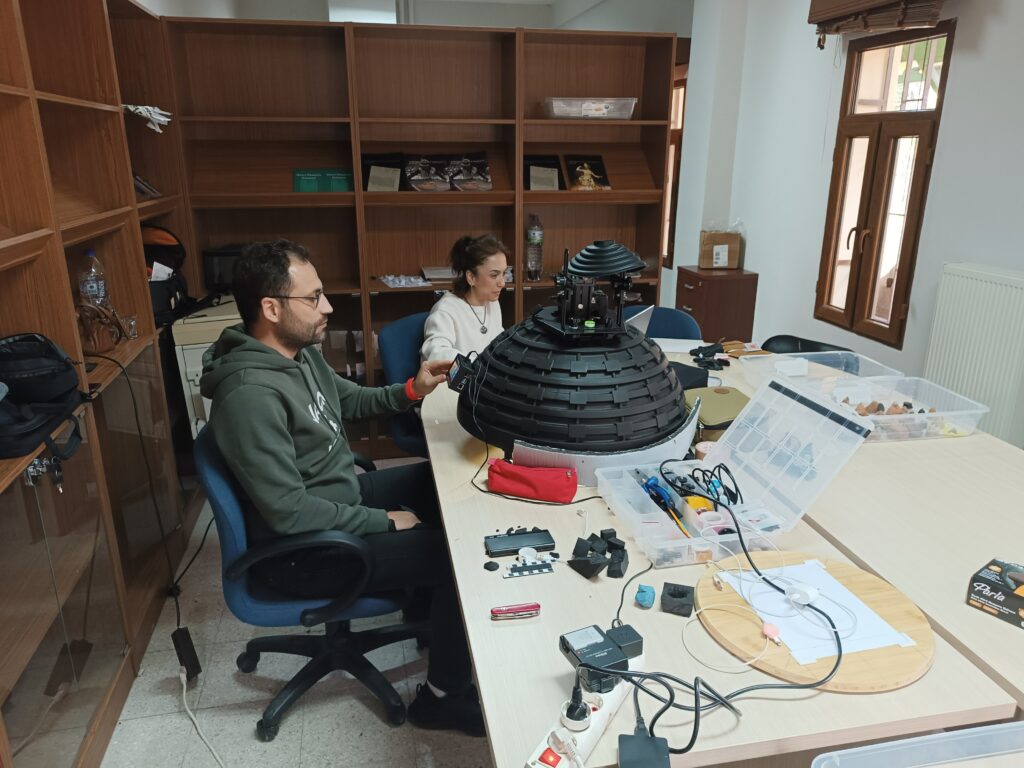
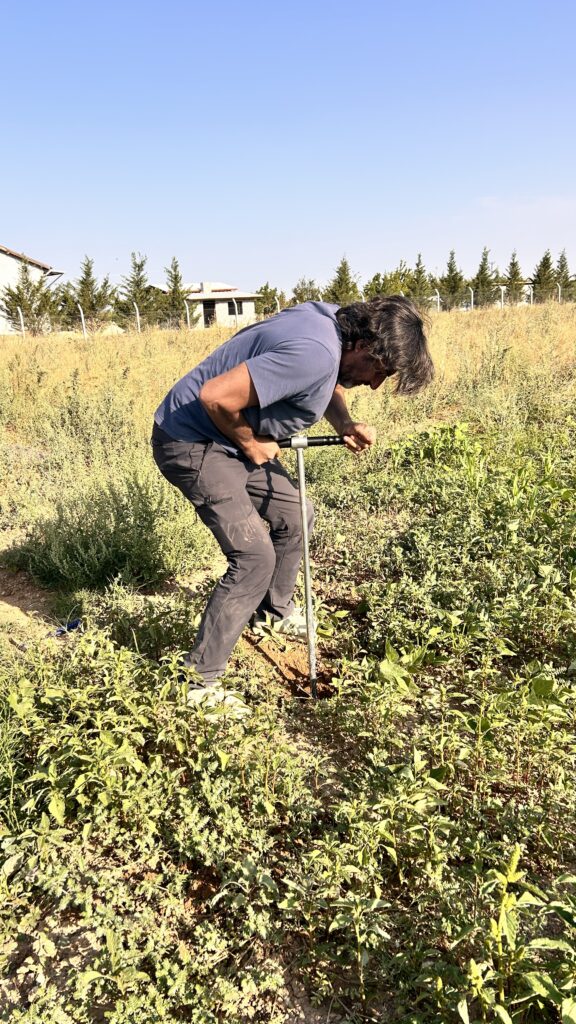
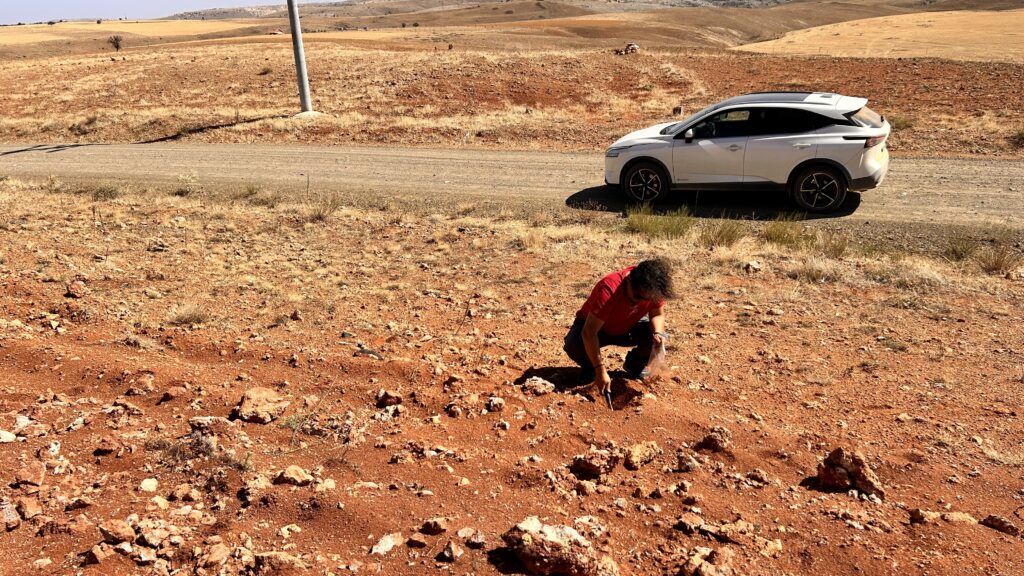
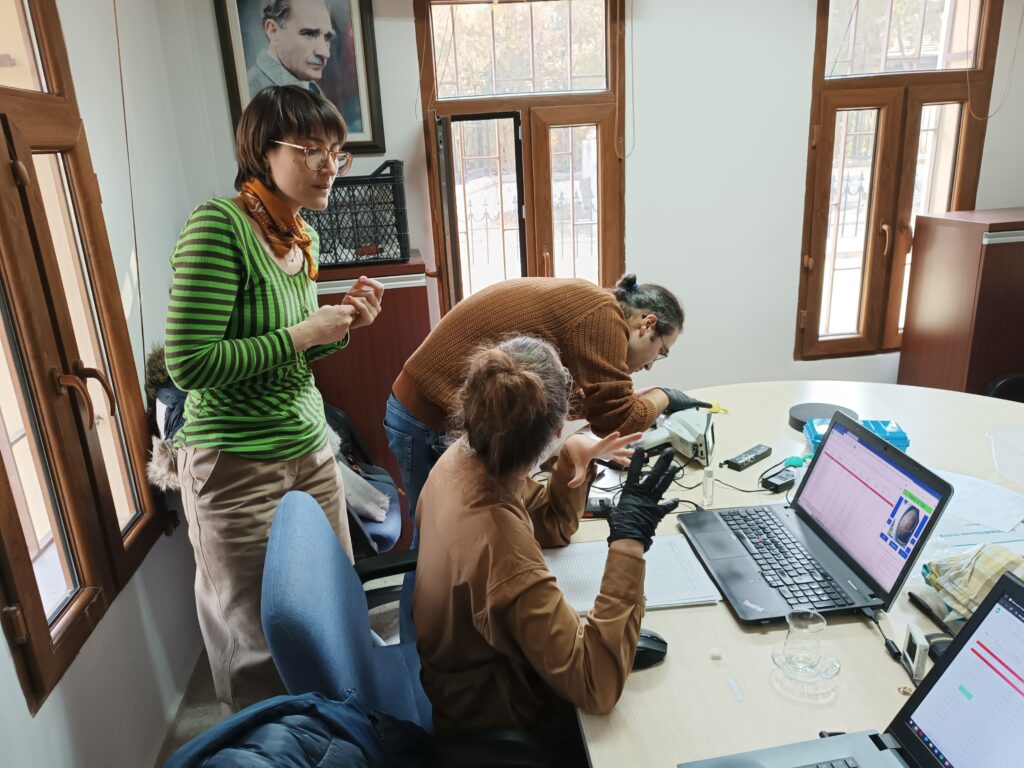
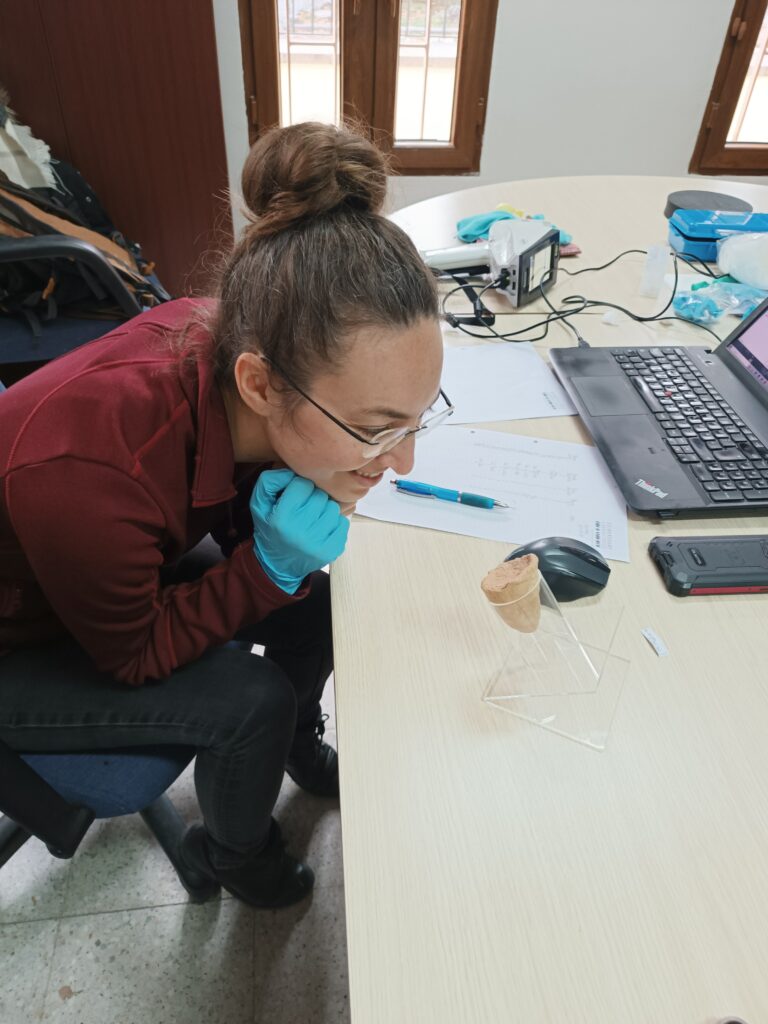
The AIA grant was essential for travel, fieldwork, equipment, and consultant fees. In July 2024, Kibaroğlu (University of Tübingen) and Barış Semiz (Pamukkale University) collected clay samples across the SAT. In November, Michaela Schauer (University of Vienna) conducted p-XRF measurements on the Hattusa sealings and tablets during a 20-day research stay at the Museum of Boğazköy and in Ankara, at the Museum of Anatolian Civilizations. Working remotely, B. Lee Drake (University of New Mexico) designed calibration protocols tailored to the project’s needs. Complementary to the geochemical work, Aykan Akçay and Betül Gürel (Akdeniz University) employed a Reflectance Transformation Imaging (RTI) dome to produce high-resolution images of the sealings, aiding their epigraphic and iconographic study. Matessi, Massa, and İlgi Gerçek coordinated museum activities, defined sampling strategies, and facilitated logistical and institutional support.
The team extends its gratitude to the director of the Hattusa excavations, Andreas Schachner, for his guidance and support in the project design and implementation. Moreover, we are deeply indebted with museum directors Dr. Yusuf Kıraç (Ankara), Dr. Resul İbiş (Boğazköy), the vice director of the Ankara Museum Umut Alagöz, and staff members Mehmet Hasan Kıraç, Hacı Mehmet Turgut, and Mine Çifçi for their generous collaboration. Two MA archaeology students from Bilkent University, Uğur Tanrıverdi and Tom Neale, provided essential assistance with data recording and management.
Currently, Kibaroğlu is analyzing the combined clay and artifact dataset using multivariate statistical methods to identify significant geochemical clusters. Preliminary results are highly promising. The study demonstrates a clear distinction between clays from Hattusa and those from the SAT. Even more revealing are the sealings. While many unsurprisingly cluster around the Hattusa clays, others form distinct, peripheral groups. Particularly noteworthy are the sealings of Muwatalli II, the founder of Tarhuntassa and first king to reside there: their signatures broadly divide into two clusters, one near Hattusa and another within the SAT. The latter cluster may represent the geochemical fingerprint of Tarhuntassa itself!
Building on these results, the project is now undertaking geomorphological analysis of the most promising SAT locations to refine the search for the ancient capital.