This listing expired on July 4, 2026. Please contact dchee@anthroctr.org for any updated information.
Location: Amzabegovo, North Macedonia
Season: July 4, 2026 to August 1, 2026
Application Deadline: April 10, 2026
Deadline Type: Rolling
Website: https://anthroctr.org/program/2026-macedonia-amzabegovo/
Discount for AIA members: None
Program Type:
Field School
RPA Certified:
No
Affiliation:
Anthropocene Research Center, Austrian Archaeological Institute & Balkan Heritage Foundation
Project Director:
Dr. Darko Stojanovski (Austrian Archaeological Institute)
Project Description:
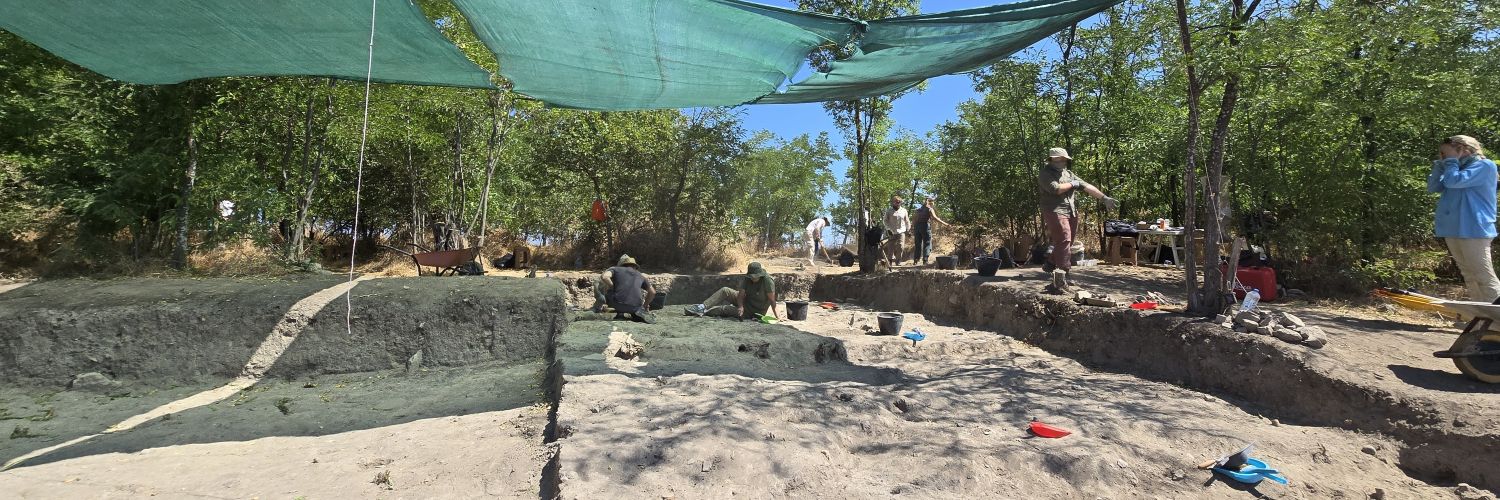
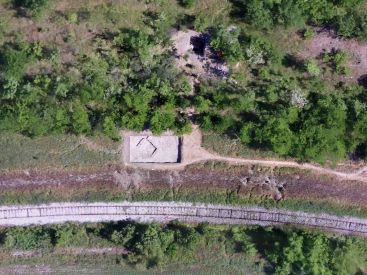
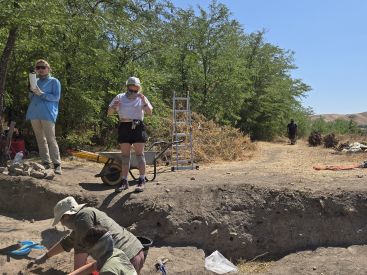
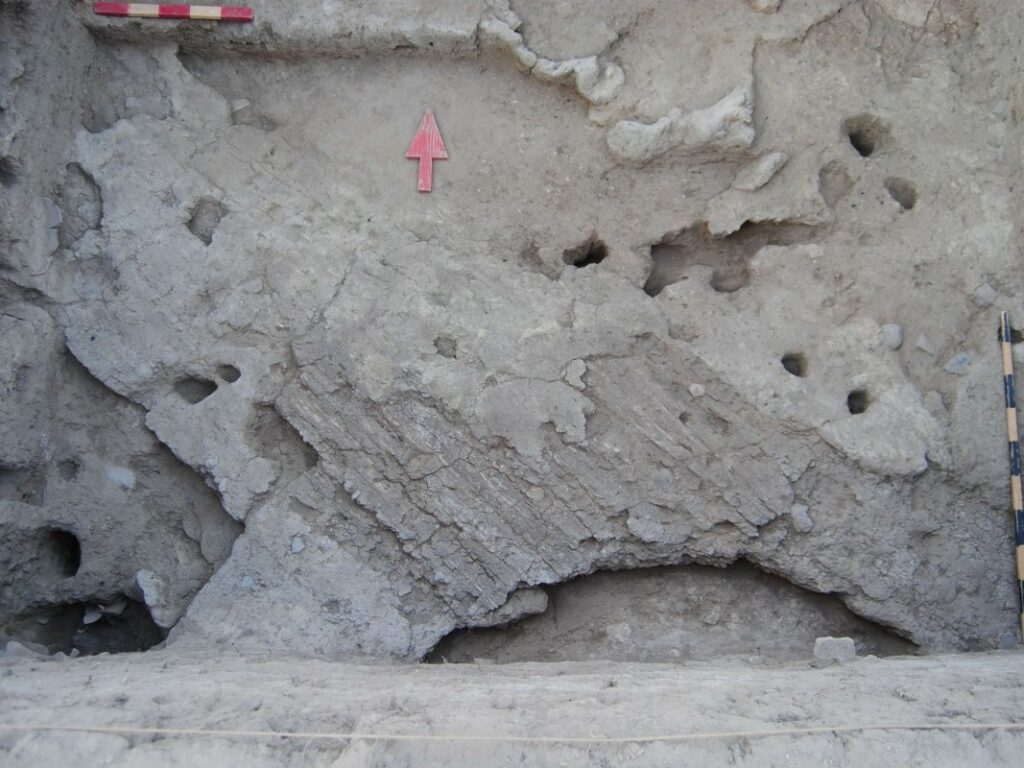
During the 7th millennium BCE, the Balkan Peninsula served as a gateway for the spread of farming, animal husbandry, and Neolithisation from Anatolia and the Near East to Europe. The central Balkan River valleys, including the Vardar and Bregalnica, were among the most significant migration routes during this period. Amzabegovo, situated between these two river basins, encapsulates nearly two millennia of Balkan Neolithic development. The site was occupied 6,300 to 4,800 BCE, encompassing the era from the arrival of the first farmer settlers to the advent of metallurgy. Amzabegovo features a sequence of over 20 construction phases, including residential structures, pits, public buildings and burials. The site was abandoned at the end of the Neolithic until the Roman era, when a Roman villa was built on its top, sealing and preserving the Neolithic layers.
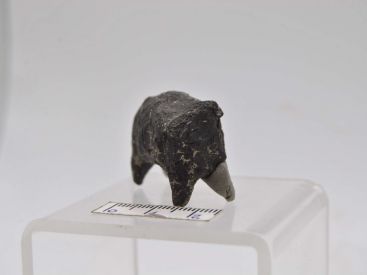
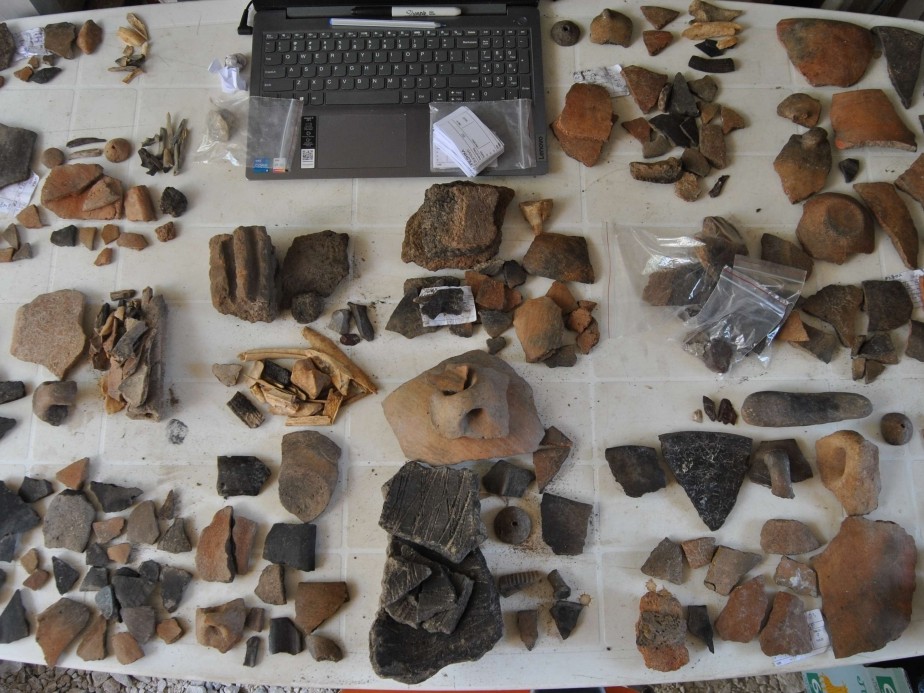
Research at Amzabegovo begun in the late 1960’s. The site was then excavated by an international American-Yugoslav team (UCLA & University of Belgrade). The team concluded that the site is over 10 hectares in size and represents the full duration and development of the Neolithic in the Balkan Peninsula. The emblematic, white-painted Neolithic pottery was widely represented at Amzabegovo, and is a cultural marker of the Central Balkans Neolithic population. At the same time, the material culture includes some Near Eastern elements, including architecture patterns originating in the Near East and the use of marble for personal ornaments production. These finds positioned Amzabegovo as a reference point for Balkan Neolithic studies.
After a 50-year hiatus, field research was reinitiated in 2019 at Amzabegovo. The current project, which this field school is part of, focuses on understanding the Neolithic transition to sedentary living, associated with the first adaptation of farming practices. A key question is understanding the regional dynamics and the role of Amzabegovo as the largest settlement in the cluster of sites within the Bregalnica River Basin, as well as its relationship and relevance to long distance trade routes.
Period(s) of Occupation: Neolithic
Notes:
Tuition is $5,092; Earn 8 Semester Credit Units (equivalent to 12 Quarter Credit Units) through our School of Record – Culver Stockton College
Project Size: 1-24 participants
Minimum Length of Stay for Volunteers: Full session
Minimum Age: 18 years old
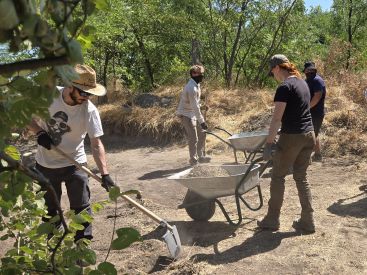
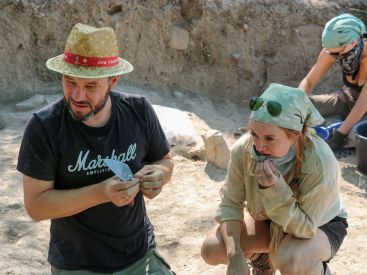
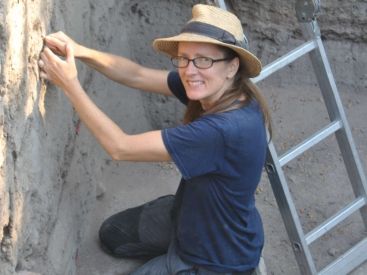
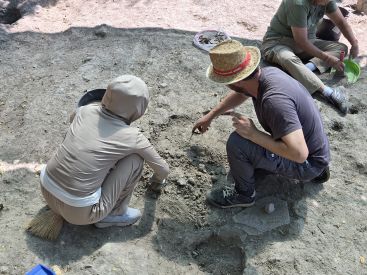
Experience Required: None. This is hands-on, experiential learning and students will study on-site how to conduct archaeological research. Field work involves physical work and exposure to the elements and thus requires a measure of understanding that this will not be the typical university learning environment. You will have to work outdoors and will get sweaty and tired. Students are required to come equipped with sufficient excitement and an adequate understanding that fieldwork requires real, hard work, in the sun and wind. The work requires patience, discipline, and attention to detail.
Room and Board Arrangements:
Cost of Room and Board is included in tuition.
Academic Credit:
Earn 8 Semester Credit Units (equivalent to 12 Quarter Credit Units) through our School of Record – Culver Stockton College
Dorian Chee
5335 W Adamas Blvd Suite 106
Los Angeles
California
90016
U.S.
Phone: (323) 740-1805