February 11, 2026
by Carly Henkel
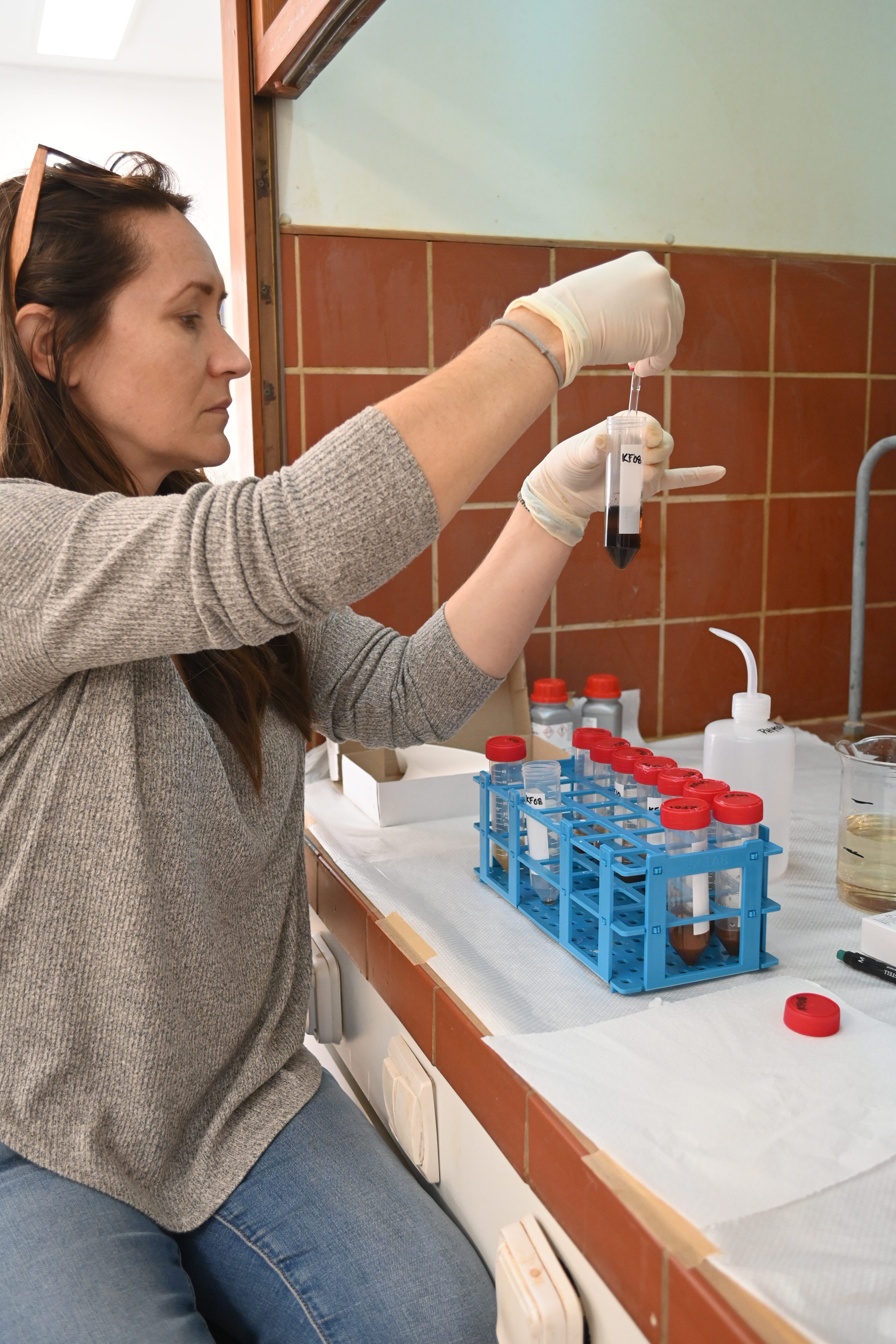
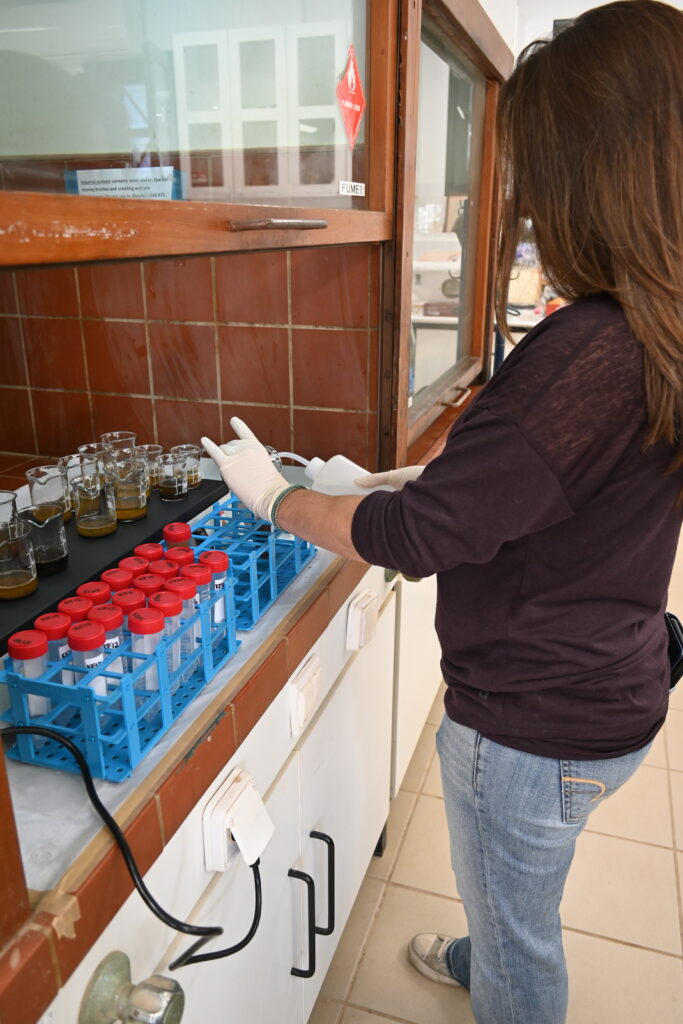
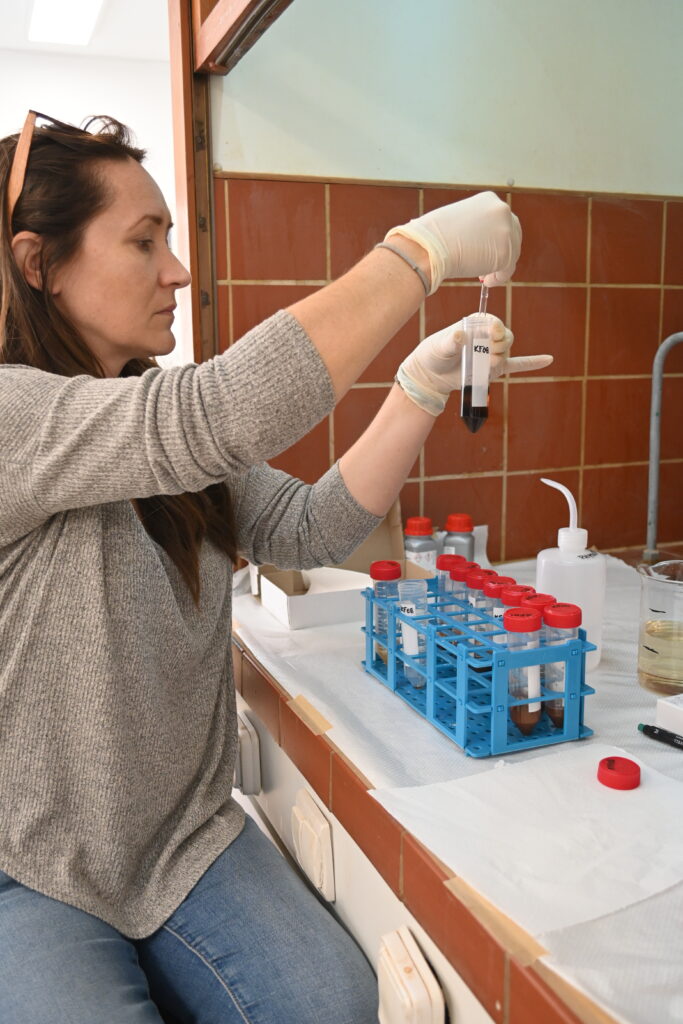
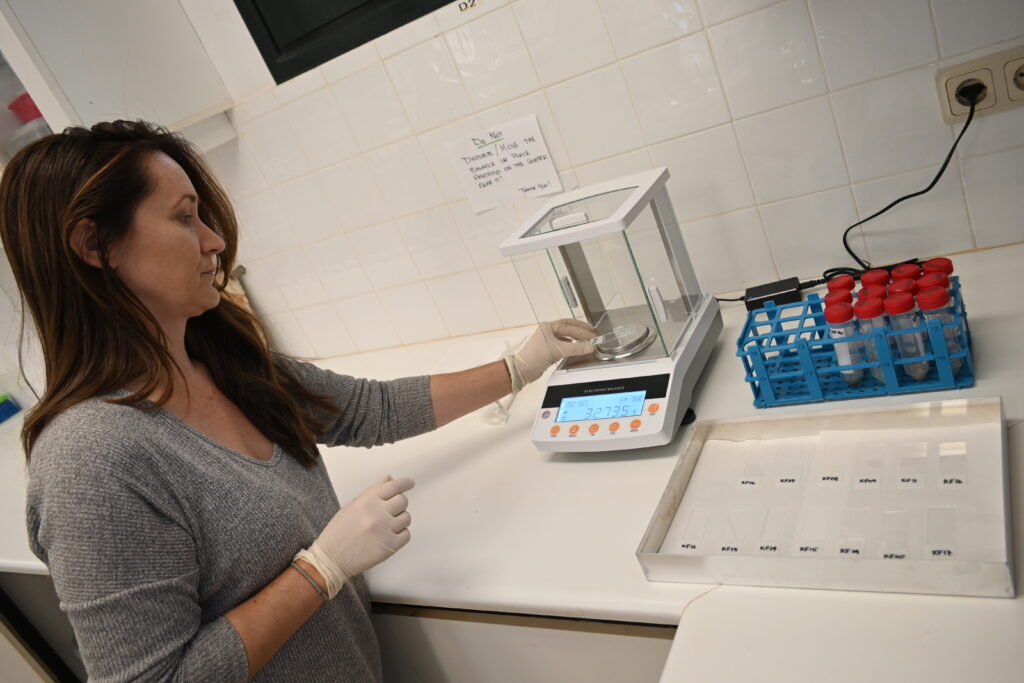
One of our 2025 Harriet and Leon Pomerance Fellowship fellows, Carly Henkel, provides us with an update:
With the support of the 2025 Pomerance Fellowship I was able to complete an up-to-date archaeobotanical study for the post-Minoan (end of the Bronze Age) settlement of Karphi. This site occupies at a marginal, upland (c. 1100 m asl) location, which was primarily inhabited during the socially turbulent and increasingly arid LM IIIC period. The aim of archaeobotanical study is to expand upon previous work done by Scarry and Tickner (2020), exploring potential changes/adaptions to plant exploitation practices by this upland community at this time.
The current archaeobotanical study took place over a three month period at the Institute for Aegean Prehistory Study Center for East Crete (INSTAP-SCEC). The work involved both macrobotanical (fruits, nuts, grains and seeds) and microbotanical (phytolith) analysis. As part of the former, 145 flot samples (containing charred organic material) were sorted for plant remains, which resulted in the recovery of an archaeobotanical assemblage comprising 977 identifiable specimens. Most of the plant taxa constitute edible resources: fruits, nuts, cereals and legumes. As part of the latter, 20 phytolith samples were also processed and analyzed, which produced a small, weathered phytolith assemblage dominated by grasses. These quantitative and qualitative microbotanical results likely reflect taphonomic conditions affecting the site, namely strong winds and erosion. During the tenure of the fellowship, a period of time was also spent in the INSTAP-SCEC library conducting data analysis, sample contextualization and related research.
While the Karphi excavations are on-going, and will therefore generate additional samples during future digging seasons, the archaeobotanical study completed under the auspices of the Pomerance fellowship has already revealed some choices and adaptions by the Karphi inhabitants in relation to their cultivation, storage and consumption of plant resources. These findings were detailed in a preliminary archaeobotanical report provided to the excavation directors and will be disseminated to the archaeological community via future academic publications.