Location: 3PCR+RQ Williams, AZ, USA
Season: March 14, 2027 to October 9, 2027
Session Dates: Session I: Mar 14-20, 2027; Session II: Aug 15-21, 2027; Session III: Oct 3-9, 2027
Application Deadline: October 9, 2027
Deadline Type: Rolling
Website: https://anthroctr.org/program/2027-usaz-drone-1week/
Discount for AIA members: None
Program Type:
Field School
RPA Certified:
No
Affiliation:
Anthropocene Research Center and Northern Arizona University
Project Director:
Dr. Kayeleigh Sharp, Northern Arizona University
Project Description:
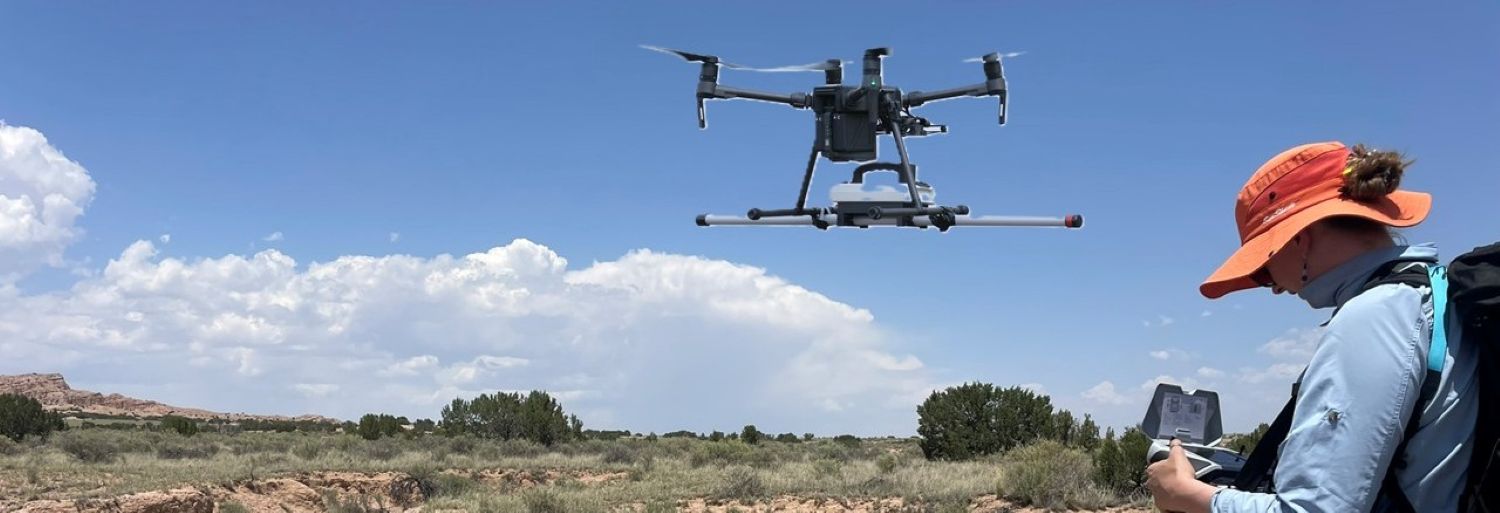
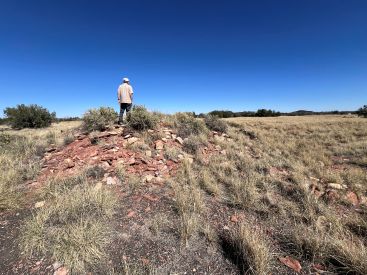
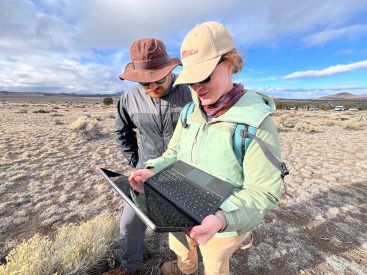
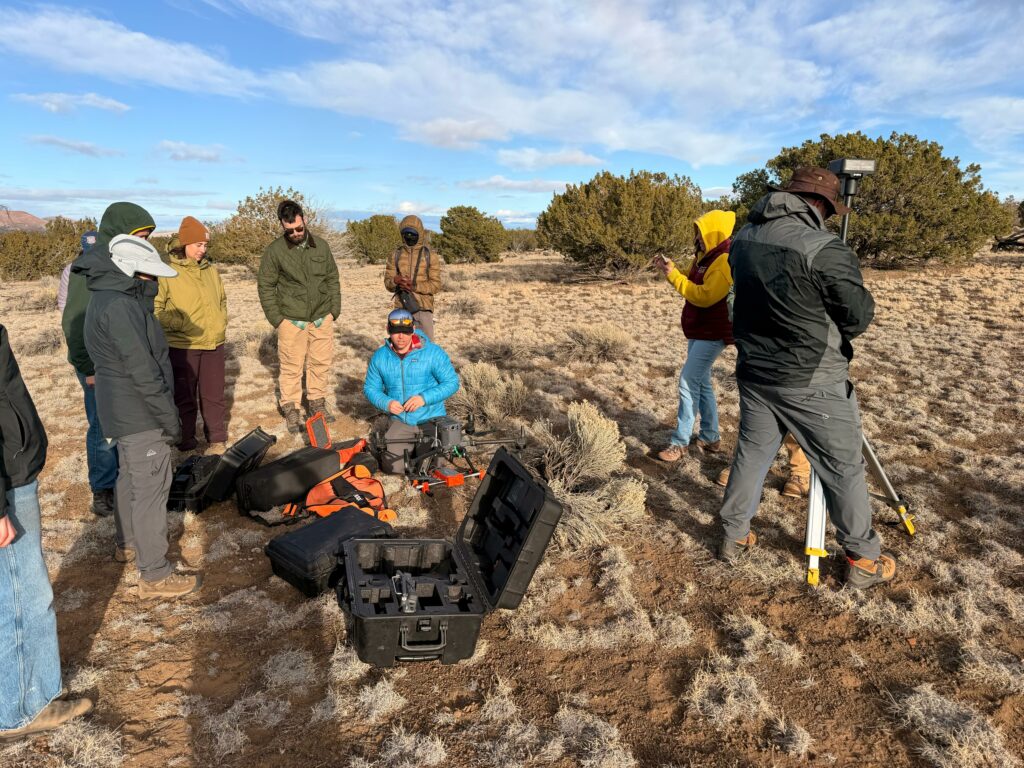
Drones are an essential tool in today’s archaeological practice, both in academic research and professional archaeology (e.g., Cultural Resource Management or CRM, heritage studies or site damage mitigation). Drones save time and money on archaeological surveys, and they also provide excellent high-resolution spatial information for site detection, monitoring and regional landscape studies. Flying a drone is simple when you know how to do it. In fact, you can learn how to do that in just a few hours. The challenging part is mastering flight maneuvers for managing archaeological surveys, site and environmental monitoring and how to handle emergencies in the air.
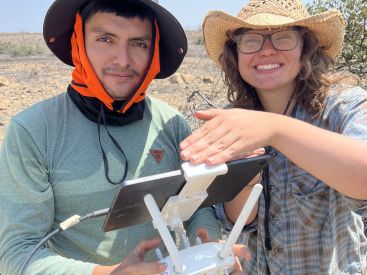
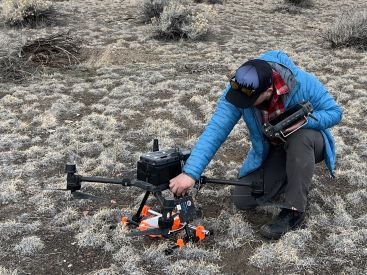
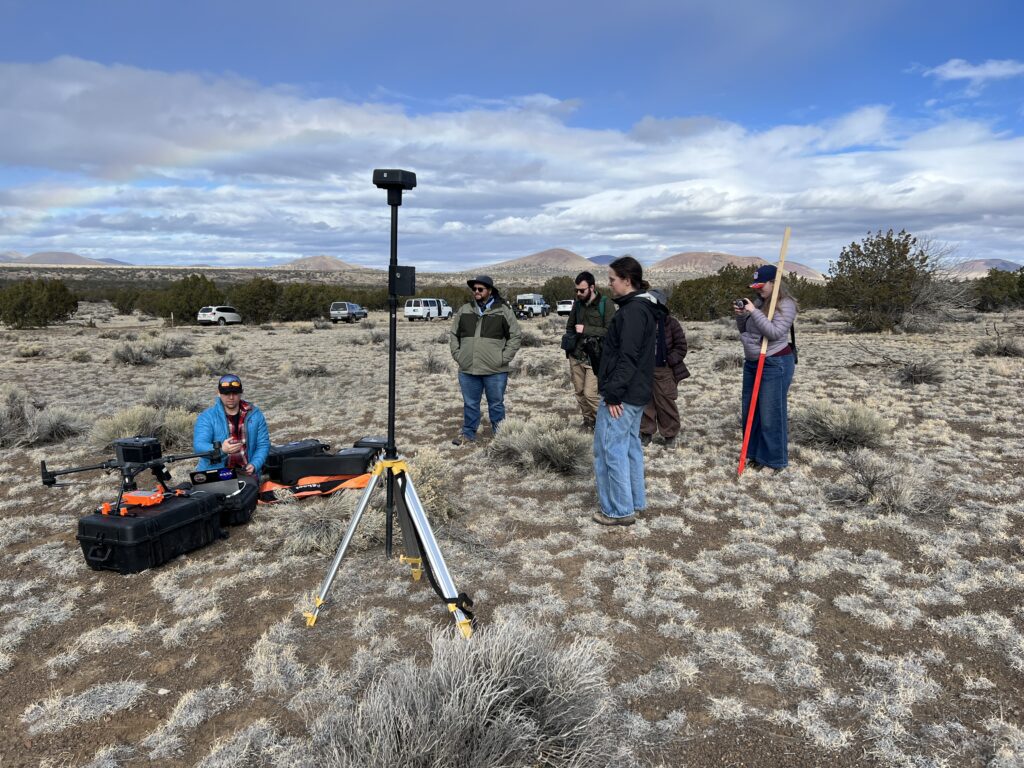
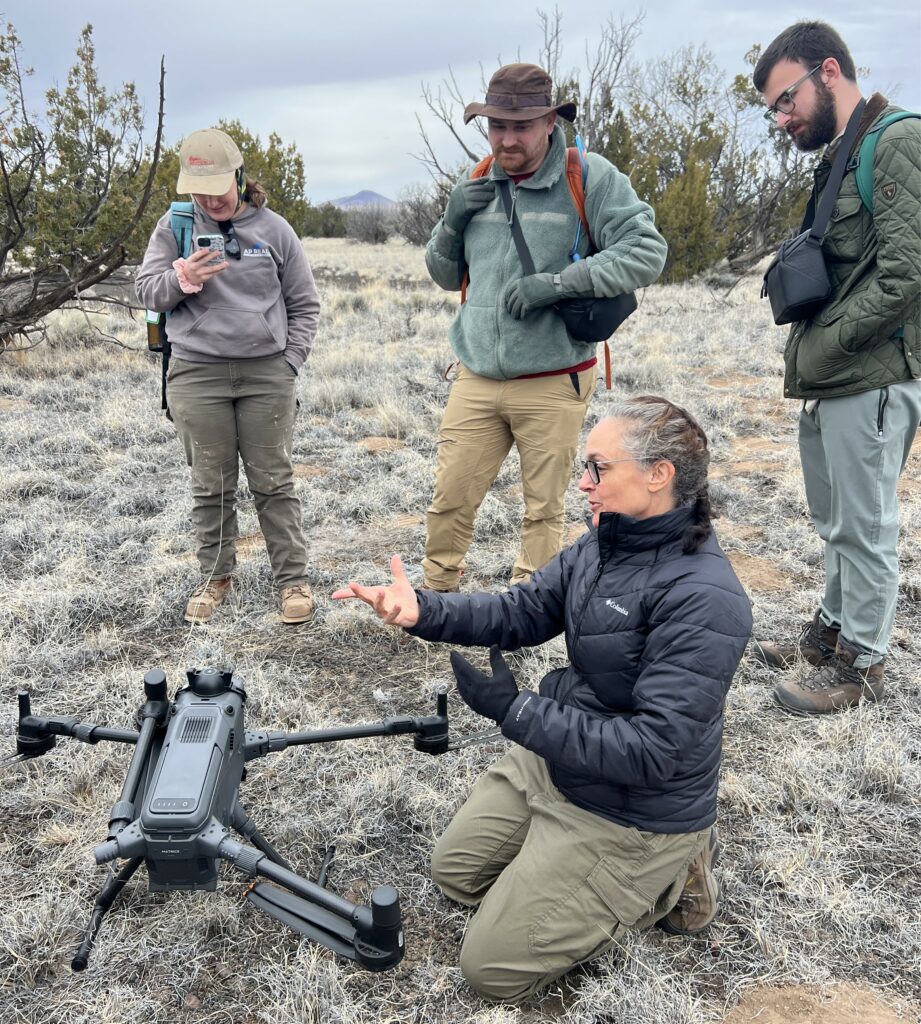
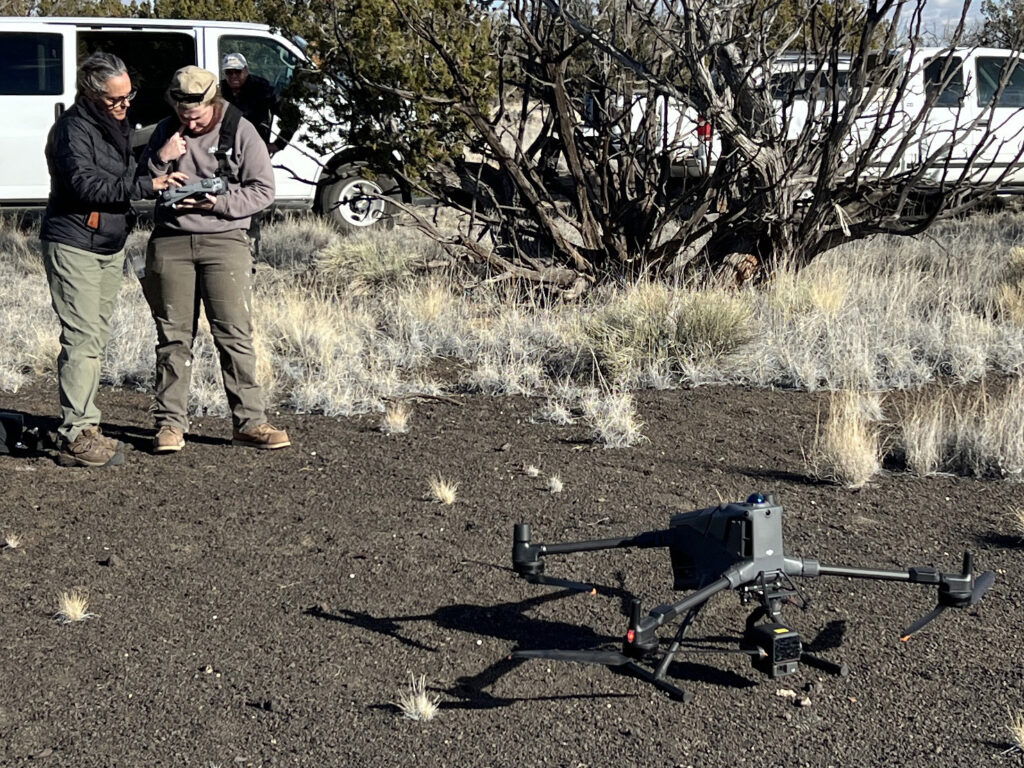
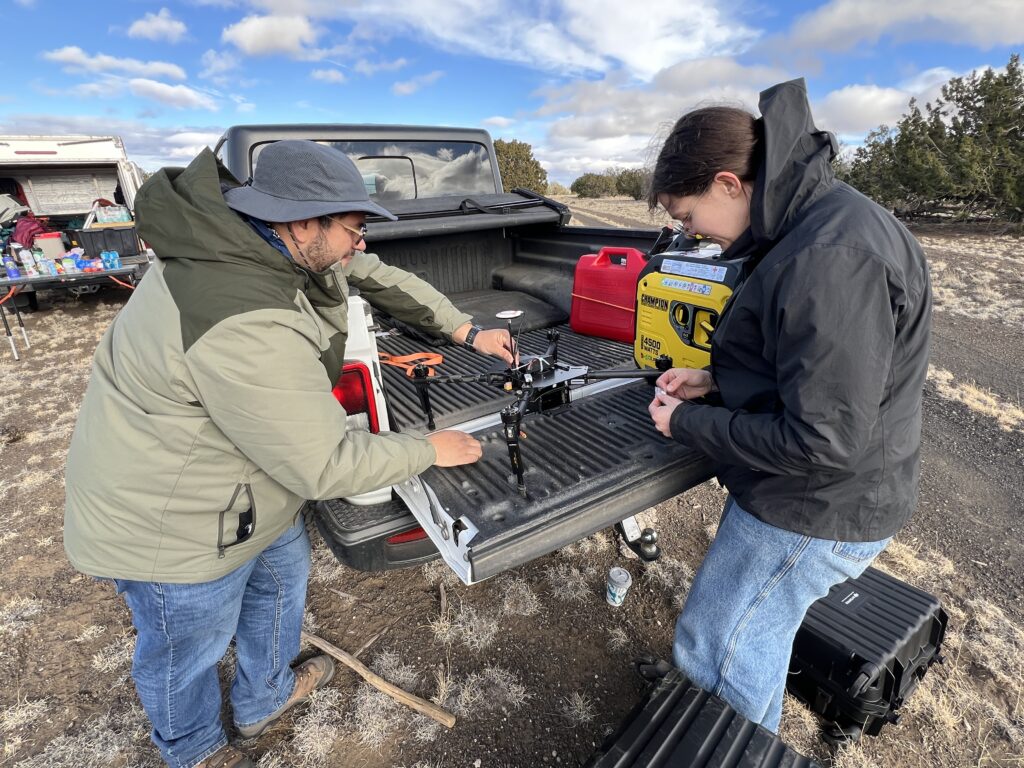
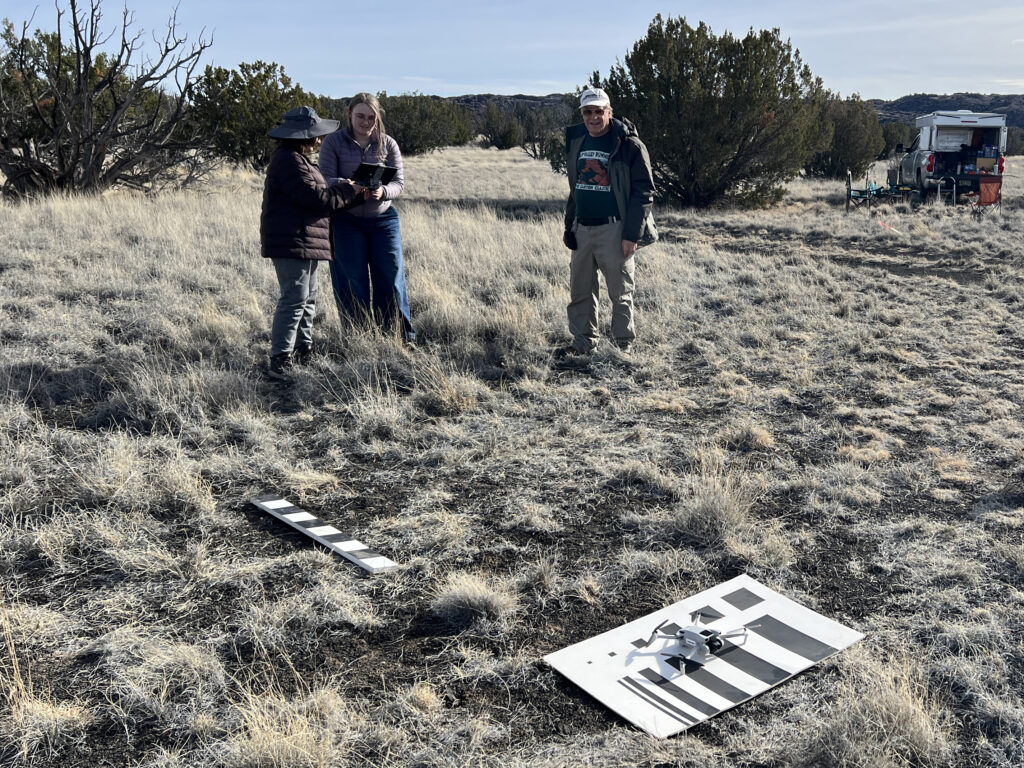
In this one-week bootcamp-style program, you will gain hands-on experience, learn about drone safety and practice basic as well as advanced flight maneuvers. You will also learn how to collect accurate and relevant data for a variety of practical applications in archaeology. You will also gain clear understanding of the advantages and limitations of different types of drones and sensors and when they are most applicable.
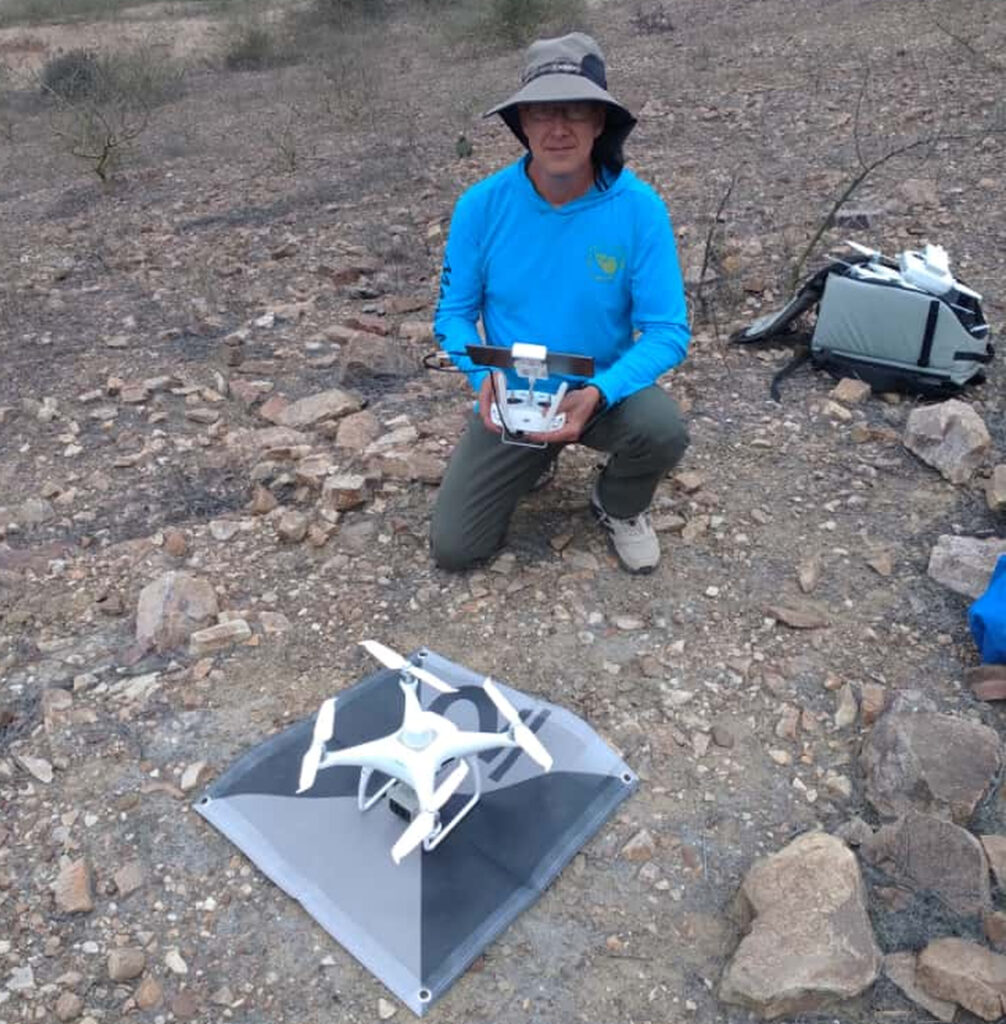
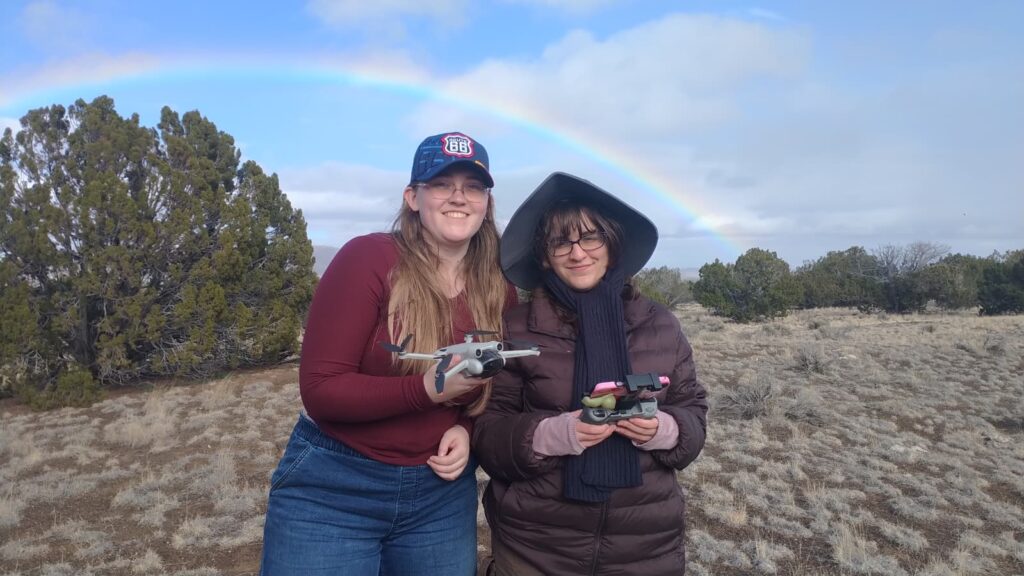
During the program, you will be introduced to at least three types of drones and their appropriate deployment (recreational drones, mid-sized quad and or hexacopters, Blue Drones, etc.). You will also learn how to use different types of sensors, when and why to use them (RGB, multispectral, GPR, etc).
Upon completion, you will have the training to successfully complete the FAA Part 107 certification exam. You will also have the tools to conduct safe and responsible sUAV fieldwork as a researcher or Cultural Resource Management professional. While this program is designed for archaeologists, professionals conducting paleontological, geological and other landscape surveys may benefit from participating.
Period(s) of Occupation: Not relevant
Notes:
Tuition is $2,194; Earn 2 Semester Credit Units (equivalent to 3 Quarter Credit Units) through our School of Record – Culver Stockton College
Project Size: 1-24 participants
Minimum Length of Stay for Volunteers: Full session
Minimum Age: 18 years old
Experience Required: None. This is a hands-on, experiential learning opportunity and students will study on-site how to conduct archaeological research under the direction of a range of specialists in the field. Field work involves physical work and exposure to the elements and thus requires a measure of understanding that this will not be the typical university learning environment. You will have to work outdoors in physically demanding environments, and students must plan ahead for both cold and hot weather conditions. Students are required to come equipped with sufficient excitement and an adequate understanding that fieldwork requires real, hard work, in the sun and wind and perhaps even snowy conditions. The work requires patience, discipline, and attention to detail.
Room and Board Arrangements:
This program provides full room & board at the Hat Ranch, a research station owned by Northern Arizona University near Williams (AZ)
Academic Credit:
Earn 2 Semester Credit Units (equivalent to 3 Quarter Credit Units) through our School of Record – Culver Stockton College
Dorian Chee
5335 W Adamas Blvd Suite 106
Los Angeles
California
90016
U.S.
Phone: (323) 740-1805