May 21, 2026
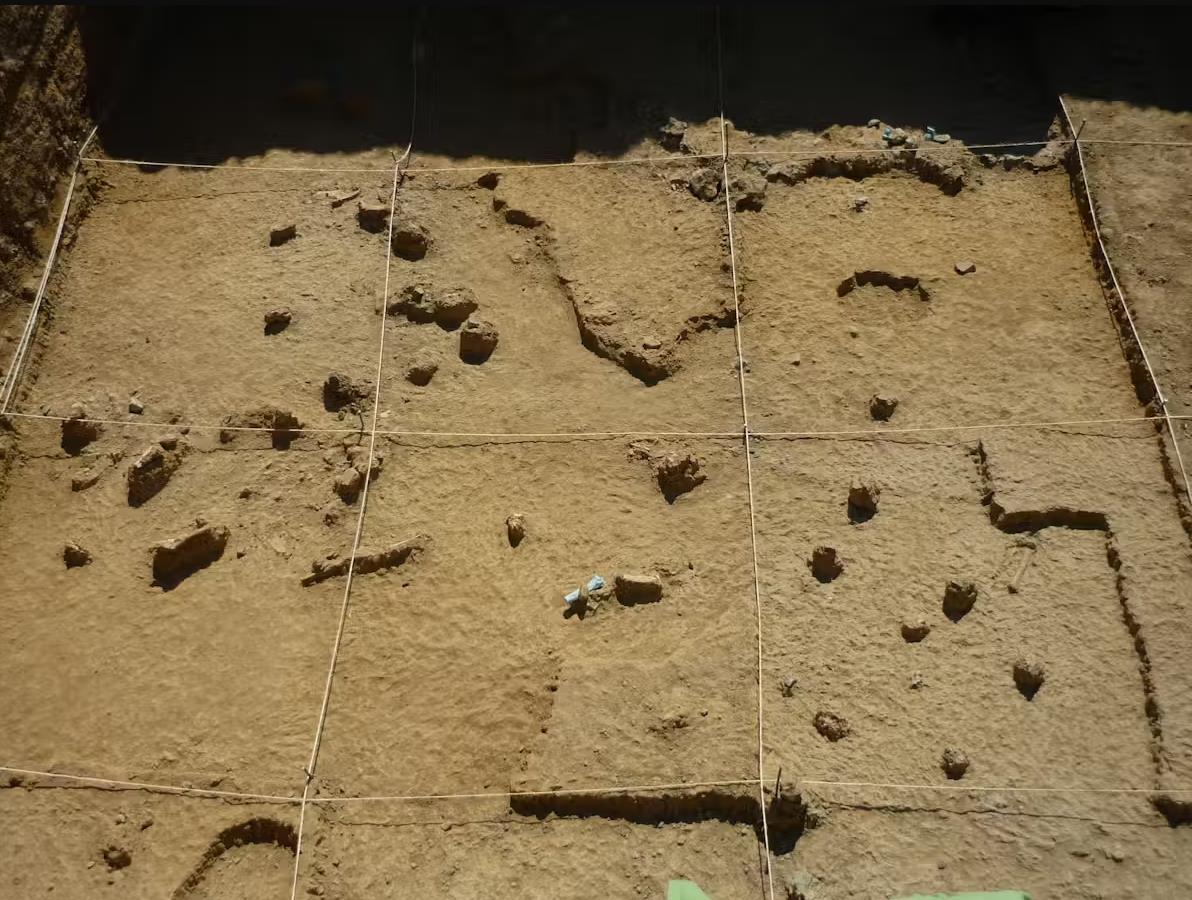
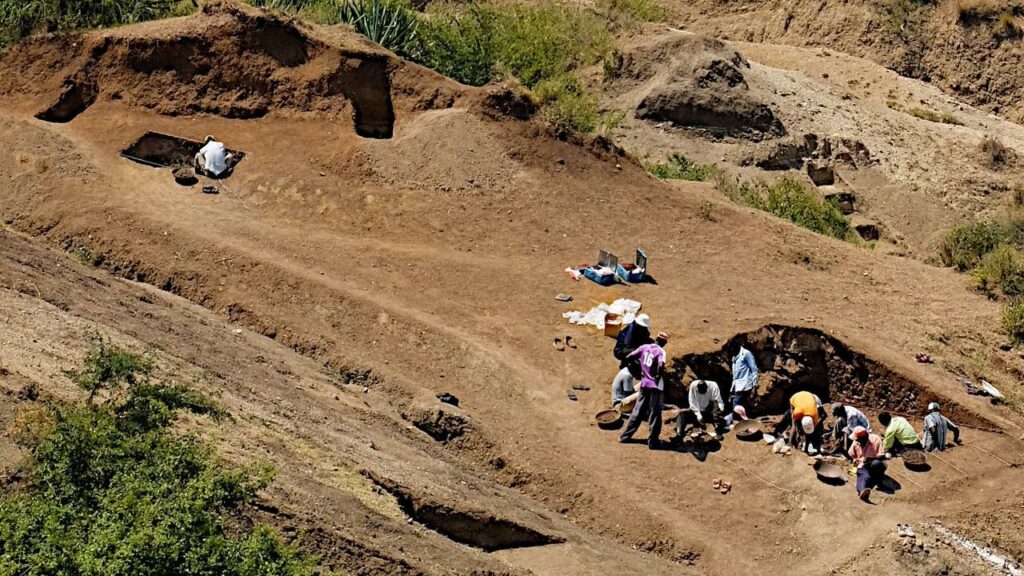
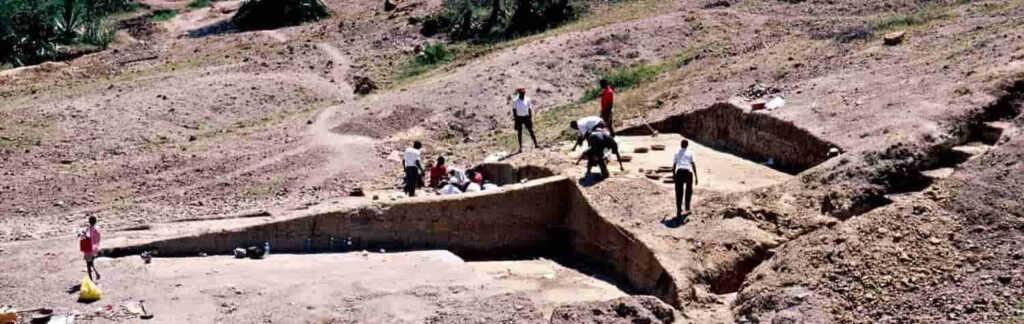
The recipient of this year’s Site Preservation Grant is: The Kanjera Archaeological Site Preservation Project
The Site Preservation Grant provides $15,000 to fund innovative conservation projects that uphold the AIA’s mission to preserve and protect the world’s archaeological heritage for future generations.
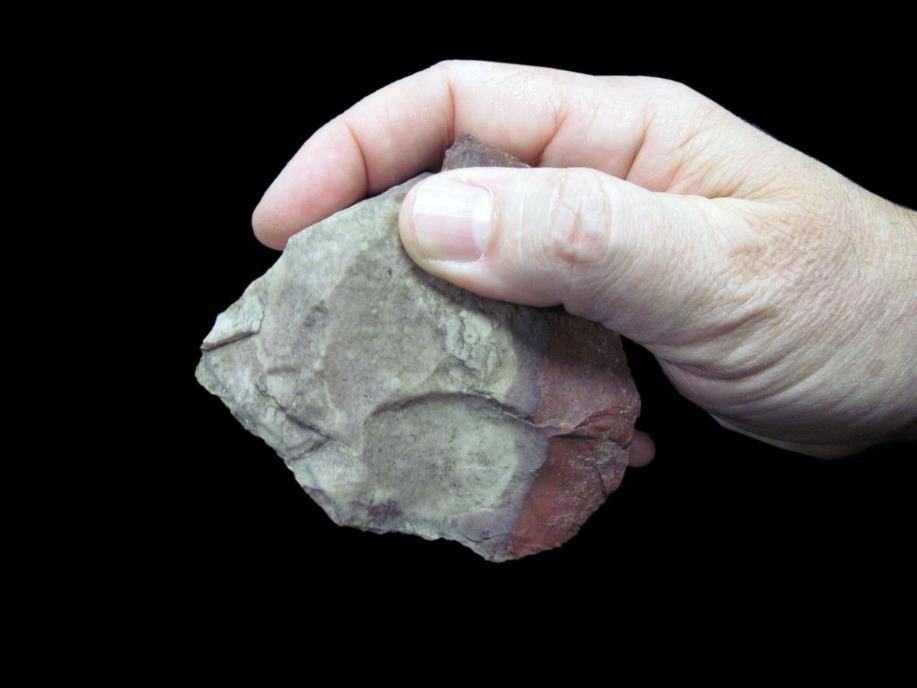
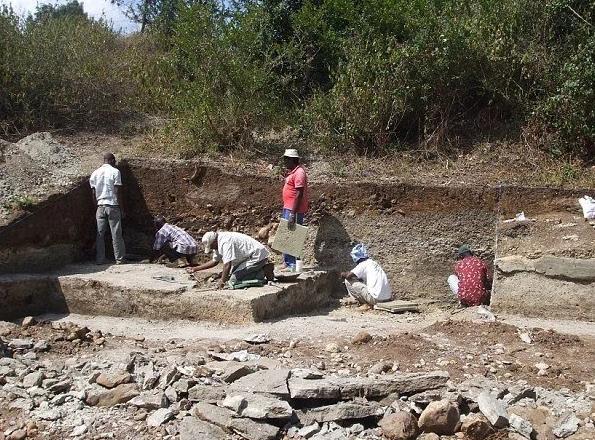
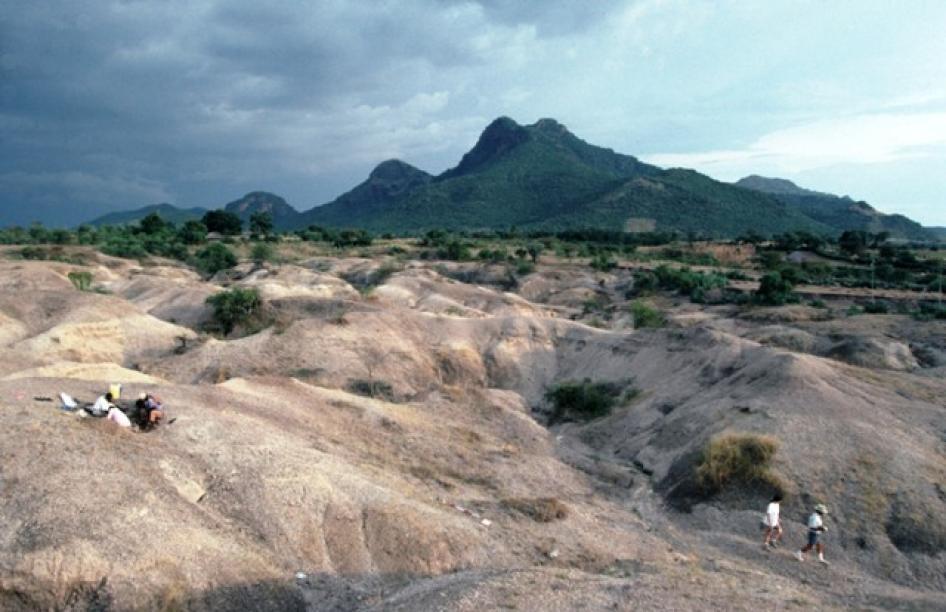
The Kanjera archaeological site, located on the shores of Lake Victoria in Kenya, is a key window into human prehistory. Here, scientists have uncovered ancient stone tools and early human remains that shed light on how our ancestors lived, worked, and innovated thousands of years ago. Kanjera is one of Kenya’s most significant sites for studying human evolution, and preserving it ensures that both researchers and local communities can continue to explore and connect with this shared heritage.
We spoke with Dr. Carolyne Ngara, the Anthropologist and Project Coordinator leading the Emergency Preservation and Community Stewardship of the Kanjera Archaeological and Paleoanthropological Site project, about the importance of this work and how it is being carried out.
How did you get involved with the site?
As Anthropologist and Public Engagement Officer for this project, I lead community-centered heritage initiatives that connect scientific research with local stakeholders. I facilitate dialogue between researchers and surrounding communities, develop educational outreach programs for schools and youth groups and promote public understanding of the site’s global significance near Lake Victoria. I also coordinate community stewardship activities, supporting ethical research practices, strengthening local capacity for site monitoring and ensuring that preservation efforts respect cultural values while advancing long-term, sustainable heritage management.
As the Project Coordinator, I oversee the planning, implementation and reporting of all project activities. I also coordinate field operations, liaise with field researchers, conservators and local authorities and ensure that preservation measures are carried out effectively and ethically. Working closely with communities around Lake Victoria, I manage partnerships, supervises budgets and timelines, support compliance with heritage regulations and facilitate communication among stakeholders to ensure the site’s long-term protection and sustainable stewardship.
Tell us more about your team working at the site:
The preservation work at Kanjera archaeological site has brough together a multidisciplinary team focused on protecting and studying this important heritage location along Lake Victoria. The project benefits from experienced archaeologists and paleoanthropologists, early-career researchers, students as well as conservation specialists who help protect artifacts and site integrity. Some of the Previous Key Senior Scholars and Excavators associated with research and preservation work at the Kanjera archaeological site and Kanjera South Oldowan localities include:
Senior Field Leaders & Researchers
Former Supporting Research Team Members
The current Emergency Preservation and Community Stewardship of the Kanjera Archaeological and Paleoanthropological Site, Kenya project is being led by the following team:
Carolyne Ngara – Anthropologist/Project Coordinator/Community Engagement Officer – The National Research Fund
In this project, she will coordinate and oversee the planning, implementation, and reporting of all project activities. She will also coordinate field operations, liaise with researchers, conservators, and local authorities, and ensure that preservation measures are carried out effectively and ethically. Working closely with communities around Lake Victoria, she will manage partnerships, supervise budgets and timelines, support compliance with heritage regulations, and facilitate communication among stakeholders to ensure the site’s long-term protection and sustainable stewardship.
Dr. Emma Mbua – Archaeologist, Paleoanthropologist & Curator – National Museums of Kenya (NMK)
In this project, she will play a central role in linking scientific conservation with community-based heritage protection. As an Archaeologist, Paleoanthropologist and Curator, she will guide evidence-based preservation strategies, ensuring that artifacts and site deposits near Lake Victoria are properly documented, conserved and protected. She will work closely with local stakeholders to build capacity in site monitoring and heritage awareness, support training workshops, and promote ethical stewardship practices. Her leadership will help integrate research excellence with community empowerment, ensuring sustainable, locally grounded conservation efforts.
Prof. Washington Onyango-Ouma – Professor of Anthropology – Institute of Anthropology, Gender and African Studies – College of Humanities and Social Sciences
In this project, he will provide strategic academic leadership. He will offer theoretical guidance on community engagement, heritage governance and participatory research approaches, ensuring the project integrates social, cultural and ethical perspectives. Drawing on his expertise in African studies, he will support interdisciplinary collaboration, mentor emerging scholars and strengthen institutional partnerships. His contribution will help align the Kanjera site conservation with broader goals of inclusive scholarship and sustainable community development.
Eng. Victor Nyarwari Majanga – Gabion Installation Expert
In this project, he will lead the design and installation of gabion structures to control erosion and stabilize vulnerable sections of the Kanjera archeological site near Lake Victoria. His work will protect exposed archaeological layers from water runoff and seasonal flooding, ensuring the long-term integrity of cultural deposits. He will also train local workers in safe construction techniques and environmentally sensitive methods, strengthening community capacity to maintain protective infrastructure and support sustainable, site-based conservation efforts.
Tell us more about how the local community is engaged in preserving the site:
Community members living around the Kanjera archaeological site are actively engaged in preserving this important heritage landscape near Lake Victoria. Through community meetings, training workshops and school outreach programs, residents learn about the site’s archaeological significance and their role in safeguarding it. Local volunteers assist with site monitoring and reporting erosion or damage. They are also directly involved in gabion construction and installation training, participating in practical erosion-control work that protects vulnerable deposits. This hands-on involvement strengthens skills development, local ownership and long-term, sustainable stewardship of the site.
Is there anything else you want to share with us?
The Kanjera archaeological site preservation project is committed to protecting one of East Africa’s important records of early human technological development located near Lake Victoria. Beyond emergency conservation measures, the project emphasizes sustainable heritage management, scientific collaboration and community empowerment. By integrating local knowledge with archaeological research, the initiative aims to ensure that site protection is practical, culturally respectful and scientifically valuable.
In addition, the project hopes to strengthen heritage education, support responsible research access and build long-term stewardship networks involving local residents, researchers and students. Preserving Kanjera is not only about safeguarding artifacts but also about protecting a shared human story that connects local communities to global history.