May 21, 2026
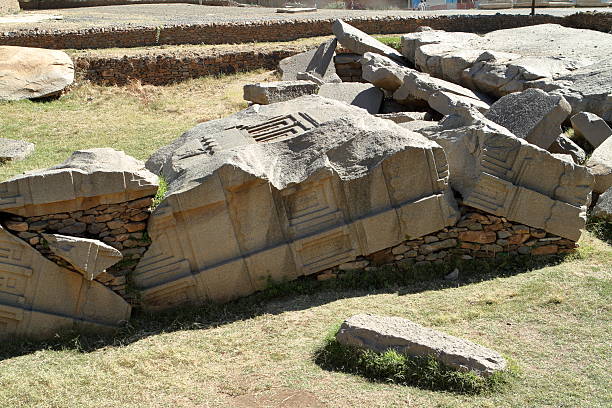
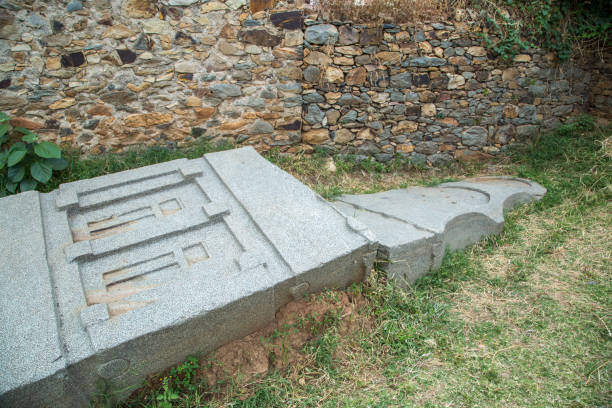
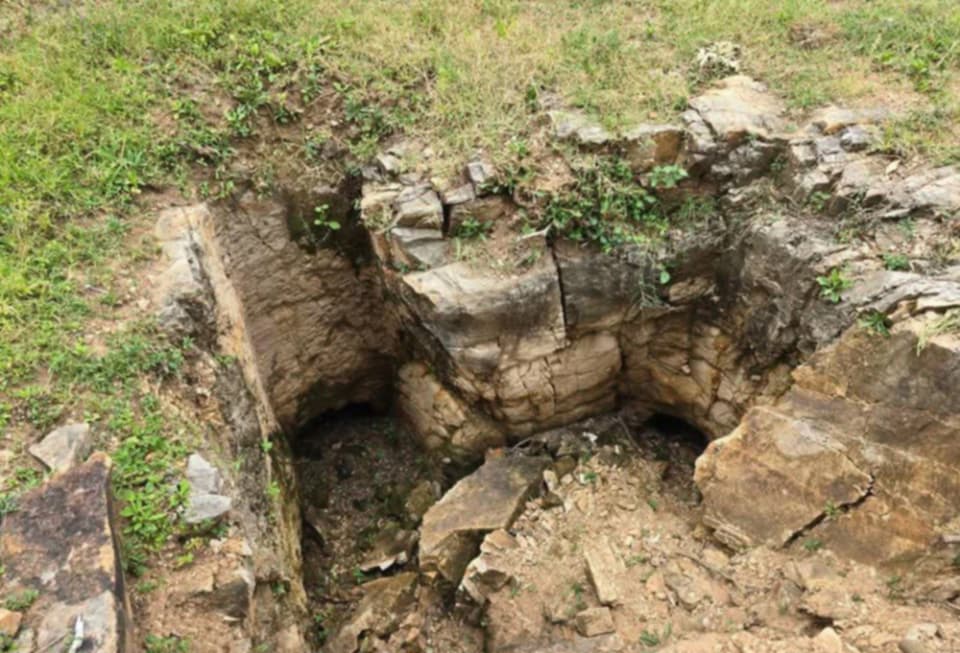
The recipient of the Nancy Wilkie Emergency Funds for Heritage Preservation is: The Axum Archaeological Site
The Nancy Wilkie Emergency Funds for Heritage Preservation provides rapid support to safeguard endangered sites facing threatening conditions at some of the world’s most amazing archaeological sites. The fund is named in honor of past AIA president Nancy Wilkie.
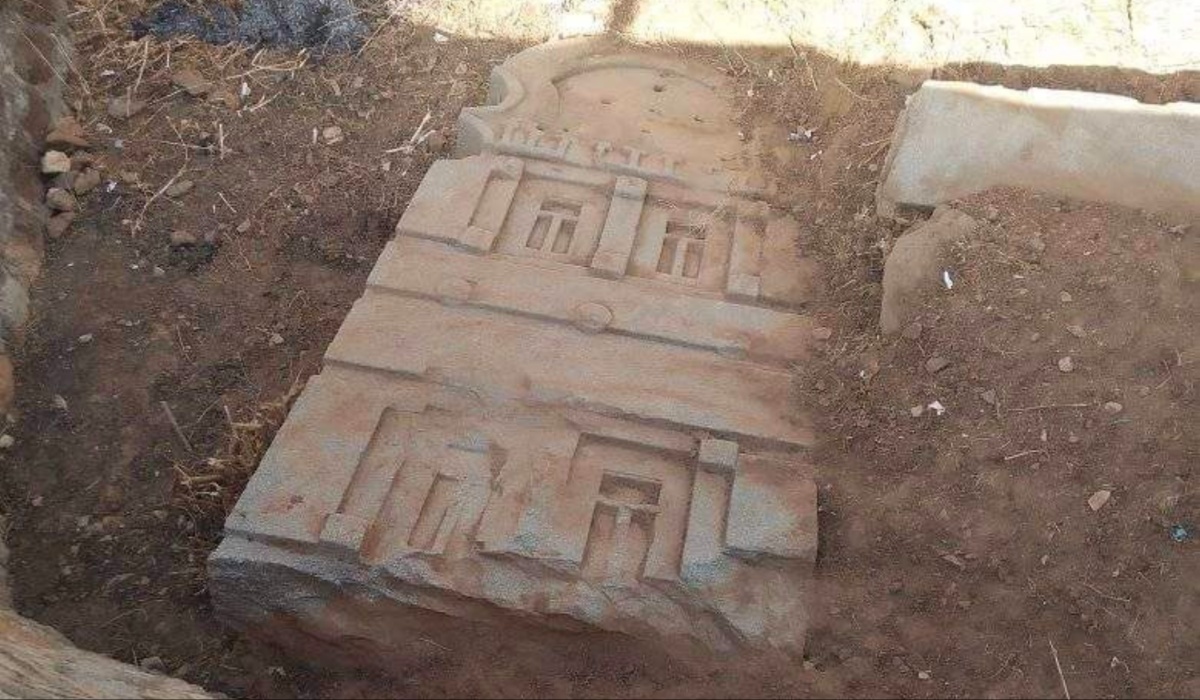
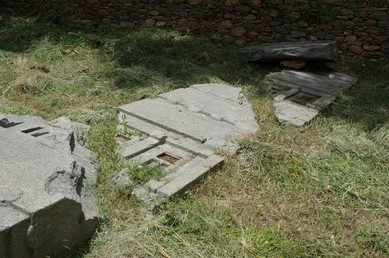
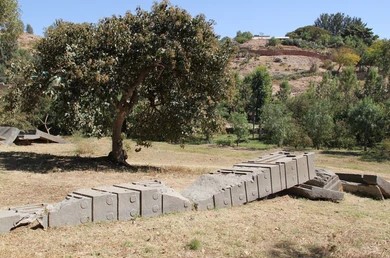
The Axum Archaeological Site, located in northern Ethiopia’s Tigray region, is at the heart of one of Africa’s oldest civilizations. Its monumental stelae, royal tombs, and sacred structures reveal the rich history, spiritual traditions, and indigenous knowledge of the Aksumite Kingdom.
We spoke with Abreha Kiros, Project Director, about the ongoing efforts to preserve this remarkable site. The project combines archaeological research, conservation, and local knowledge to protect Axum’s cultural heritage. By engaging the community, promoting education, and safeguarding sacred monuments, the initiative ensures that this extraordinary legacy continues to inspire and educate generations to come.
How did you get involved with the site?
I became involved with the Axum Archaeological Site through my academic research in archaeology and indigenous knowledge at Aksum University. My studies on the history, sacred monuments, and the Book of Aksum led me to work closely with the site, contributing to its preservation, documentation, and community engagement initiatives.
Tell us more about your team working at the site:
Our team is interdisciplinary and collaborative, bringing together a diverse group of experts and community members dedicated to preserving the Axum Archaeological Site. It includes archaeologists, heritage management specialists, conservators, university students, and early-career researchers. We also build upon the foundational work of previous excavators and senior scholars who studied the site’s monuments and sacred structures. Local community members actively participate as custodians of traditional knowledge and sacred practices, while students contribute to documentation, conservation, and outreach activities, ensuring knowledge transfer and capacity building for the next generation of heritage professionals.
Tell us more about how the local community is engaged in preserving the site:
The local community plays a central role in protecting and preserving the Axum Archaeological Site. Religious leaders, elders, and residents serve as custodians of sacred traditions, oral histories, and cultural knowledge. Community members participate in monitoring and safeguarding monuments, guiding visitors, and sharing stories that connect the site’s past to present-day life. Our project supports this engagement through educational workshops, participatory documentation, and youth programs, empowering the community to actively preserve their heritage for future generations.
Is there anything else you want to share with us?
The Axum Archaeological Site is not just a collection of ancient monuments it is the living story of a community, its traditions, and its history. Preserving it means protecting memories, knowledge, and identity that have been passed down for generations. Beyond its local and national significance, Axum is a site of global heritage, representing a civilization that shaped human history. Through collaboration with local people, students, and researchers, our project helps ensure that this remarkable heritage continues to inspire, educate, and connect people around the world to their shared human past.