July 15, 2026
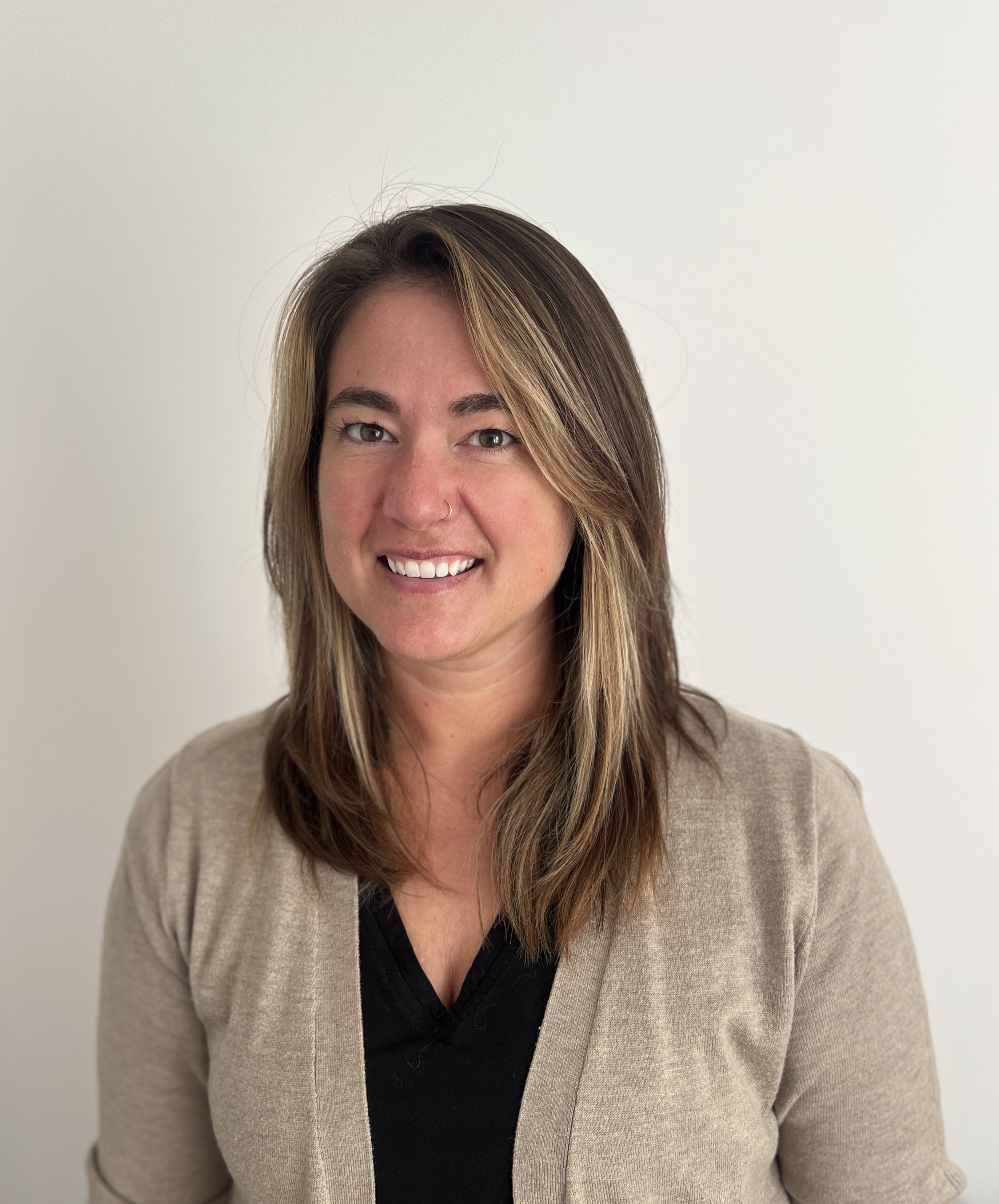
The Archaeological Institute of America is proud to recognize Marie Pareja with the 2027 Excellence in Undergraduate Teaching Award.
Marie Pareja is an Assistant Professor of Art History at Salisbury University and a specialist in Bronze Age Aegean art and archaeology. She has previously served as an AIA Traveling Lecturer.
Ahead of the Awards Ceremony during the 2027 Annual Meeting, we spoke with Marie about the mentors and experiences that shaped her career, her passion for teaching, and her favorite moments in the classroom.
What drew you to archaeology?
It all began with classes at Indiana University taught by Kevin Glowacki, Margaretha Kramer-Hajos, and then field school with Susan Alt, where I met Meagen Buchanan and Tim Pauketat. This was before venturing on to working with Philip P. Betancourt, Elizabeth Shank, and Marie-Claude Boileau at Temple University and the University of Pennsylvania in graduate school. It was no one thing that drew me to archaeology, but the perfect storm of mentors, projects, and bull-headed determination (no pun intended).
Tell us about your history with the AIA:
On the heels of a project that garnered international media attention, I served as a Traveling Lecturer for the AIA from 2020 through 2022, speaking at Rochester, Vancouver, and in other cities. I also served as co-chair of the Ancient Painting and Decorative Media Interest Group before Covid-19 derailed a great many things and then again agreed to co-chair in Philadelphia in 2025, after beginning at Salisbury University in 2024 as an Assistant Professor of Art History.
What’s next for you professionally?
I’m looking forward to continuing to work on long-distance Afro-Eurasian exchange, on which I presented at U.C. Berkeley’s Tang Center in March 2026. It will also be a delight to continue working as the plaster specialist for multiple Bronze Age Aegean sites, including but certainly not limited to Sissi, Mochlos, Gournia, and Stelida, Naxos. I also look forward to studying and publishing the Royal Road and South House frescoes from Knossos together with my dear friend and colleague, Lyvia Morgan.
What is your favorite class to teach?
My favorite class might be Archaeological Methods, in which students are afforded the opportunity to learn the basics of archaeological excavation before attending a field school, in a low-risk, high-reward, collaborative and innovative environment with an outdoor archaeological excavation simulator. Of course I also delight in teaching Bronze Age Aegean Art and Archaeology by virtue of my own area of focus, but The Art of Death also affords the rare opportunity to study material culture from (usually sealed) funerary contexts that afford outstanding preservation and the potential for unique insights into ancient and prehistoric interconnections among practice, iconography, and belief.
What is your favorite moment as a teacher?
My favorite teaching moments are probably the “aha!” moments, when a student’s lightbulb goes off. Whether this is an almost-instant result of question-and-answer, object-handling or -observation, or (perhaps harder-won) the long, slow percolation of many and various ideas through research, contemplation, experience, and writing that can ultimately lead to the eureka-moment.
Can you share a funny anecdote from your years in teaching?
I publish with my maiden-name (Pareja), but students enroll in classes with my married, legal name (Cummings). Somehow, since I began teaching at Temple University in 2010 as a Masters student, students have always simply called me “Doc” (“Manifesting your PhD!”).
Years ago, teaching Greek Art and Archaeology, a student scheduled repeated meetings to try to settle on a final paper topic. Despite trying to gently steer him away from the blue monkeys at Akrotiri and their potential role in Afro-Eurasian exchange (my collaborative big-splash-publication in 2019, which he found on his own and I hadn’t disclosed was my work), he relentlessly insisted on this topic. When it was clear that he wouldn’t be dissuaded, I relented, silently resolving to not sharp-shoot the minutiae and nuances of every facet of the argument just because I know it well.
Students present their research in class to one another for critical peer-review and -feedback, and although I hadn’t breathed a word of his topic (or that it was based on my work) to anyone, the other students gently and kindly corrected him after letting him know that he was citing *me*. This student — and the rest of the class, of their own fervent volition — then spent considerable time outlining each and every way that the rebuttals to the argument by zoologists (not material culture specialists) were ill-informed, poorly argued, or flat-out erroneous. This led to a quick lesson on the importance of appropriate collaborators and the critical nature of peer-review with professional publications before we refocused on student presentations.
The students lit up, realized that we were doing precisely this — peer review — in real time with their class presentations, and they doubled-down on the kind but critical feedback they provided one another. If they had a thought but not ample evidence to support it or were a little unsure, they often began by qualifying their statements: “I don’t know [something], and not to pull a [rebuttal author name], but could [this] be interpreted as…?”
This parlance has survived for years now, handed down from one class, one student, to the next, together with words of wisdom for taking my classes: “Ask her about hippos,” “Ask her about the Nile,” “Get her talking about her first time in Turkey.”
Even when it takes us a little off-topic, it’s good to know that the oral tradition is alive and well.
Questions? Learn more about AIA Awards here or reach out to awards@archaeological.org