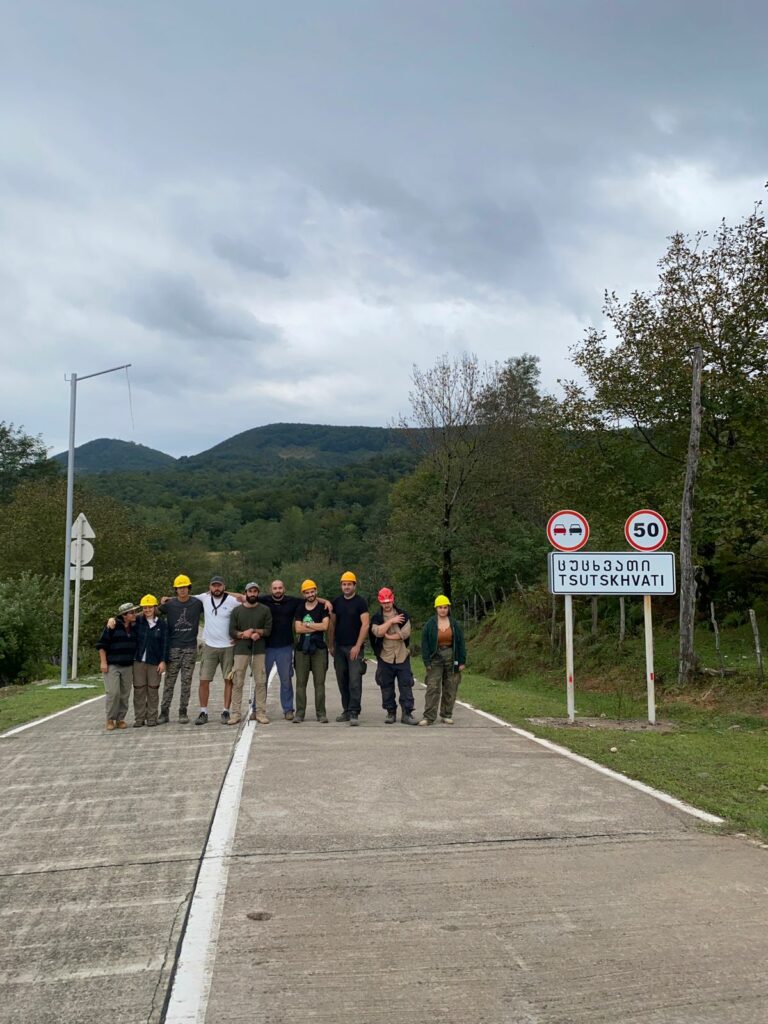
Location: 7VC3+G4 Tsutskhvati, Georgia
Season: September 7, 2026 to September 30, 2026
Session Dates: 07/Sept/2026-30/Sept/2026
Application Deadline: September 4, 2026
Deadline Type: Rolling
Website: https://www.instagram.com/starchaeology_nt/
Program Type:
Field School
RPA Certified:
No
Affiliation:
The Caucasus Scientific-Research Institute / Ilia State University
Project Director:
Nikoloz Tsikaridze - The Caucasus Scientific-Research Institute / Ilia State University
Project Description:
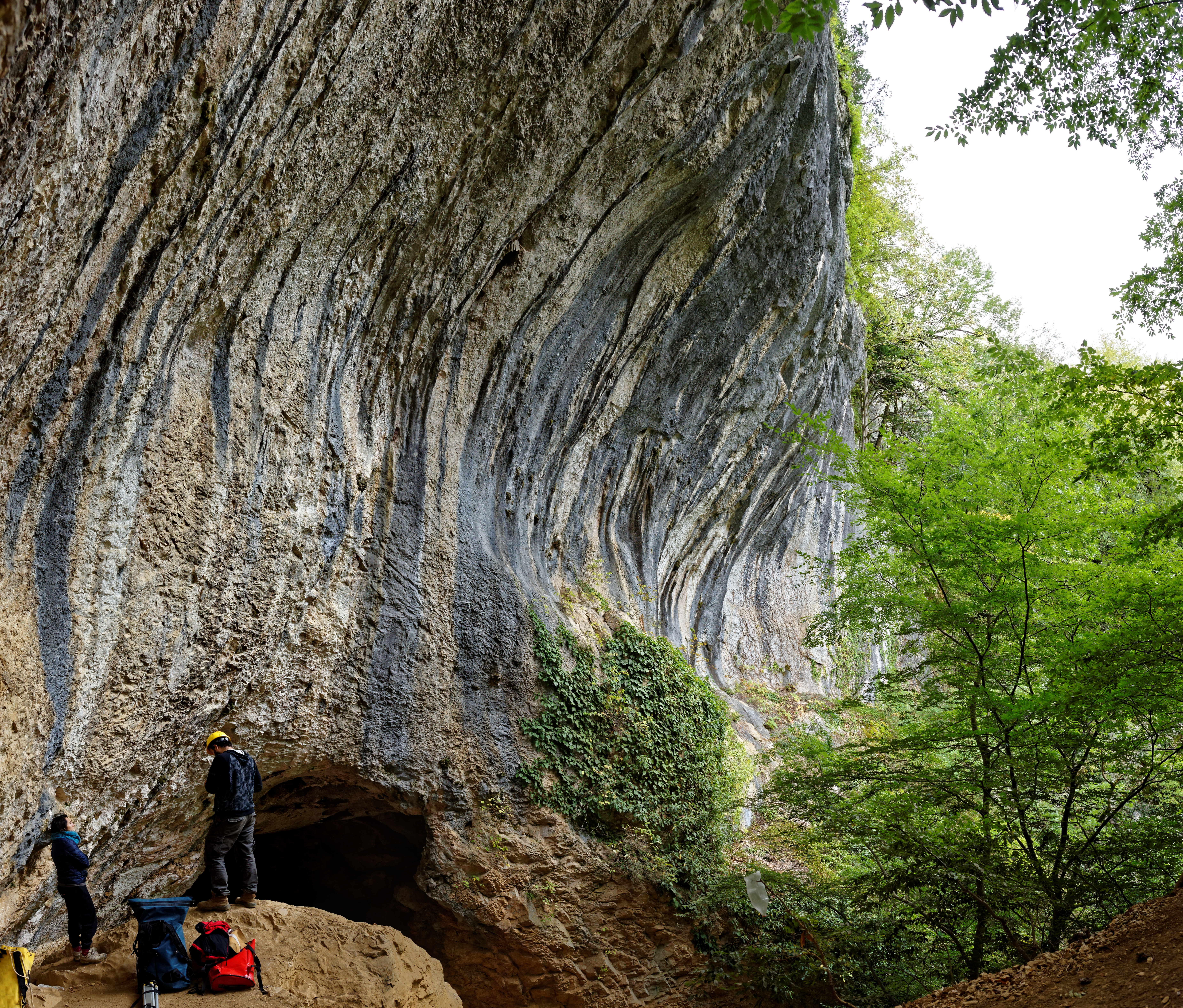
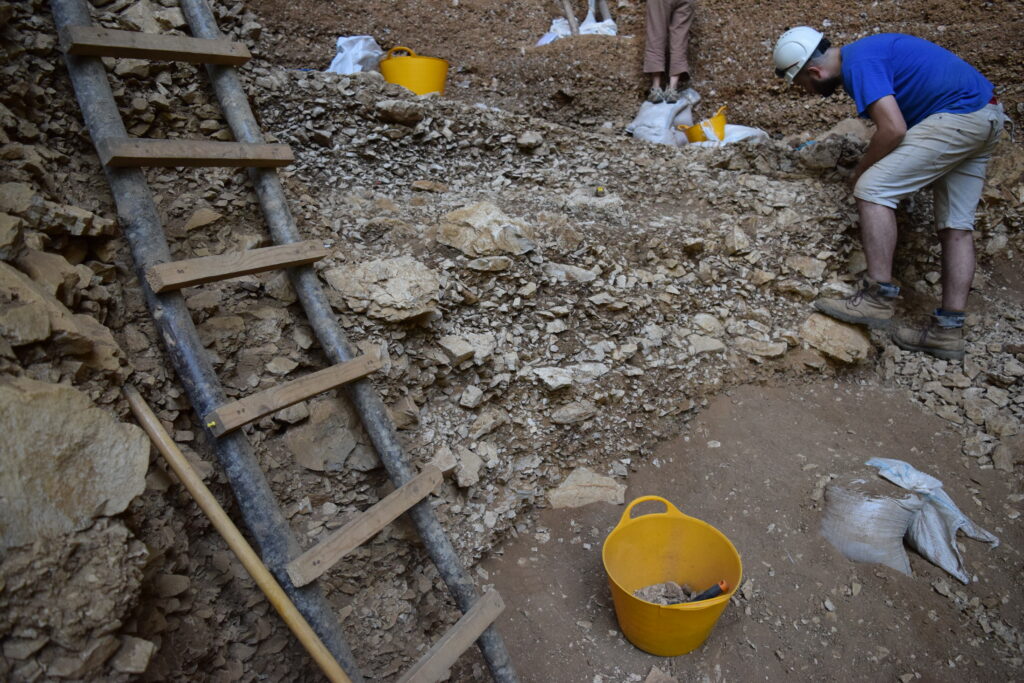
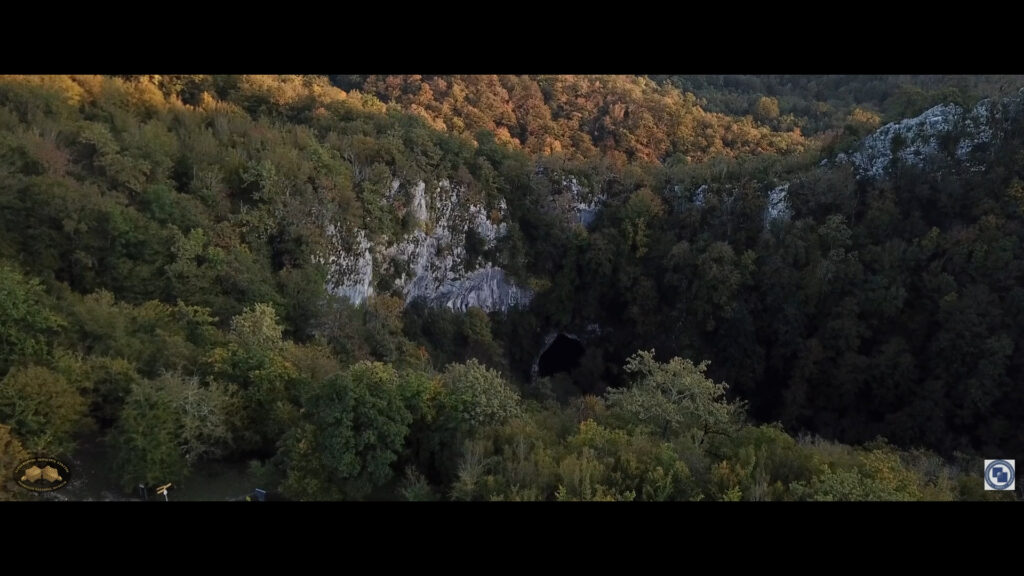
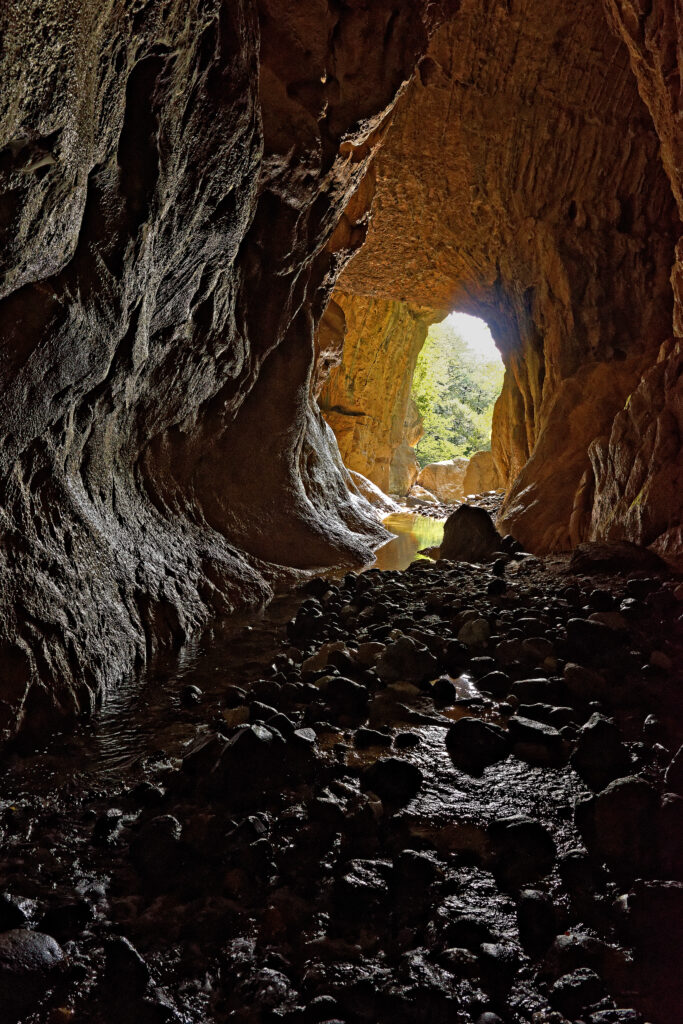
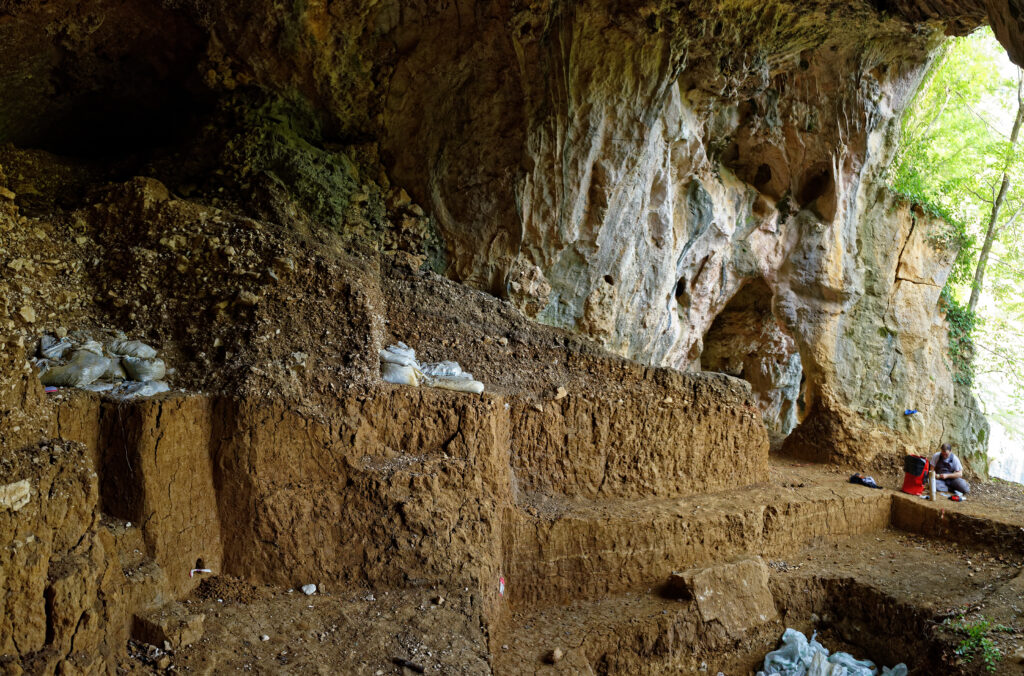
One of the largest and most mysterious cave sites in the South Caucasus is the Tsutskhvati cave complex, located in Western Georgia, 15 Km Northeast of Kutaisi, in the valley of the river Shabataghele (N 42 16.249; E 42 51.165; H 290-360 m). The Tsutskhvati karst system is comprised of many MP and UP cave sites. Archaeological excavations at Tsutskhvati were carried out in 1970-1971 and 1974-1975. Despite the archaeological excavations before 2016, the site has only been partly studied. From 2017-2020, new team leading by Nikoloz Tsikaridze expanded the chronological and theoretical research at Bronze Cave and Double Cave of the Tsutskhvati karst system through an expansion of the excavation. The research team was able to extract extensive faunal and archaeological materials and make important archaeometric analyses.
As a monument of natural and cultural heritage, the Tsutskhvati Karst System is distinguished by its diverse landscape and exotic environment, which is rich in Tertiary relicts and endemic biodiversity. Serving as a true time capsule, the system preserves distinct cultural layers and archaeological sites spanning nearly every historical period from the Middle Paleolithic to medieval times.
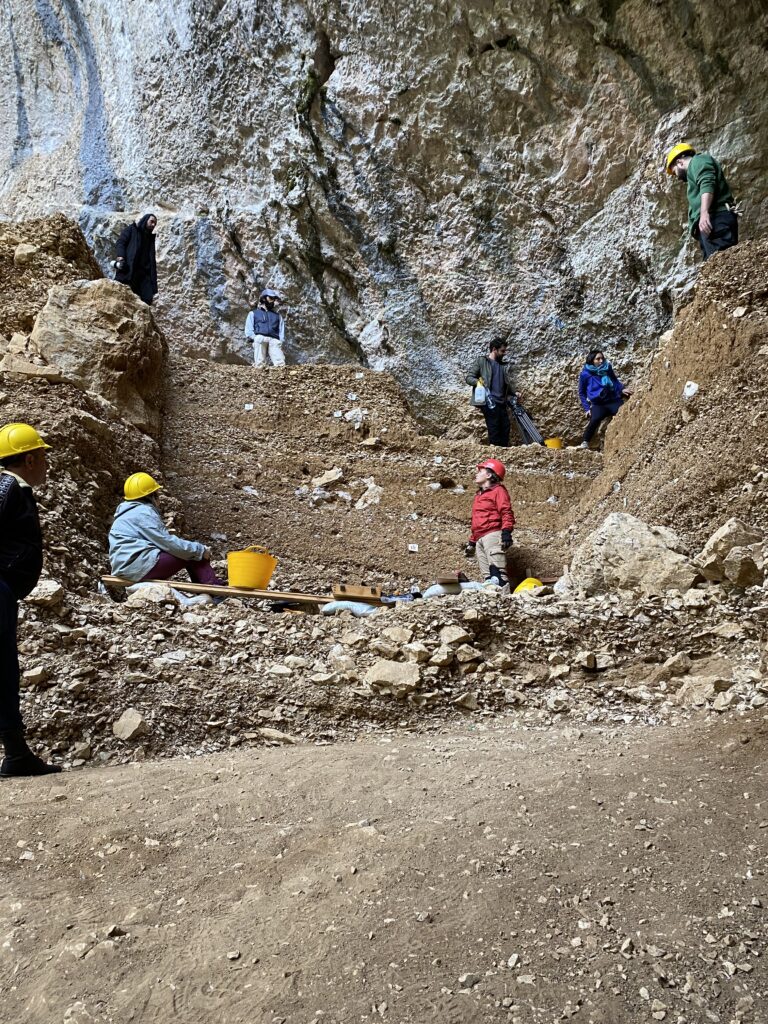
At Bronze Cave, the Upper Paleolithic layers were discovered, which were not identified previously and yielded dates ∼30 and 35 Ka, which correlate with the early phase of the Early Upper Paleolithic of Georgia (47–24 ka BP). New excavations in the Middle Paleolithic layers recovered the Neanderthal teeth, together with numerous MP lithics and fauna (Tsikaridze et al. 2025). The discovery of the first Neanderthal fossils since the 1980s opens new opportunities for the discovery of more Neanderthal fossils, as the Neanderthal fossil record in the South Caucasus is very scarce. Between 2016 and 2020, excavations at Double Cave identified sixteen layers across three excavated sectors. Layers XII-XIII represent the Middle Paleolithic layers, with Layer XII dating to 45,545–41,950 cal (Tsikaridze et al. 2025). Layer XII is dated by OSL to c. 50–60 ka. The four OSL dates from newly discovered layers XIV and XVI indicate occupations older than 70 ka in layer XIV and ca. 90 ka in layer XVI(Mgeladze et al. 2025). This chronology provides better knowledge of the later stages of the Middle Paleolithic. Between 2019 and 2023 the same team renewed excavations at Ortvala and Sakazhia caves too, which are parts of the broader research projects and initiatives such as “Pleistocene turnovers in the Caucasus: environment, hominins and cultures”
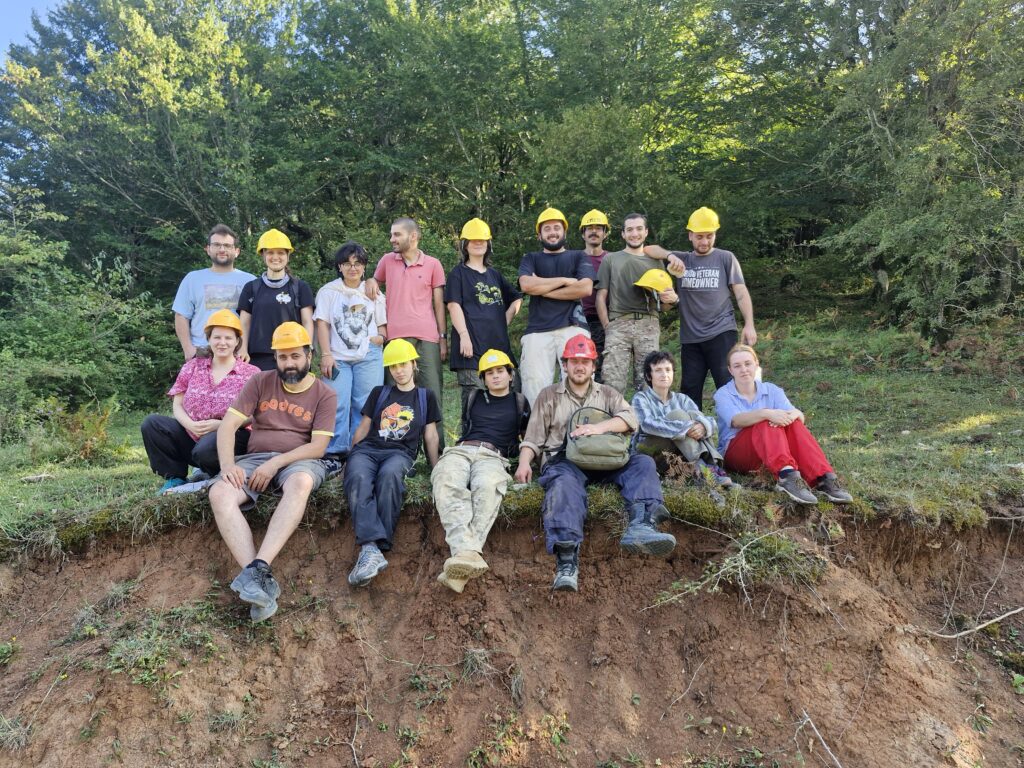
The research team at Tsutskhvati consists of leading researchers (some of them with 40 years’ experience and more than 30 published articles). This interdisciplinary group includes researchers from Georgia, France, the U.S.A., and Germany, representing institutions such as the The Caucasus Scientific-Research Institute (GEO), Ilia state University (GEO) Georgian National Museum (GEO), Free University of Tbilisi (GEO), European University (GEO), Monash University (AUS), Nazarbayev University (KZ), Muséum National d’Histoire Naturelle (FR), University of Vienna (AT), and Université Savoie Mont Blanc (FR), etc.
Most recently, our research team completed 14 projects focused on Neanderthal and modern human subsistence, paleoecology, and paleogeography around the Middle to Upper Paleolithic transition or turnover in Georgia. We have currently implemented several research projects, including projects supported by the Louis Leakey Foundation (USA), the Gerda Henkel Foundation(GER), CNRS (FR) and the Shota Rustaveli National Science Foundation(GEO). Our work at sites such as Sakazhia, the Tsutskhvati Cave complex, Ortvala cave and Tsopi cave has contributed important Neanderthal fossils and archaeological materials on Middle Paleolithic populations in the region.
References:
• Tsikaridze, N., Mgeladze, A., Aghapishvili, T., Tielidze, L., Coil, R., Chagelishvili, R., Kvavadze, E., Tskvitinidze, N., Kopaliani, G., Vanishvili, N., Dvali, G., Khachapuridze, A., Prat, S., Péan, S., Puaud, S., Bonilauri, S., Jaillet, S., Messager, E., Moncel, M., . . . Nioradze, G. (2025). Middle and early Upper Paleolithic settlement of the Georgian Caucasus: A general perspective. Quaternary Science Reviews, 368, 109556. https://doi.org/10.1016/j.quascirev.2025.109556
• Mgeladze, A., Prat, S., Aghapishvili, T., Bonilauri, S., Chagelishvili, R., Puaud, S., … Tsikaridze, N. (2026). Ormagi Ekhi (Georgia) and Middle Palaeolithic occupations in South Caucasus. Antiquity, 100(409), e1. doi:10.15184/aqy.2025.10188
Project Director:
Nikoloz Tsikaridze – For nearly 23 years, I have been involved in archaeological research and excavations in Georgia and abroad. I have worked at key sites such as Dmanisi, Tsutskhvati, Udabno, Atapuerca, Orce, and Isernia. I completed my Master’s thesis by researching Neanderthals in Sakazhia Cave and my Ph.D. by investigating the biogeography and dispersal patterns of earlier hominins. Since 2017, I have led numerous excavations (20 surveys and excavation campaigns) in the Tsutskvati Cave complex, Tsopi archaeological area, and at Sakazhia and Ortvala Caves. In addition to leading excavations and Projects, I was actively involved in the implementation of exhibitions, collection maintenance, and public talks at the Georgian National Museum (GNM). For the last three years, I served as an Assistant Professor at Ilia State University. Works co-authored and authored by me on the biogeography and ecology of early humans, and on the cultural patterns of Homo erectus and Homo neanderthalensis, were published in the high-ranking Journal of Human Evolution and Quaternary Science Reviews. Our research team brings together leading Georgian specialists and emerging scholars. Beyond academic research, we place strong emphasis on scientific communication.
Comprehensive Multi-Disciplinary Curriculum
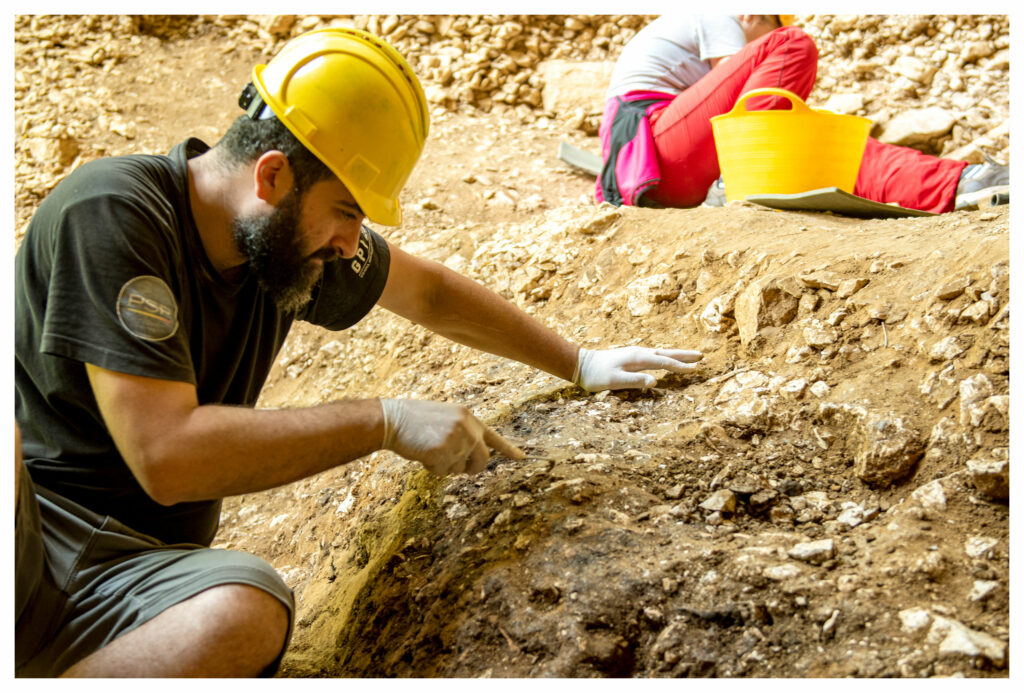
The field school at Tsutskhvati offers an immersive and hands-on training program in Stone Age archaeology, paleoanthropology, and fieldwork archaeology, with an unusual emphasis on theoretical archaeology. They will also cover topics in earth sciences (paleontology, geology, taphonomy, etc.). Students will practice in project planning, field management, archaeological survey, digital archaeology, laboratory work, and experimental archaeology. To help students, we will happily share our own books and research papers. Our goal is to teach how the real research project works.
Expected Learning Outcomes
Upon successful completion of the course, students will be able to:
• Apply foundational excavation techniques
• Demonstrate proper data recording
• Manage archaeological field projects and prepare research projects
• Compose academic research articles synthesized from fieldwork data and archaeological evidence
• Conduct scholarly literature reviews by sourcing and utilizing peer-reviewed scientific papers and academic texts.
Culture, Cuisine & Exploration
Georgian Culinary Experience: Authentic, locally sourced, most diverse Imeretian (West Georgian) cuisine, including the world-famous 8000-year-old tradition of natural, vibrant and refreshing Imeretian wines. Participants will taste traditional dishes at Sisters (Debi) in central Kutaisi, and share classic wooden platters of local food at Lia Deida (Aunt Lia) in Argveta. Participants will also try organic farm-to-table food and family-made wine at Otiastan (Otia’s Yard) in Tskaltubo, or enjoy cozy, home-style cooking and artisanal wine at Korena’s local cellar.
Excursions: Guided scientific tours to Georgia’s Cultural landmarks, Museums and Landscapes, around old capital of Georgia, Kutaisi.
We will visit:
• Upper and Middle Paleolithic sites of Sakazhia, Ortvala and Satsurblia caves
• UNESCO World Heritage Site of the medieval Gelati Monastery –a medieval complex founded in 1106 by King David IV, serving as a masterpiece of the country’s Golden Age, a major historical center for science and education
• Vani Archaeological Site and the Museum walk you through the real history behind the Golden Fleece myth
• Sataplia and Prometheus are nature reserves with stunning karst caves. Sataplia offers authentic dinosaur footprints, a forest trail, and a glass cliff skywalk. Prometheus Cave features a massive 1.4-kilometer path through colossal chambers with giant stalactites.
Around Tsutskhvati, we will organize campfires, wild swimming, and hiking gateways.
Price options:
Three-week programme: 07. Sept. 2026 – 30.Sept.2026
One person – 2350 USD (per person)
A group of three people – 1950 USD (per person)
A Group of four or more people – 1650 USD (per person)
Two-week programme: 07.Sept.2026 – 21.Sept.2026 or 14.Sept.2026 – 30.Sept.2026
One person – 1950 USD (per person)
A group of three people – 1350 USD (per person)
A Group of four or more people – 1150 USD (per person)
Period(s) of Occupation: Middle Paleolithic / Upper Paleolithic / Chalcolithic / Bronze Age / Medieval
Notes:
Field working days Monday-Friday 09:00-16:00 (1-hour lunch break 12:00-13:00). 2-3 lectures per week at 19:00. Lab work on Saturday.
APPLICATION FORM IS ATTACHED AS A FLYER!!
Price options:
Three-week programme: 07. Sept.2026 – 30.Sept.2026
One person - 2350 USD (per person)
A group of three people – 1950 USD (per person)
A Group of four or more people – 1650 USD (per person)
Two-week programme: 07.Sept.2026 – 21.Sept.2026 or 14.Sept.2026 – 30.Sept.2026
One person – 1950 USD (per person)
A group of three people – 1350 USD (per person)
A Group of four or more people – 1150 USD (per person)
Tuition covers the full cost of instruction, room & board, and transportation from Tbilisi (capital city of Georgia) or from Kutaisi, including the airport (nearest city to the field) to the dig house and back at the end of the field school.
We consider discounts for students from partner organizations
Departures from Tbilisi to the site: 07.Sept.2026; 14.Sept.2026; 21.Sept.2026 - departure time 8:00 – 18:00 (minor changes are possible in case of prior)
Departures from Kutaisi to the site: any time from Tuesday to Thursday
Those who arrive at a time other than scheduled are kindly asked to travel independently by microbus or train to Kutaisi, from where we will transport them to the site. We will gladly provide route guidance. Please note that minor schedule changes are possible if we are informed in advance.
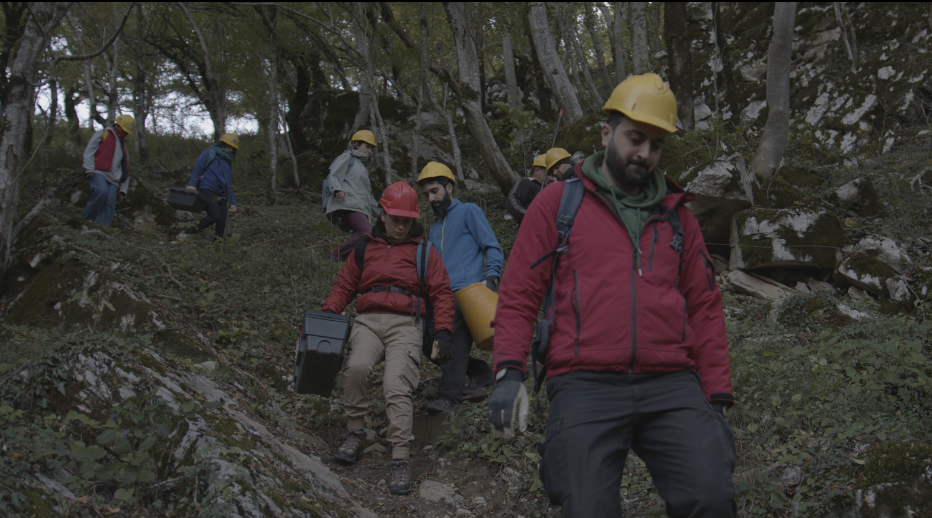
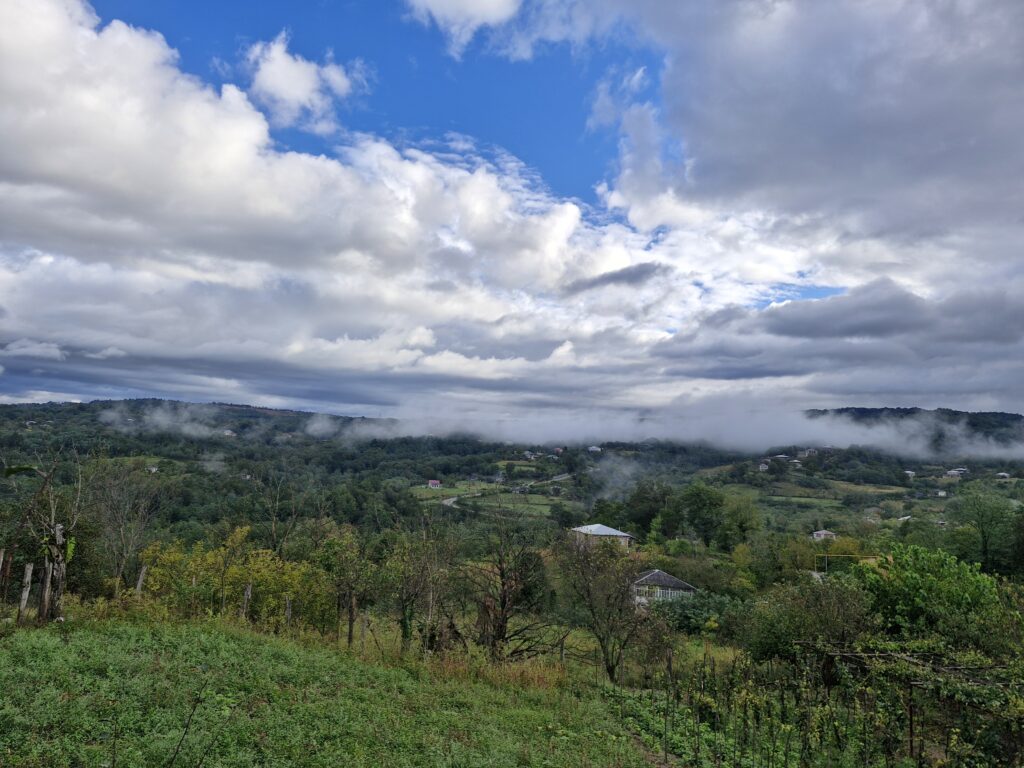
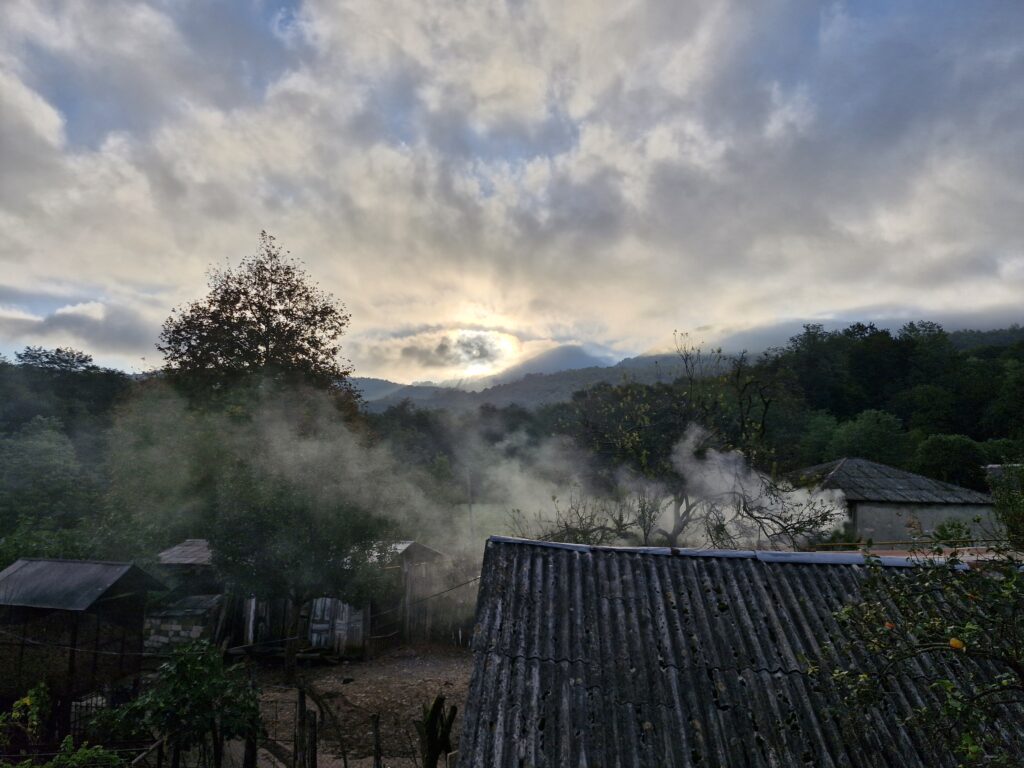
Please consider that excavations at Tsutskhvati Karst System are conducted in semi-wild conditions due to its harsh, steep, and humid environment. To reach the cave, you need to cross the steep path. However, the archaeological team is highly organized, disciplined, well-equipped, and consists of well-trained scientists, ready to overcome all kinds of difficulties. Safety measures are strictly respected. Also, the camp is accommodated in the village houses scattered near the site. Tsutskhvati village is surrounded by hiking areas, trails, and routes with forests and cliffs. Also, the region is rich with medieval and Greco-Roman period monuments and archaeological sites.
Project Size: 1-24 participants
Minimum Length of Stay for Volunteers: Two weeks
Minimum Age: 18
Experience Required: We welcome students (18+) from all backgrounds. No prior experience is required. Please consider that excavations at Tsutskhvati Karst System are conducted in semi-wild conditions due to its harsh, steep, and humid environment. To reach the cave, you need to cross the steep path. However, the archaeological team is highly organized, disciplined, well-equipped, and consists of well-trained scientists, ready to overcome all kinds of difficulties. Safety measures are strictly respected. Also, the camp is accommodated in the village houses scattered near the site. Tsutskhvati village is surrounded by hiking areas, trails, and routes with forests and cliffs. Also, the region is rich with medieval and Greco-Roman period monuments and archaeological sites.
Room and Board Arrangements:
Tuition covers the full cost of instruction, room & board, and transportation from Tbilisi (capital city of Georgia) or from Kutaisi, including the airport (nearest city to the field) to the dig house and back at the end of the field school.
We consider discounts for students from partner organizations
Departures from Tbilisi to the site: 07.Sept.2026; 14.Sept.2026; 21.Sept.2026 - departure time 8:00 – 18:00 (minor changes are possible in case of prior)
Departures from Kutaisi to the site: any time from Tuesday to Thursday
Those who arrive at a time other than scheduled are kindly asked to travel independently by microbus or train to Kutaisi, from where we will transport them to the site. We will gladly provide route guidance. Please note that minor schedule changes are possible if we are informed in advance.
Participants will stay in ordinary, modest village houses with shared bedrooms for 2 to 4 people. The house has a shared bathroom, a washing machine, and internet access. We provide bedsheets, so you do not need a sleeping bag, but you can bring one if you prefer. The field school provides breakfast, lunch, and dinner. You will enjoy local dishes, fresh fruits, vegetables, and various drinks, including delicious Georgian wine. We can easily accommodate dietary restrictions like vegetarian or vegan meals. Please just let us know what you need in advance.
Due to high demand, the size of the dig houses and following the 2025 Neanderthal tooth discovery, spots are limited.
Price options:
Three-week programme: 07. Sept.2026 – 30.Sept.2026
One person - 2350 USD (per person)
A group of three people – 1950 USD (per person)
A Group of four or more people – 1650 USD (per person)
Two-week programme: 07. Sept.2026 – 21.Sept.2026 or 14.Sept.2026 – 30.Sept.2026
One person – 1950 USD (per person)
A group of three people – 1350 USD (per person)
A Group of four or more people – 1150 USD (per person)
Academic Credit:
No Academic Credits