Location: Flagstaff, AZ, USA
Season: February 8, 2027 to August 23, 2027
Session Dates: Session I: Feb 8-12, 2027; Session II: Mar 29 – Apr 2, 2027; Session III: Aug 23-27, 2027
Application Deadline: August 23, 2027
Deadline Type: Rolling
Website: https://anthroctr.org/program/2027-usaz-gis/
Discount for AIA members: None
Program Type:
Field School
RPA Certified:
No
Affiliation:
Northern Arizona University & Anthropocene Research Center
Project Director:
Dr. Kayeleigh Sharp, RPA & Researcher at the Radiant Center for Remote Sensing at Northen Arizona University
Project Description:
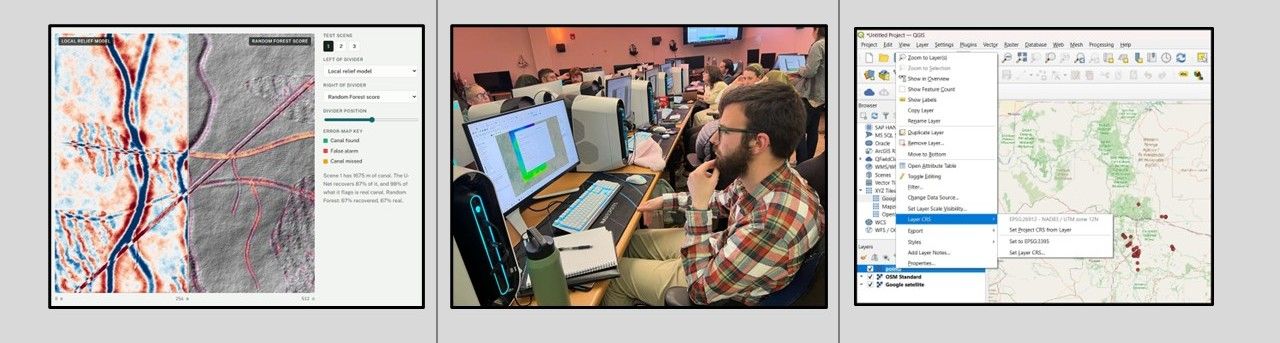
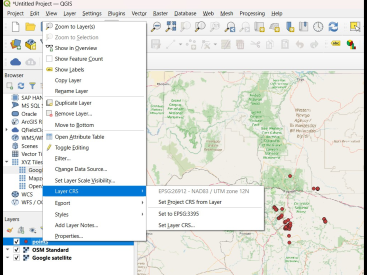
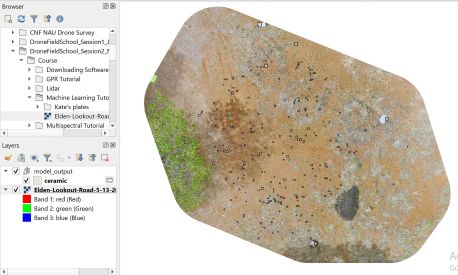
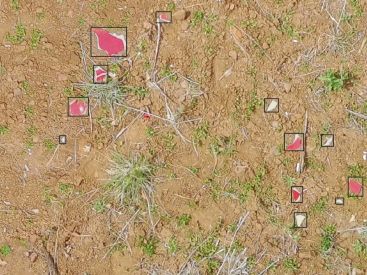
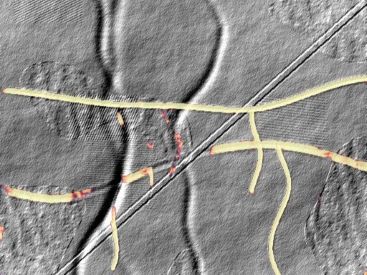
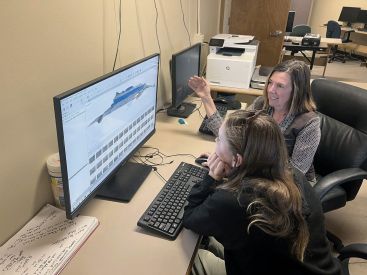
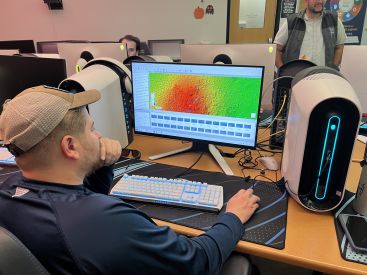
This course provides intensive training to prepare and implement geographic information systems (GIS) and spatial statistics analyses for archaeologists working in cultural resource and/or heritage management. No prior GIS or programming experience is required. Using hands-on training for both beginner and advanced users, this course includes an optional bootcamp module to develop or refresh GIS skills to complete the course. This intensive, one-week training session condenses a mid-level spatial archaeology curriculum into five full days of lectures, and guided labs, from classic settlement pattern studies to LiDAR, 3D GIS, and GeoAI.
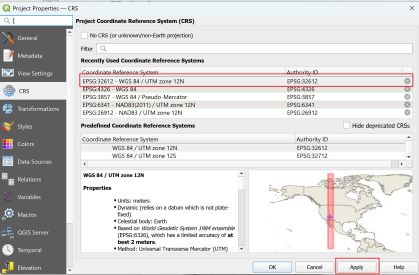
It is advised that participants who are new to ArcGIS or QGIS take advantage of the asynchronous bootcamp to get familiar with the nuances of these widely used software packages. During the 1-week intensive session, you will learn to collect, manage, and analyze spatial data in both ArcGIS and QGIS, applying exploratory as well as inferential spatial statistics that are most useful for archaeologists, from examination of intrasite variation to landscape-level feature detection, using machine learning and AI. Guided labs will use original datasets to contribute to original research along the Colorado Plateau (Arizona, USA) and the Pacific Coast.
During this intensive 5-day session, participants will explore a range of techniques most suitable for archaeological reporting and analysis. The course also addresses responsible practices, from protecting confidential site locations, working with Tribal and community data under FAIR and CARE principles, to recognizing the limits and practical advantages of contemporary GIS tools, as well as reporting regulations. This course is designed for heritage management and archaeology professionals and students who want to make their geographical spatial data speak.
Period(s) of Occupation: All periods
Notes:
Tuition is $1,575; Earn 2 Semester Credit Units through our School of Record – Culver Stockton College
Project Size: 1-24 participants
Minimum Length of Stay for Volunteers: Full session
Minimum Age: 18 years old
Experience Required: None. This is a hands-on, experiential learning opportunity and students will learn how GIS and spatial analysis are applied to archaeological research under the direction of specialists in the field. No prior GIS or programming experience is required; participants with GIS experience will be offered advanced extension exercises. Students are required to come equipped with sufficient excitement and curiosity. The work requires patience, discipline, and attention to detail.
Room and Board Arrangements:
This program does not provide room or board. Flagstaff is a major tourist destination with a wide variety of restaurants and grocery stores catering for every taste and budget. There are many accommodations options – from short term room sharing rentals (Airbnb, etc) to boutique hotels – in a wide range of prices.
Academic Credit:
2 Semester Credit Units through our School of Record – Culver Stockton College
Dorian Chee
5335 W Adamas Blvd Suite 106
Los Angeles
California
90016
U.S.
Phone: (323) 740-1805