November 13, 2026
by Adriana Leite
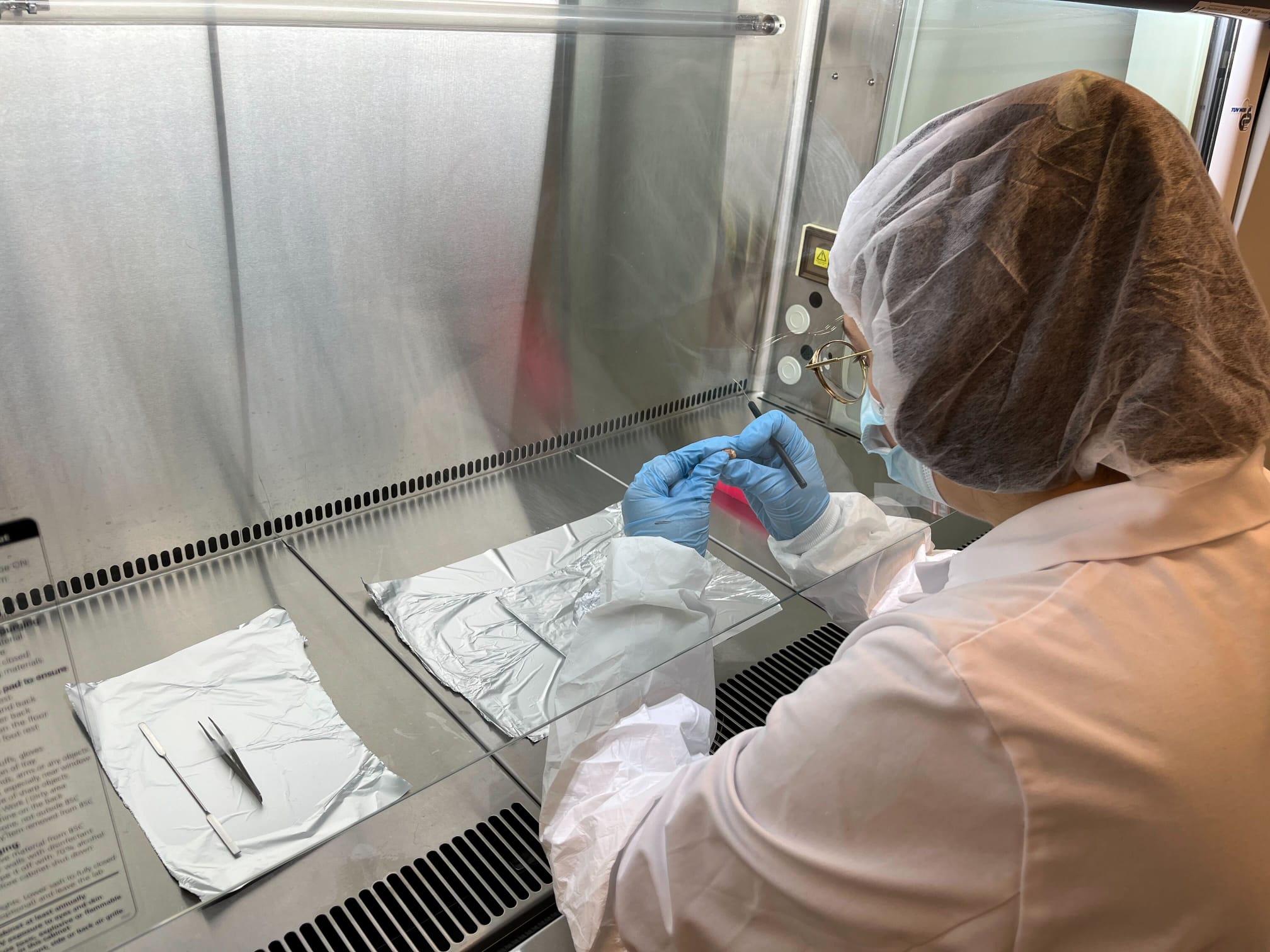
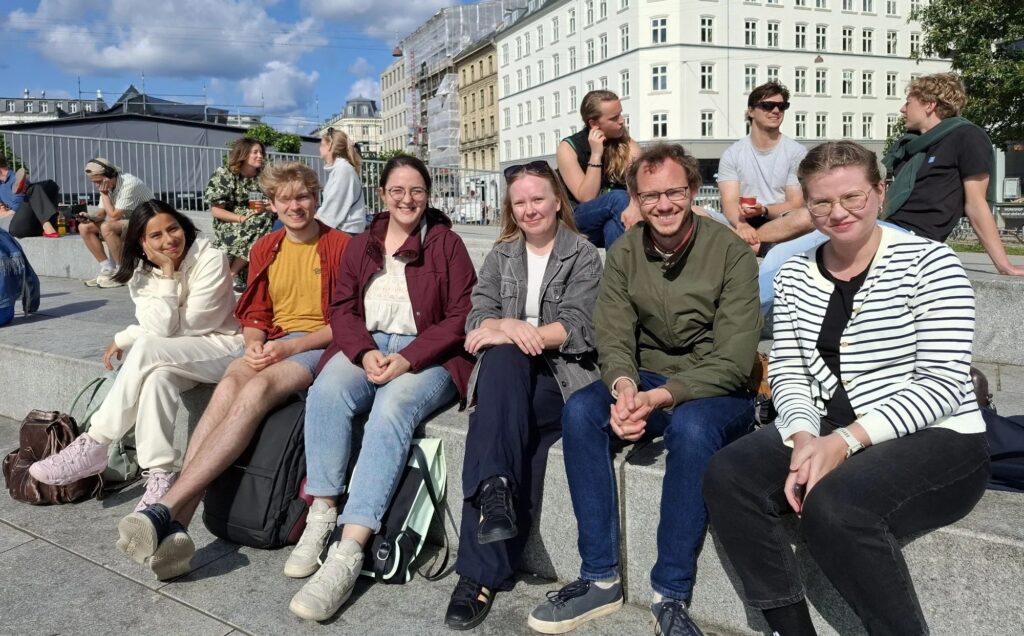
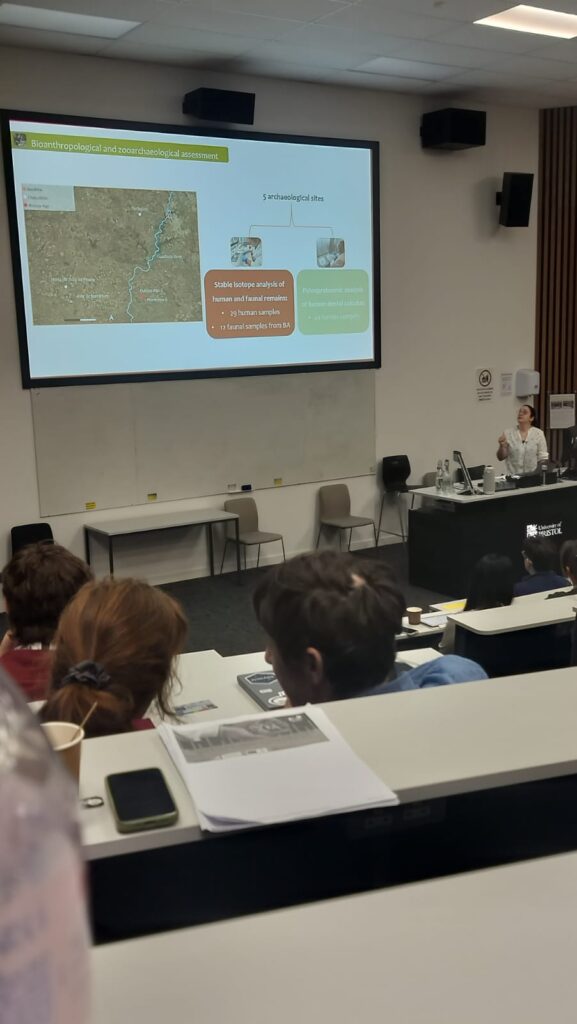
With the support of the Archaeology of Portugal Fellowship, Adriana Leite conducted palaeoproteomic research at the Globe Institute at the University of Copenhagen as part of her “HIDDEN MILK” project, investigating dairy consumption in Late Prehistoric communities in Southern Portugal. Below, Adriana shares how ancient dental calculus and biomolecular analysis are helping uncover the role of dairy in prehistoric diets and what this research reveals about the evolution of foodways in the region.
The Archaeology of Portugal Fellowship supported my research stay at the Globe Institute at the University of Copenhagen, where I carried out the palaeoproteomic analysis for HIDDEN MILK, a research project investigating dairy consumption in Late Prehistoric (4th to 2nd millennium BC) communities in Southern Iberia.
During my stay, ancient human dental calculus samples from selected archaeological sites from the Alentejo region (Southern Portugal) were processed and analysed by liquid chromatography–tandem mass spectrometry (LC-MS/MS). The results are currently being integrated with different strands of evidence, including stable isotope analyses of human and animal remains, zooarchaeological and archaeological data, to explore the role of dairy products within broader dietary systems and examine how foodways evolved over time. These findings will be presented in a forthcoming paper, with submission to an international peer-reviewed journal planned soon.
An additional outcome of the research stay was the publication of “Beyond dairy: Identification of dental enamel proteins in ancient human dental calculus” (DOI: 10.1016/j.jasrep.2026.106138) in Journal of Archaeological Science: Reports. Through our reanalysis of 499 ancient dental calculus proteomes from 14 published studies, we identified dental enamel proteins, including amelogenin, ameloblastin, enamelin, MMP20, COL17A1 and CATC. The identification of AMELX and AMELY peptides in calculus also demonstrates that enamel proteins preserved in this matrix may provide complementary information for biological sex estimation and may be relevant to in the future target with palaeoproteomic methods developed for dental enamel proteins, in parallel with other study aims. This work broadens the scope of dental calculus beyond diet and oral microbiome, highlighting the potential of reusing existing datasets to explore new research avenues.
The fellowship has been instrumental in advancing my doctoral research at ICArEHB, University of Algarve, combining palaeoproteomic and multi-proxy stable isotope analyses of human and animal remains to explore diet, dairying and animal exploitation strategies. The stay also allowed me to further develop my laboratory and bioinformatic skills within the Welker Group and pursue new lines of research, which led to the aforementioned publication. These experiences have contributed to my training in biomolecular archaeology and strengthened collaborations with international and national research institutions, archaeological companies and museums.
The Archaeology of Portugal Fellowship supports research and study related to the archaeology of Portugal, including the Autonomous Regions of the Azores and Madeira. Funding may be used for excavations, research projects, colloquia, symposia, publications, and travel for research or academic meetings to present papers on Portuguese archaeology.
The fellowship also supports Portuguese nationals, including archaeologists and archaeology graduate students, conducting research or study in the United States. These applicants may pursue any archaeological region or topic, not limited to Portuguese archaeology. The application deadline is November 1, 2027. Learn more and apply.