April 3, 2026
by Kevin Ennis
One of our 2025 Julie Herzig Desnick Endowment for Archaeological Field Survey Grant recipients, Kevin Ennis, provides us with an update:
Project Overview
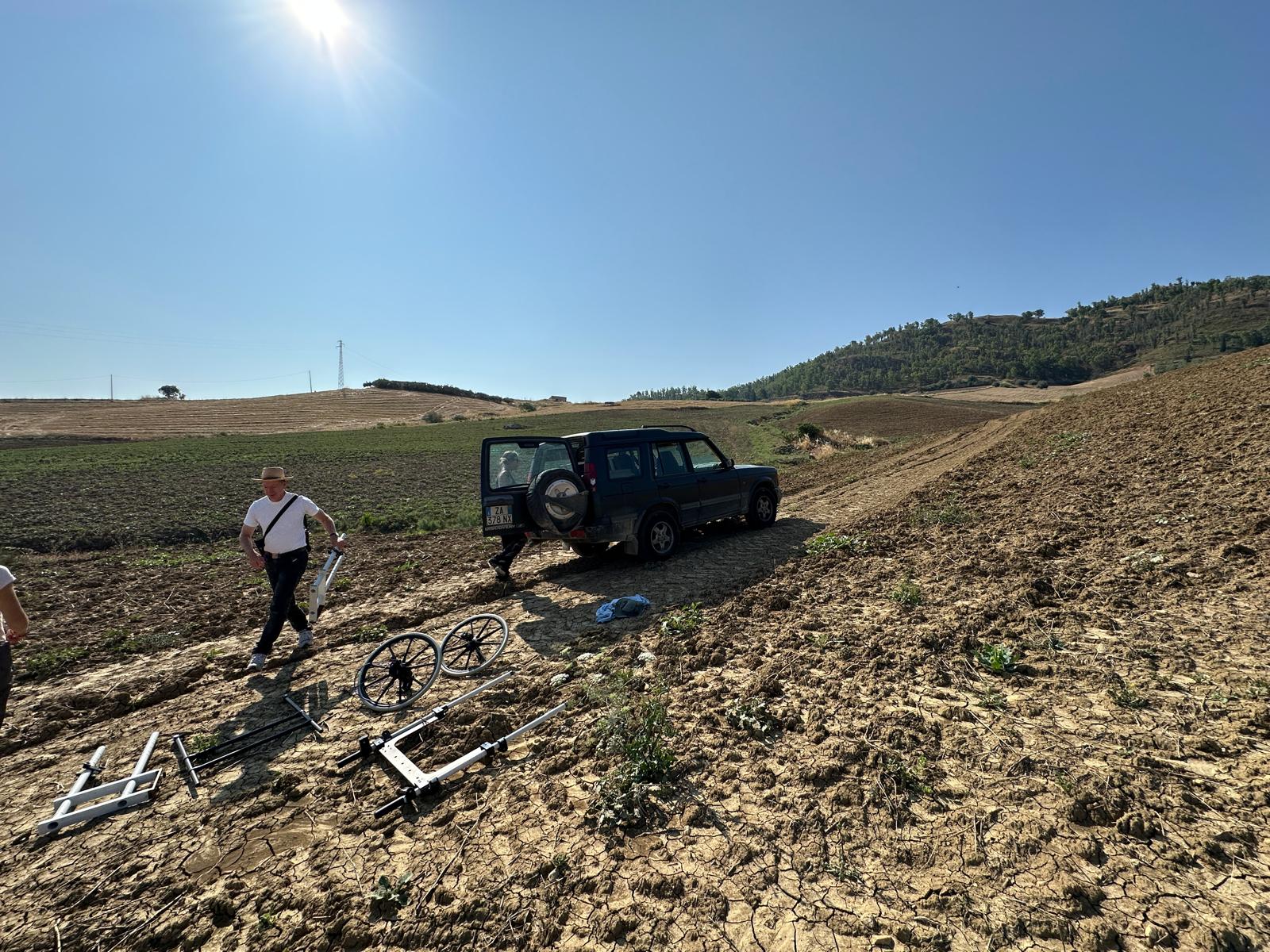
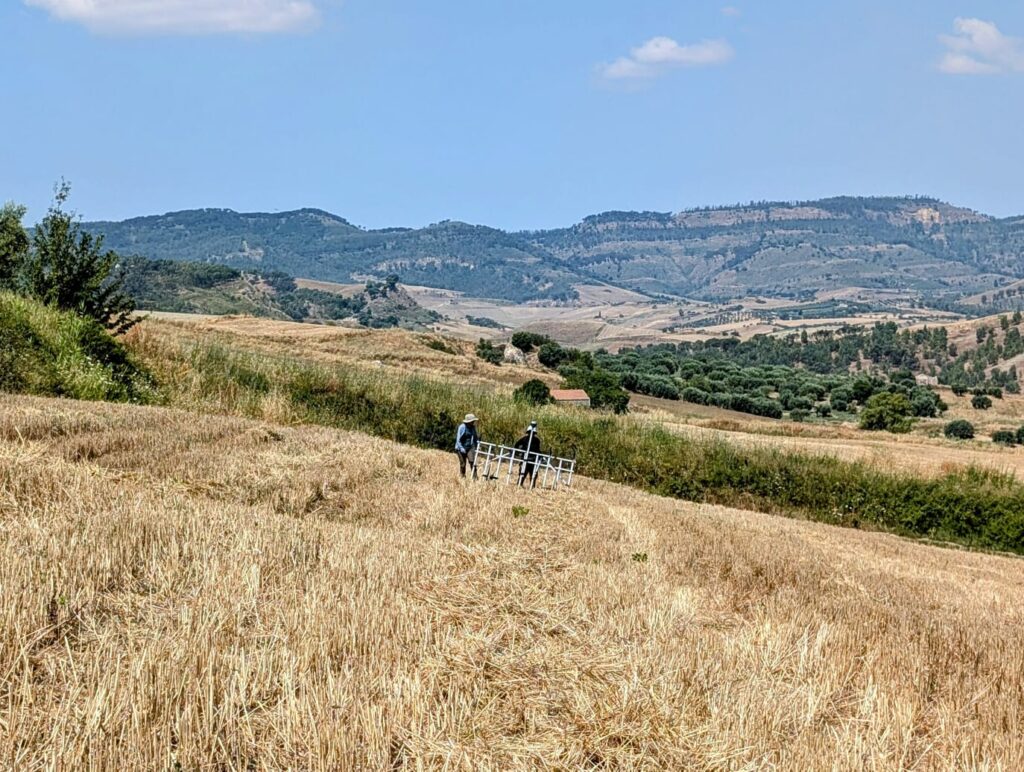
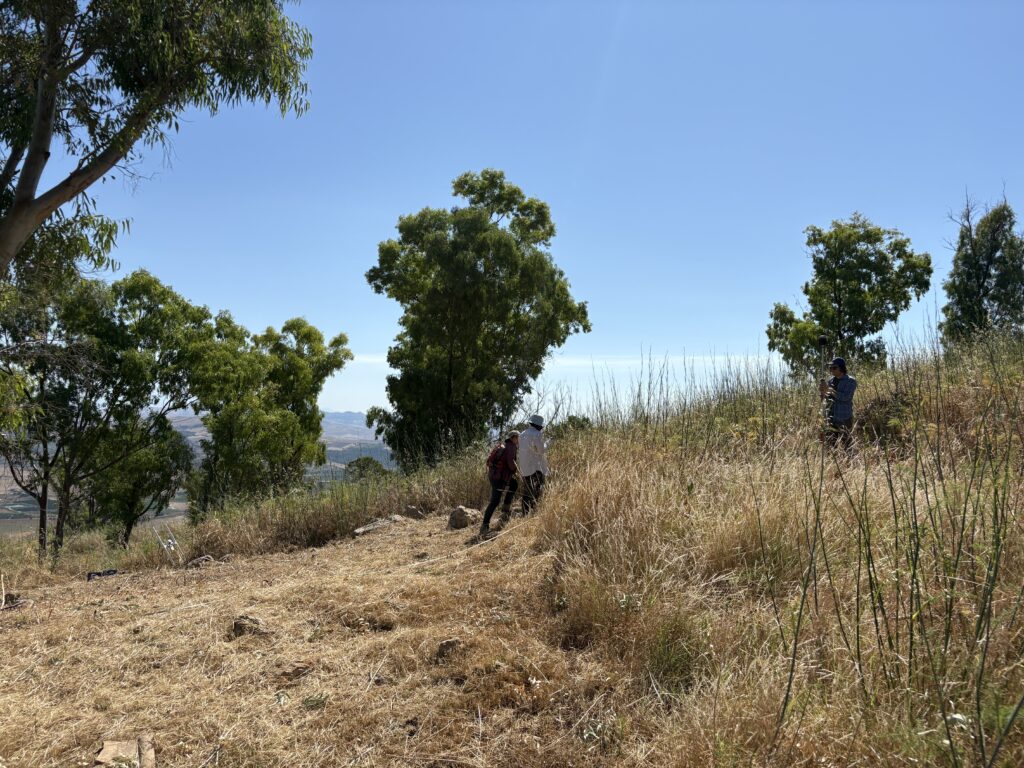
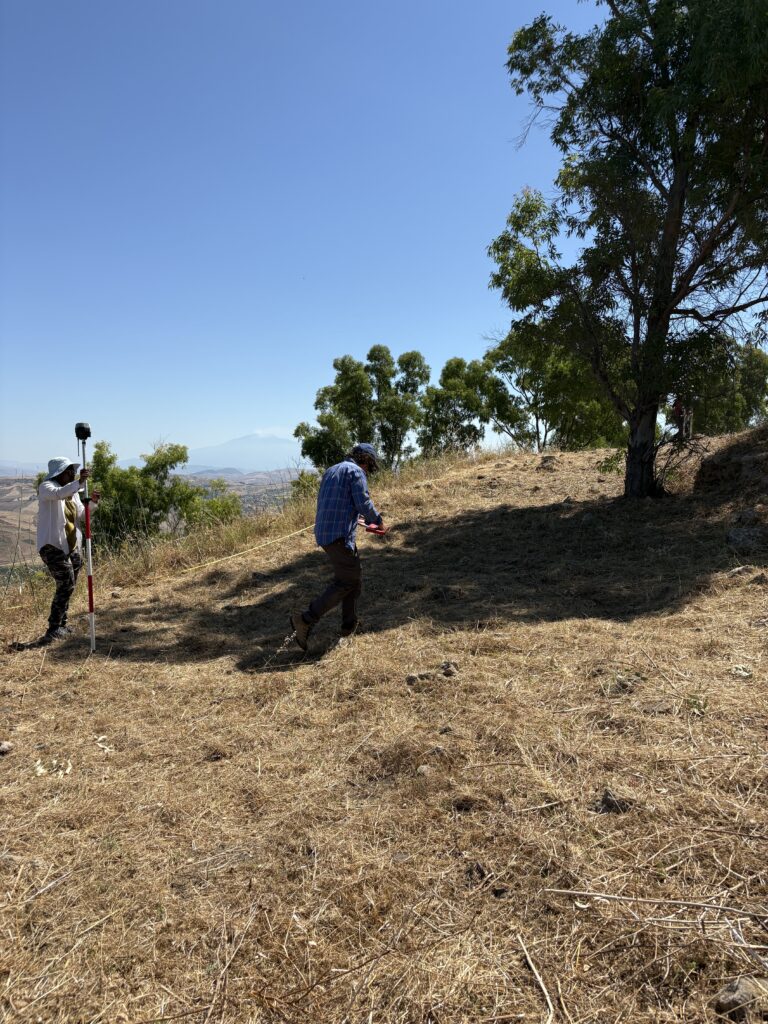
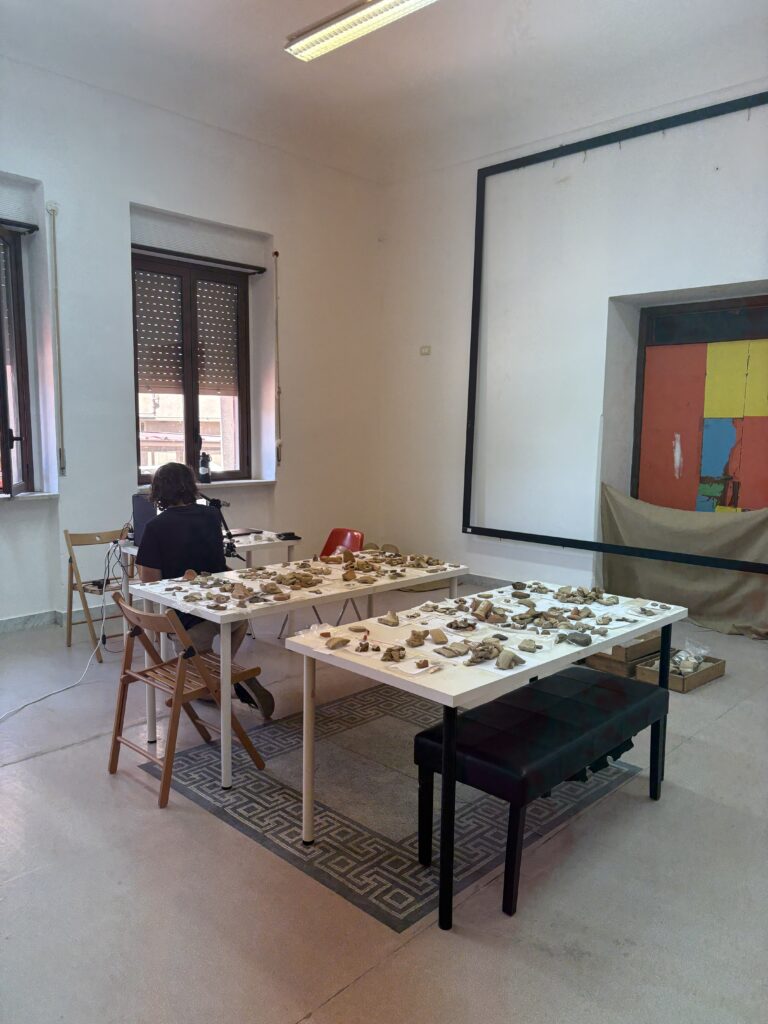
The Khora of Archaic Morgantina Project (KAMP) is investigating the social and economic lives of rural communities and their relationships to the urban center of Morgantina during the colonization of Archaic (600-480 BCE) Sicily. In our inaugural 2025 season, KAMP conducted a magnetometry campaign exploring several sites beyond Morgantina’s urban core, including a flat-topped ridge located 0.5 km from the city center, previously identified through terrestrial survey in the 1990s. Alongside geophysical prospection, KAMP also reanalyzed all sherds and artifacts collected by the survey at this rural site.
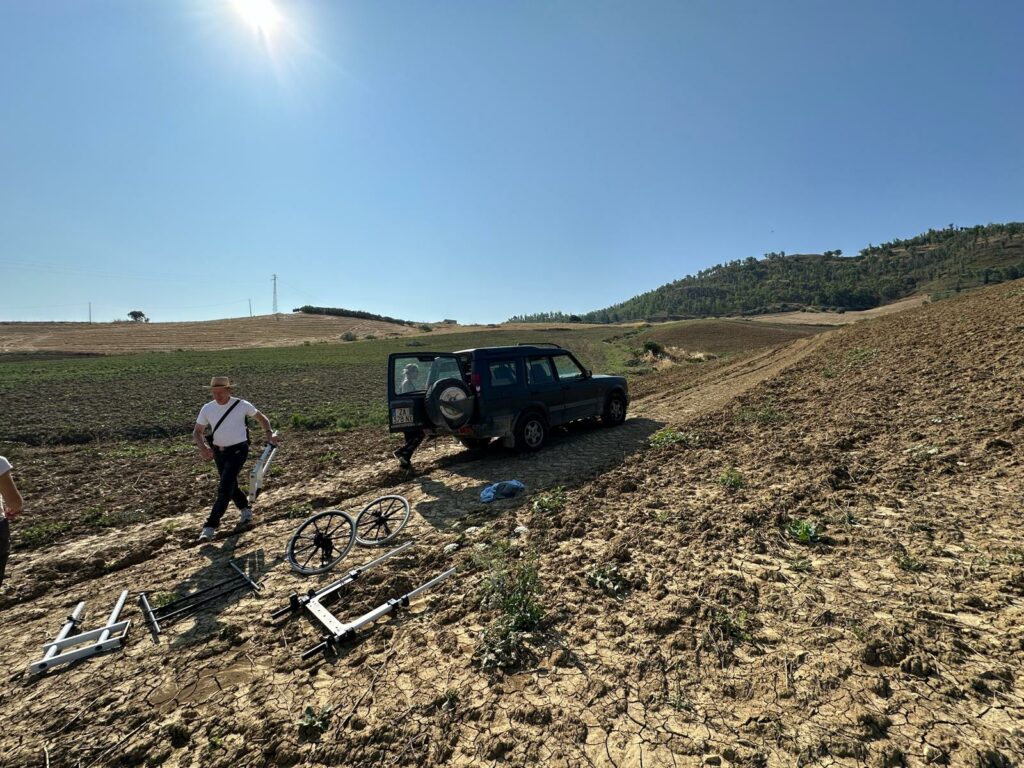
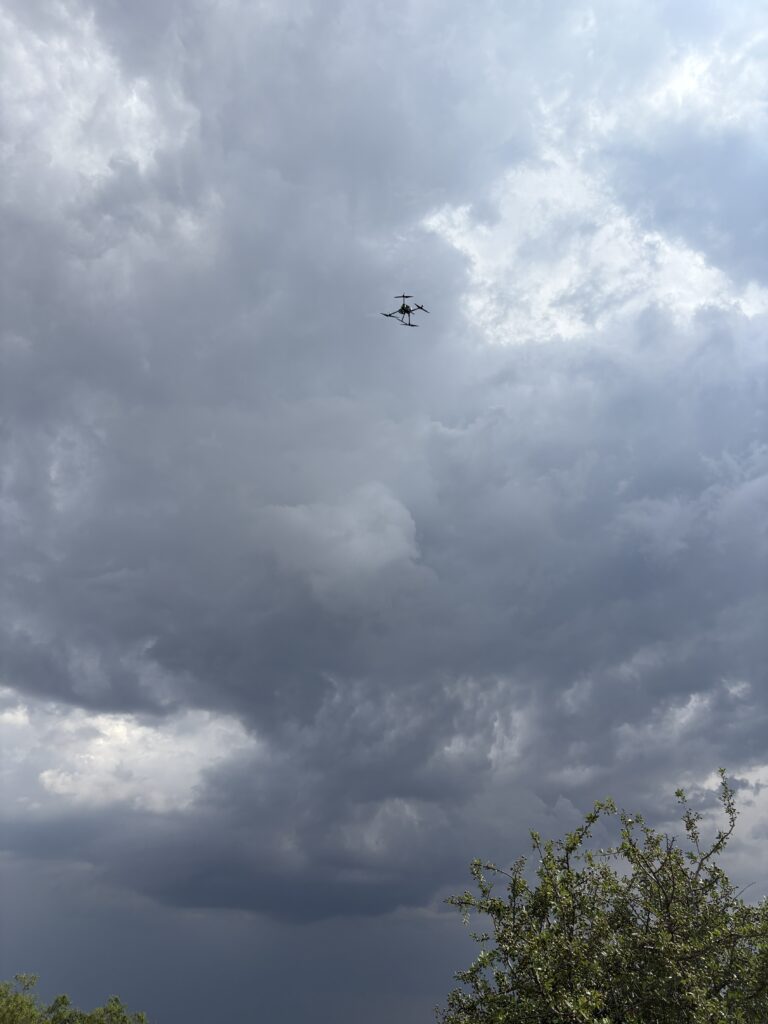
Our magnetometry campaign partnered with scholars associated with the University of the Pennsylvania and the Center for the Analysis of Archaeological Materials. The survey found several previously unknown subsurface anomalies on the peripheries of the Archaic city, revealing the presence of multiple distinct types of architecture in various suburban zones. Subsurface prospection at our rural site also revealed several anomalies, including a 10 x 7 m structure and an associated circular burned feature.
These results are currently being combined with the close reanalysis of the ceramic evidence from this rural site. Thus far, our analysis confirms the initial survey’s conclusion about the predominance of Archaic ceramics at this site, but it has also revealed the presence of a later Roman Imperial component as well. The Archaic ceramic assemblage documents an array of activities, including evidence for cooking indicative of habitation, as well as a surprisingly high percentage of imports related to feasting which parallel the ceramics recovered in Morgantina’s Archaic necropoleis.
Altogether, our findings suggest that this rural site was occupied, either on a seasonal or permanent basis, during the late sixth and early fifth centuries, and served as an important node in the riverine networks connecting this inland city to the eastern coast of the island. Our study therefore provides vital new evidence for the lived experience of Archaic rural populations and elucidates the central role these communities played in the formation of networks that entangled peoples and identities in a pivotal moment of Sicilian history. Next summer, we aim to continue this work with another campaign of subsurface prospection at several other rural sites.