February 23, 2026
by Rachel Horowitz
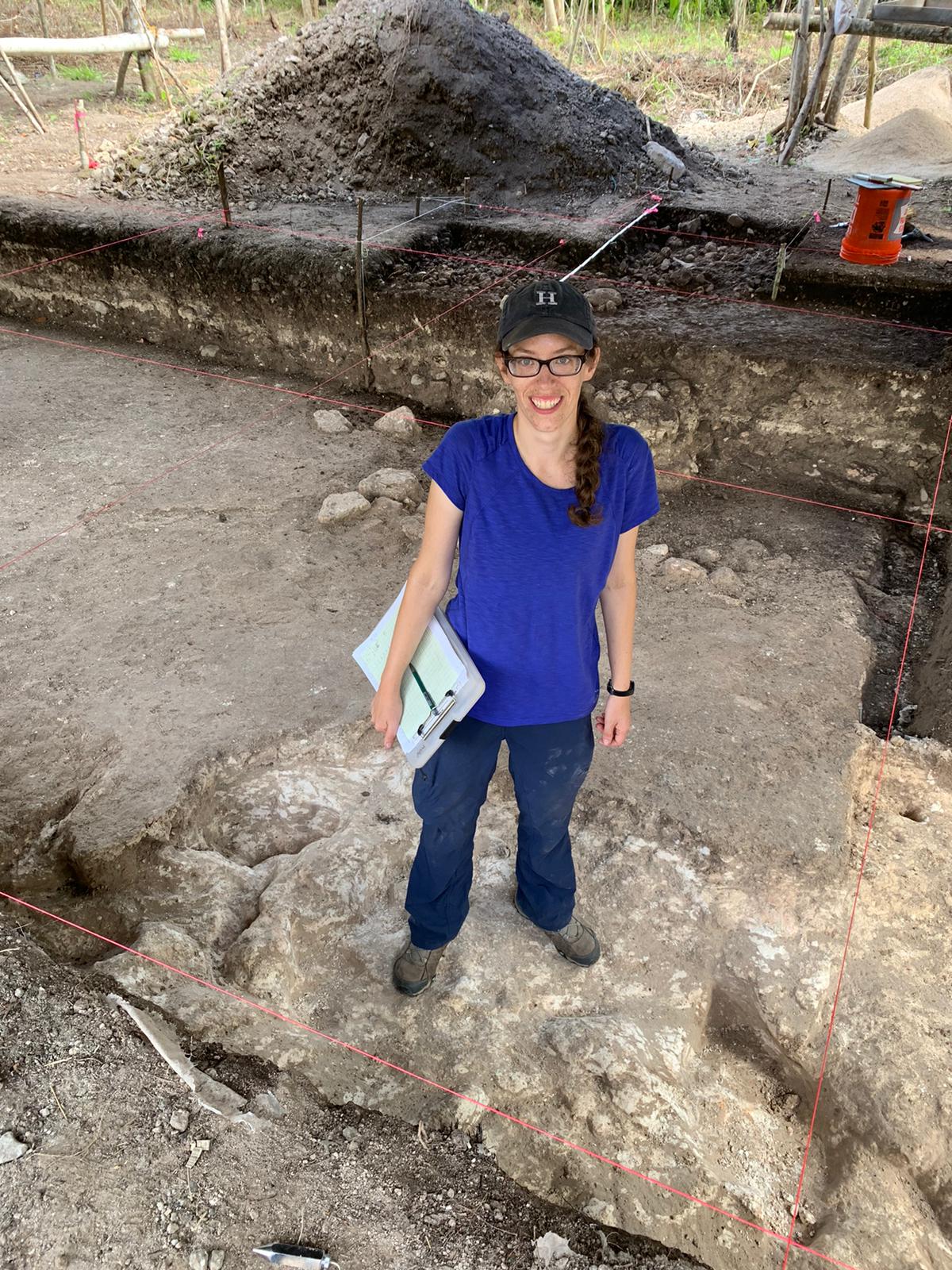
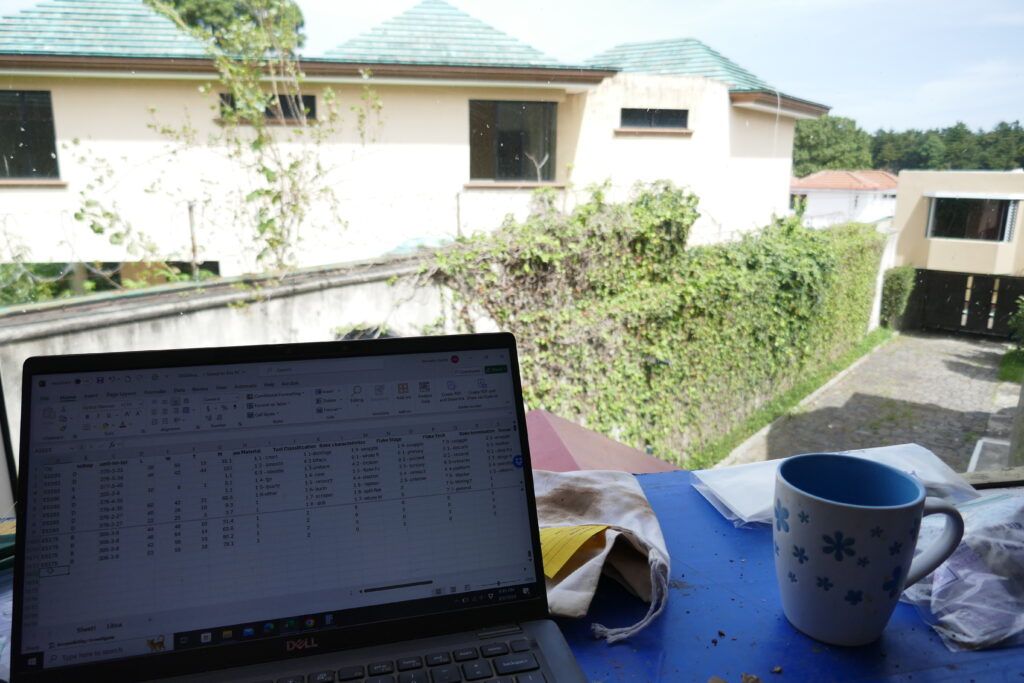
One of our 2025 Kathleen and David Boochever Endowment Grant recipients, Rachel Horowitz, provides us with an update:
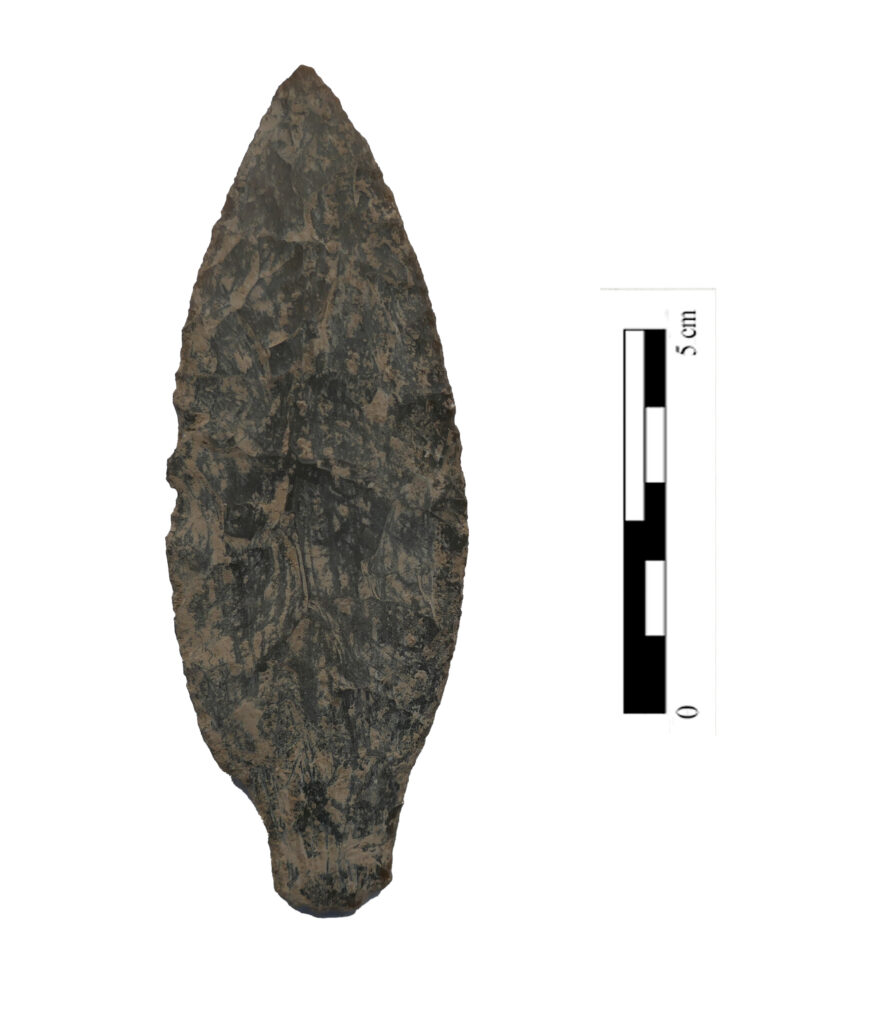
With support from the Kathleen and David Boochever Endowment Fund for Fieldwork and Scientific Analyses, I conducted research to understand how lithic, or stone tool, resources circulated through economies for the Classic period Maya. Understanding past economies can help us to contextualize our current economic context and see how people of different socio-economic classes interact.
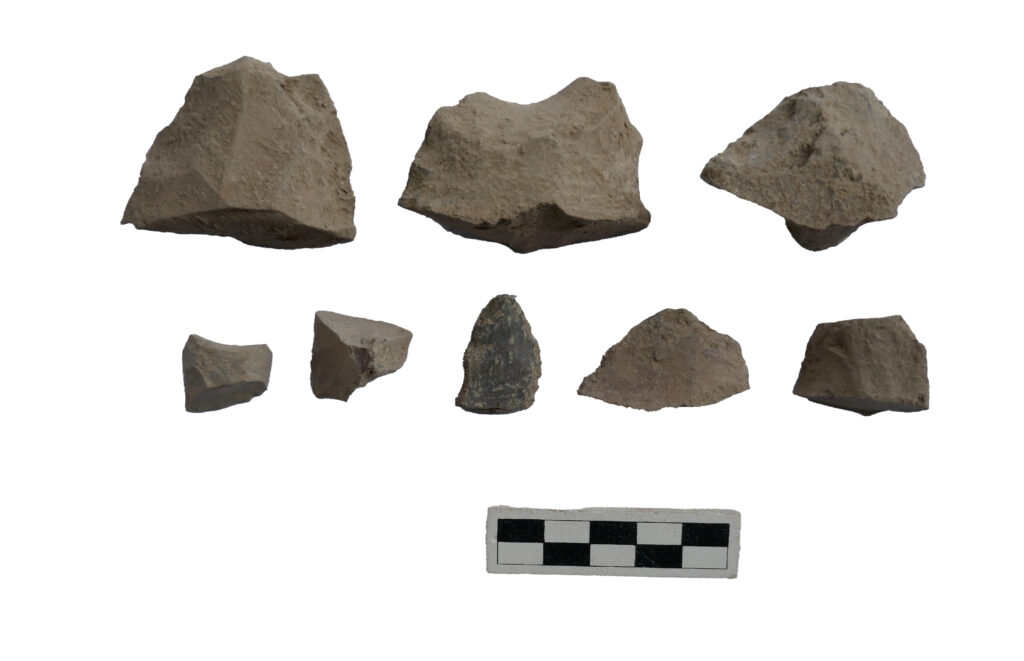
I conducted in-depth analysis of tools and the waste from making stone tools, called debitage, from the Classic period Maya site of El Perú-Waka’, located in modern-day Guatemala. Waka’ is one of the most densely settled Classic period Maya sites and obtaining information on how Waka’ residents made and obtained their tools is important for understanding how past economies functioned. These analyses indicate that people obtained their stone tools from specialized tool producers. Most residents did make some of their own tools, but mostly those which required relatively little skill to make. The location of the tool production locations is still unknown, but the data available indicate that there was a specialized stone tool production area somewhere at the site.
To understand how people acquired their tools and provide more information on the circulation of stone tools in the region, we also performed geochemical sourcing of the stone. Chert, the most common raw material used in the region, has been successfully sourced from archaeological sites to the source of the stone raw material in other regions, but no previous studies had been performed in the Peten, the region where Waka’ is located. I submitted samples of what we thought were local and non-local materials from the site to be chemically characterized. While we are still working through this data (due to some delays in the instrument that determines their chemical composition), preliminary data analyses indicate that the materials that we thought were local and non-local are chemically distinct. As they are chemically distinct, we will be able to determine which artifacts are made of local and non-local material. By tracing these different artifacts, we will be able to discern if they circulated through the same or different economic mechanisms. Previous studies have indicated that Waka’ had a market-based economic system, and these data will allow discussions of whether stone tools also circulated through such an economic system.
In the long term, these data will provide information on how people acquired the raw material to make the tools both for Waka’ and in the broader region. The geochemical sourcing has laid a foundation for a broader comparative study on stone tool circulation in the region, which will change the ways in which we understand how stone tools circulated among the Classic period Maya. Given that no previous sourcing work has been conducted for chert in the region, this study is ground breaking in showing that such techniques are applicable, and also in terms of the detailed information that such studies will be able to communicate about how stone tool raw materials and finished products circulated among the Classic period Maya.