Location: Province of Lecce, Italy
Season: September 27, 2026 to October 10, 2026
Application Deadline: August 7, 2026
Deadline Type: Rolling
Website: https://anthroctr.org/program/2026-italy-roca-vecchia-lab/
Discount for AIA members: None
Program Type:
Field School
RPA Certified:
No
Affiliation:
Università del Salento (Italy) & Anthropocene Research Center (US)
Project Director:
Prof. Teodoro Scarano (University of Salento, Italy)
Project Description:
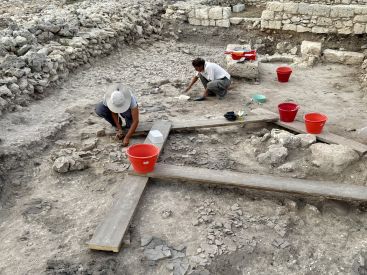
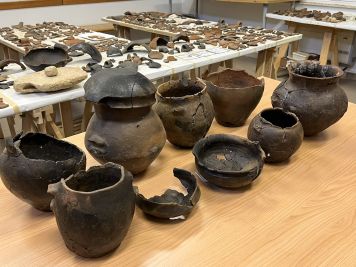
During the final week of the 2025 season at Roca Vecchia, excavations led to the unexpected discovery of an oval-shaped structure at the western end of the site. At the time of its destruction by fire—likely during the second half of the 12th century BCE—the structure was filled with pottery, offering an exceptional archaeological context.
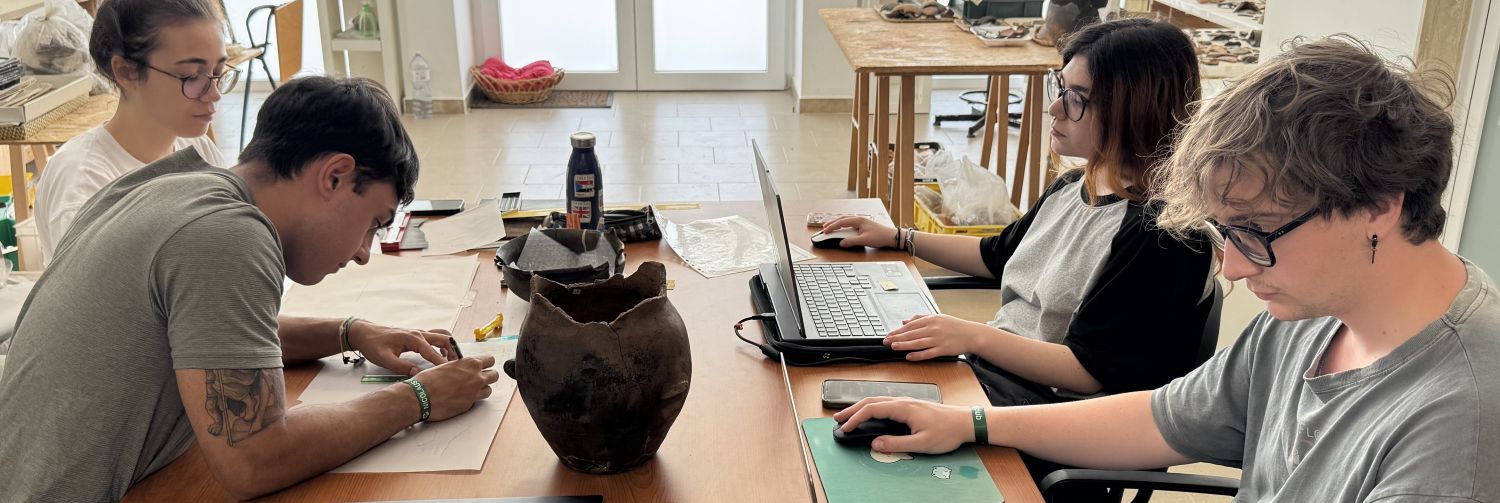
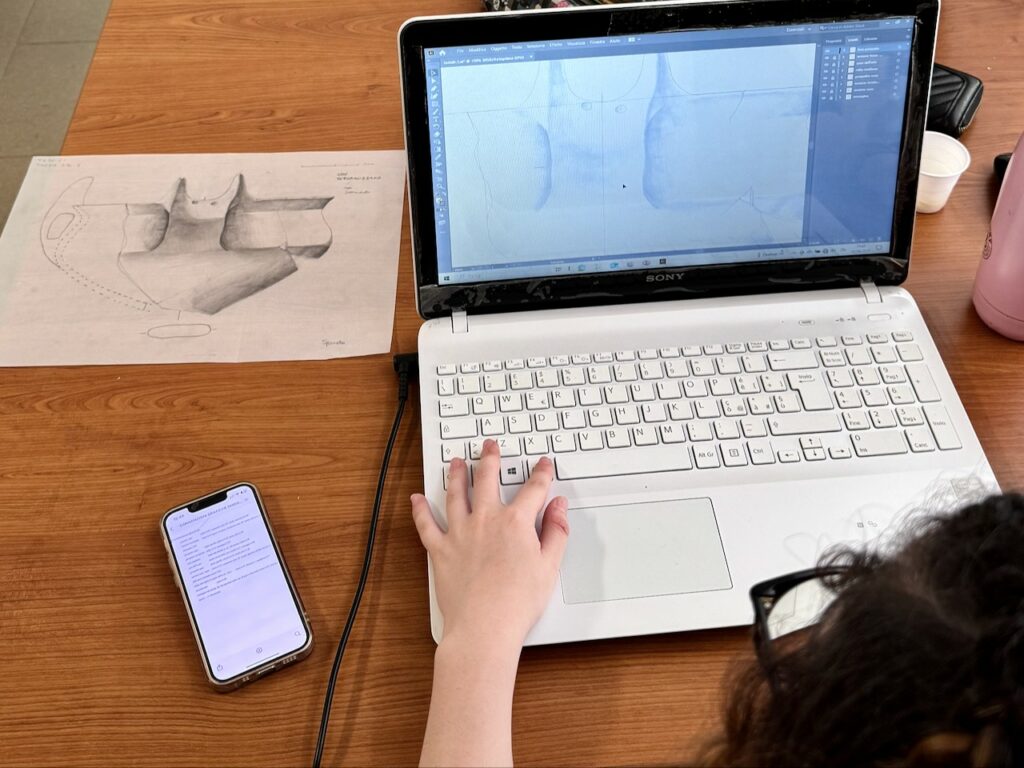
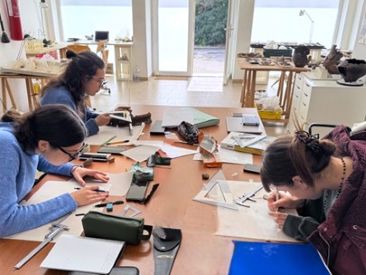
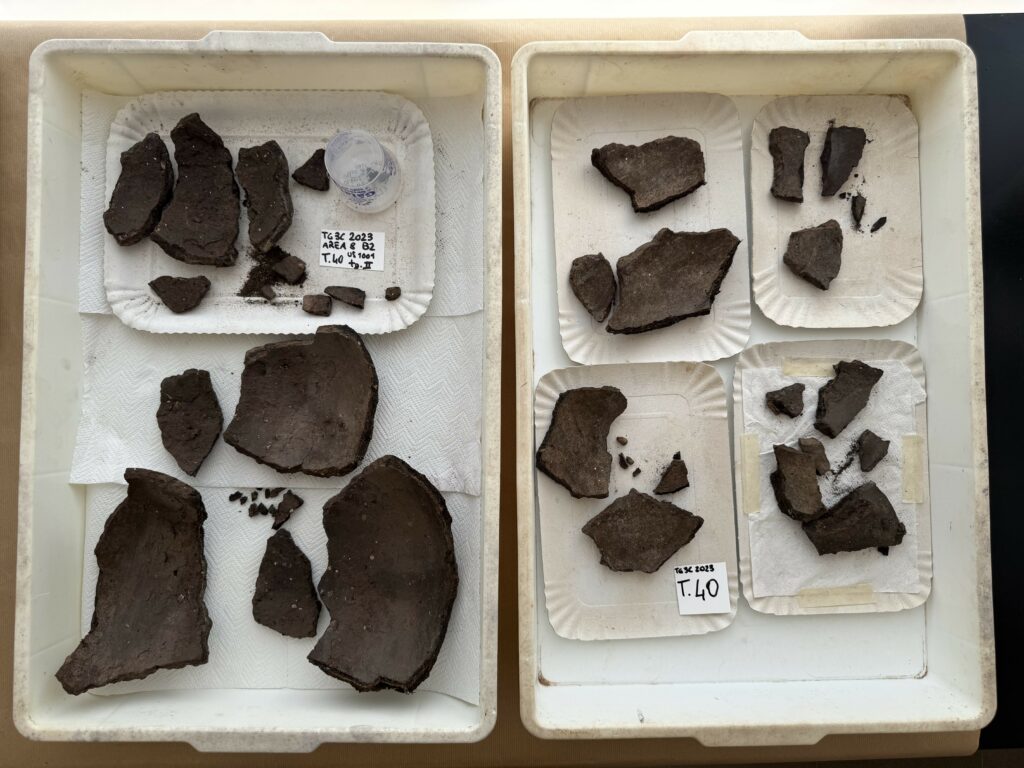
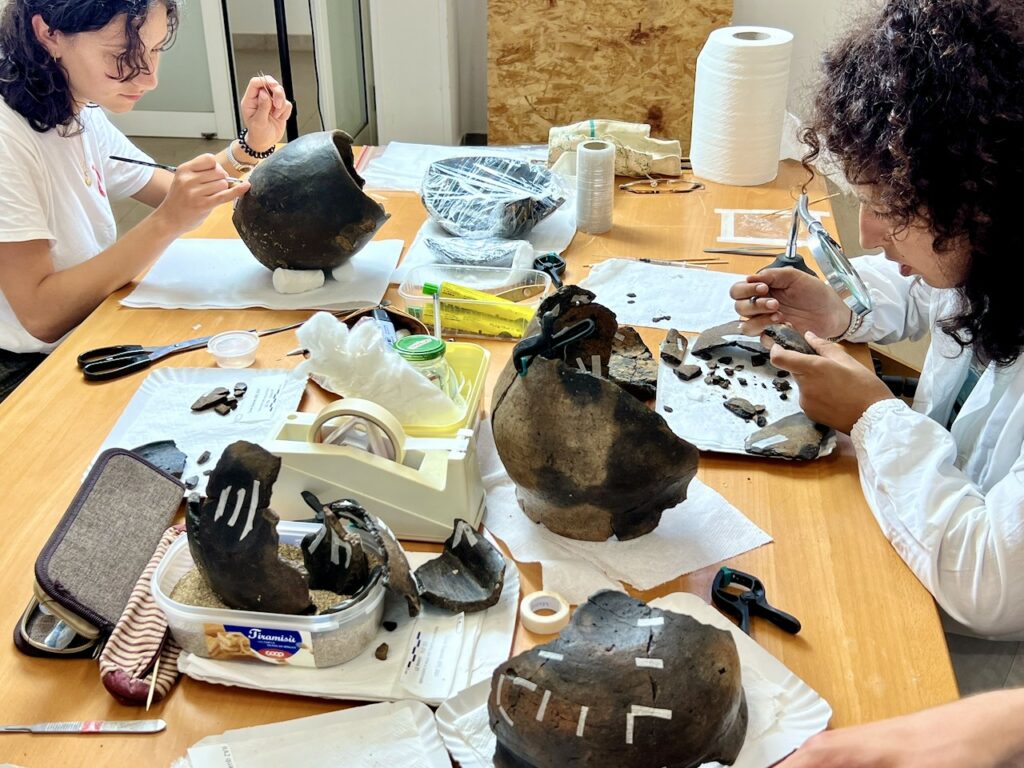
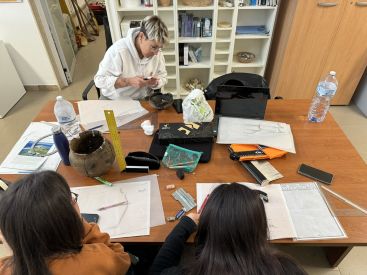
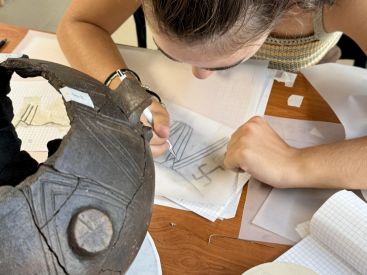
This two-weeks lab extension will focus on this ceramic collection and other finds that will likely occur during the 2026 excavation season. The program will allow students to deepen their knowledge of Bronze Age Southern Italian ceramic, as well as learn professional documentation and study of ceramics recovered at archaeological sites. Students will document, analyze and conserve wheel-thrown Grey Ware and Italo-Mycenaean Ware, as well as handmade Impasto and Matt-Painted Southern Italy Pottery. Students will also deepen their knowledge in drawing and photographic documentation of archaeological ceramics, along with morphological and functional analyses aimed at typological serriation and classification and broader cultural and chronological interpretation.
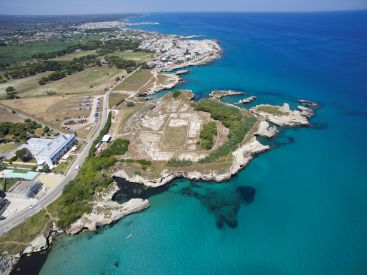
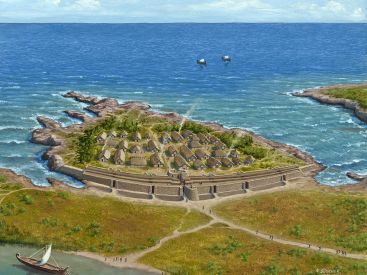
Roca Vecchia is a fortified Bronze Age settlement, located on the Adriatic coast of South-Eastern Italy. Roca Vecchia was a strategic key-site for the crossing routes between the Aegean and the Central Mediterranean. The site was initially built in the mid-17th to the late 11th century BCE, and was protected by a massive wall, repeatedly destroyed and rebuilt over time. Finds from the Middle Bronze Age (17th-14th century BCE) clearly attest to the early involvement of Roca Vecchia within the Aegean commercial & trade networks. Artifacts include an unusual variety and peculiarity of products such as Lustrous-decorated, Burnished, Matt-painted and Minyan-type pottery imports. There are also plenty Italo-Minoan objects. These artifacts indicate active trading along the southern Adriatic routes already at these early dates.
At its apex, Roca Vecchia had complex fortifications and elaborate site plan, with at least five gates and a monumental main entrance. Sometime around the mid-14th century BCE, Roca was attacked and put under siege. The attackers were eventually succesful and Roca Vecchia was destroyed by a large fire. The site have not been occupied since, leaving Roca Vecchia as a distinct time copsule of the Italian Middle and Late Bronze Ages.
Period(s) of Occupation: Late Bronze
Notes:
Tuition is $2,035; Earn 4 Semester Credit Units (equivalent to 6 Quarter Credit Units) through our School of Record – Culver Stockton College
Project Size: 1-24 participants
Minimum Length of Stay for Volunteers: Full session
Minimum Age: 18 years old
Experience Required: Demonstrate basic knowledge of Southern Italian Bronze Age ceramics
Room and Board Arrangements:
This program provides accommodation only. Students are responsible for their own meals. There are plenty of restaurants and grocery stores in the area where students reside and work, at all price ranges.
Academic Credit:
Earn 4 Semester Credit Units (equivalent to 6 Quarter Credit Units) through our School of Record – Culver Stockton College
Dorian Chee
5335 W Adamas Blvd Suite 106
Los Angeles
California
90016
U.S.
Phone: (323) 740-1805