Location: MF29+39 Redondo, Portugal
Season: November 29, 2026 to December 19, 2026
Session Dates: 3 week session: November 29 - December 19, 2026
Application Deadline: October 31, 2026
Deadline Type: Rolling
Website: https://www.casteloproject.com/winter-ceramics-course.html
Program Type:
Field School
RPA Certified:
No
Affiliation:
Castelo Archaeological Project
Project Director:
Bianca Viseu
PhD Student in Archaeology, University of Lisbon
MA Archaeology, McMaster University
Rui Mataloto
Archaeologist & Cultural Officer, Municipality of Redondo
Gonçalo Bispo
MA Archaeology, University of Lisbon
Project Description:
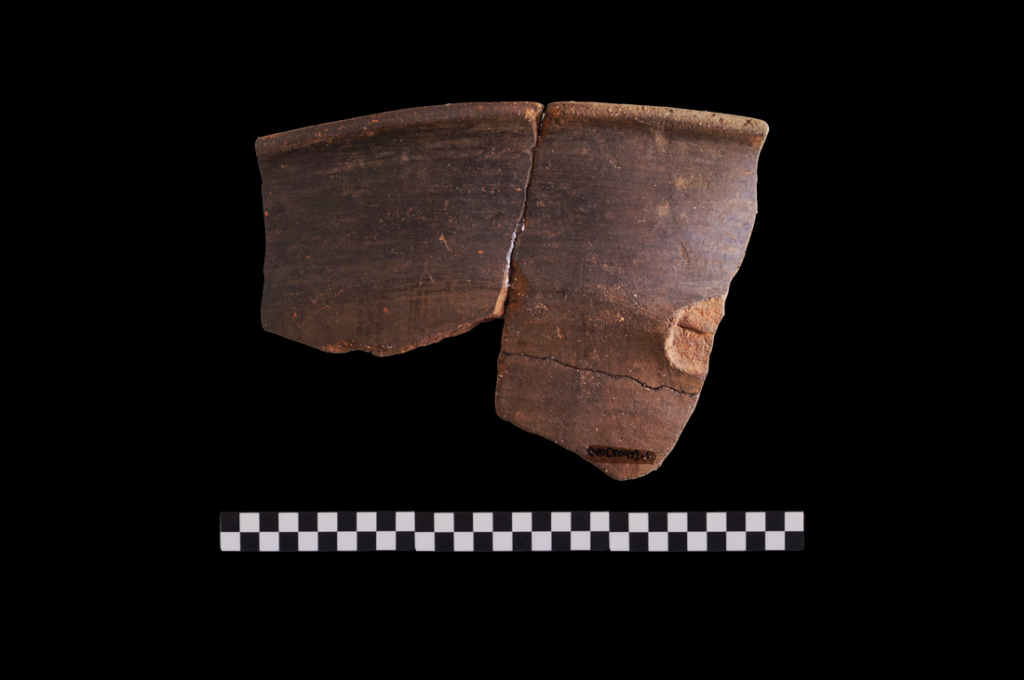
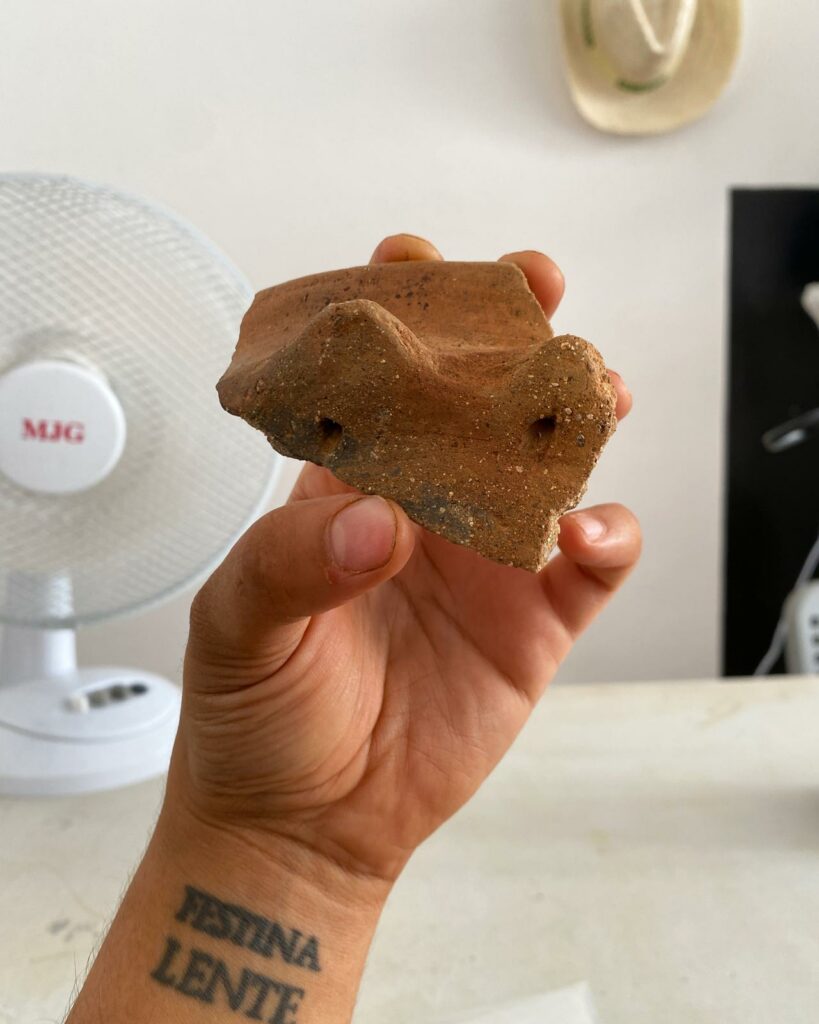
The Castelo Archaeological Project runs an archaeological field school focused on the excavation of the the Late Bronze Age / Iron Age settlement of Castelo Velho da Serra d’Ossa. Following our seventh season of excavation this summer, we are pleased to offer our first Ceramics Course, which will focus on post-excavation analysis and will train students in transforming ceramics and stratigraphic records into digital archaeological documentation.
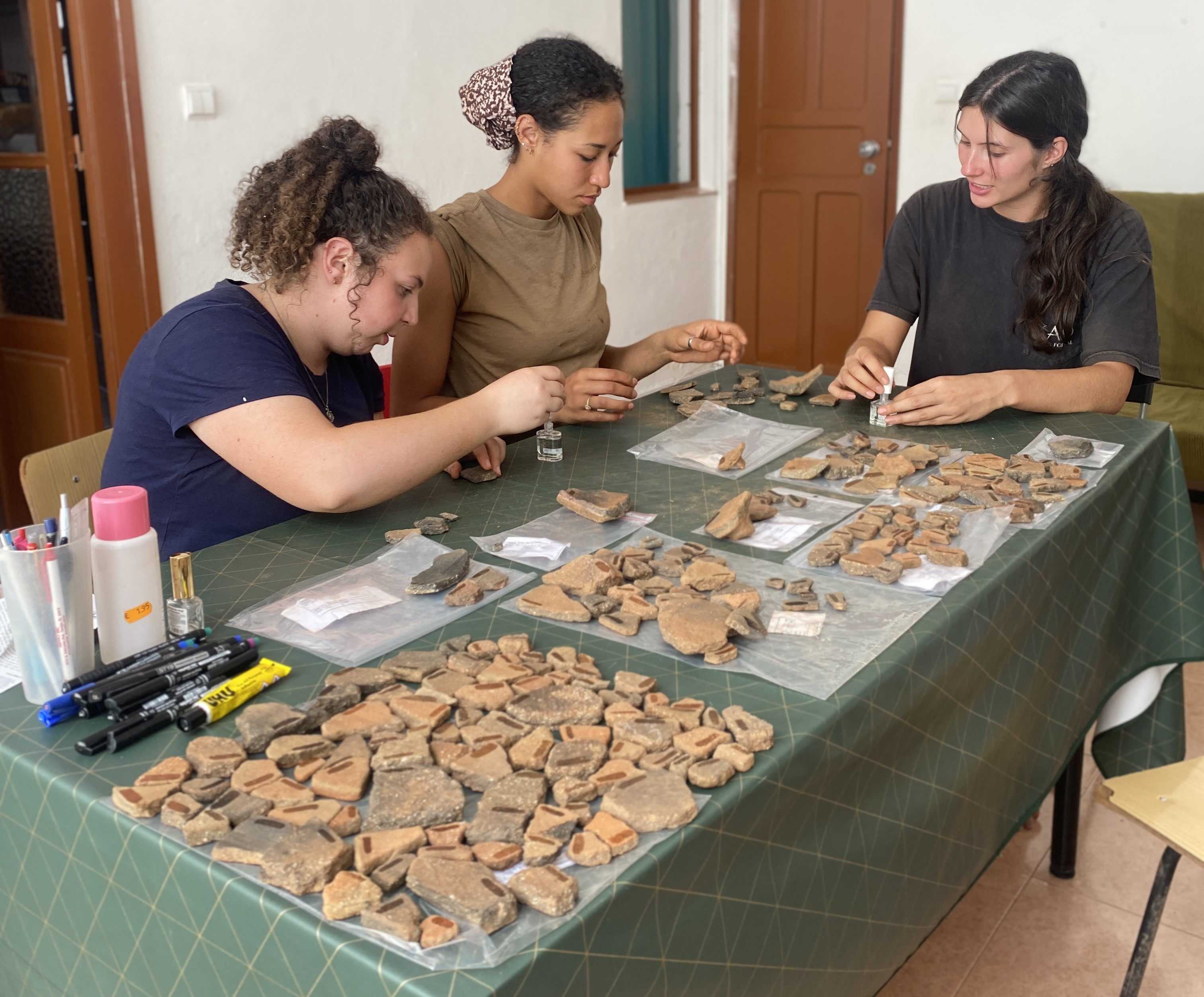
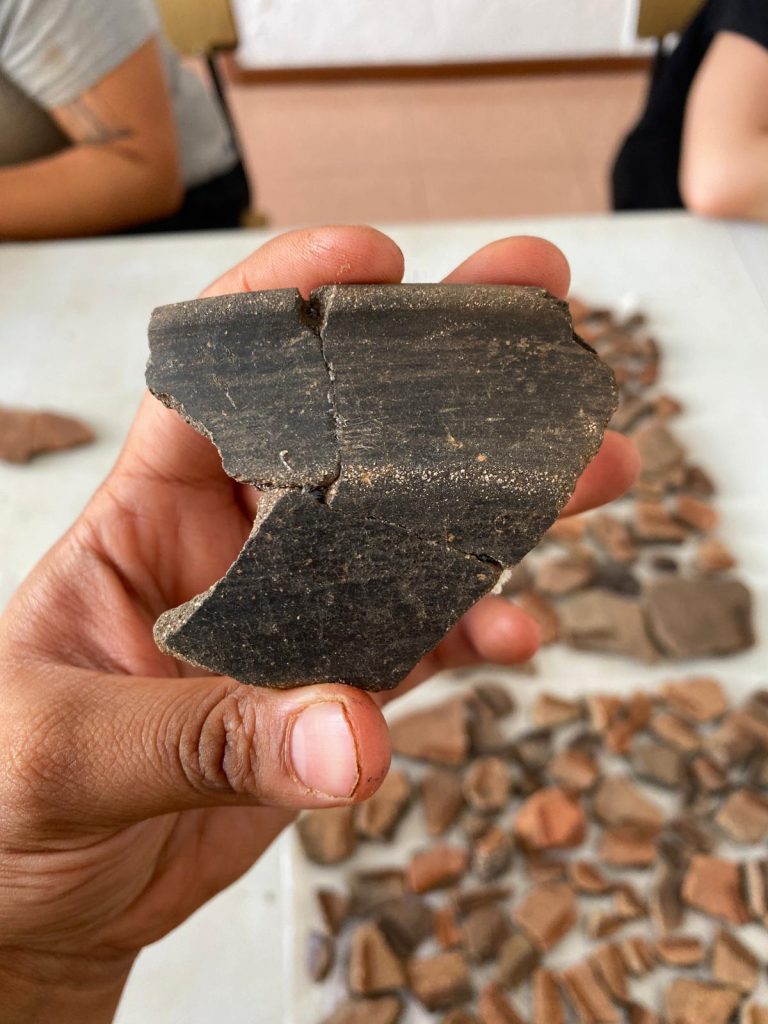
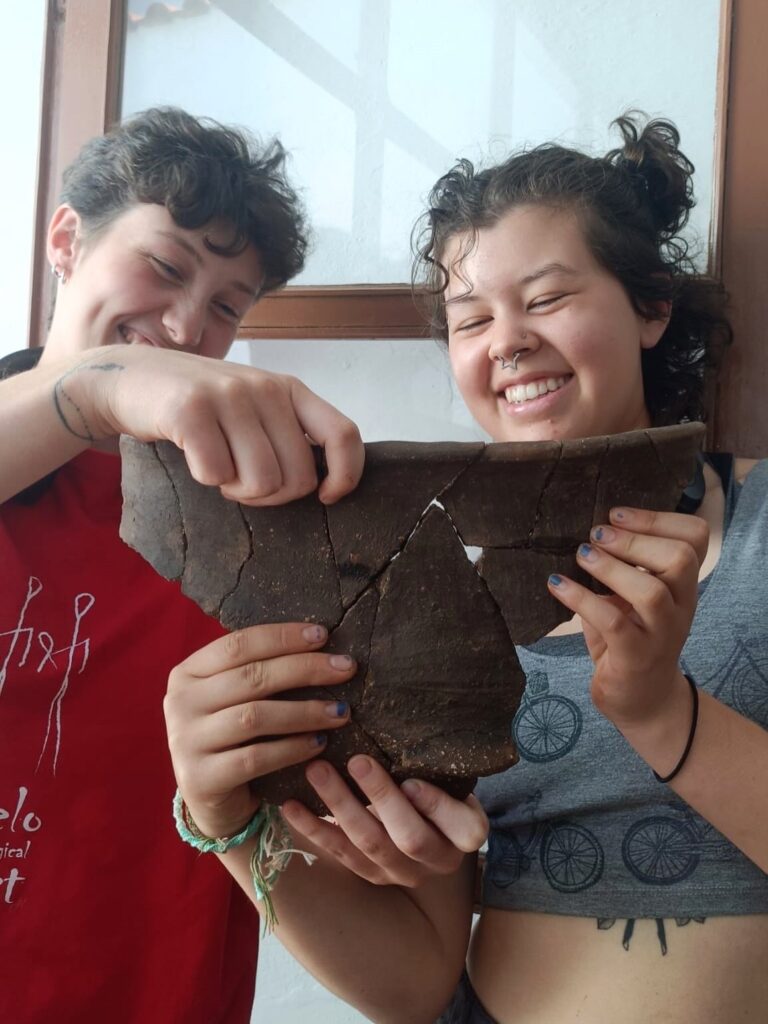
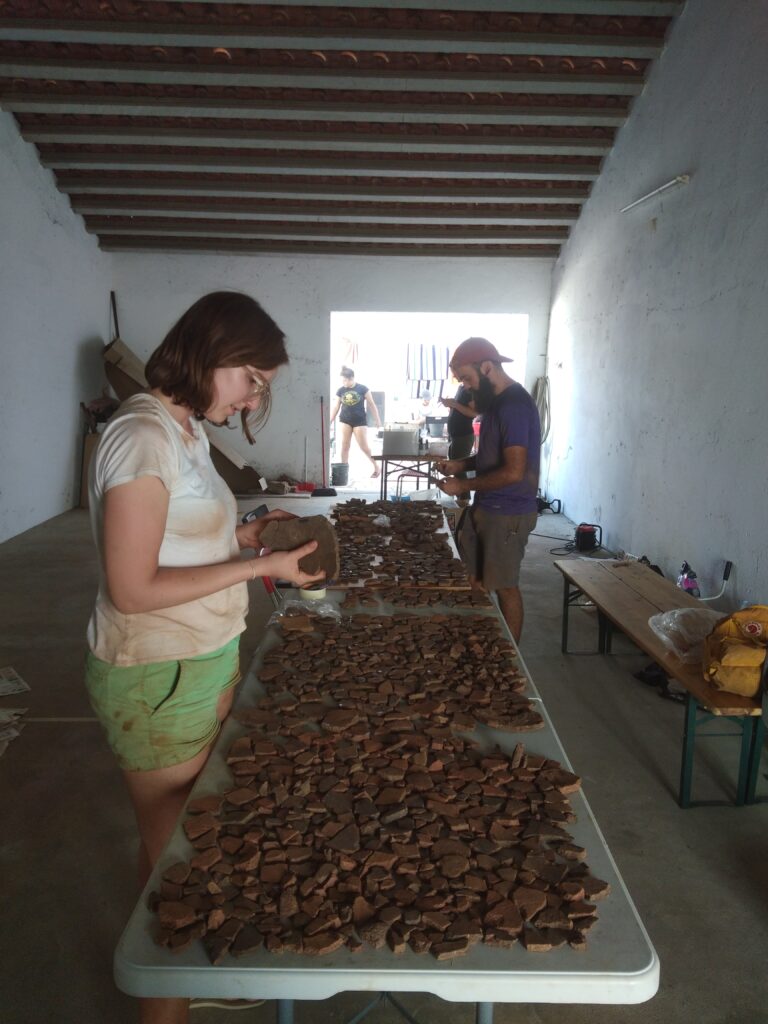
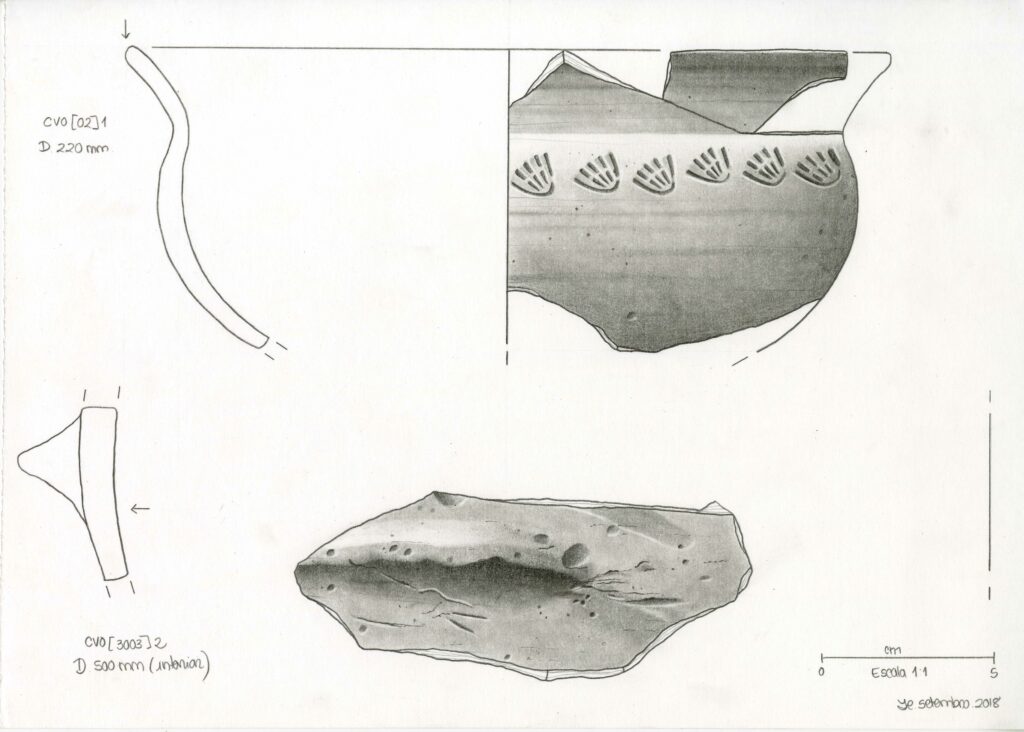
Over the course of three weeks, students will work with ceramics recovered from the site and will learn how to draw vessel profiles, digitize these drawings in Adobe Illustrator, and classify material within an established typological framework.
The course combines hands-on work with the Castelo assemblage with seminars, and field trips, providing students a practical introduction to ceramic drawing, analysis, and archaeological documentation. No prior experience in ceramic illustration or digitization is required. This course is designed as an introductory program and is ideal for undergraduate and graduate students, recent graduates, and anyone interested in developing practical post-excavation skills.
Students will be housed in the nearby town of Redondo throughout the duration of the season. Tuition for the 3 week session (including drawing materials, room, board, and transportation within Portugal) is €1700 EUR. Please visit our website for information on scholarship opportunities and how to apply.
Ceramic Drawing & Digital Recording
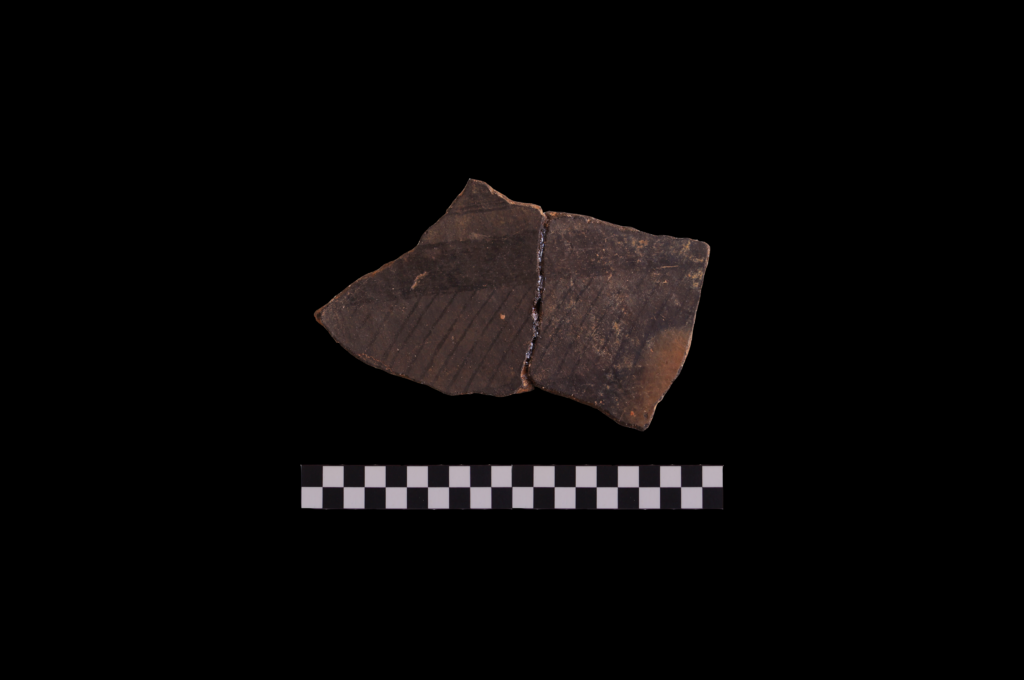
Ceramic illustration will focus primarily on the drawing and reconstruction of vessel profiles, following standardized archaeological drawing conventions. An optional specialist session will be offered for participants wishing to develop skills in the illustration of decorated ceramics. Students will learn how to digitize ceramic drawings using Adobe Illustrator, resulting in the production of vector illustrations suitable for publication.
Typology and Analysis
Students will receive training in the application of typological classification to the ceramic dataset. Students will work with a dedicated analytical relational database of diagnostic ceramics derived from excavation, developed in Microsoft Access and designed to record drawn material and associated diagnostic attributes within the established typological framework.
Stratigraphic Documentation
Students will be introduced to the post-excavation digitization of paper records, including drawings of stratigraphic units and excavation plans. Using material from recent excavation seasons, they will learn how paper records are translated into digital formats.
About the Site
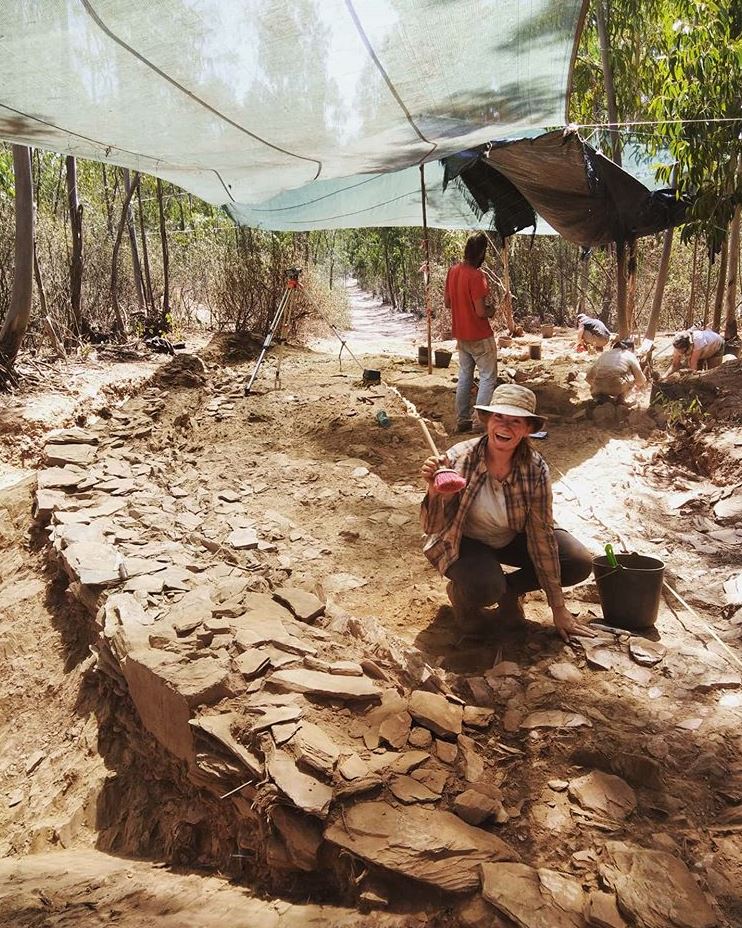
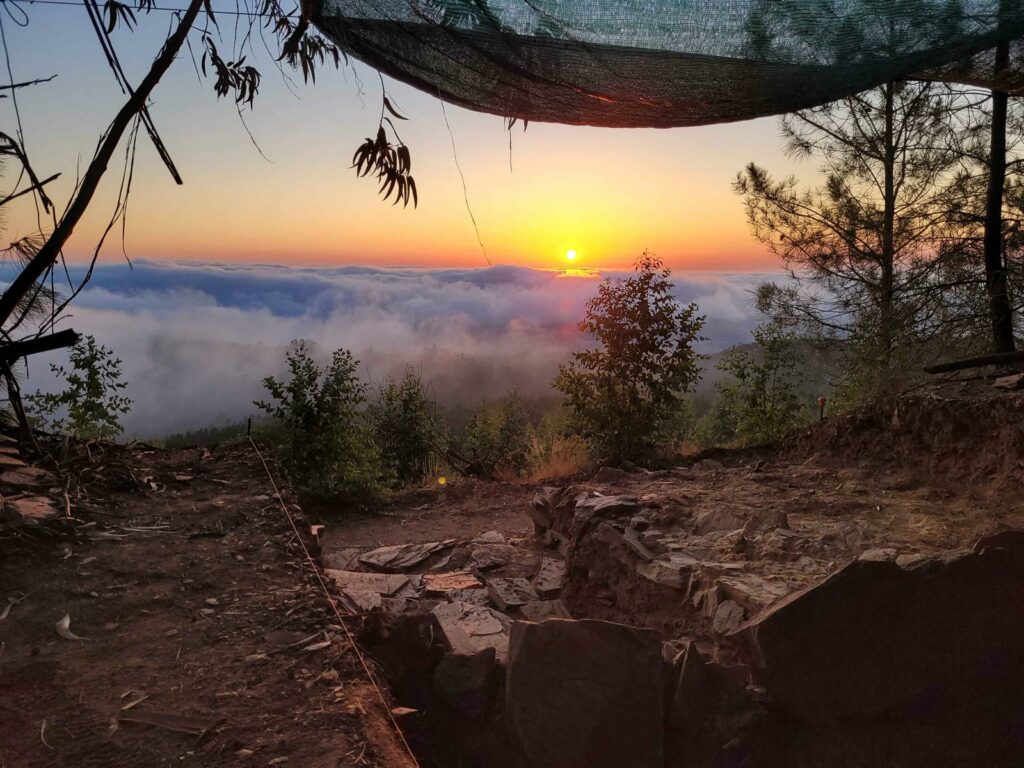
Castelo, a settlement approximately 14 ha in size and located at one of the highest points in the region, dates to the Late Bronze Age [LBA] and Iron Age of southwest Iberia. Castelo underwent a brief investigation in the early 2000s to safeguard surface artifacts in danger of being destroyed. Our 2018 season was the site’s first comprehensive excavation and uncovered the largest known Bronze Age hut (cabana) in the southwest of Iberia. Work on the hut and additional areas of the site continued during the 2019, 2022-2026 seasons. This work has revealed several structures, including overlapping huts, platforms, hearths, and a surrounding defensive system.
The LBA of the southwest has long been characterized by the apparent emergence of a new culture associated with defensiveness and warriorship, as represented by stone stelae depicting warrior iconography found in the wider region and the emergence of large, fortified sites that appear during this period. Unfortunately, there has been a distinct lack of site-level investigations and data, thus leading to insufficient and generalizing interpretations of the LBA. Our project aims to contribute toward a more comprehensive understanding of this understudied period.
Since 2018, our archaeological field school has trained over 100 students representing over 60 universities from around the world. Many of our students have gone on to pursue archaeology at the graduate level and have successfully secured jobs in commercial archaeology in the US, Canada, and the UK.
Period(s) of Occupation: Bronze Age, Late Bronze Age, Iron Age
Notes:
We require a minimum of 6 students for the project to run. All participants will be notified as soon as this minimum number has been reached and the project is confirmed. We strongly advise students not to purchase travel tickets until they have received confirmation that the project will proceed.
Project Size: 1-24 participants
Minimum Length of Stay for Volunteers: 3 weeks
Minimum Age: 17 years old
Experience Required: None
Room and Board Arrangements:
Accommodation: Students will be housed together in the town of Redondo. Most rooms will be shared by two or more students, and sometimes on bunk beds. Sleeping arrangements will be gender-separated. Spaces are communal - there is a shared kitchen, bathroom, washing machine, and living room. Students will be responsible for cleaning these spaces and doing the assigned chores. Students will do their own laundry. While it does not get too cold in the Alentejo during the winter (temperatures rarely fall below 0°C), houses are often poorly insulated and typically lack central heating. In turn, indoor temperatues can feel surprisingly cold (to the extent that it is sometimes colder inside than it is outside). We recommend bringing plenty of layers, including long-sleeved shirts, warm sweaters, a good winter coat, and a waterproof jacket or raincoat.
Meals: On weekdays, the field school provides students with three meals per day. Breakfast is provided at the house and students are expected to prepare it themselves. Lunch is served at a local restaurant. Dinner is provided by local restaurants but eaten at home. Students should expect to eat a great deal of local Alentejan cuisine. The project will do its best to accommodate dietary needs, but students must inform us of any dietary requirements, and/or allergies before paying the tuition. Due to the nature of Alentejan cuisine, we are able to accommodate vegetarian diets, but any other dietary requirements must be discussed with one of the directors.
Transportation: Students are expected to provide their own transportation to and from Portugal (Lisbon airport) as airfare is not included in the tuition. Once in Portugal, transportation will be provided by the field school. Upon arrival at the Lisbon airport on designated pick-up day (Sunday, November 29), students will be greeted by either Rui, Bianca, or Gonçalo and brought as a group to Redondo. At the end of the session (Saturday, December 19), students will be brought back to the Lisbon airport. Please inform us of your travel plans as far in advance as possible.
The Town: The town of Redondo is quite small but very friendly. During their free time, students are encouraged to explore and familiarize themselves with the town. Free wi-fi is available in several public spaces around town. If you’d like to get a phone plan (a cellular data plan is highly recommended) you must do this at the airport in Lisbon.
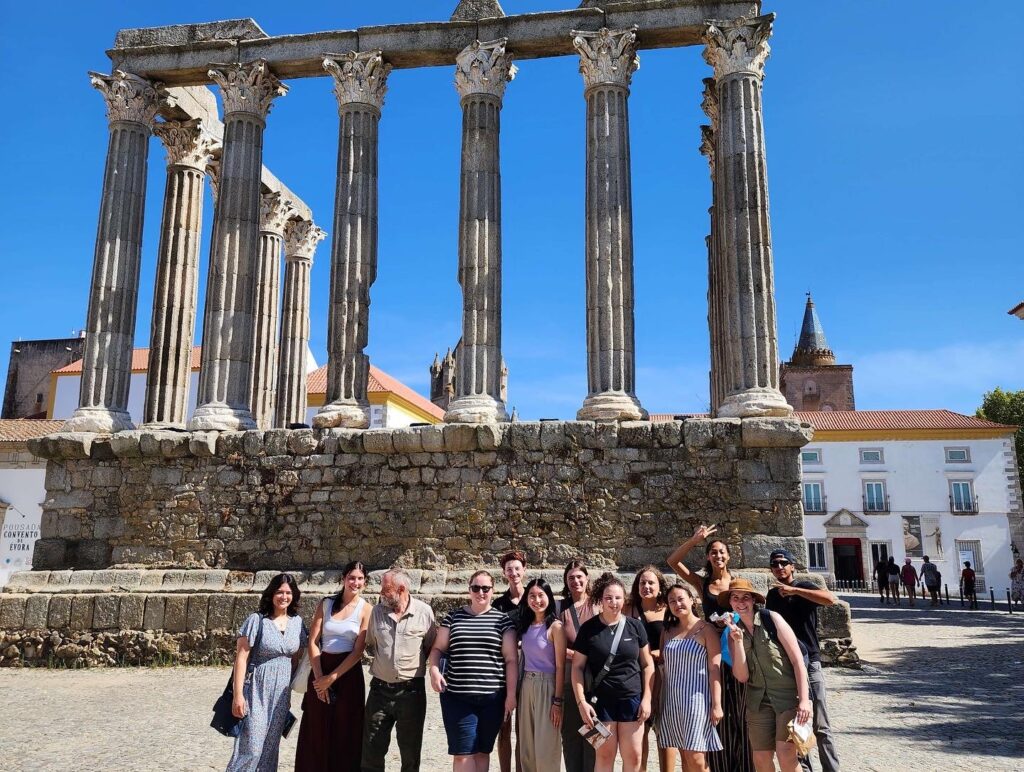
Field Trips: Each weekend, we will go as a group on field trips in the region (and occasionally to Spain) to visit historical and archaeological sites. Trips typically take place on Saturdays with Sundays spent in Redondo relaxing, catching up on laundry, and doing chores.
Academic Credit:
Course credit is not offered for this field school. However, we are happy to sign any forms you may need to get academic credit through your university, though we ask that you discuss this with us prior to the start of the project. Many students from previous seasons have managed to obtain course credit by talking to an academic advisor at their university: some were approved to substitute a required field course with their time on the project, while others enrolled in an independent study course focusing on their time on the project and culminating in a final report.
Bianca Viseu (PhD student, UNIARQ - Centre for Archaeology at the University of Lisbon)