Location: Sarajevo, Bosnia and Herzegovina
Season: July 4, 2027 to July 17, 2027
Application Deadline: April 16, 2027
Deadline Type: Rolling
Website: https://anthroctr.org/program/2027-bosnia-heritage/
Discount for AIA members: None
Program Type:
Field School
RPA Certified:
No
Affiliation:
Anthropocene Research Center, Sciences Po Paris
Project Director:
Dr. Marija Kamber (Sciences Po Paris)
Project Description:
As the Soviet Union collapsed, the former Yugoslav Federal Republic descended into vicious ethnic wars. The worst, with the largest number of casualties and atrocities, was the Bosnian war (1992-1995). Three ethnic groups – Croats, Serbs and Bosniaks (Bosnians from Muslim heritage) – fought each other on multiple fronts. After NATO booming & direct intervention began in mid-1995, all parties to the conflict attended and signed the Dayton Peace Agreement. The agreement ended the fighting and active killings but not ethnic grievances. This program explores how societies confront difficult histories through heritage, using Bosnia and Herzegovina as a relevant case study.
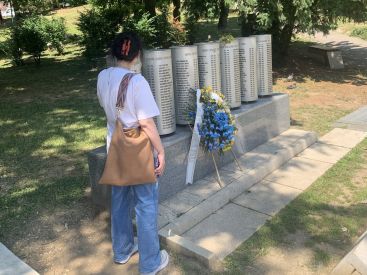
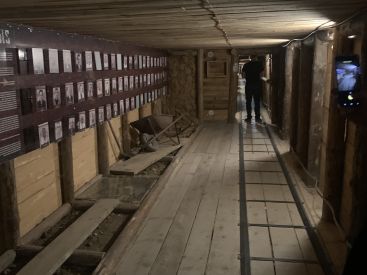
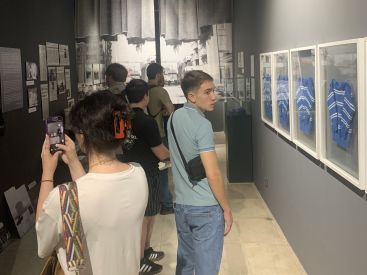
Set in Sarajevo and Mostar, this program focuses on post-conflict memory, museum work, and public history in Bosnia and Herzegovina. Students will engage directly with local communities, curators, and heritage professionals to better understand how narratives of war, loss, and recovery are shaped, challenged, and remembered.
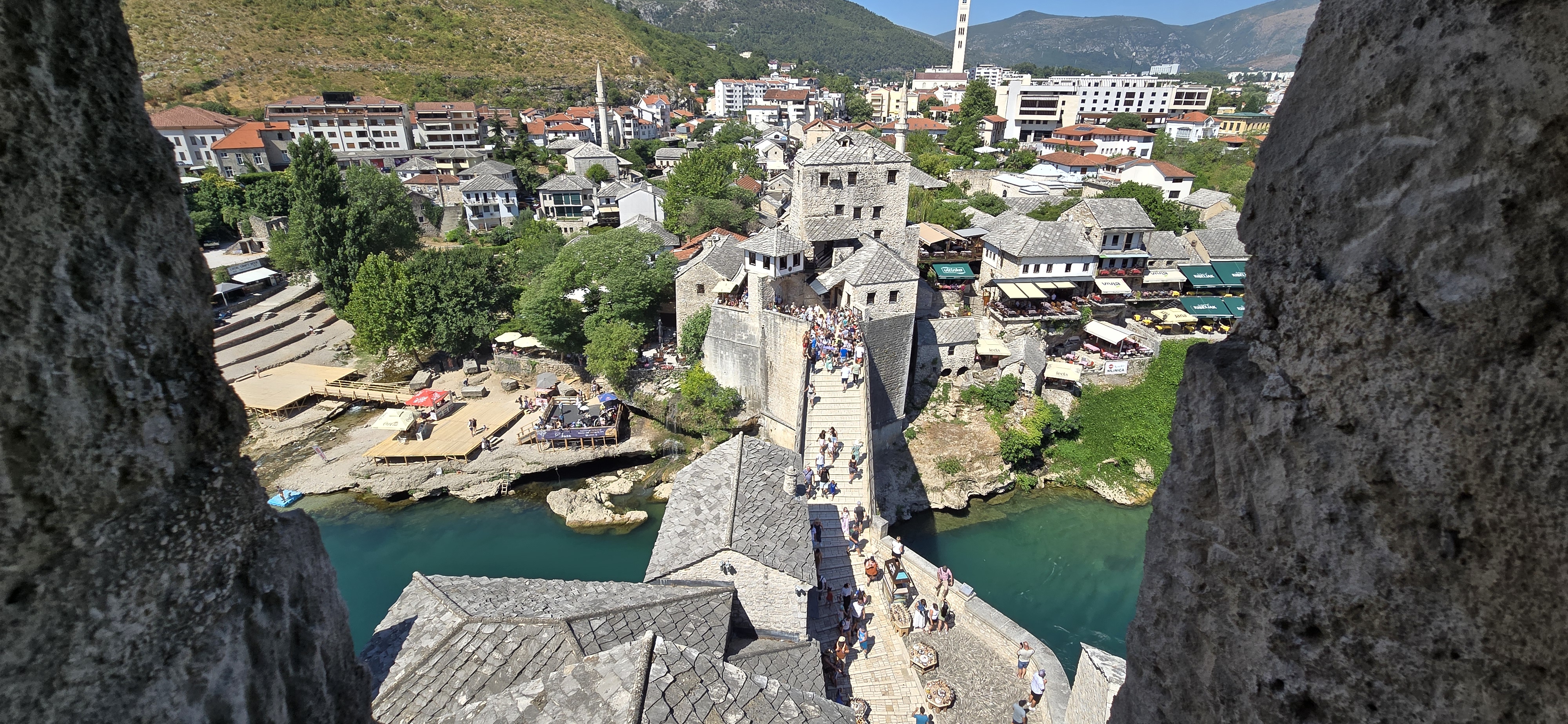
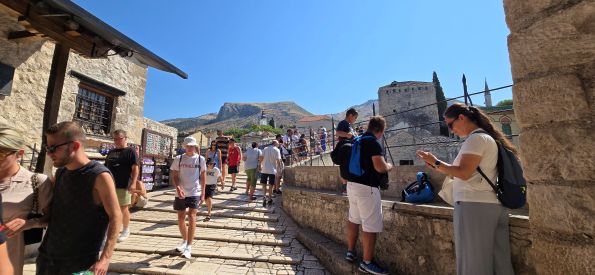
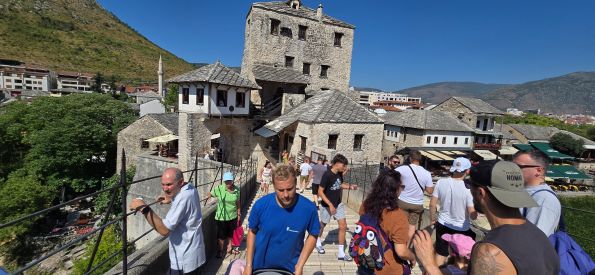
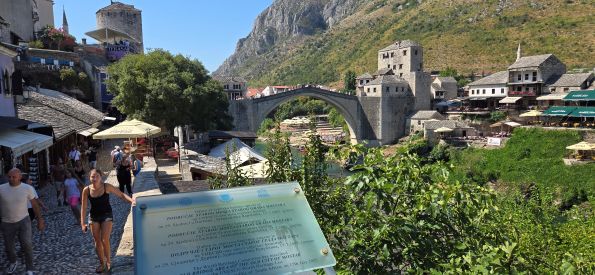
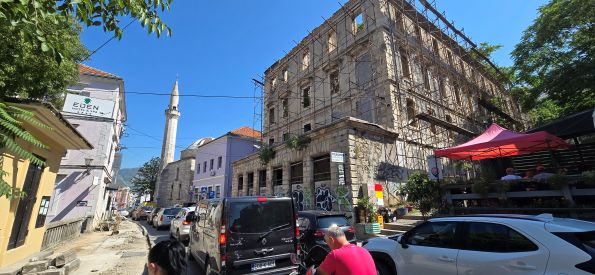
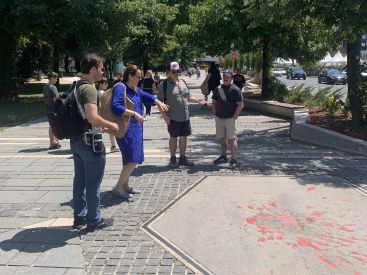
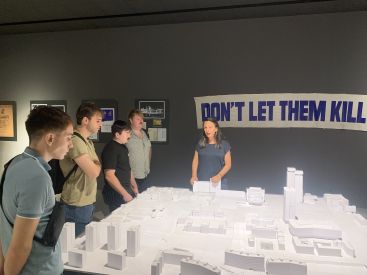
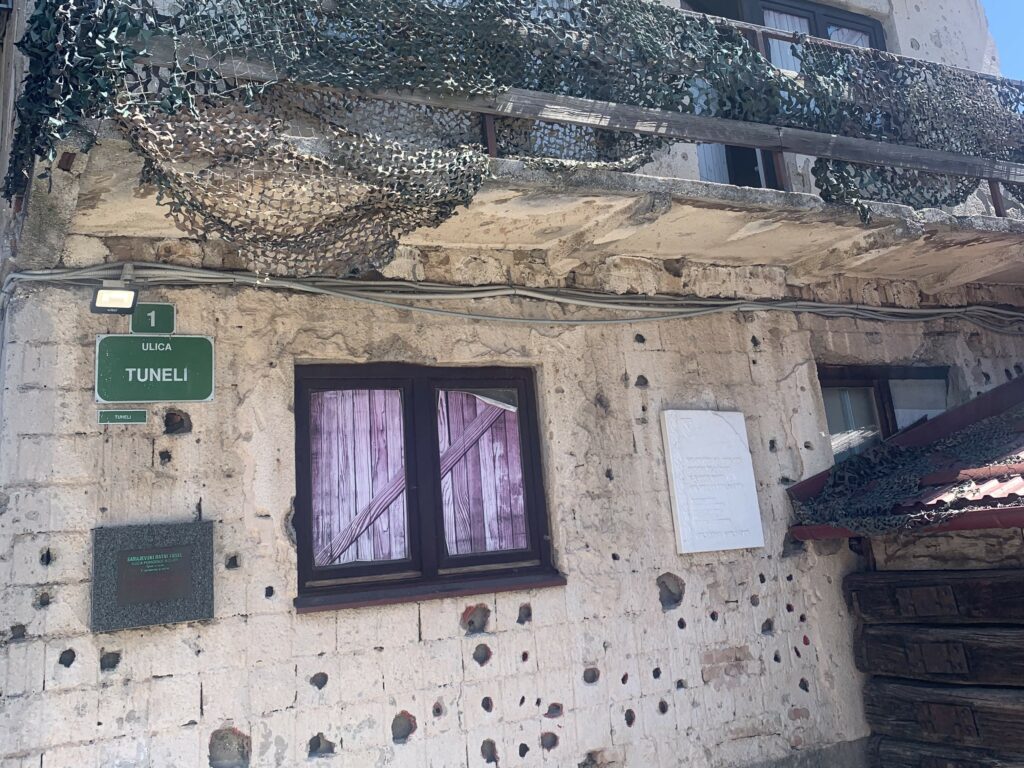
In Sarajevo, the focus is on the siege and its lasting imprint on the city. Students will visit relevant sites across the city, visit relevant museums and engage in deep discussions about memorialization and its tangible and intangible symbols. In Mostar, students will examine the destruction and reconstruction of the Old Bridge, exploring questions related to symbolism, authenticity, and international involvement in heritage preservation.
The program includes lectures, site visits, group work, and reflective discussion. It encourages students to think critically about the ethics of interpretation and representation—skills essential for careers in archaeology, curation, public history, or cultural policy anywhere in the world. Rather than offering simple answers, this program asks students to listen closely, think carefully, and consider heritage as both a professional challenge and a human responsibility.
Through hands-on learning and close collaboration with local partners, the program creates space for thoughtful, respectful, and globally relevant conversations about the past. Ethnic conflicts are not unique to Bosnia, and heritage management must always take into account the different views, interests and memories of different stakeholders whenever and however narratives of the past are presented to the public.
Period(s) of Occupation: Modern Era
Notes:
Tuition is $2,851; Earn 4 Semester Credit Units through our School of Record – Culver Stockton College
Project Size: 1-24 participants
Minimum Length of Stay for Volunteers: Full session
Minimum Age: 18 years old
Experience Required: None. There are no prerequisites for this field school, which makes it accessible to all interested students and heritage professionals. This interdisciplinary program is designed to integrate knowledge from various aspects of heritage studies and management, allowing students from diverse backgrounds to find valuable insights and applications. Whether you come from an archaeological, architectural, legal or social science background, the program offers opportunities to enrich your understanding and skills across complex heritage management practices.
Room and Board Arrangements:
This program provides accommodation and breakfast only. Students are responsible for their own lunch and dinners.
Academic Credit:
4 Semester Credit Units through our School of Record – Culver Stockton College
Dorian Chee
5335 W Adamas Blvd Suite 106
Los Angeles
California
90016
U.S.
Phone: (323) 740-1805