Location: Rome, Metropolitan City of Rome Capital, Italy
Season: August 1, 2027 to August 28, 2027
Application Deadline: August 1, 2027
Deadline Type: Rolling
Website: https://anthroctr.org/program/2027-italy-ostiense/
Discount for AIA members: None
Program Type:
Field School
RPA Certified:
No
Affiliation:
University of Valencia (Spain) & Anthropocene Research Center (US)
Project Director:
Dr. Llorenç Alapont Martin, Department of Prehistory, Archaeology & Ancient History, University of Valencia (Spain)
Project Description:
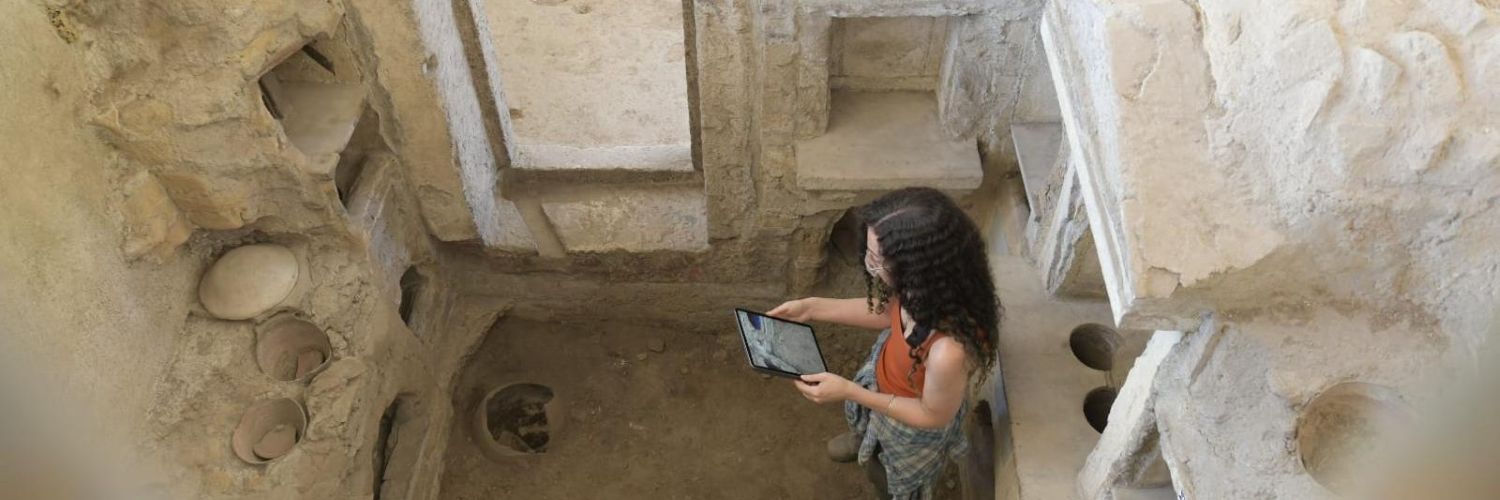
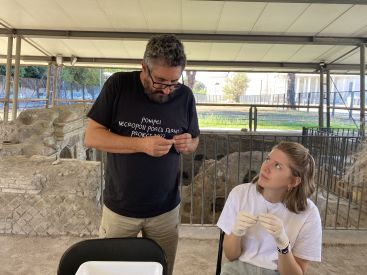
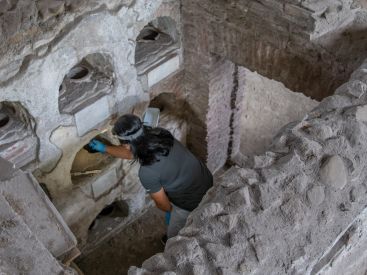
The Necropolis of Via Ostiense was initially excavated in 1919. Archaeologists exposed 18 complete vaults (columbaria) with over 912 well preserved urns, containing cremated remains of Roman era individuals. The excavators decided not to excavate but leave the urns untouched and in situ, resulting in slow but progressive deterioration of the human remains and artifacts within them. Beginning in 2017, our team began an extensive and detailed study of these unique archaeological remains, micro-excavating each urn to better understand Roman burial practices, technology and cultural preferences. The 2024 will be our eighth season at the site and thus far, we were able to complete the study of 70 individual urns.
The urns at Via Ostiense represent a unique opportunity to study Roman funerary practices. This is the largest concentration of Roman cremated human remains in a single location and all within original context. This wealth of information allows for excellent comparative research, studying changes in cremation technology (temperature and type of fuel used), cultural preferences and choices (type of urns, objects found within them, number of individuals collected in a single urn) and biological elements (examining pathologies, diseases and using aDNA to study population variability). Although human remains at Via Ostiense were cremated, many long bones, teeth, pelvis & vertebra segments – some 10cm long – are still well-preserved and presented in the urns. This allows us to study a whole range of bioarchaeological elements, including pathologies, diseases, gender and age.
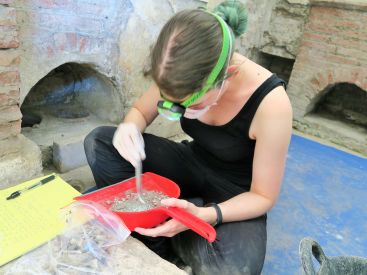
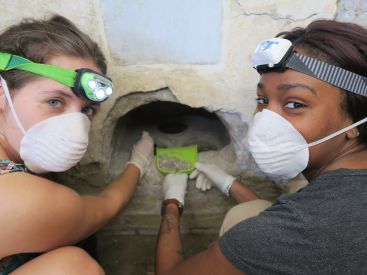
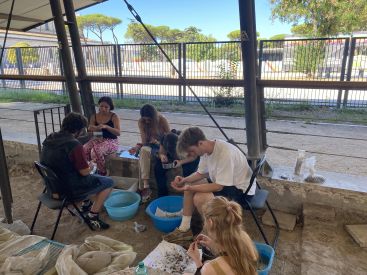
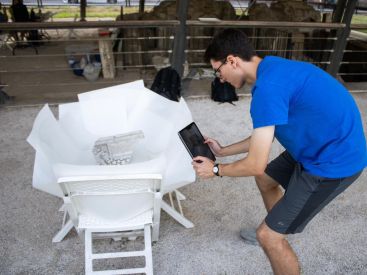
The micro excavation of each urn is a careful and detailed process. Students typically excavate a single urn in the season as this is a long and meticulous study of all human and cultural elements deposited in each urn.
The relationships to and study of human remains in Europe differ widely from those practice in North America. This is the result of different archaeological histories, traditions, and cultural norms. Archaeology in North American is almost exclusively part of anthropology and under the Social Sciences, emerging from the historical & intellectual tradition for the study of the “other”. In Europe, archaeology is a standalone discipline, usually within the Humanities, studying the past of the “collective ancestors”. These differences will be discussed broadly during the program, exploring the origin and current manifestation of cultural preferences and its relationships to death in each region. While we plan to have lively discussions, our goal is to present students with the different traditions and their reasoning, not to suggest one is better than the other.
This program and its strong emphasis on the careful analytical study of cremated remains is relevant to students who wish to study Roman history, bioarchaeology and physical anthropology. The program will also serve well students who are interested in forensic studies of human remains and students interested in pursuing medical careers.
We will be excavating at an ancient burial ground. This means that respect to the dead will be front and center, and certain behaviour will be observed while at the site and/or at work. The individuals we are studying may be long gone, but we still owe them a debt of reverence for the opportunity to study their remains so that we may better understand, appreciate, and celebrate their lives.
Period(s) of Occupation: Roman Period
Notes:
Tuition is $4,959; Earn 8 Semester Credit Units through our School of Record – Culver Stockton College
Project Size: 1-24 participants
Minimum Length of Stay for Volunteers: Full Session
Minimum Age: 18 years old
Experience Required: None. This is hands-on, experiential learning and students will study on-site how to conduct archaeological research. Field work involves physical work and exposure to the elements and thus requires a measure of understanding that this will not be the typical university learning environment. You will have to work outdoors and will get sweaty and tired. Students are required to come equipped with sufficient excitement and adequate understanding that field work requires real, hard work, in the sun and wind. The work requires patience, discipline, and attention to detail.
Room and Board Arrangements:
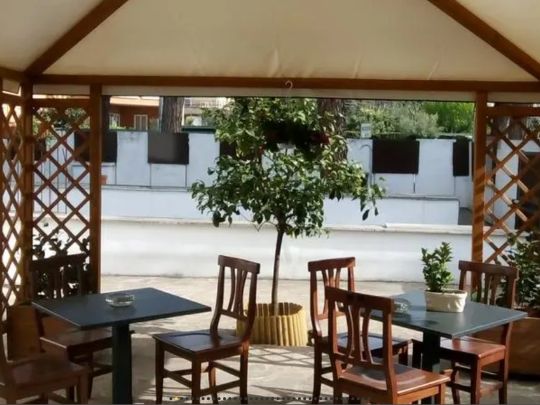
This program provides accommodation, breakfast & lunch. Students are responsible for their own dinners. Rome is a colossal capital city with a wide range of restaurants, bars, and fast/street food, both Italian and international. Students can find great dinners at a wide range of prices.
Academic Credit:
8 Semester Credit Units through our School of Record – Culver Stockton College
Dorian Chee
5335 W Adamas Blvd Suite 106
Los Angeles
California
90016
U.S.
Phone: (323) 740-1805