Location: G88H+49 Tambo Real, Peru
Season: June 27, 2027 to July 24, 2027
Application Deadline: April 16, 2027
Deadline Type: Rolling
Website: https://anthroctr.org/program/2027-peru-batan-grande/
Discount for AIA members: None
Program Type:
Field School
RPA Certified:
No
Affiliation:
Anthropocene Research Center, Northern Arizona University
Project Director:
Dr. Kayeleigh Sharp (NAU), Lic Manuel Antonio Roque Soplapuco (Universidad Nacional Pedro Ruíz Gallo) and Dr. Izumi Shimada (Southern Illinois University)
Project Description:
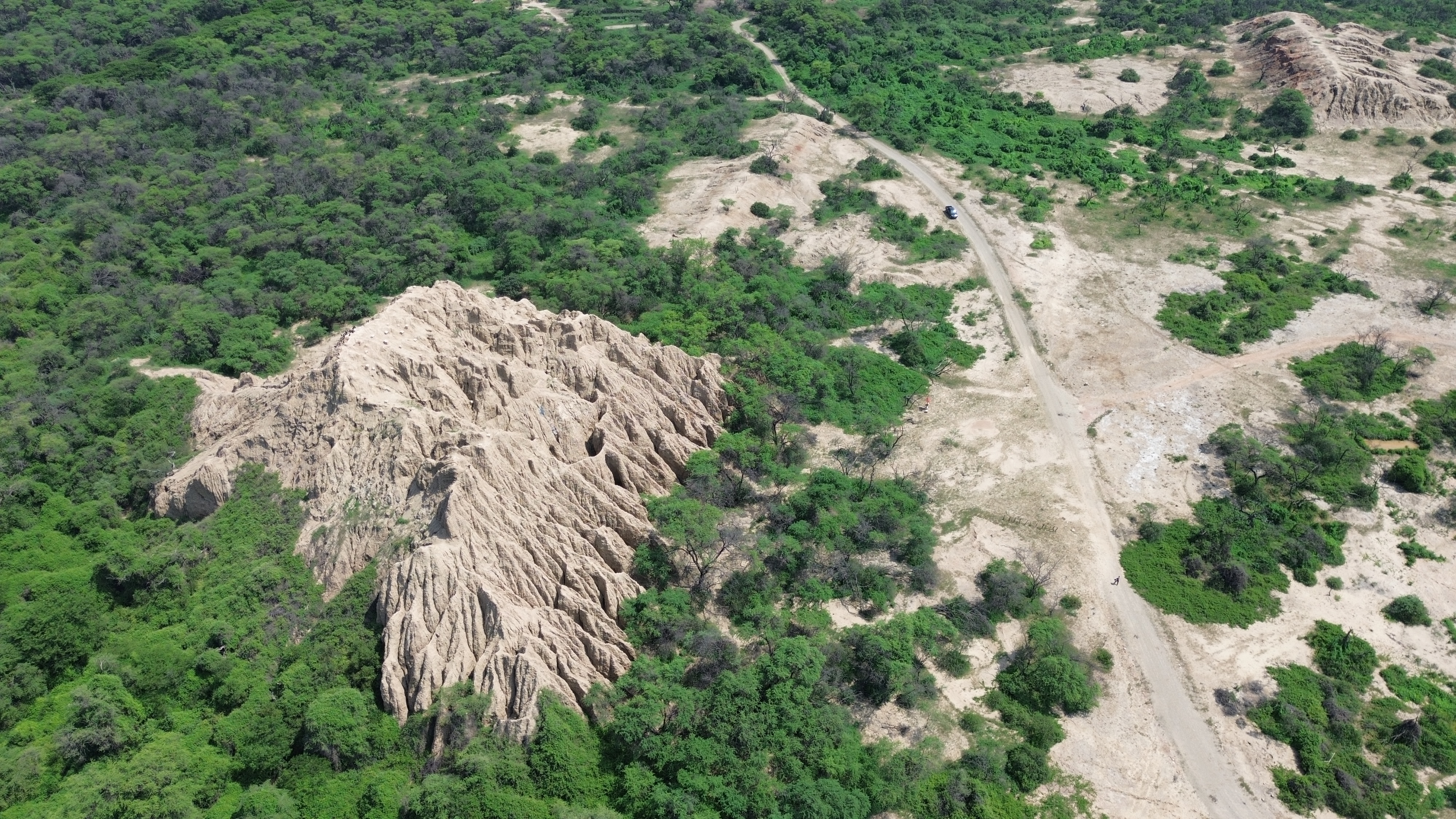
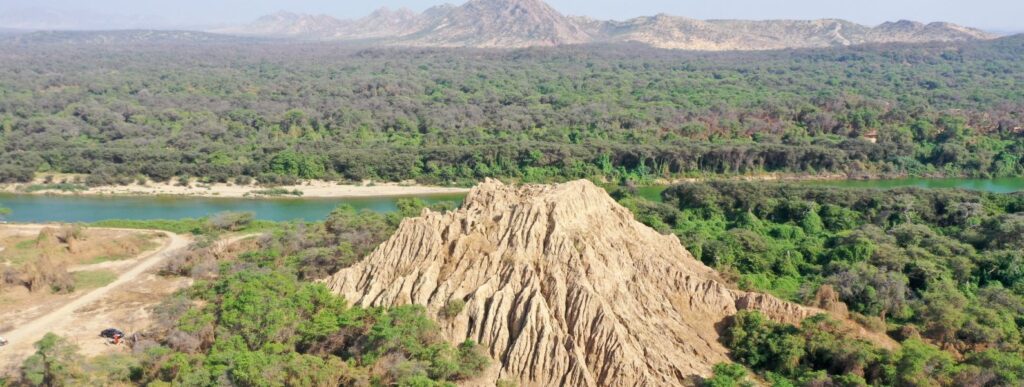
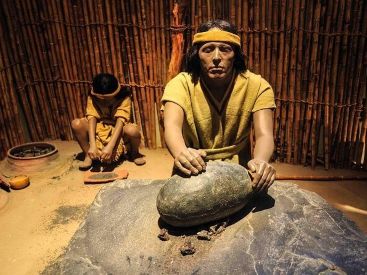
The North Coast of Peru, and especially the Lambayeque Region, has long been regarded as one of the primary cultural centers of the ancient civilization of the Andes which is ranked among the five great ancient civilizations of the world. From 1979-1983, what later became the Sicán Archaeology Project, established the chronological backbone of the region and that of the Sicán polity (aka Lambayeque) that built dozens of monumental temples and dominated the area until the arrival of the Wari, Chimú and later Inca. Initial excavations at Huaca del Pueblo Batán Grande (HPBG), were carried out under the auspices of Princeton University as an interdisciplinary archaeological project aimed to establish the regional cultural chronology through systematic stratigraphic excavations. These early pioneering excavations defined over 40 habitational floors dating from ca. 650 CE to the modern era.
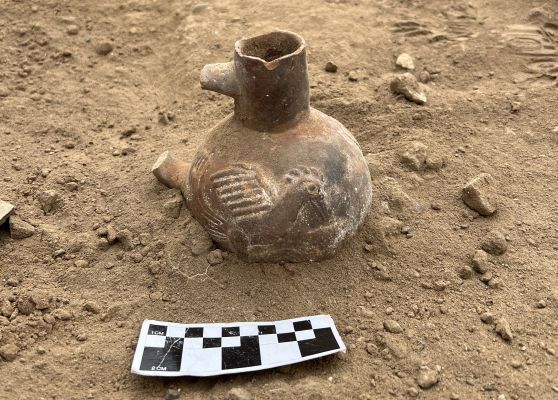
Among the most important discoveries was evidence of the earliest intensive arsenical bronze technology and its evolution from ca. 900 to 1100 CE, the time when bronze tools replaced stone and pure copper tools. They also found indications of in situ pottery making and recorded how the quality and materials for house constructions (e.g., wattle-and-daub or sun-dried adobe bricks) and human burial offerings mirrored the ebb and flow of different cultures. Although these initial excavations transformed our understanding of northern North Coast chronology, we still know remarkably little about life in the rural periphery and the interconnections between the everyday communities, and the impressive monumental centers found throughout the Lambayeque region.
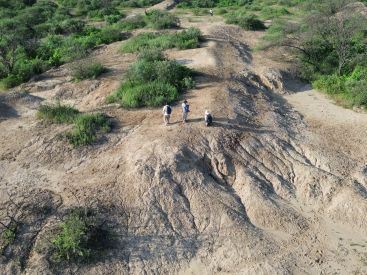
This year, we will return to HPBG to close that gap. Our main goal is to understand how ordinary communities lived, worked, and interacted with major regional centers like Tambo Real, the Sicán Archaeological Complex or Tucumé. Based on the early excavations at HPBG, we expect to encounter a diverse array of well-preserved remains to shed light on long-term habitation of the site, including human burials, food residues (animals and plants), bone, stone and metal tools, all of which will add to our broader understanding of Lambayeque’s dynamic social, political, economic and cultural past.
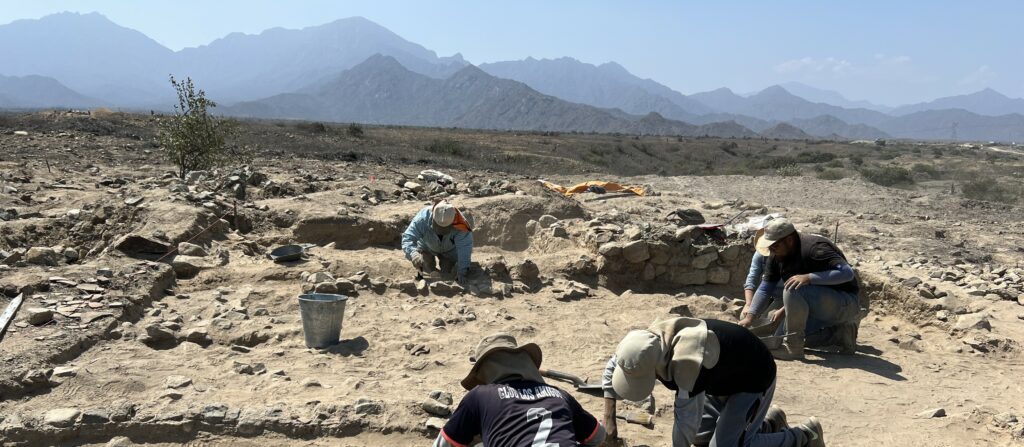
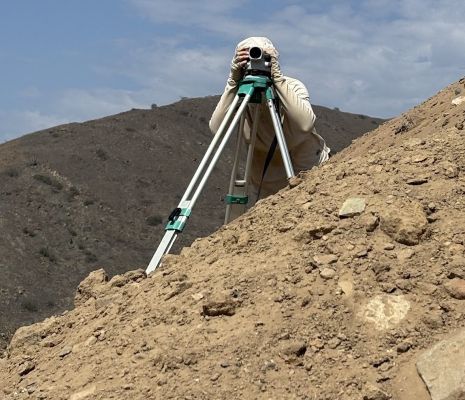
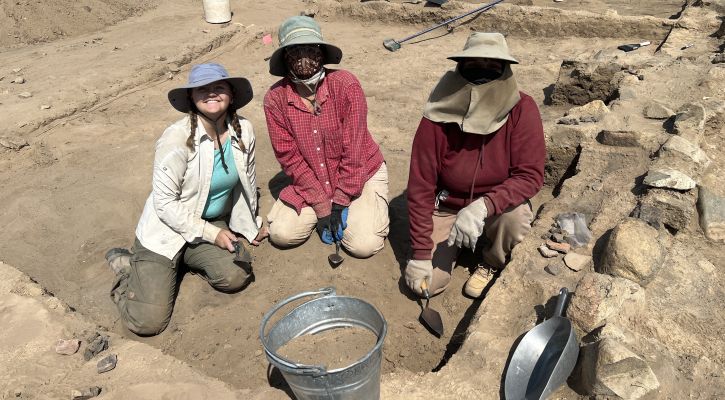
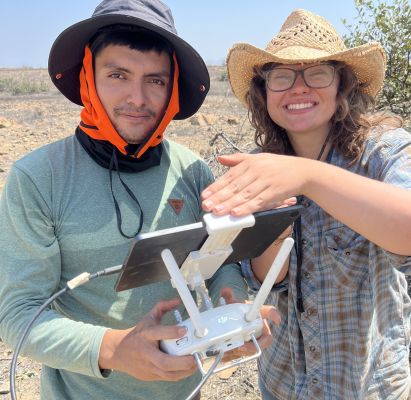
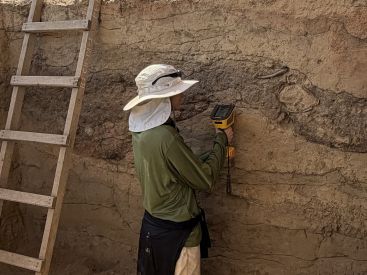
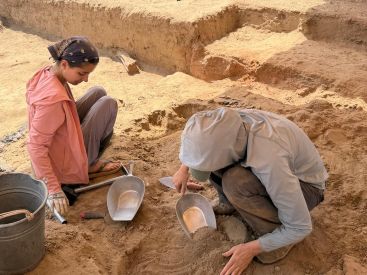
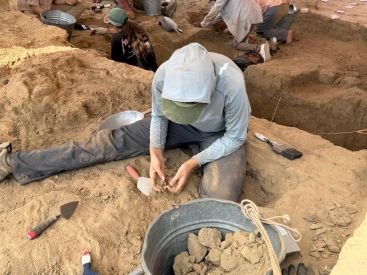
Students will learn from the ground up how to be responsible archaeologists while being actively involved in a real-world research project. We will begin with bootcamp-style asynchronous training for beginners on how to conduct systematic archaeological investigations to answer research questions, and when and how to apply an array of techniques and technologies for studying the past. We will then move directly into the field. Through hands-on practice, students will conduct excavations, as well as non-destructive diagnostic analysis such as drone-based regional surveys or chemical compositional analysis of soils using portable X-ray fluorescent (XRF) analyzer. Both in the field and in the lab, students will be working alongside Peruvian colleagues and peers and will learn to excavate and study archaeological remains responsibly and ethically, while engaging in international cultural exchange.
Period(s) of Occupation: Middle Horizon, Late Intermediate, Late Horizon
Notes:
Tuition is $4,975; Earn 8 Semester Credit Units through our School of Record -- Culver Stockton College
Project Size: 1-24 participants
Minimum Length of Stay for Volunteers: Full Session
Minimum Age: 18 years old
Experience Required: None. This is a hands-on, experiential learning opportunity and students will study on-site how to conduct archaeological research under the direction of a range of specialists in the field. Field work involves physical work and exposure to the elements and thus requires a measure of understanding that this will not be the typical university learning environment. You will have to work outdoors in physically demanding environments, and students will get sweaty and physically tired. Students are required to come equipped with sufficient excitement and an adequate understanding that fieldwork requires real, hard work, in the sun and wind. The work requires patience, discipline, and attention to detail.
Room and Board Arrangements:
Included in tuition cost
Academic Credit:
8 Semester Credit Units through our School of Record -- Culver Stockton College
Dorian Chee
5335 W Adams Blvd Suite 106
Los Angeles
CA
90016
U.S.
Phone: (323) 740-1805