Location: 856X+32 Kvemo Orozmani, Georgia
Season: July 6, 2026 to August 29, 2026
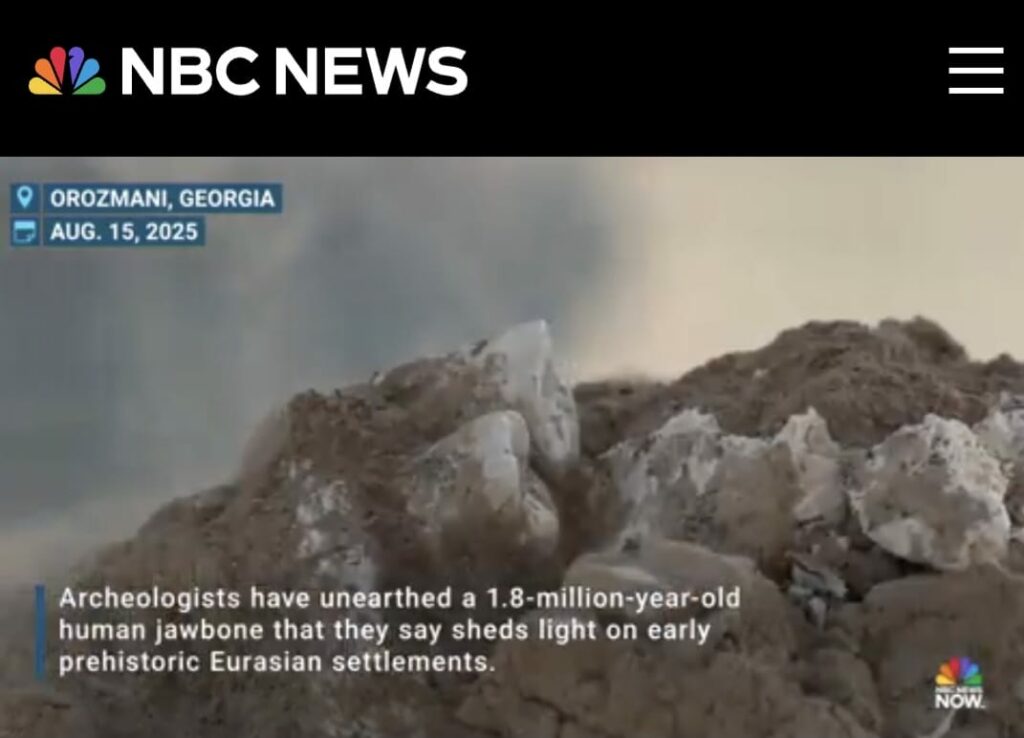
Session Dates: Season 1 - 06/07/2026-01/08/2026 USD3000. Season 2 - 03/08/2026-29/08/2026 USD3000. Tuition covers full cost of instruction, room & board and transportation from Tbilisi (capital city of Georgia) to the dig house and back at the end of the field school. Due to high demand following the 2025 mandible discovery, spots are strictly limited.
Application Deadline: June 15, 2026
Deadline Type: Rolling
Website: https://www.facebook.com/orozmani/
Program Type:
Field School
RPA Certified:
No
Affiliation:
National Research Centre of Archaeology and Prehistory of Georgia
Project Director:
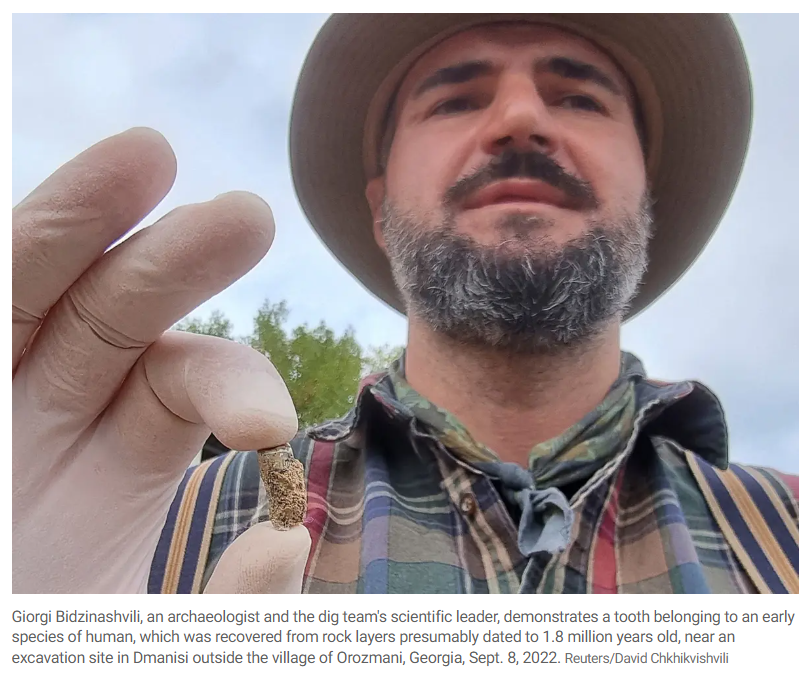
Giorgi Bidzinashvili, National Research Centre of Archaeology and Prehistory of Georgia
Project Description:
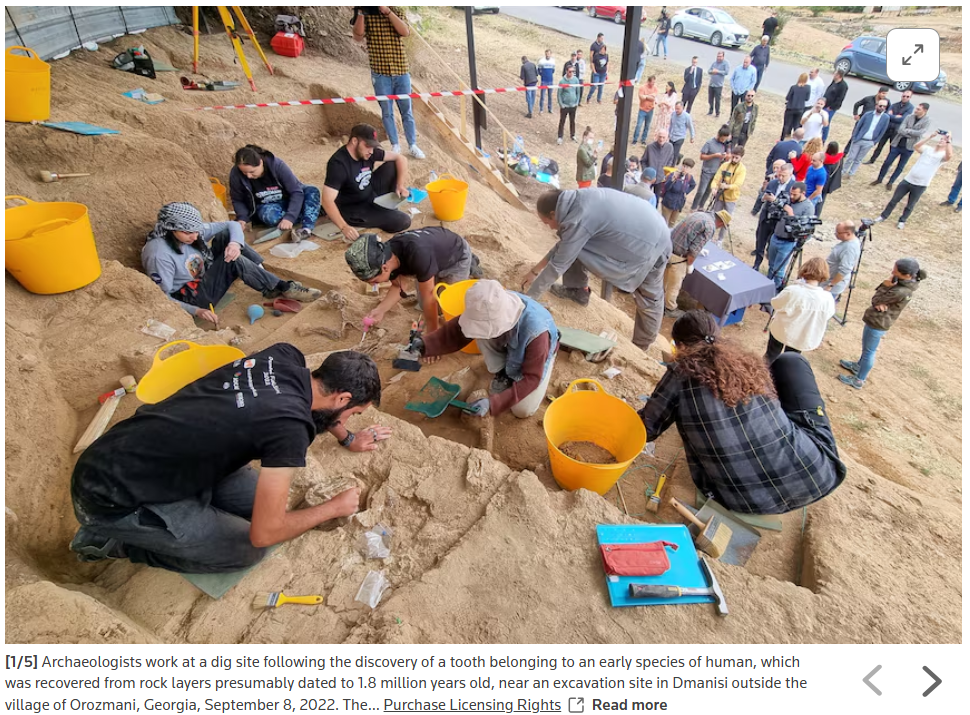
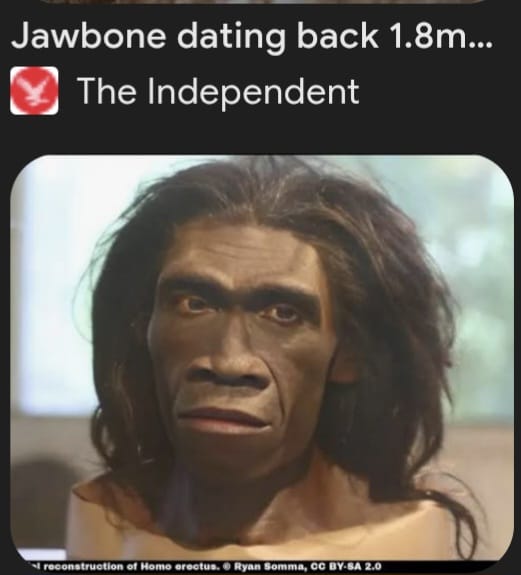
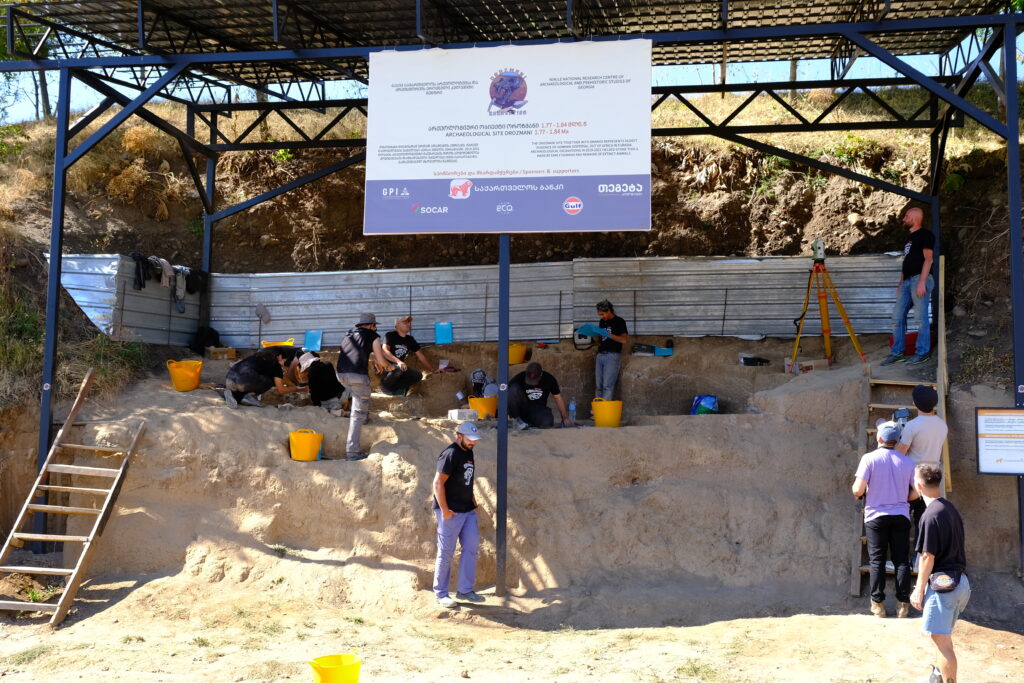
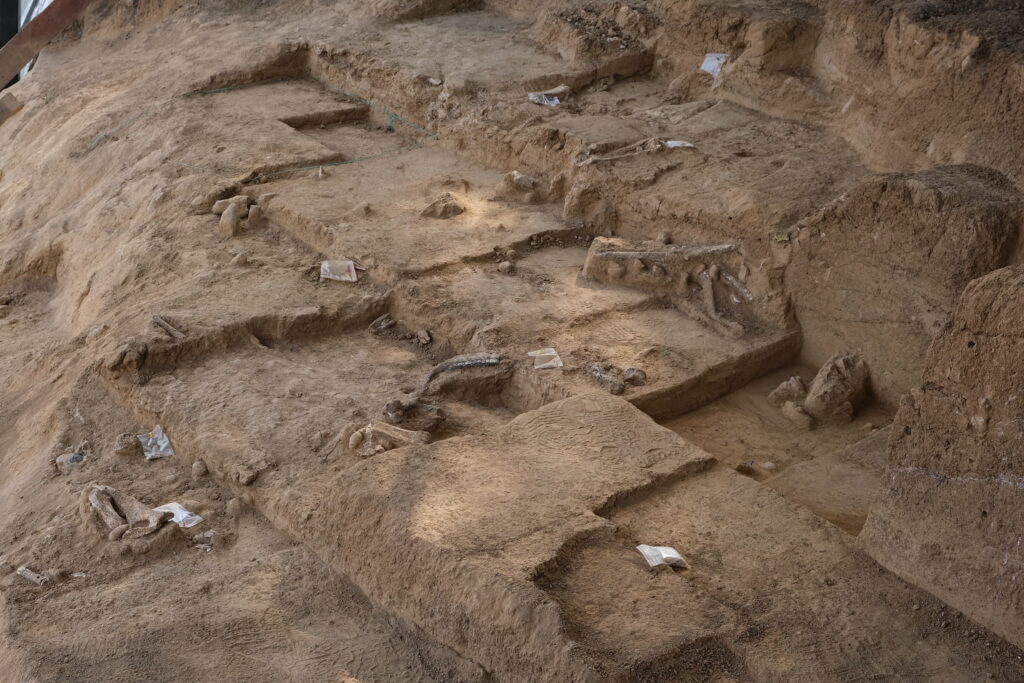
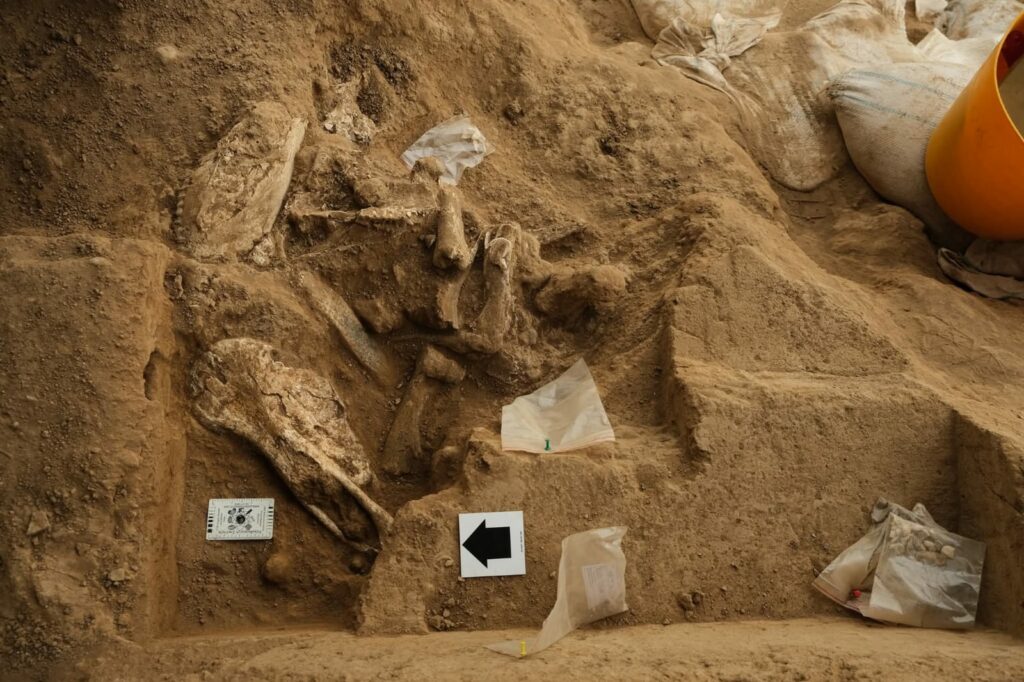
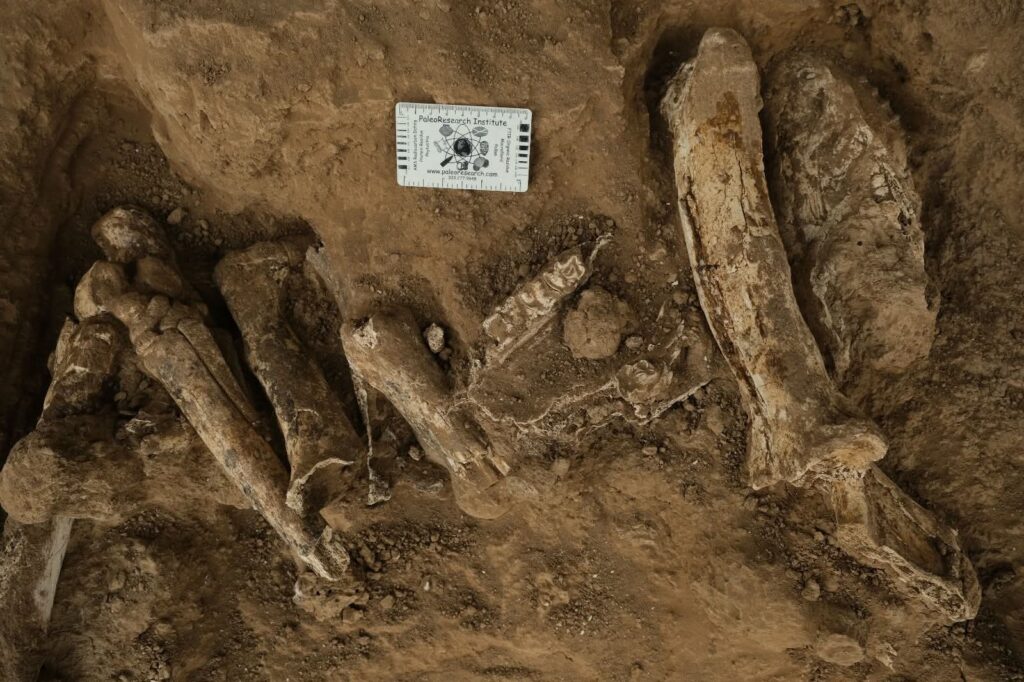
Located 100 km south of the capital city of Tbilisi, the Early Stone Age site of Orozmani offers insights into the presence of humans in the Caucasus around 1.8 million years ago. The first extensive archaeological excavations started in 2019. Early Pleistocene fossils of extinct animals and stone tools were found. Now considered an archaeological site, a small excavation (~16m2) was initiated in 2021 and the site’s global importance was cemented by the discovery of a hominin premolar in 2022 and the groundbreaking find of a hominin mandible in 2025. These fossils, associated with early Homo erectus, offer a frontline look into the first human dispersals out of Africa. Along with the hominin fossils hundreds of prehistoric animal bones, and dozens of stone artifacts were also discovered. Further exploratory surveys in 2021-2022 revealed an extension of the fossil-rich sediments in each direction, indicating that the fossil deposits and archaeological site could be on the scale of thousands of square meters.
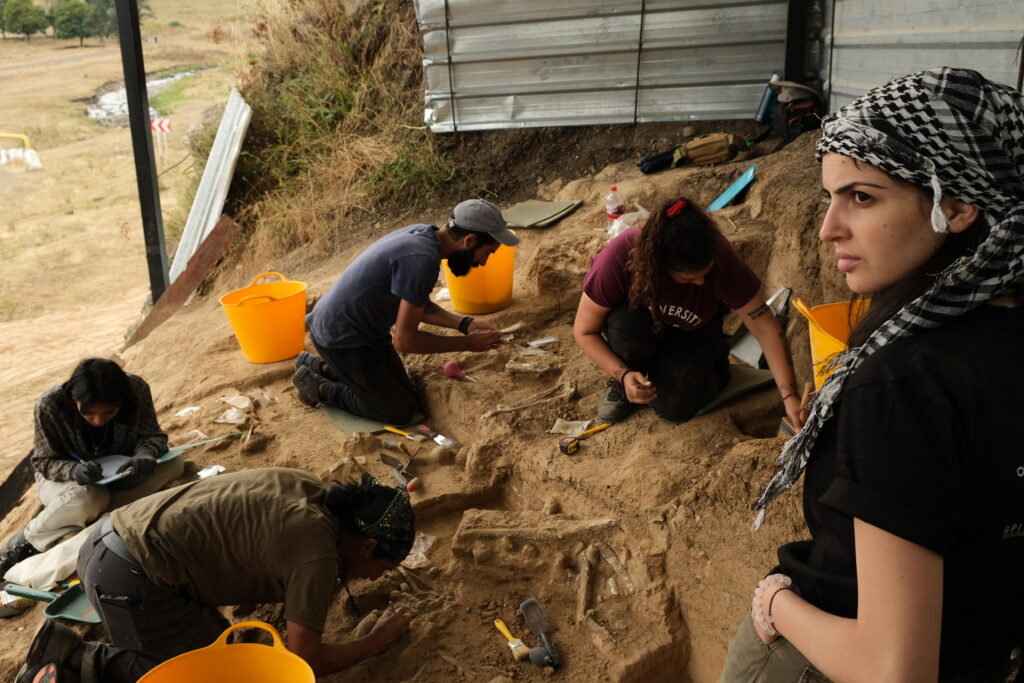
What distinguishes Orozmani is the extraordinary preservation of its paleontological record. Approximately 70% of the faunal remains are discovered in anatomical articulation, providing a rare opportunity to study site formation and taphonomy in an undisturbed 1.8 Ma primary depositional environment.
The site is extremely important because of its proximity (20 km) to one of the most famous prehistoric site in Eurasia, Dmanisi which boasts the earliest (1.8 million years) Hominin (H. erectus), remains outside of Africa. Stratigraphically between two basalt layers, the deposits of the Orozmani site are dated to around 1.8 Ma.
The Orozmani excavations are run by members of the Dmanisi Team who have extensive experience in excavating and studying prehistoric sites.
Who Can Apply: We welcome students (18+) from all backgrounds. No prior experience is required—just an open mind, a passion for discovery, and sharp eyes.
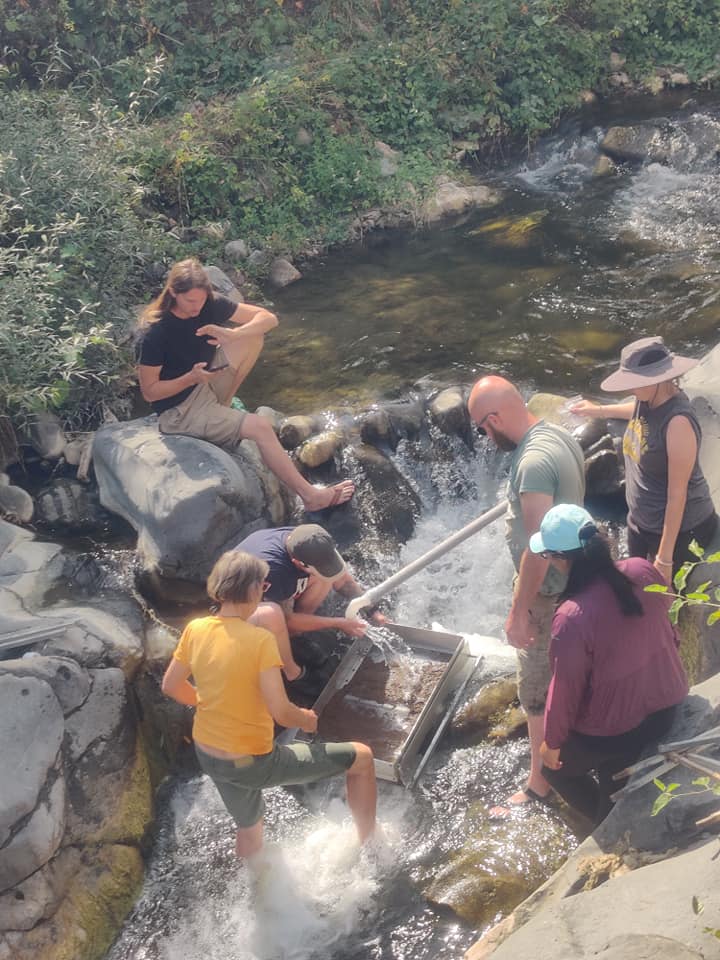
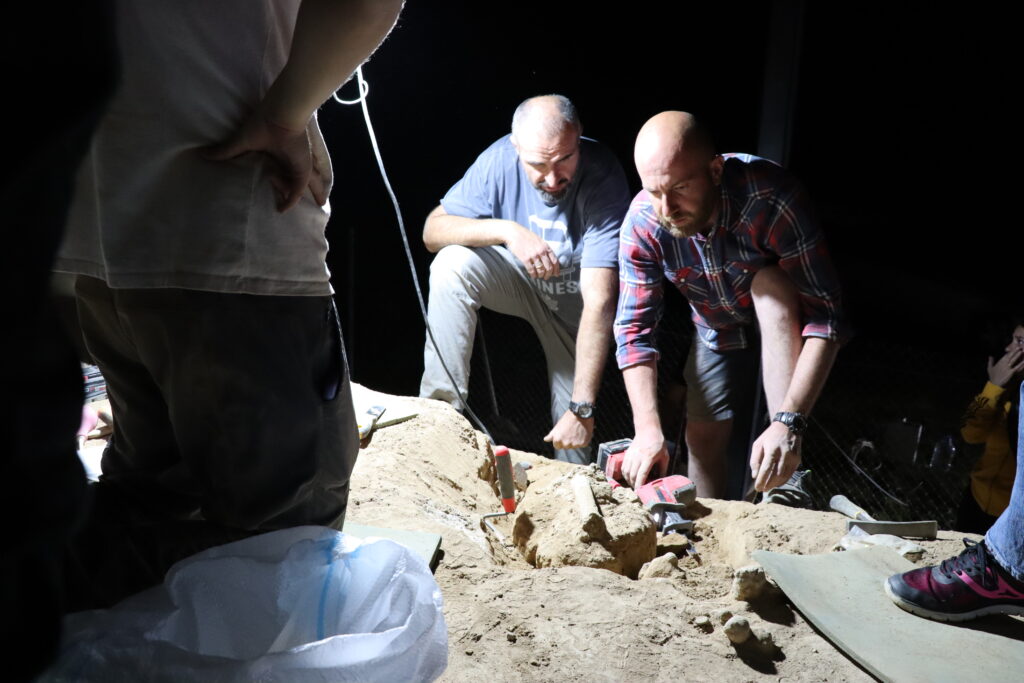
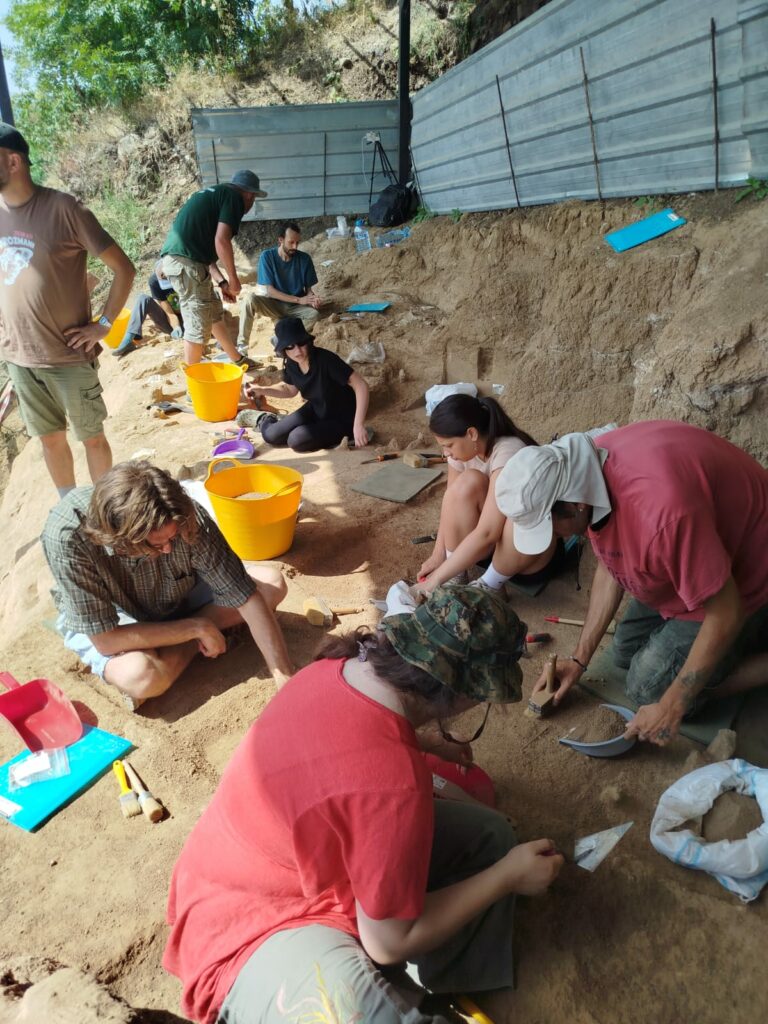
Description of Field School: This program deals with the beginning of the hominin occupation of the Eurasian continent. Practical works at the site and lectures by famous scientists from all over the world (Georgian National Museum, Indiana University Bloomington, University of Helsinki, Max Planck Institute, Universitat Autonoma de Barcelona, Universidad Rovira I Virgili, Nanyang Technological University, etc.) will give participants a unique opportunity to develop archaeological and paleoanthropological methods, learn about the prehistory of the region, and contribute to the long story and adventure of some of the first humans in Eurasia.
Comprehensive Multi-Disciplinary Curriculum
Unlike shorter programs, Orozmani offers one full month of deep scientific immersion. This extended duration ensures you don’t just “visit” a site, but become a true part of the research team, mastering complex methodologies and contributing to meaningful scientific data.
Orozmani Advantage: 100% Career Success
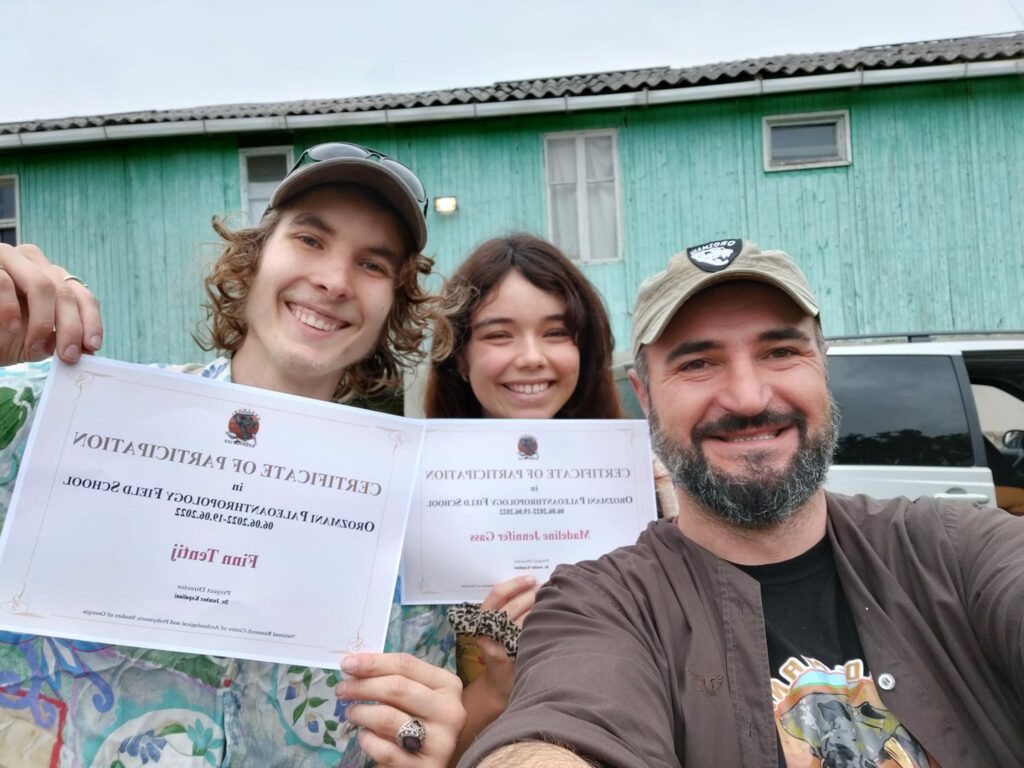
We build the next generation of researchers. Majority of our alumni from the 2021, 2022, and 2025 seasons have successfully advanced to prestigious Master’s programs with full scholarships or secured professional roles in leading museums and international archaeological firms.
Culture, Cuisine & Exploration
Period(s) of Occupation: Oldowan / Early Pleistocene / Early Paleolithic / Early Stone Age
Notes:
Field working days Monday-Friday 09:00-16:00 (1-hour lunch break 12:00-13:00).
2-3 lectures per week at 19:00.
Lab work on Saturday.
At the end of a perfect day, relax and gather around a fire with other volunteers and
organizers, talk about the day’s impressions, and enjoy delicious Georgia food,
barbeque, and wine.
APPLICATION FORM IS ATTACHED AS A FLYER!!!
Project Size: 1-24 participants
Minimum Length of Stay for Volunteers: 4 weeks
Minimum Age: 18
Experience Required: None
Room and Board Arrangements:
The participants will live in the dig house with shared bedrooms for 2-4 people, shared bathrooms, a washing machine, and an internet connection.
The participants will be provided with bedsheets (sleeping bags are not necessary, but participants may bring them as preferred).
The field school will provide breakfast, lunch, dinner. These meals will include different local dishes, fresh fruits and vegetables, and a selection of beverages, including famous Georgian natural wine. Accommodations can be made for dietary restrictions (vegetarian, vegan, etc.) as needed.
Giorgi Bidzinashvili
91.A Uznadze Street
Tbilisi
0102
Georgia
Phone: +995595145186