Location: PFJ4+PR Bencatel, Portugal
Season: July 26, 2026 to August 29, 2026
Session Dates: 2 week session: July 26 - August 9 | 3 week session: August 9 - August 29 | 5 week session: July 26 - August 29
Application Deadline: May 1, 2026
Deadline Type: Rolling
Website: https://www.casteloproject.com/
Program Type:
Field School
RPA Certified:
No
Affiliation:
Castelo Archaeological Project
Project Director:
Bianca Viseu
PhD Student in Archaeology, University of Lisbon
MA Archaeology, McMaster University
Rui Mataloto
Archaeologist & Cultural Officer, Municipality of Redondo
MA Archaeology, University of Lisbon
Gonçalo Bispo
MA Archaeology, University of Lisbon
Project Description:
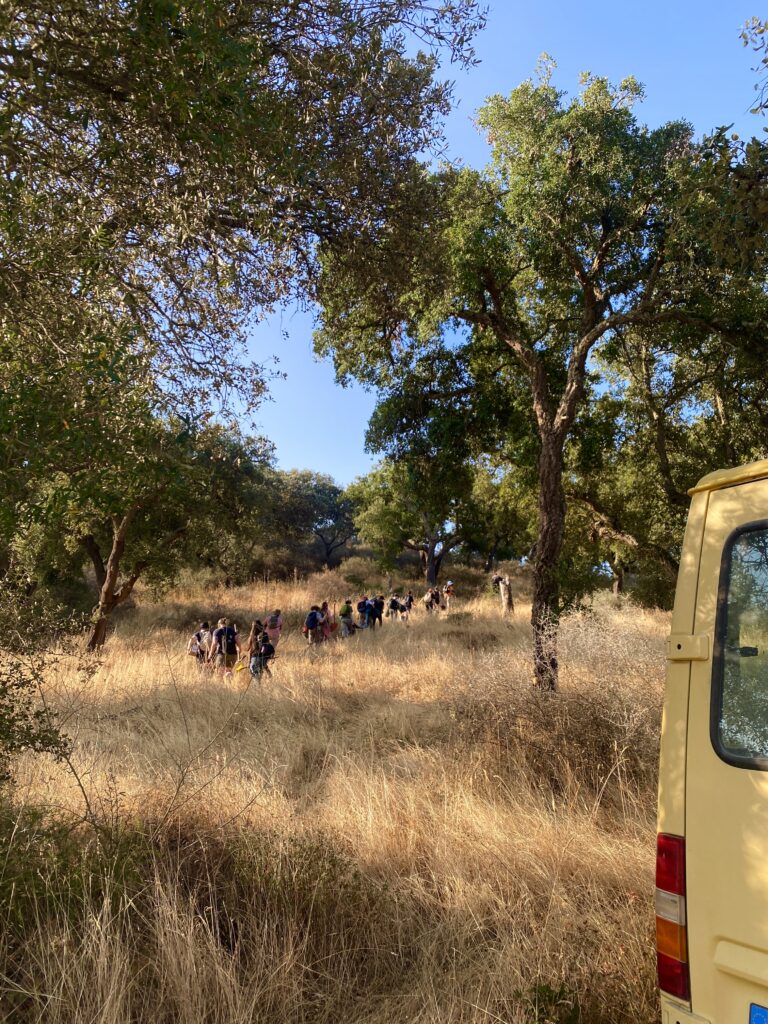
The Castelo Archaeological Project is seeking applicants for our seventh season of excavation at the site of Castelo Velho da Serra d’Ossa and for our second season of excavation at the site of Martes, both located in the Alentejo region of Portugal. Students will be housed in the nearby town of Redondo.
Students who wish to join our 5 week session will have the unique opportunity to excavate two separate Bronze Age sites – Martes for the first two weeks and Castelo for the final three weeks of the project. Students who join us for Martes will also have the opportunity to excavate a Neolithic dolmen.
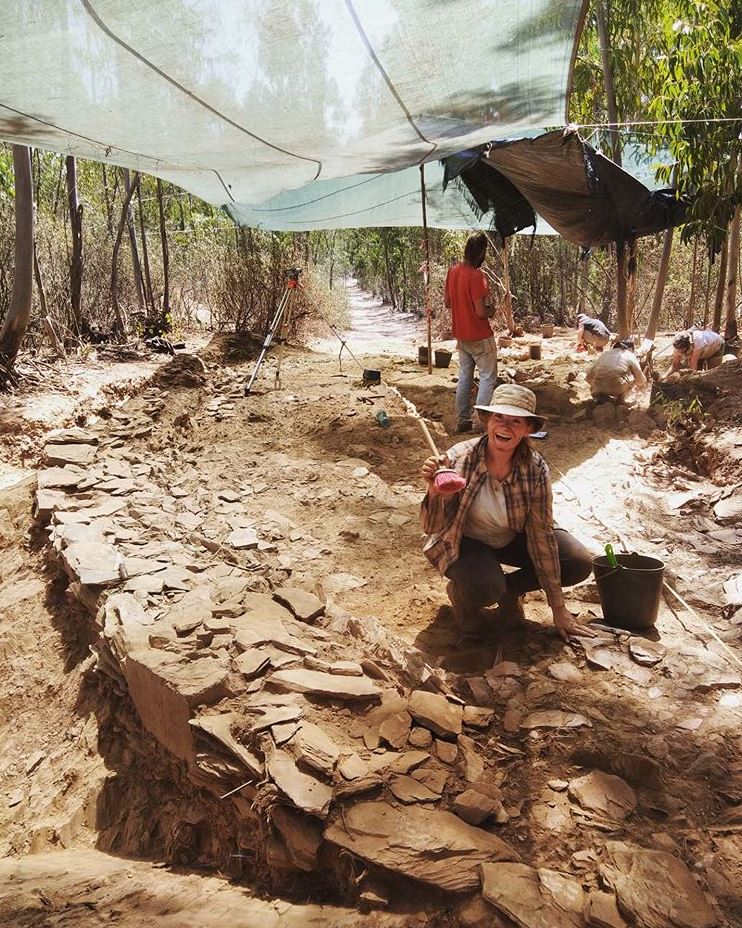
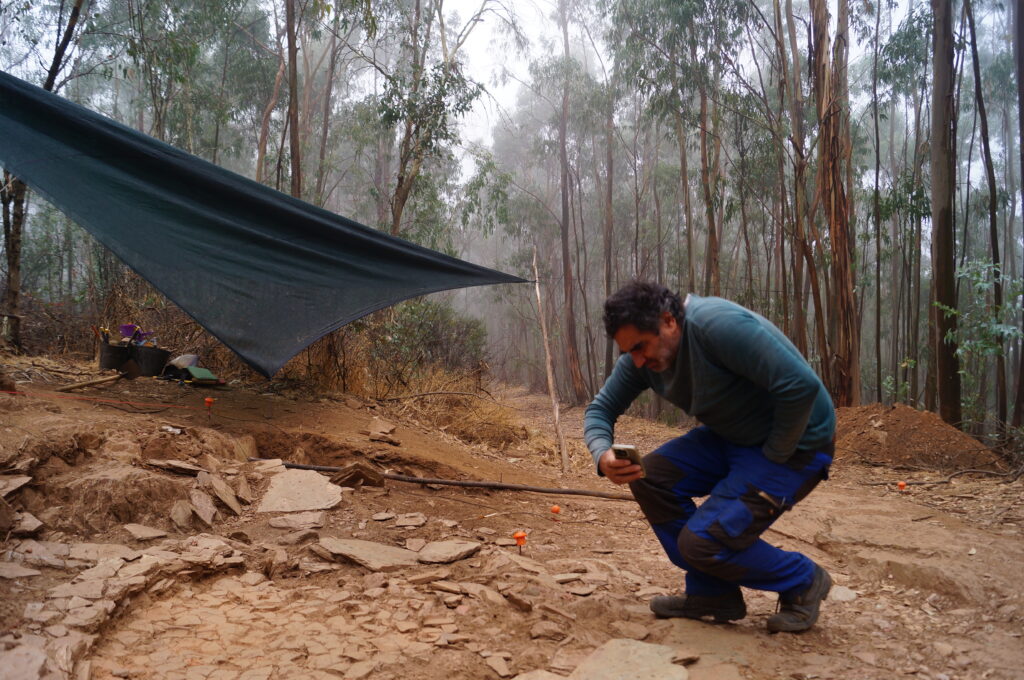
Castelo, a settlement approximately 14 ha in size and located at one of the highest points in the region, dates to the Late Bronze Age [LBA] and Iron Age of southwest Iberia. Castelo underwent a brief investigation in the early 2000s to safeguard surface artifacts in danger of being destroyed. Our 2018 season was the site’s first comprehensive excavation and uncovered the largest known Bronze Age hut (cabana) in the southwest of Iberia. Work on the hut and additional areas of the site continued during the 2019, 2022-2025 seasons. This work has revealed several structures, including overlapping huts, platforms, hearths, and a surrounding defensive system.
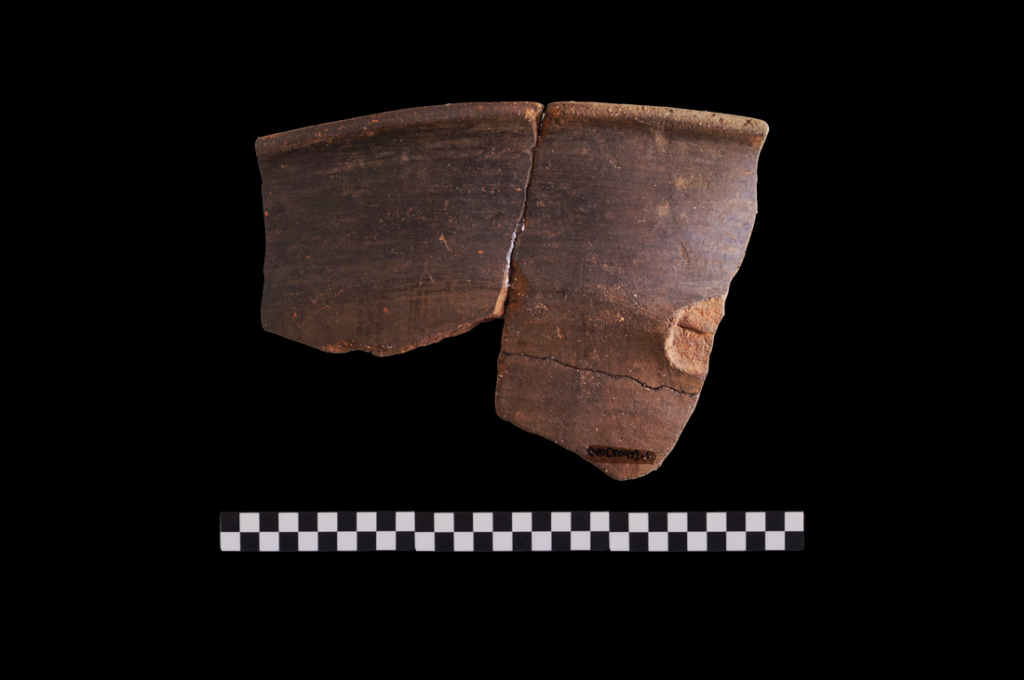
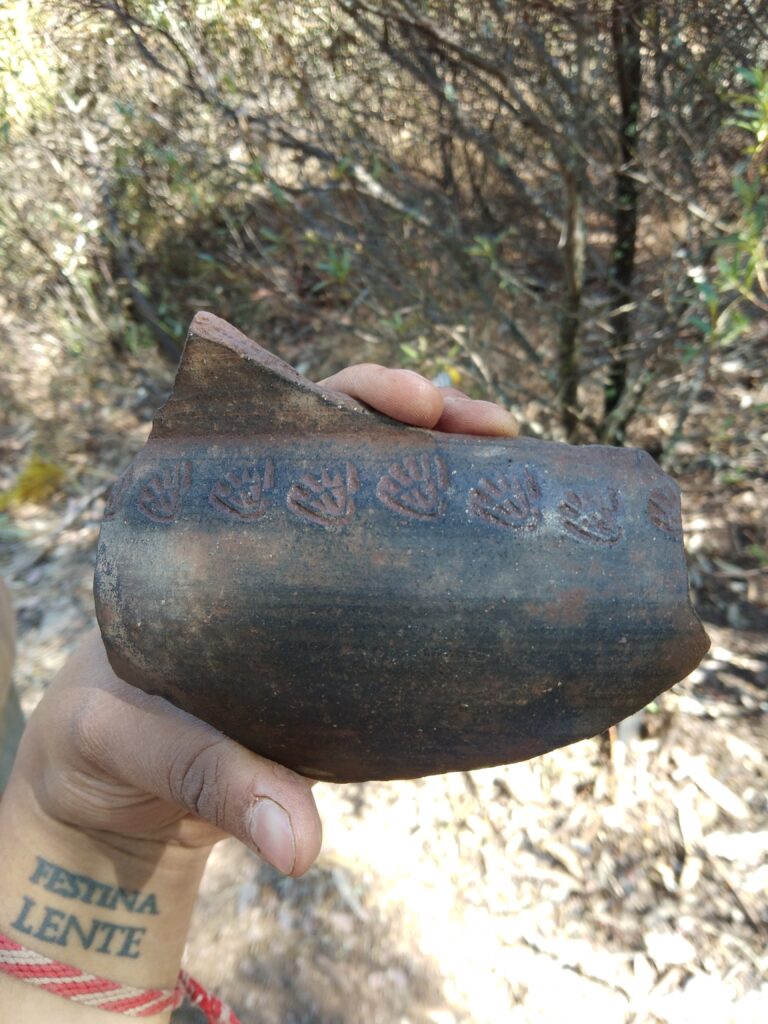
Martes is a smaller Late Bronze Age site (1 ha) located on a low hilltop approximately 10 km away from Castelo. The site was previously only surveyed but not formally excavated until 2025. Our first season of excavation confirmed what survey had noted: the presence of handmade ceramics typical of the LBA and evidence of metallurgical production. The end of our 2025 season revealed a LBA structure and our 2026 season intends to further explore this area. In 2026, students will also have the opportunity to excavate the nearby Neolithic dolmen of Martes as during the regional Bronze Age we see the re-use of megalithic monuments. In turn, excavation at the dolmen aims to explore this possibility.
The LBA of the southwest has long been characterized by the apparent emergence of a new culture associated with defensiveness and warriorship, as represented by stone stelae depicting warrior iconography found in the wider region and the emergence of large, fortified sites that appear during this period. Unfortunately, there has been a distinct lack of site-level investigations and data, thus leading to insufficient and generalizing interpretations of the LBA. Our project aims to contribute toward a more comprehensive understanding of this understudied period.
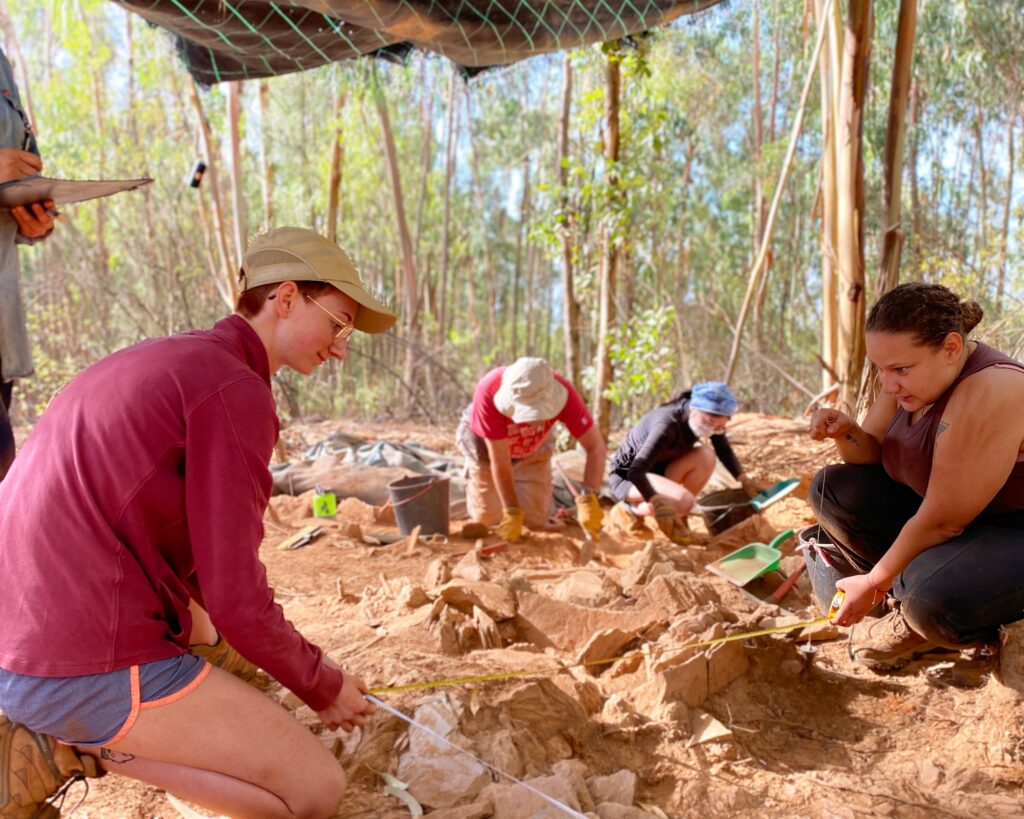
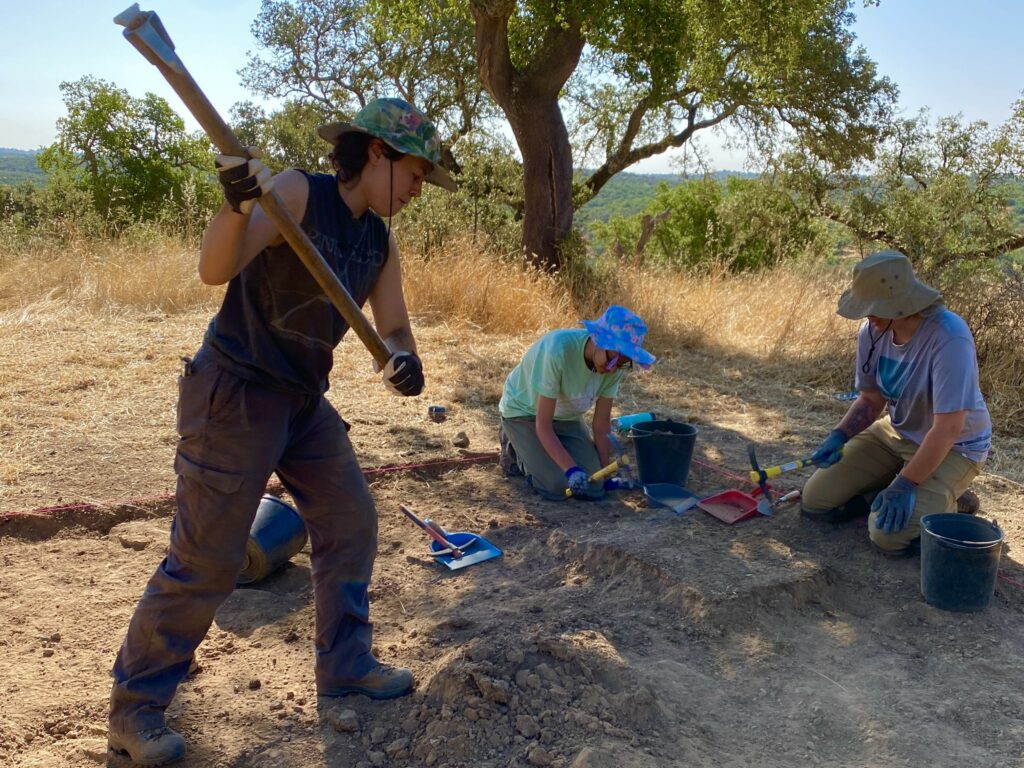
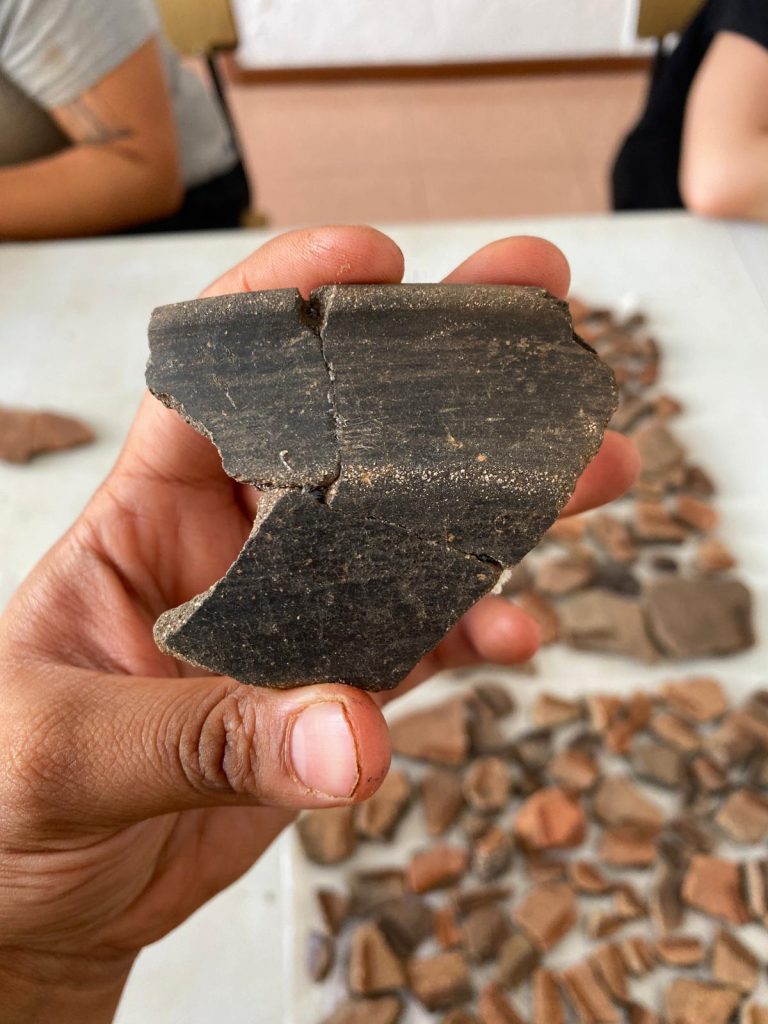
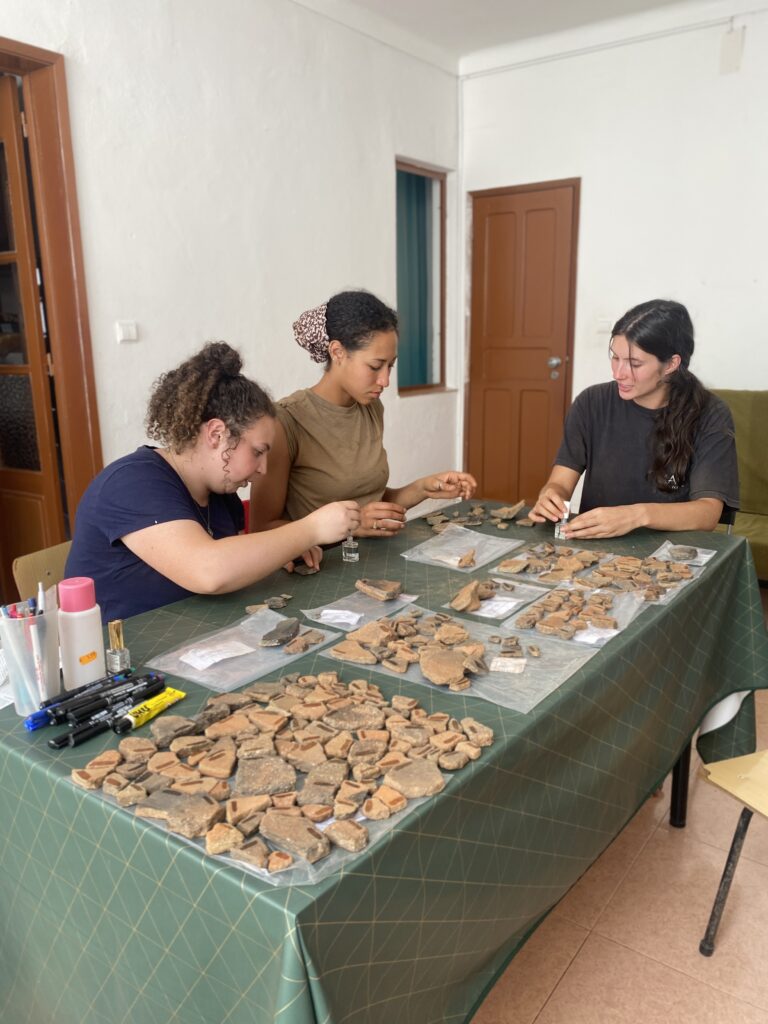
Prior experience in archaeology is not required and students of all backgrounds are encouraged to apply. Please note that archaeological field and lab work can be physically and mentally challenging – so a positive attitude is important! This field school will train students in archaeological methods, such as excavation techniques, mapping/recording, illustration, and the handling and cataloguing of artifacts. The field school will take students on weekly field trips to historical and archaeological sites and towns in Portugal and Spain.
Tuition for the 5 week session at Castelo & Martes (including room, board, and transportation within Portugal) is €2125 EUR.
Tuition for the 3 week session at Castelo (including room, board, and transportation within Portugal) is €1425 EUR.
Tuition for the 2 week session at Martes (including room, board, and transportation within Portugal) is €1025 EUR.
Since 2018, our field school has trained over 75 students representing over 50 universities from around the world. Many of our students have gone on to pursue archaeology at the graduate level and have successfully secured jobs in commercial archaeology in the US, Canada, and the UK.
Please visit our website for information on scholarship opportunities and how to apply.
Period(s) of Occupation: Neolithic, Bronze Age, Late Bronze Age, Iron Age
Project Size: 1-24 participants
Minimum Length of Stay for Volunteers: 2 weeks
Minimum Age: 17 years old
Experience Required: None
Room and Board Arrangements:
Accommodation: Students will be housed together in the town of Redondo. Most rooms will be shared by two or more students, and sometimes on bunk beds. Sleeping arrangements will be gender-separated. There is no air conditioning in the houses. Spaces are communal - there is a shared kitchen, bathroom, washing machine, and living room. Students will be responsible for cleaning these spaces and doing the assigned chores. Students will do their own laundry.
Meals: On weekdays, the field school provides students with three meals per day. Breakfast is provided at the dig house and students are expected to prepare it themselves. Lunch is served at a local restaurant. Dinner is provided by local restaurants but eaten at home. Students should expect to eat a great deal of local Alentejan cuisine. The project will do its best to accommodate dietary needs, but students must inform us of any dietary requirements, and/or allergies before paying the tuition. Due to the nature of Alentejan cuisine, we are able to accommodate vegetarian diets, but any other dietary requirements must be discussed with one of the directors.
Transportation: Students are expected to provide their own transportation to and from Portugal (Lisbon airport) as airfare is not included in the tuition. Once in Portugal, transportation will be provided by the field school. Upon arrival at the Lisbon airport on designated pick-up days (July 26 and August 9), students will be greeted by either Rui, Bianca, or Gonçalo and brought as a group to Redondo. At the end of the sessions (Sunday August 9 or Saturday August 29), students will be brought back to the Lisbon airport. Please inform us of your travel plans as far in advance as possible.
The Town: The town of Redondo is quite small but very friendly. During their free time, students are encouraged to explore and familiarize themselves with the town. Free wi-fi is available in several public spaces around town. If you’d like to get a phone plan (a cellular data plan is highly recommended) you must do this at the airport in Lisbon. Students will also have access to the outdoor community pool (wi-fi is available at the pool café) - so make sure to bring your swimsuits!
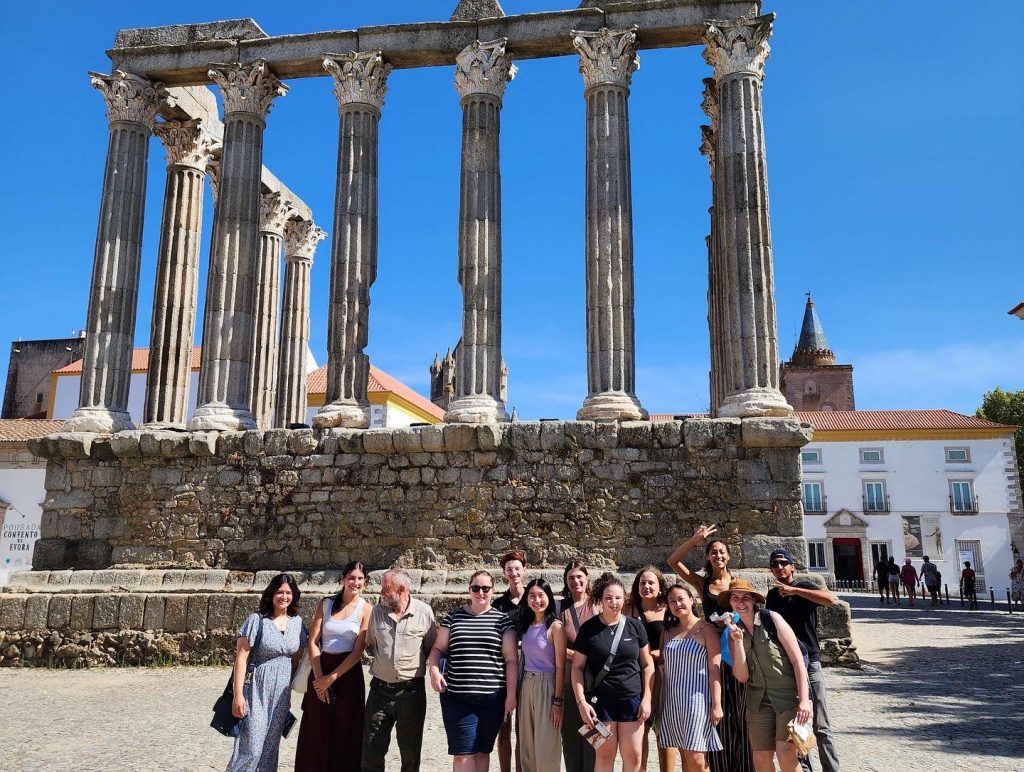
Field Trips: Each weekend, we will go as a group on field trips in the region (and occasionally to Spain) to visit historical and archaeological sites, experience cultural events like concerts and performances, and go for a swim at river beaches. Trips typically take place on Saturdays with Sundays spent in Redondo relaxing, catching up on laundry, and doing chores.
Academic Credit:
Course credit is not directly offered for this field school. However, we are happy to sign any forms you may need to get academic credit through your university, though we ask that you discuss this with us prior to the start of the project. We have had many students from the USA, Canada, and various European countries successfully obtain course credit this way. We are also happy to help you fill out your UK or AUS archaeology passport.
Bianca Viseu (PhD student, UNIARQ - Centre for Archaeology at the University of Lisbon)