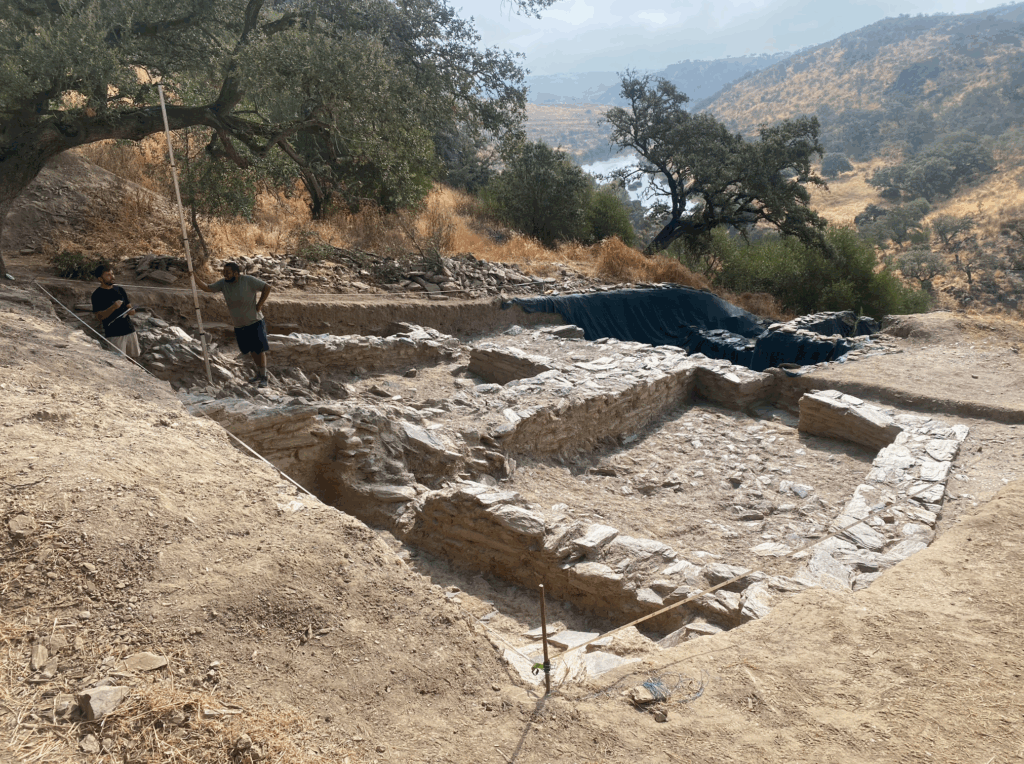
Location: 7875 Safara, Portugal
Season: July 5, 2026 to August 2, 2026
Session Dates: 5th July to the 2nd August 2026 - Please apply online http://www.swarchaeologydigs.com/apply.html
Application Deadline: June 1, 2026
Deadline Type: Exact Date
Website: http://www.swarchaeologydigs.com/cvs.html
Program Type:
Field School
RPA Certified:
No
Affiliation:
South-West Archaeology Digs (SWAD)
Project Director:
Mariana Nabais
Project Description:
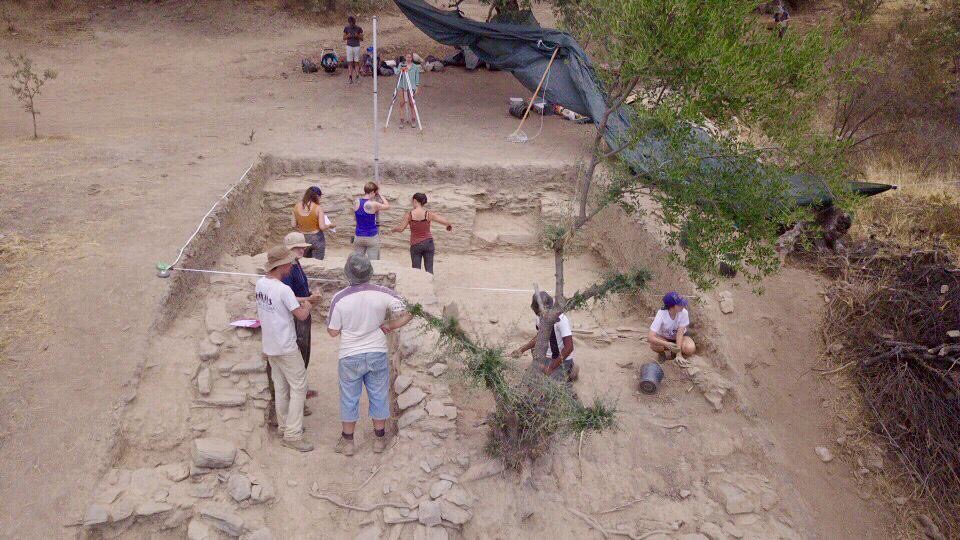
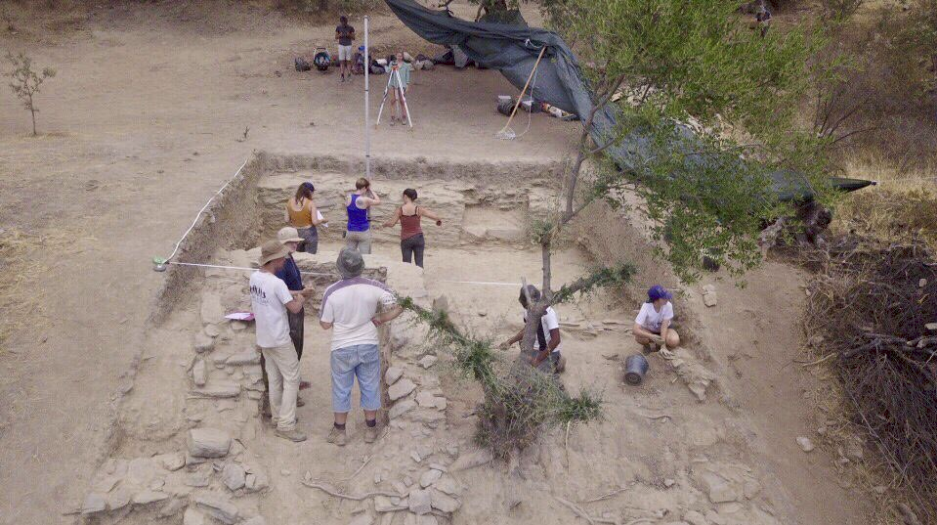
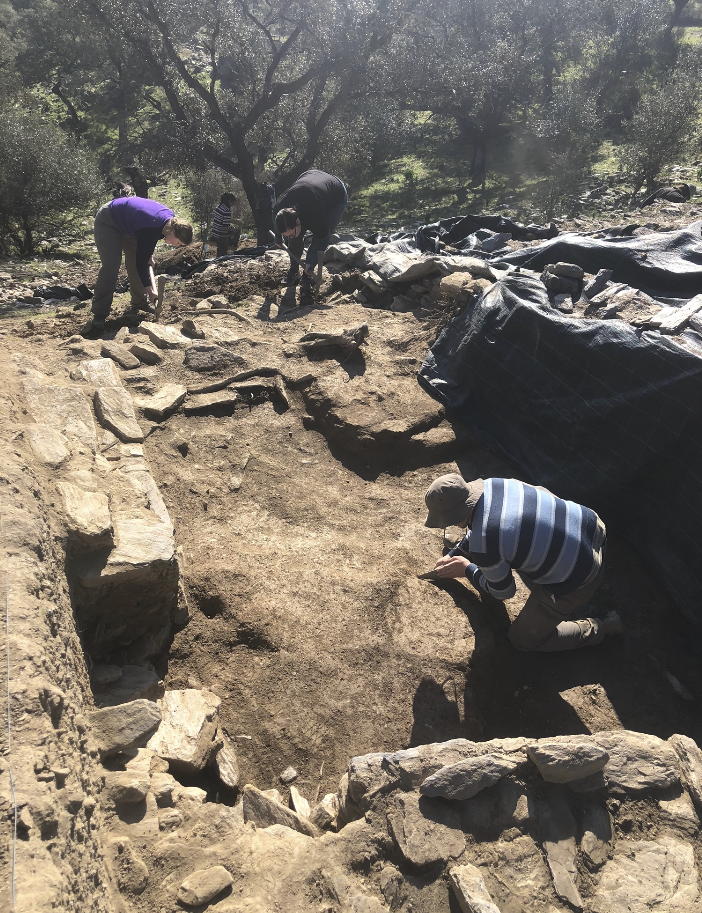
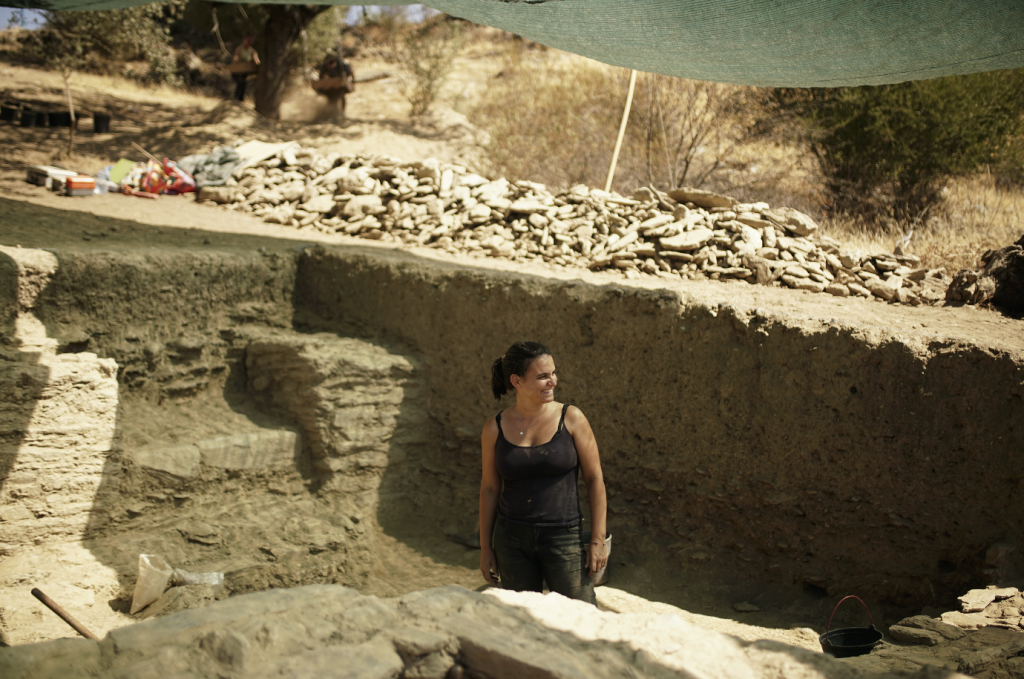
Castelo Velho de Safara is an Iron Age and Roman Republican site (dating from the 4th to the 1st century BC), on top of a prehistoric occupation dating from the Chalcolithic. It is located in the south of Portugal, at the confluence of the rivers Ardila and Safareja. Positioned on a hilltop in a commanding position, it presents defensive walls and three ditches.
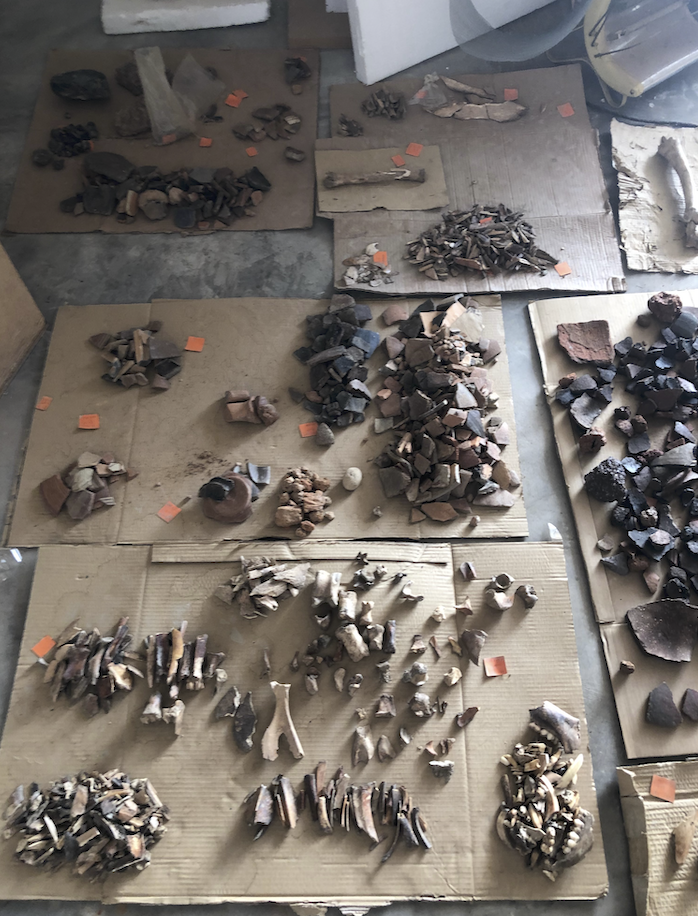
The residential area seems to be divided according to status, and evidence of metal work on site is confirmed. The site might have served as a trading post with important connections to the nearby mines of copper and silver, and with manufactured products from the Eastern Mediterranean. Castelo Velho de Safara has been known about since the 1970s, but no archaeological excavation has been conducted until 2018.
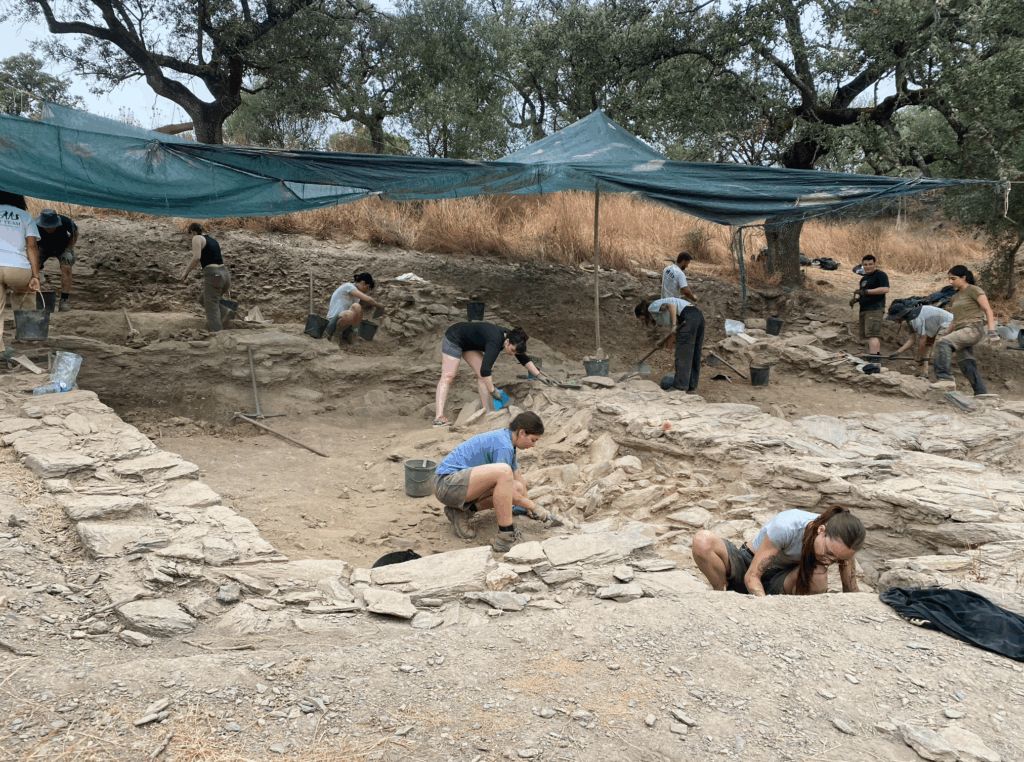
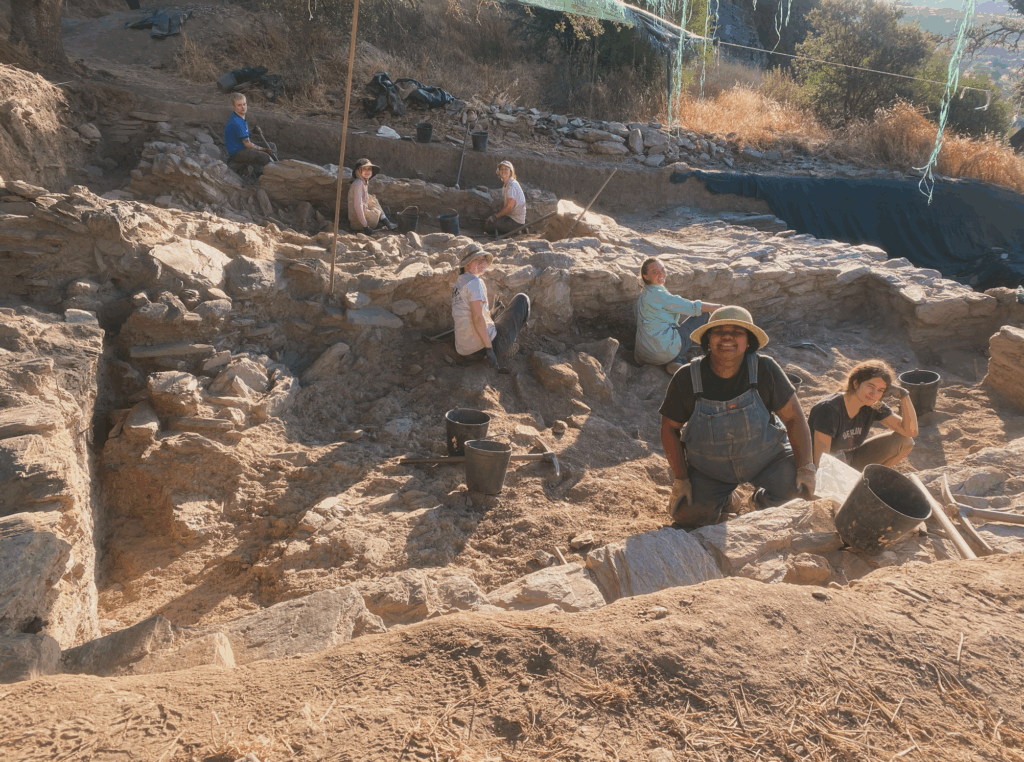
In the summer of 2026, we will be focusing on the residential area of this settlement, and we will be digging in the three Roman Republican houses found in the summer of 2023.
Period(s) of Occupation: Chalcolithic (3rd millenium BCE) Iron Age (4th century BCE) Roman Republican (1st century BCE)
Notes:
Fee is £90 a day.
You can apply for a 2-week stay, from the 5th July to the 2nd August 2026. Please apply online http://www.swarchaeologydigs.com/apply.html
Project Size: 1-24 participants
Minimum Length of Stay for Volunteers: 2 weeks
Minimum Age: 18
Experience Required: None
Room and Board Arrangements:
Room:
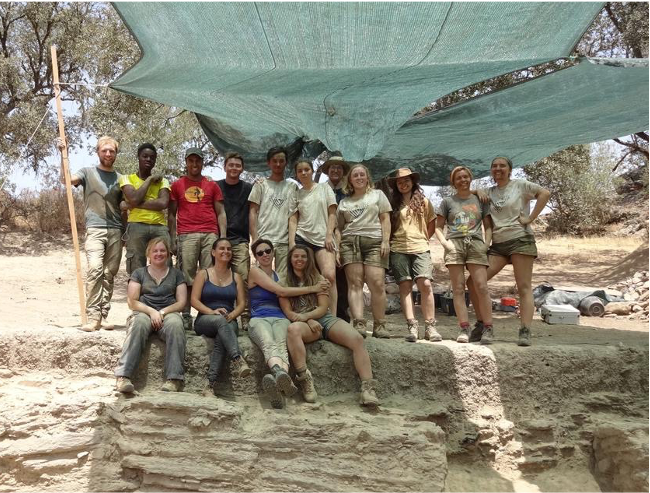
SWAD staff and students are provided with accommodation in a shared house in Safara, in the village centre. The house has three bedrooms that accommodate four students each. The kitchen, the two bathrooms, the living room and the terrace are also shared, so it is the group’s responsibility to keep them clean and tidy. A rota with basic cleaning tasks will be designed to be carried out by all participants.
Board:
Three meals and a morning snack are provided on working days. Breakfast will happen at home and students will prepare it themselves. Every participant should prepare a morning snack before leaving the house in the morning, which commonly consists of a sandwich and fruit. Lunch and dinner will be at home or at the village centre.
We will do our best to accommodate students with special dietary requirements or food allergies, but those candidates must contact us before the beginning of the project. Students will have the pleasure of eating traditional Portuguese food from the Alentejo region.
Academic Credit:
We are happy to sign any forms you may need so you can get academic credit. University College London undergraduate students are automatically credited.
Mariana Nabais
mariananabais@swarchaeologydigs.com
Lisbon
Portugal
mariananabais@swarchaeologydigs.com
Phone: +351 91 608 40 80