Location: Japanese Gulch, Mukilteo, WA, USA
Season: July 6, 2026 to July 31, 2026
Deadline Type: Contact for Details
RPA Certified:
No
Project Director:
Dr. Alicia Valentino and Ashley Pickard M.A.
Project Description:
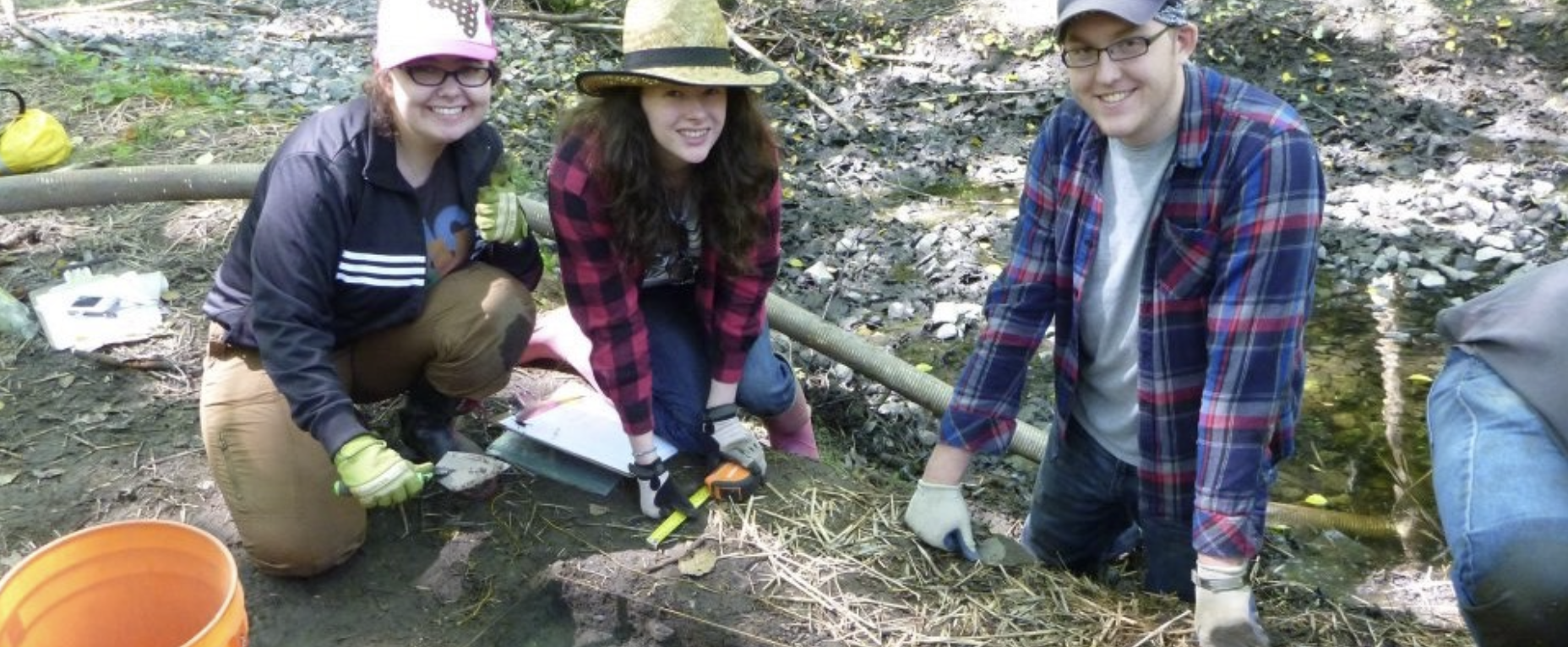
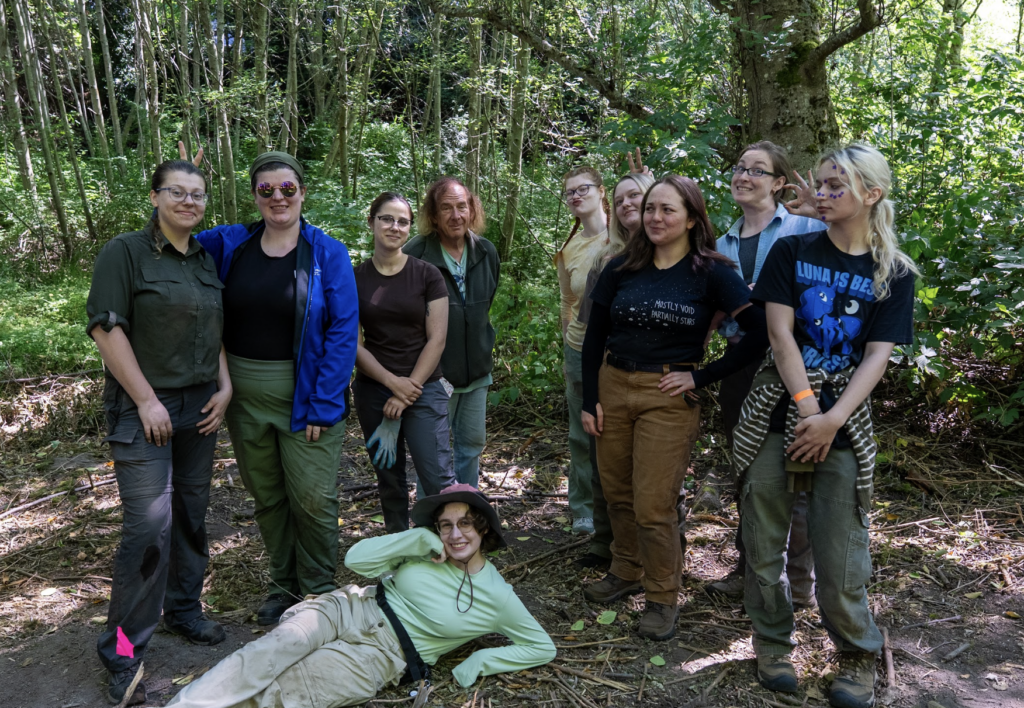
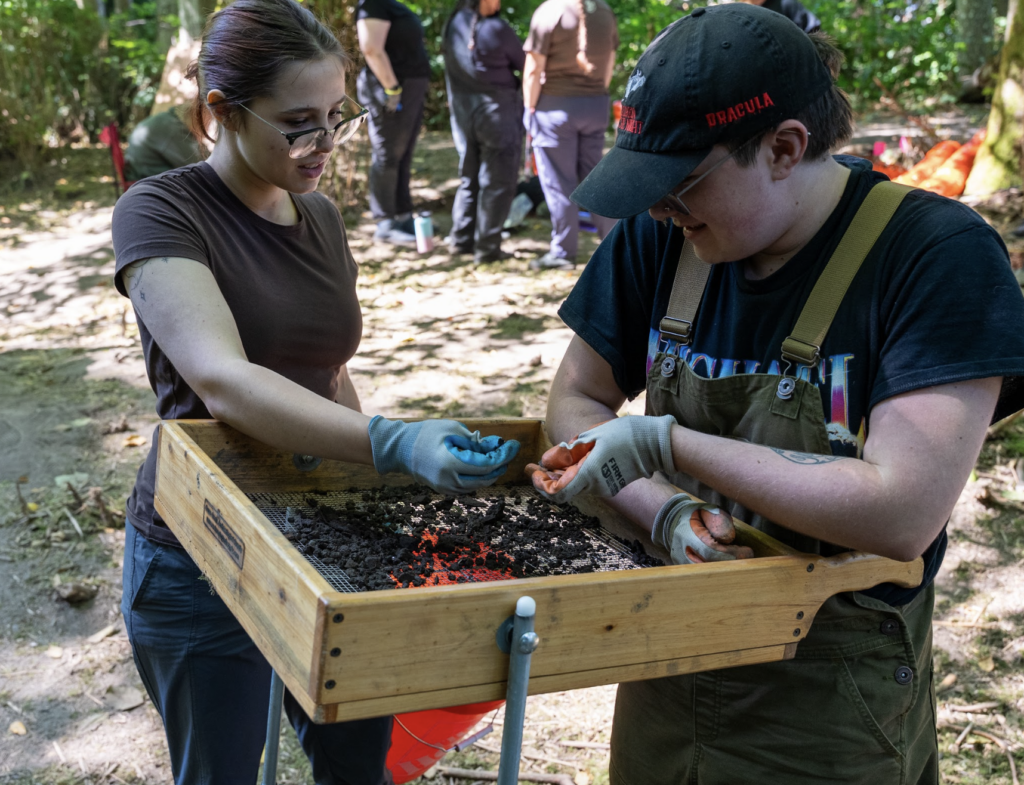
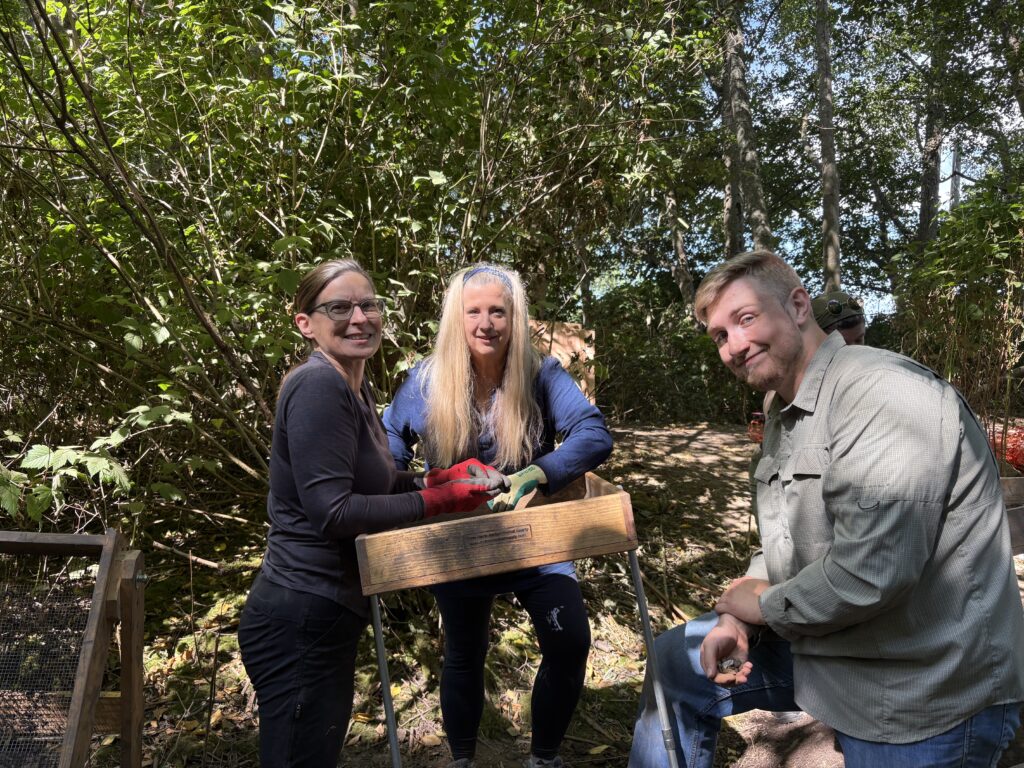
Edmonds College will be returning to Japanese Gulch in Mukilteo, Wa in July 2026 following a successful 2025 field season. Last season’s favorite artifact finds included:
Check out stories from last season:
This year students will help answer research questions relating to:
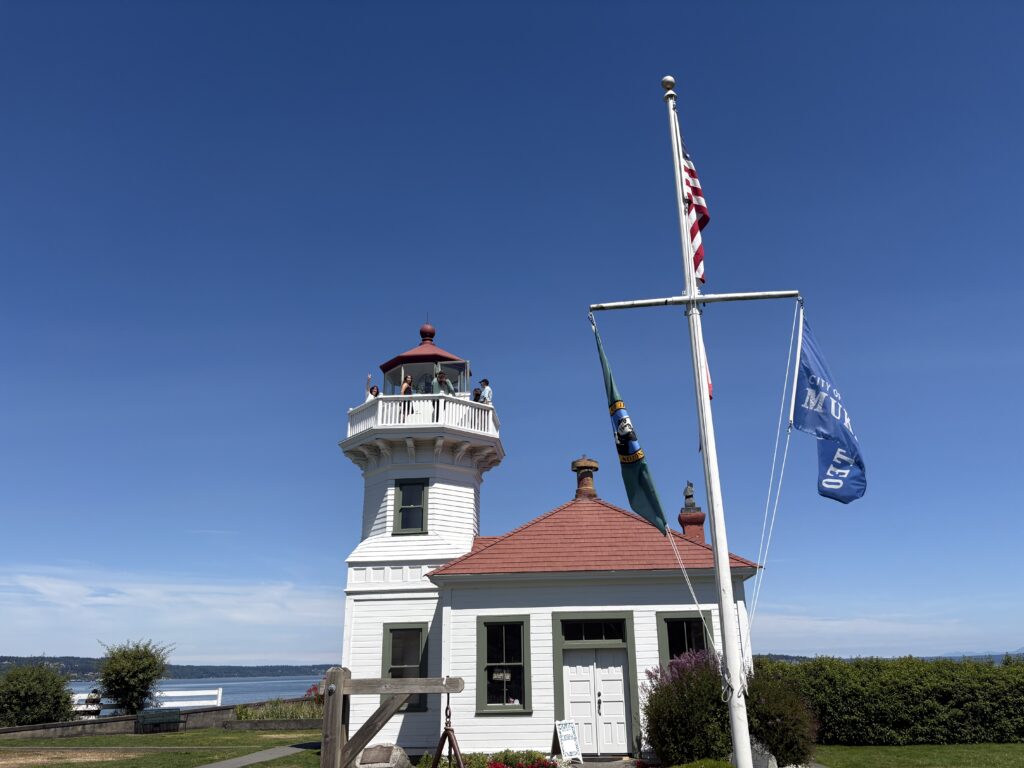
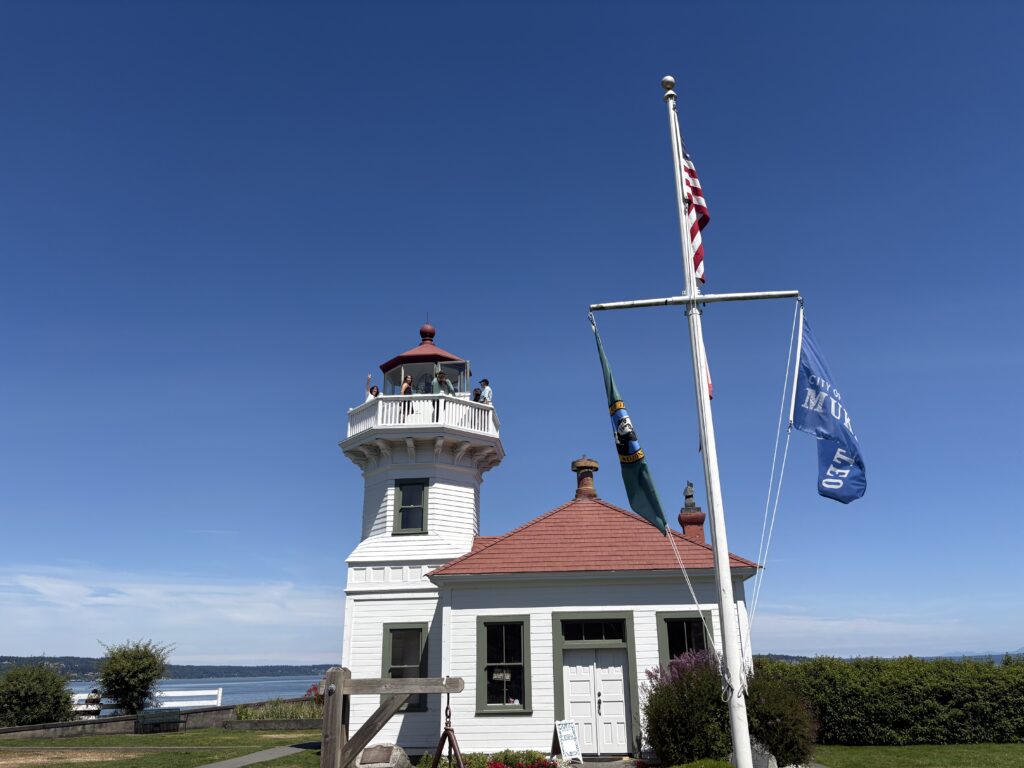
This field school is for those interested in historical archaeology, Japanese American heritage, cultural resource management training, and no prior experience opportunity. Students will take field trips to the historic town of Mukilteo, Wa and the Burke Museum. Professional archaeologists will act as guest speakers, providing expertise and networking opportunities. We have several internship opportunities this year as well.
Please visit our website for up to date registration and application information for both the field school and the internship: https://www.edmonds.edu/programs-and-degrees/areas-of-study/social-sciences-and-cultural-studies/anthropology/leaf/
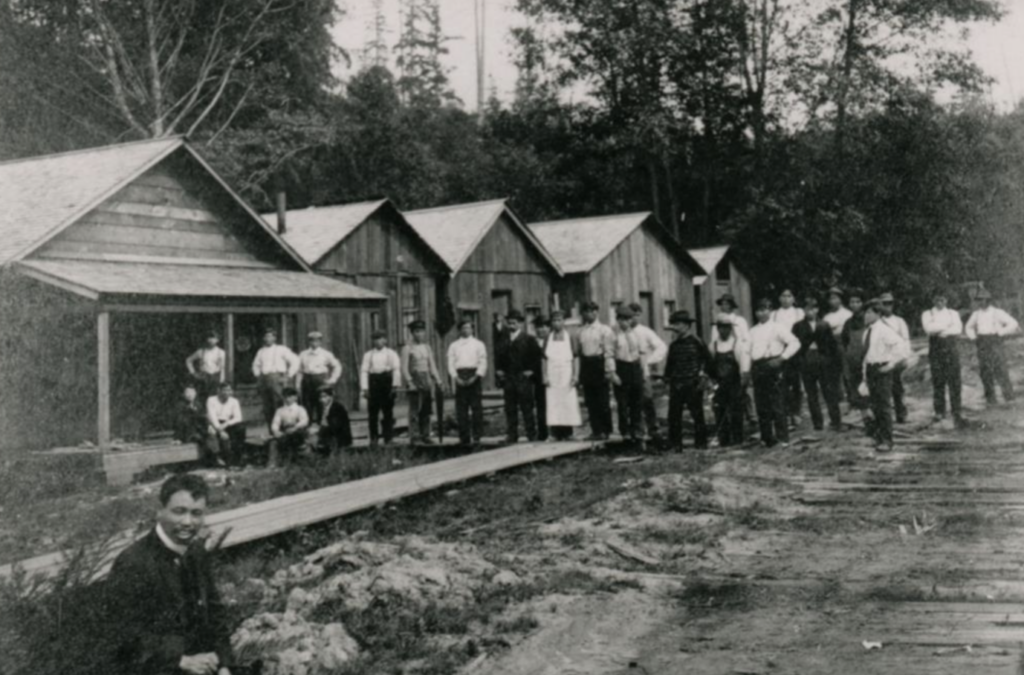
Period(s) of Occupation: Japanese Gulch developed alongside the Mukilteo Lumber Company, which began hiring Japanese workers in 1903. The community grew from 35 residents in 1903 to 100 by 1909, expanding further after the Crown Lumber Company purchased the mill. Japanese-American workers were vital to industries across the Pacific Northwest, including lumber, farming, and railroads (NWAA 2009, 14). Ethnographic accounts and archaeological evidence reveal a vibrant community with single-story family homes, a dormitory for 45 single men, a playground, a community hall, and a boys’ club (SWCA 2011, 13–14). Residents sourced goods from Japan or local merchants, utilized nearby resources, and shopped at the Crown Company Store (NWAA 2009, 55–56). However, the late 1920s economic downturn led to the Crown Lumber Company’s closure in 1930, causing residents to leave in search of work and marking the decline of Japanese Gulch. Join us during our 2026 season to uncover more details about this community and their everyday lives. Students learn and practice standard archaeological field and lab skills necessary to work in Cultural Resources Management Careers.
Notes:
Application, enrollment, and tuition
New to the College? Please enroll at Edmonds College and choose Option 1. Registration can take several weeks to process. Start as early as possible.
Registration opens May 29th 2026
Deadline for FASFA Summer aid application- Deadline May 15th 2026
The class will take place from July 6th-July 31st, five days a week from 8:30 am until 3:30 pm. All equipment will be provided, and students will be responsible for transporting themselves to/from the site with a packed lunch and snacks for the day (there are no close food options with the break time permitted).
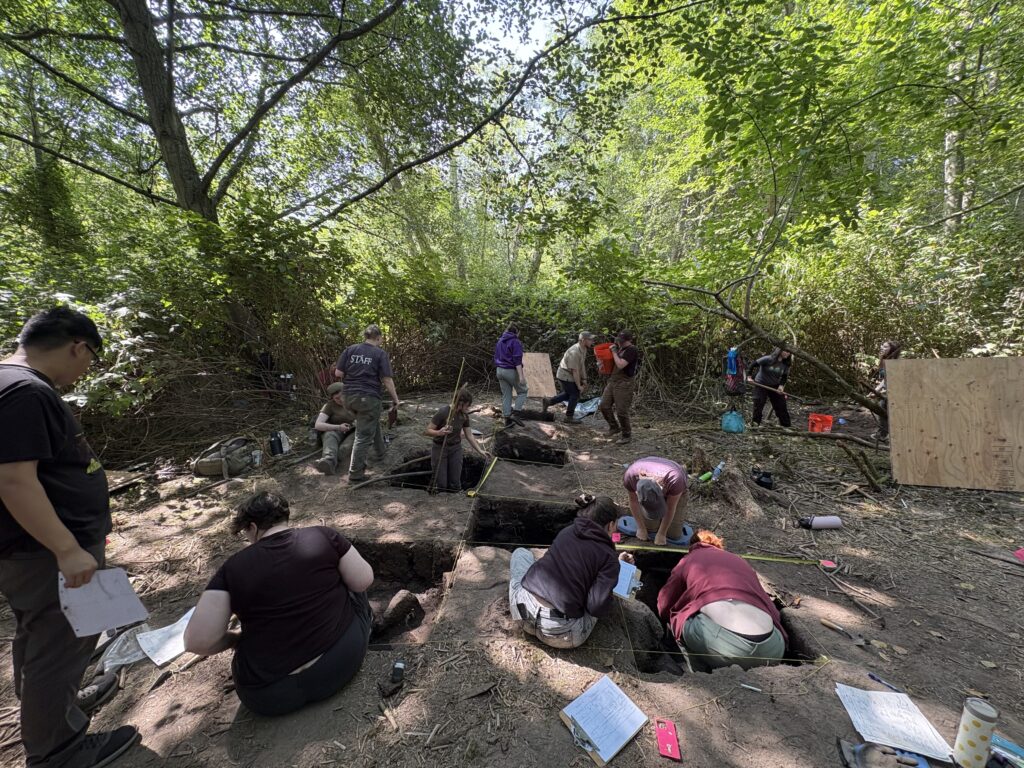
This is a physical, hands-on class where students will learn field excavations techniques and lab processing.
No prior anthropology or archaeology experience is required. All students are welcome to enroll in Anthropology 270/271 (Archaeology Field Methods 270 and Archaeology Lab Methods). Students who have already taken Anth 270 may enroll in Anth 272/273 or 274/275 based on experience.
Internship Opportunity
Edmonds College Anthropology Department is offering the opportunity for an Archaeology Internship as part of our Archaeology Field School Program. Upon instructor approval, interns will register for Anth 298 5-credit class. All interns must have completed at least one prior field school with supplemental experience (e.g. lab experience, professional CRM experience, completion of a certificate program, or graduate experience). Students may apply as a research intern, excavation intern or field lab intern. All interns will participate in day to day field activity support including site setup and site paperwork quality checks. Independent projects include mentoring Archaeology 270/271; 272/273; 274/275 students in the following capacity:
Research interns will focus on site background development, analysis of historic images and maps as well as geographic data collection.
Field interns will support mentoring students in digging shovel probes and test units.
Field lab interns will mentor students in sorting labeling and washing artifacts in the field.
Completion of weekly summary report
Registration process and application for both the fields school and internship can be found at the the LEAF Website: https://www.edmonds.edu/programs-and-degrees/areas-of-study/social-sciences-and-cultural-studies/anthropology/leaf/
Project Size: 1-24 participants
Experience Required: No prior anthropology or archaeology experience is required. All students are welcome to enroll in Anthropology 270/271 (Archaeology Field Methods 270 and Archaeology Lab Methods). Students who have already taken Anth 270 may enroll in Anth 272/273 or 274/275 based on experience. This is a physical, hands-on class where students will learn field excavation techniques and lab processing.
Room and Board Arrangements:
Archaeology field school students can choose to live in the Edmonds College Residential Halls.
$150 application fee
$55 per day for a room (this covers rent, furniture, wifi, utilities, parking, and a single bedroom in an apartment with a full kitchen living room, and bathroom)
Financial Aid can be used to cover housing fees
Detailed about the residential halls and how to apply can be found at the Edmonds College Housing and Residential Life Website (https://www.edmonds.edu/student-services/housing-and-residence-halls/apply-now.html)
Academic Credit:
7 Credit Class Archaeology Field Methods and Archaeology Lab Methods ANTH 270 & ANTH 271; ANTH 272 & ANTH273; ANTH 274 & ANTH 275
Or
5 Credits for Anth 298 Internship
Meets Social Science distribution and Cultural Diversity Requirements.