Location: QRJ8+63 Amfipoli, Greece
Season: May 31, 2027 to July 10, 2027
Session Dates: 4 weeks session: May 31 - June 26, 2027 6 weeks session: May 31 - July 10, 2027
Application Deadline: May 10, 2027
Deadline Type: Rolling
Website: http://www.argilos.net/
Program Type:
Field School, Volunteer
RPA Certified:
No
Affiliation:
University of Montreal
Project Director:
Jacques Perreault, University of Montreal
Project Description:
Excavate an Ancient Greek City on the Shores of the Aegean Sea
Imagine spending your summer uncovering the remains of an ancient Greek city, working alongside archaeologists and students from around the world, exploring some of the most famous archaeological sites in Greece, and gaining hands-on experience in every aspect of archaeological fieldwork.
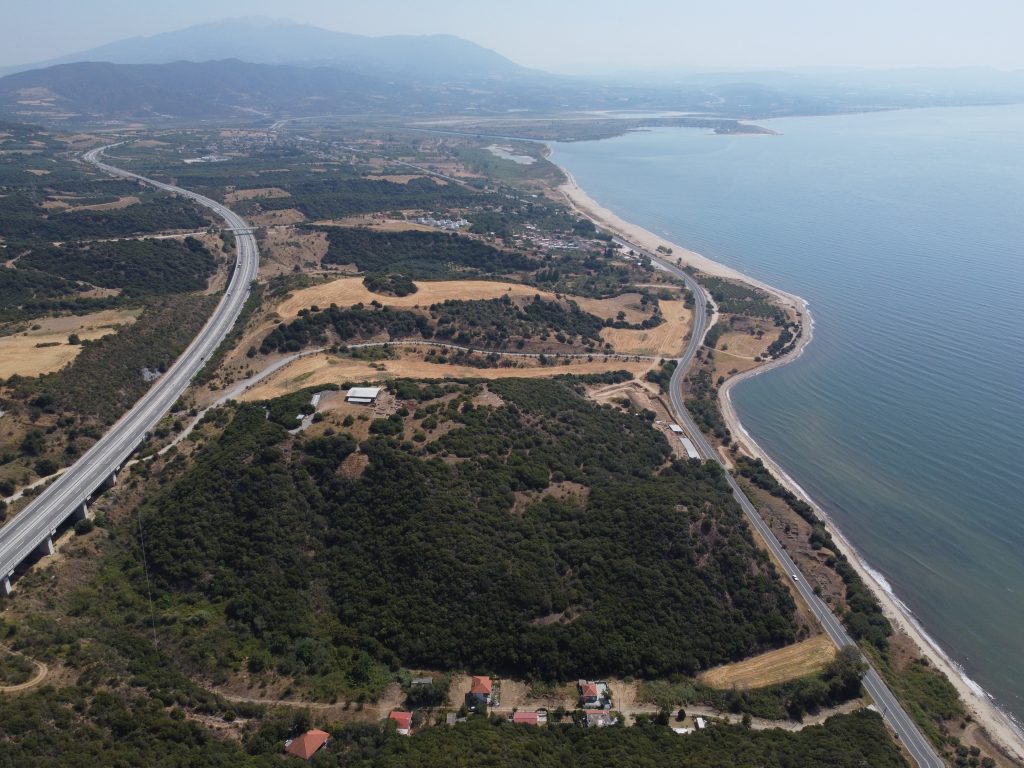
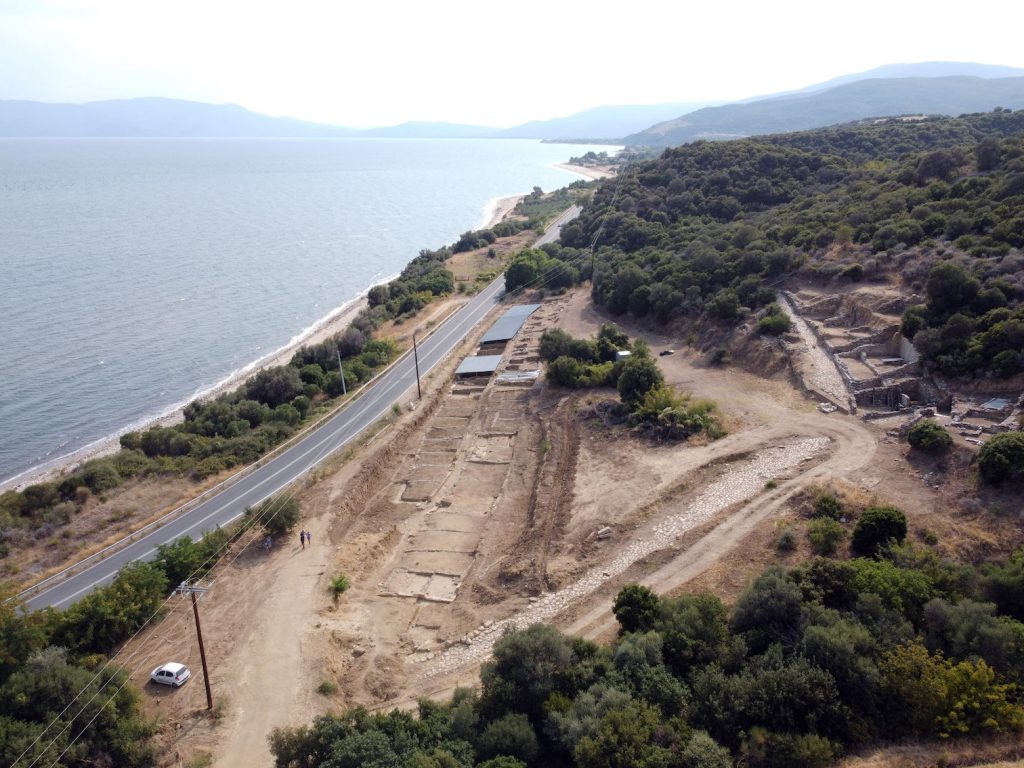
Welcome to Argilos, one of the earliest Greek colonies in northern Greece, founded in 655/54 BC on the beautiful coast of the northern Aegean Sea. Located near the mouth of the Strymon River, Argilos flourished for nearly three centuries before being conquered by Philip II of Macedon, the father of Alexander the Great, in 357 BC.
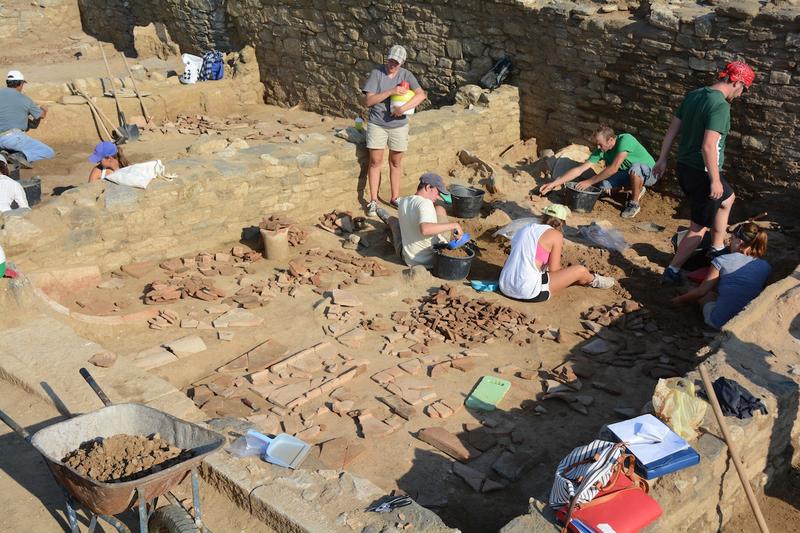
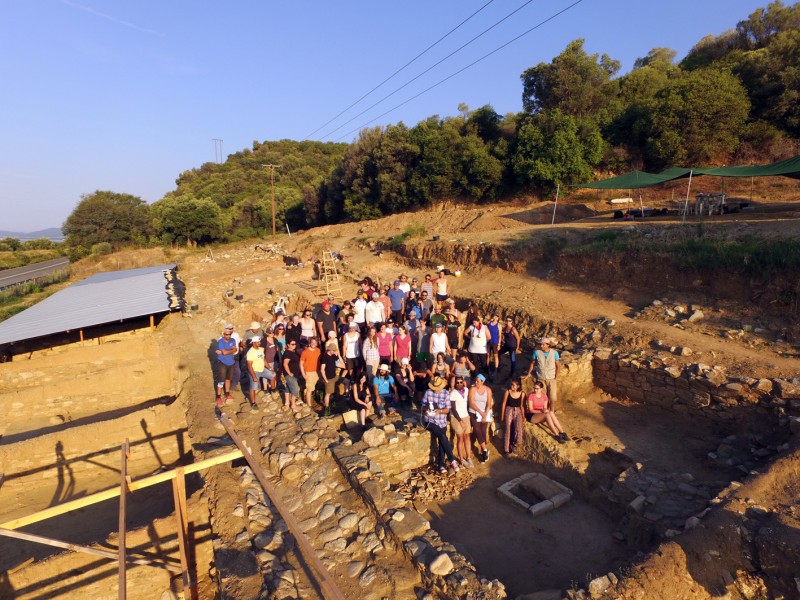
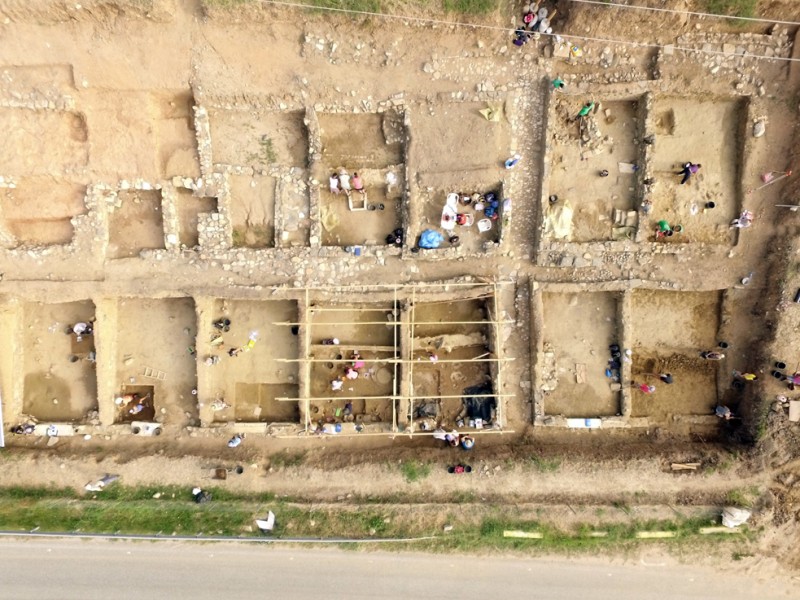
Excavations conducted by the University of Montreal and the Ephoreia of Antiquities of Serres have revealed exceptionally well-preserved remains spanning every period of the city’s history. Over the past fifteen years, archaeologists have uncovered an entire commercial district consisting of 22 shops, as well as workshops, houses, streets, fortifications, and public spaces, offering a unique window into daily life in a Greek colony during the Archaic and Classical periods.
Recent excavations have also revealed important evidence for urban planning, water management, commercial activity, and religious practices, making Argilos one of the most dynamic archaeological research projects currently underway in northern Greece.
What will you do in 2027?
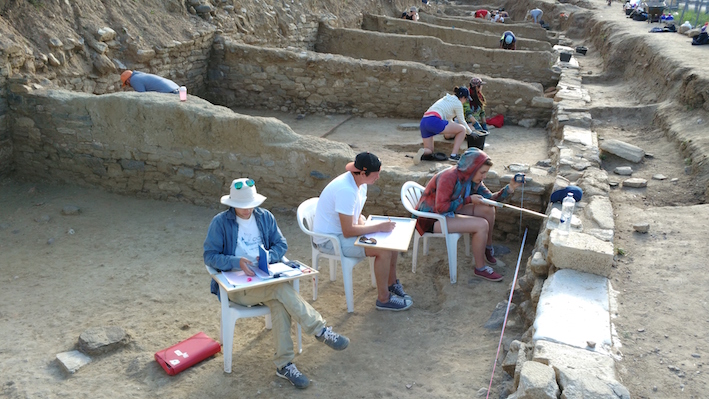
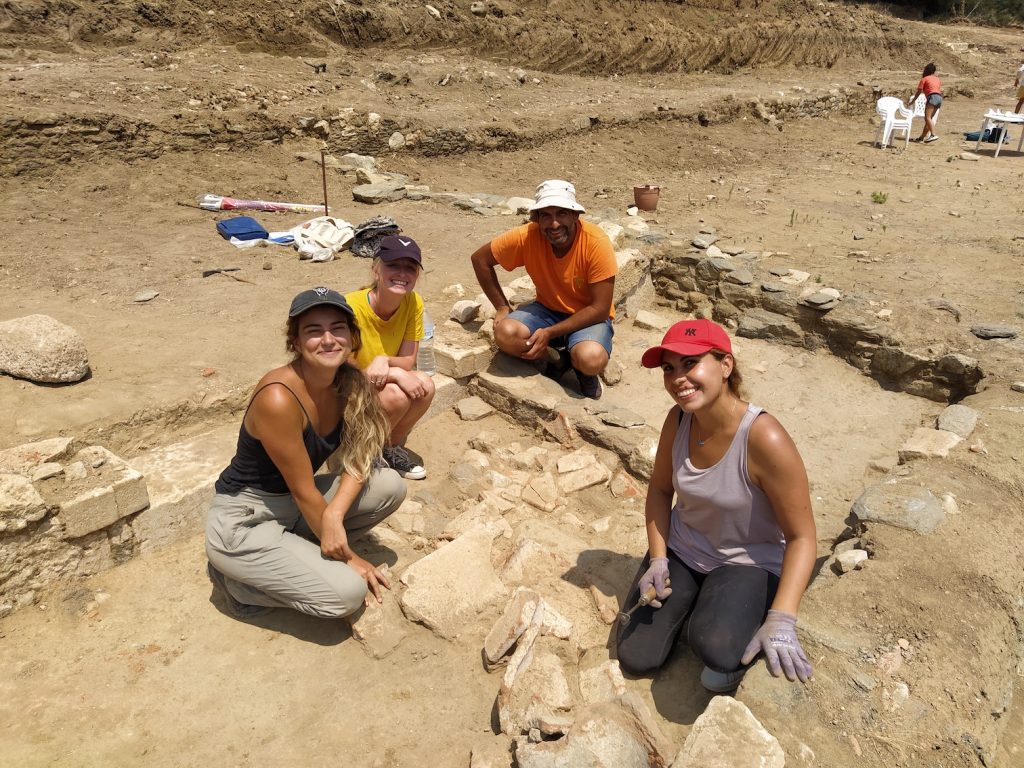
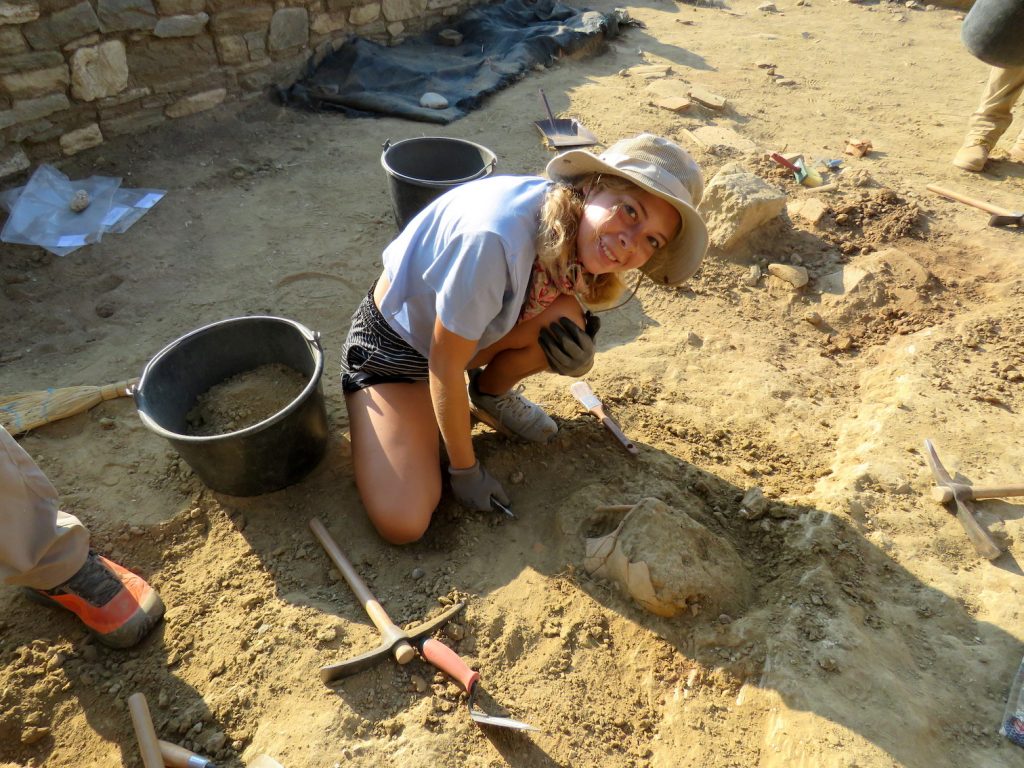
As a participant, you will take part directly in ongoing discoveries in several exciting sectors of the site:
Explore a thriving ancient commercial district: Continue the excavation of the large residential complex Q, the commercial building P, and the newly identified U Complex, as we investigate how ancient Greeks lived, worked, and conducted business more than 2,500 years ago.
Participate in the exploration of a newly acquired area: Work on the Angelopoulos Plateau, where recent excavations have revealed intriguing public and private structures that are transforming our understanding of the city’s urban organization.
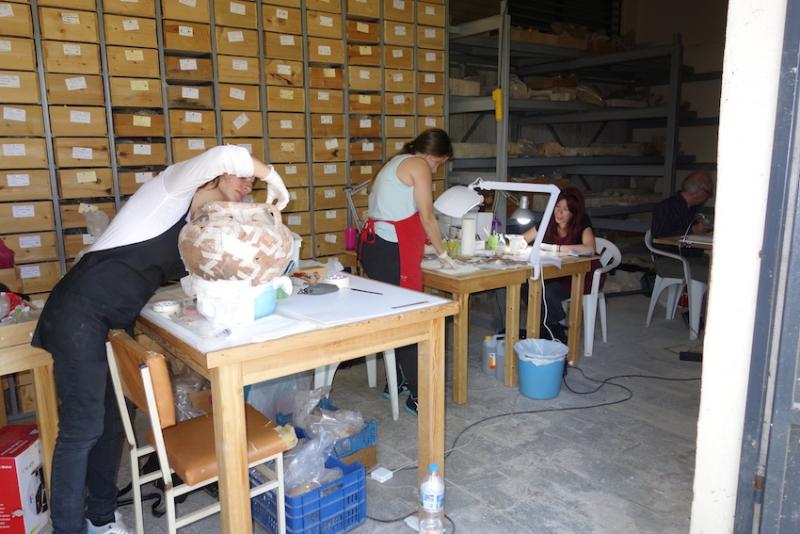
Handle real archaeological finds:At the Amphipolis Museum, you will help catalogue, document, and analyze artefacts recovered in recent excavation seasons, contributing directly to ongoing research.
A Complete Archaeological Training Experience: This field school combines four complementary components designed to provide both academic knowledge and professional skills:
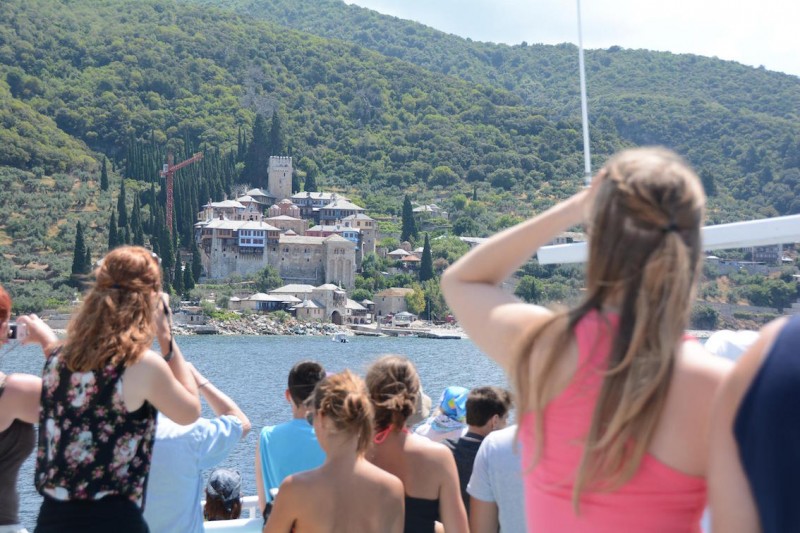
Participants may also join an optional three-day excursion to the magnificent island of Thasos, renowned for its beaches, landscapes, and archaeological remains.
Join an International Team
Each summer, students from Greece, Canada, the United States, Australia, France, England, and many other countries come together at Argilos. Working side by side with professional archaeologists, you will gain practical experience, develop valuable research skills, build international connections, and contribute to the discovery and understanding of an ancient Greek city.
Places are limited
To ensure quality training and close supervision, only 40 students will be accepted for the 2027 season.
Discover. Excavate. Learn. Experience archaeology where history was made. Join us at Argilos in 2027.
Period(s) of Occupation: Archaic and Classical periods (7th to 4th centuries BC)
Notes:
Few archaeological field schools provide the opportunity to excavate a site as extensive and well preserved as Argilos. Students contribute directly to the discovery and interpretation of commercial districts, residential neighbourhoods, fortifications, and urban infrastructure dating to the Archaic and Classical periods. Conducted in close collaboration with our greek partners, the project offers participants a unique combination of excavation, museum work, laboratory training, and exploration of the rich archaeological heritage of northern Greece. Visit our website for additional information.
Project Size: 25-49 participants
Minimum Length of Stay for Volunteers: 4 weeks
Minimum Age: 19
Experience Required: No experience required
Room and Board Arrangements:
Students share rented apartments, each with kitchen and washroom, situated in the nearby village of Asprovalta. Fee includes local transportation to and from the dig, accommodations, breakfast and lunch (Monday to Saturday), dinner (Monday, Wednesday and Friday), weekend trips to other sites and museums in the area, but does not include travel to Greece or the 3 day (two nights) optional visit to the beautiful island of Thasos. See details on our website (www.argilos.net).
Cost:
4 weeks session: $4300
6 weeks session: $5800
Academic Credit:
3 or 6 credits offered by Université de Montréal. Contact Prof Jacques Perreault for cost: Jacques.Y.Perreault@umontreal.ca.
Prof. Jacques Perreault
Centre d'études classiques, Université de Montréal, C.P. 6128, Succ. Centre-Ville
Montréal
Québec
H3C 3J7
Canada
Jacques.Y.Perreault@umontreal.ca
Phone: 514-343-6111 #38471