



Location: 6W24+WJ Mansfield, UK
Season: May 11, 2026 to October 9, 2026
Session Dates: Week 1: 11th - 15th May Week 2: 18th - 22nd May Week 3: 5th - 9th October
Application Deadline: December 1, 2029
Deadline Type: Rolling
Website: https://mercian-as.co.uk/landscapearchaeologycourse.html
Program Type:
Field School
RPA Certified:
No
Affiliation:
Mercian Archaeological Services CIC
Project Director:
Andy Gaunt
Project Description:
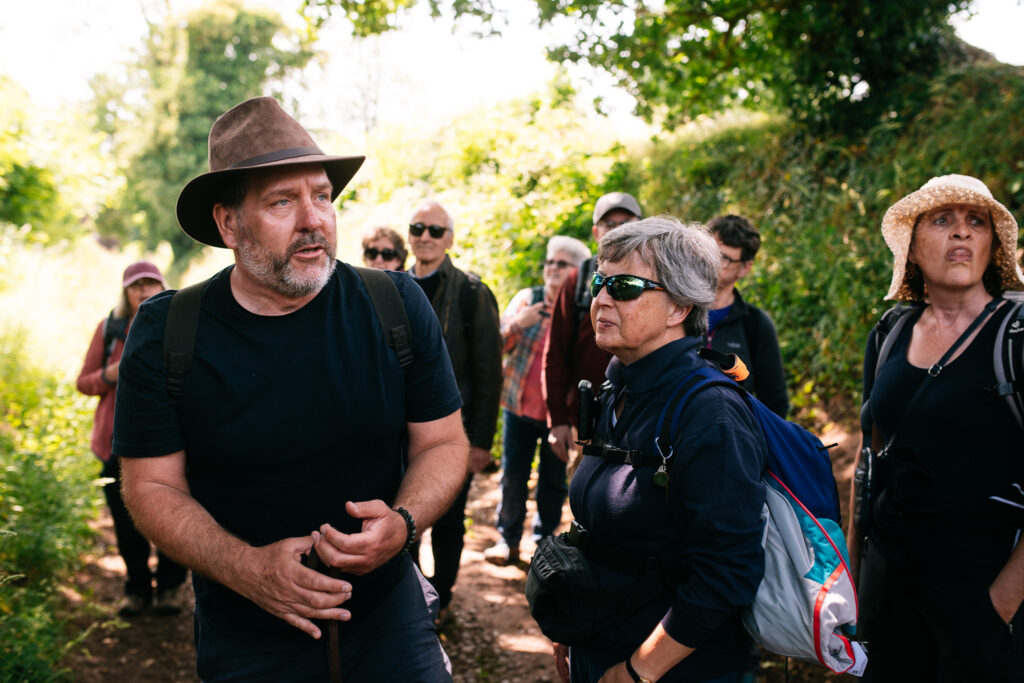
This 5-day Landscape Archaeology course combines class-room lectures, field visits, and site tours of the landscape, to give an immersive learning experience, introducing students to the wide and exciting field of landscape archaeology.
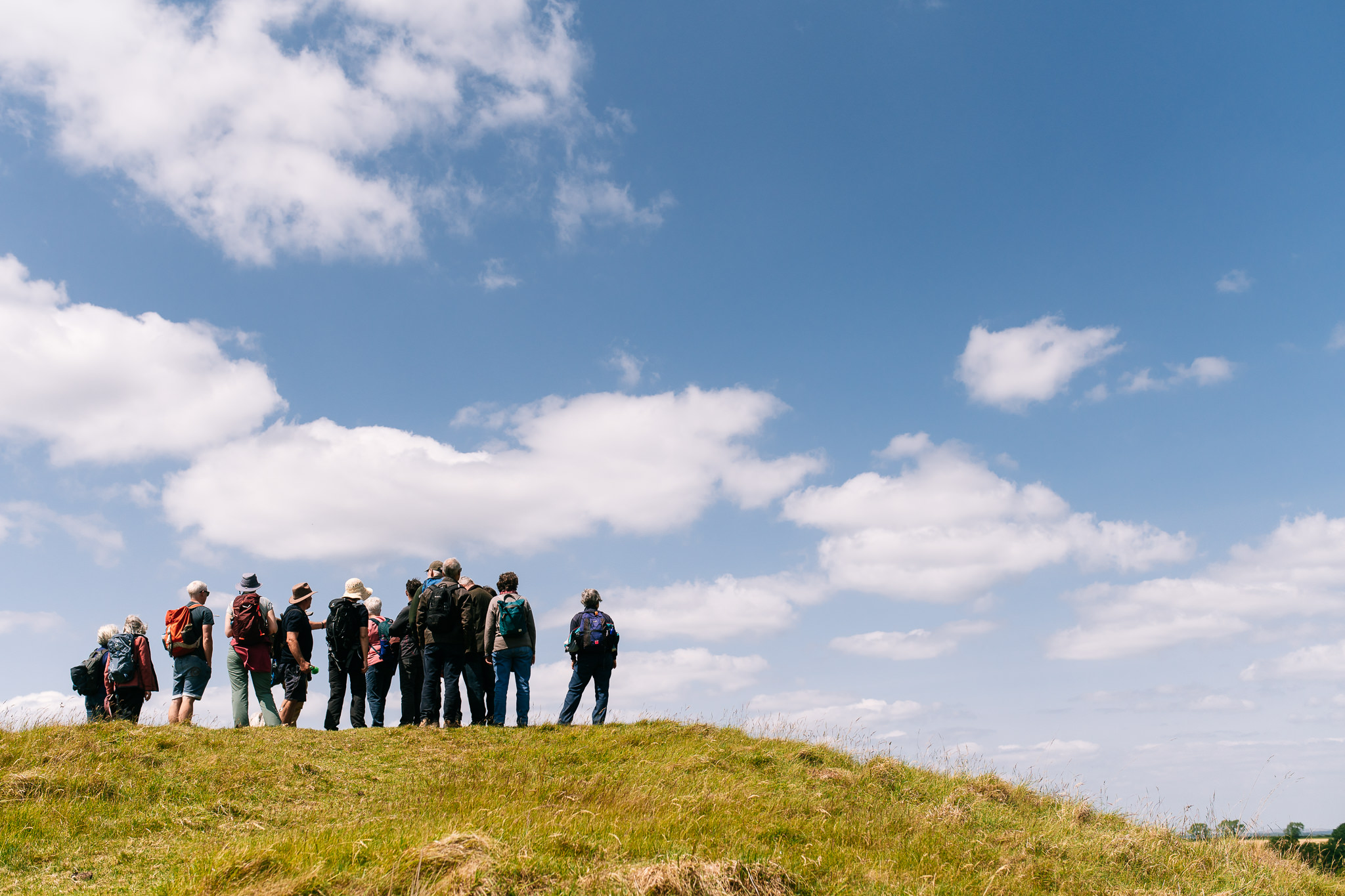
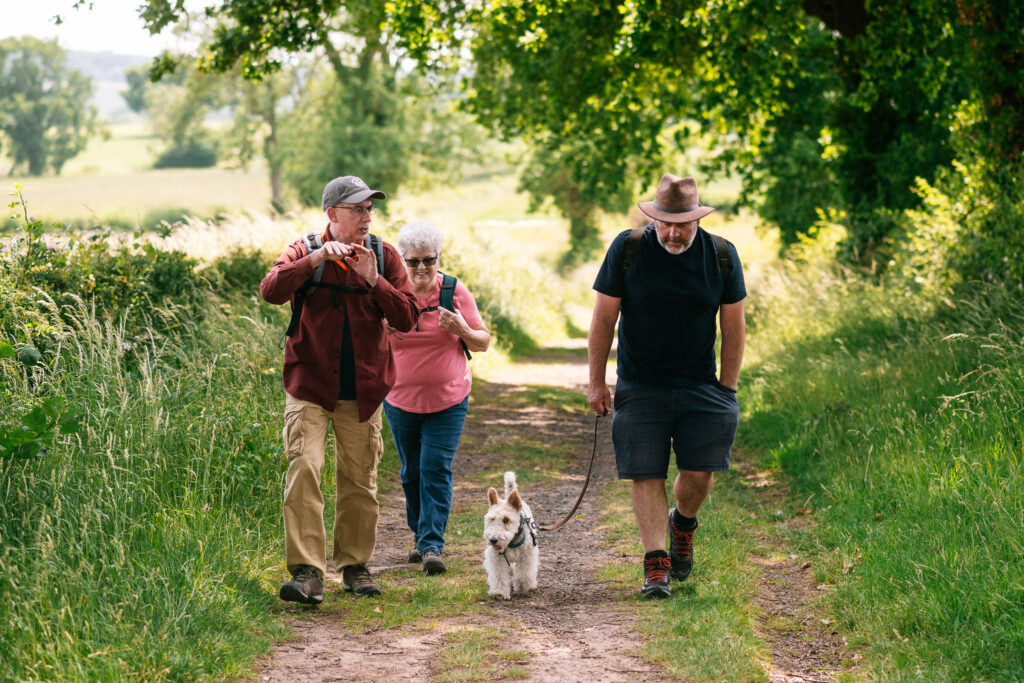
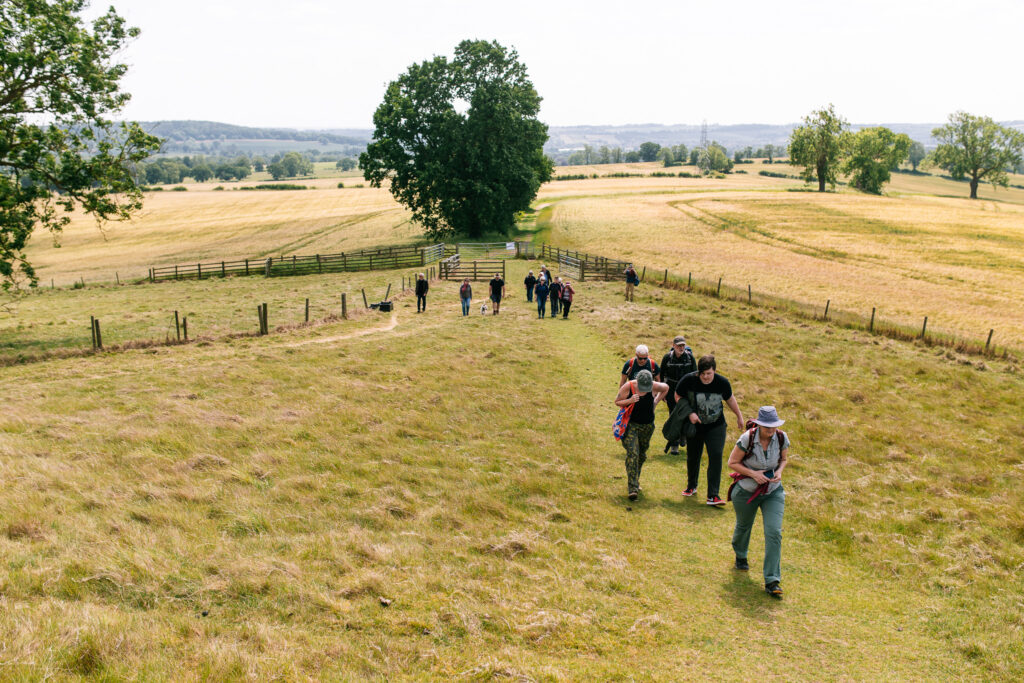
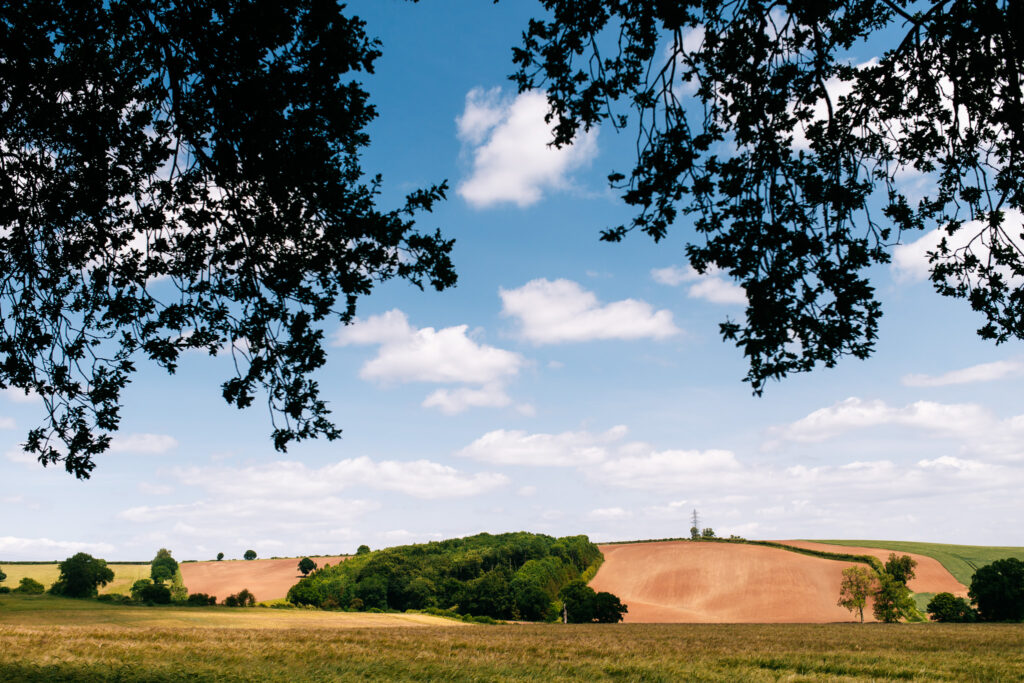
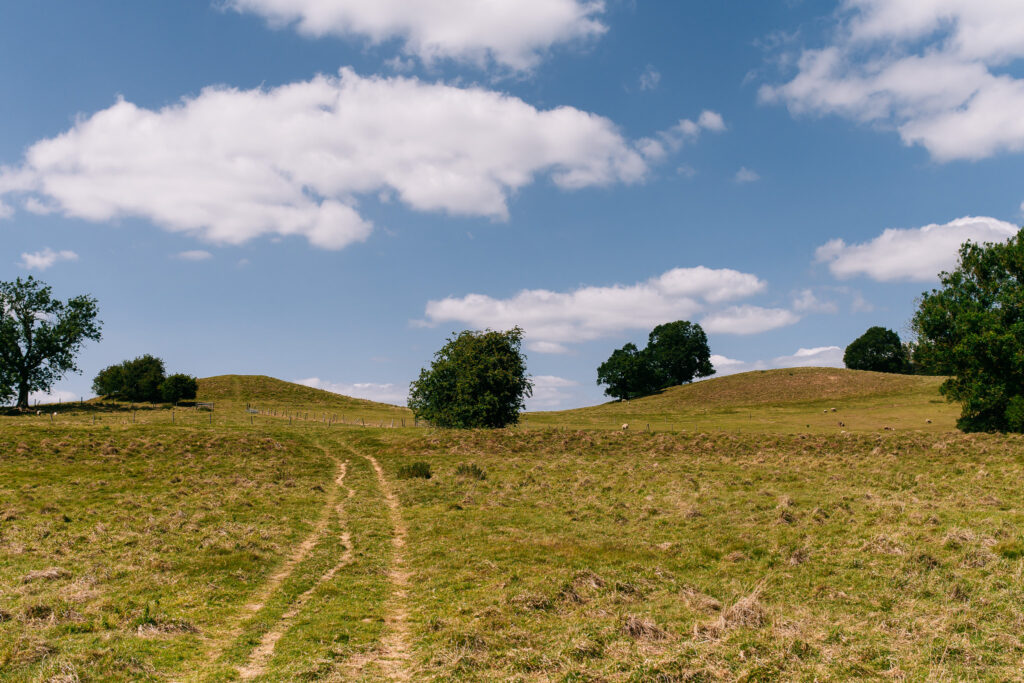
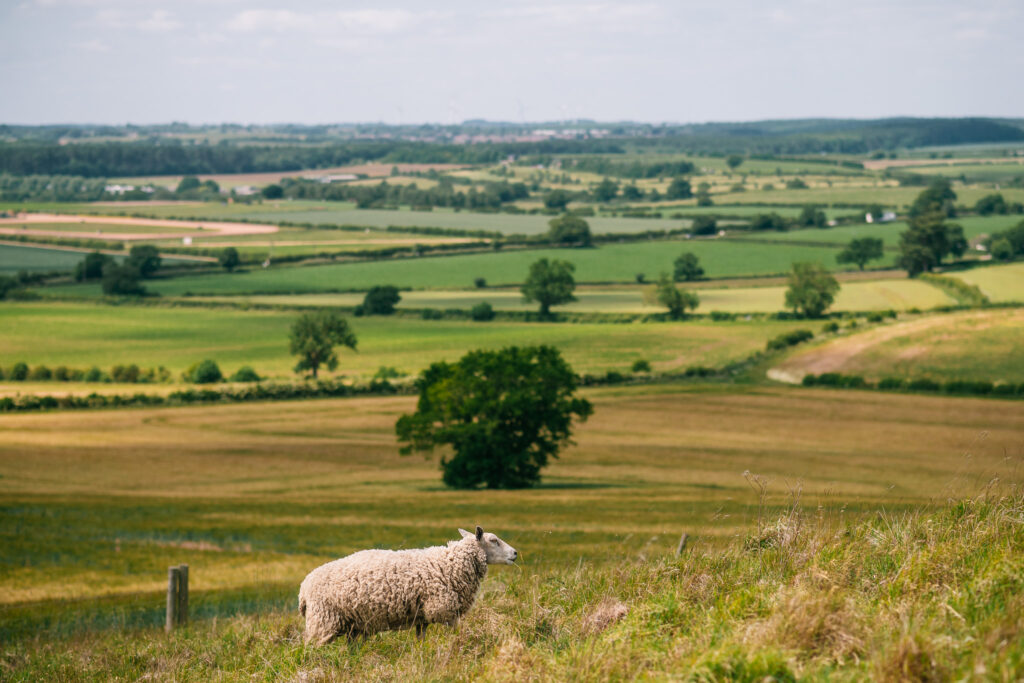
The course uses the legendary landscape of Sherwood Forest as the main case study, with site visits to Creswell Crags, Thynghowe and Robin Hood’s Hill, Laxton Open Field village, the Sherwood Forest National Nature Reserve, and Thoresby Park, and also includes examples from around the UK and the wider world, to enable students to experience the subject first-hand and to begin seeing the landscape in a new way.
The course studies not only the changes in landscape use over time, but also how peoples relationship to the landscape, in terms of it was viewed and imagined, changed over time as well.
The course introduces the history of landscape archaeology as a discipline and the evolution of the philosophies of landscape archaeology including those of processual and post-processual archaeology.
It also presents many of the methods available for examining, recording and viewing the landscape, and for reconstructing historic landscapes, including:
The physical landscape is explored including:
The human landscape is then studied in relation to this underlying physical landscape, including the evolution of landscapes over time from prehistoric to present day.
The course then looks at different layers of cultural, and imagined landscapes:
The course then looks at some of the ways archaeologists attempt to understand the subjective human experience of landscapes in the past including:
The course is located at King John’s Palace in Sherwood Forest, and includes site visits around the Sherwood Forest landscape.
Period(s) of Occupation: All periods
Notes:
https://mercian-as.co.uk/landscapearchaeologycourse.html
Project Size: 1-24 participants
Minimum Length of Stay for Volunteers: 1 week
Minimum Age: 16
Experience Required: No Experience Required
Room and Board Arrangements:
Accommodation not provided
Andy Gaunt
Staffordshire House Beechdale Road
Nottingham
Nottinghamshire
NG8 3FH
United Kingdom