Location: Palencia, España
Season: May 13, 2026 to May 28, 2026
Session Dates: May 13-28, 2026
Application Deadline: March 15, 2026
Deadline Type: Exact Date
Program Type:
Field School
RPA Certified:
No
Affiliation:
Aditu Arkeologia
Project Director:
Emma J. Bonthorne
Project Description:
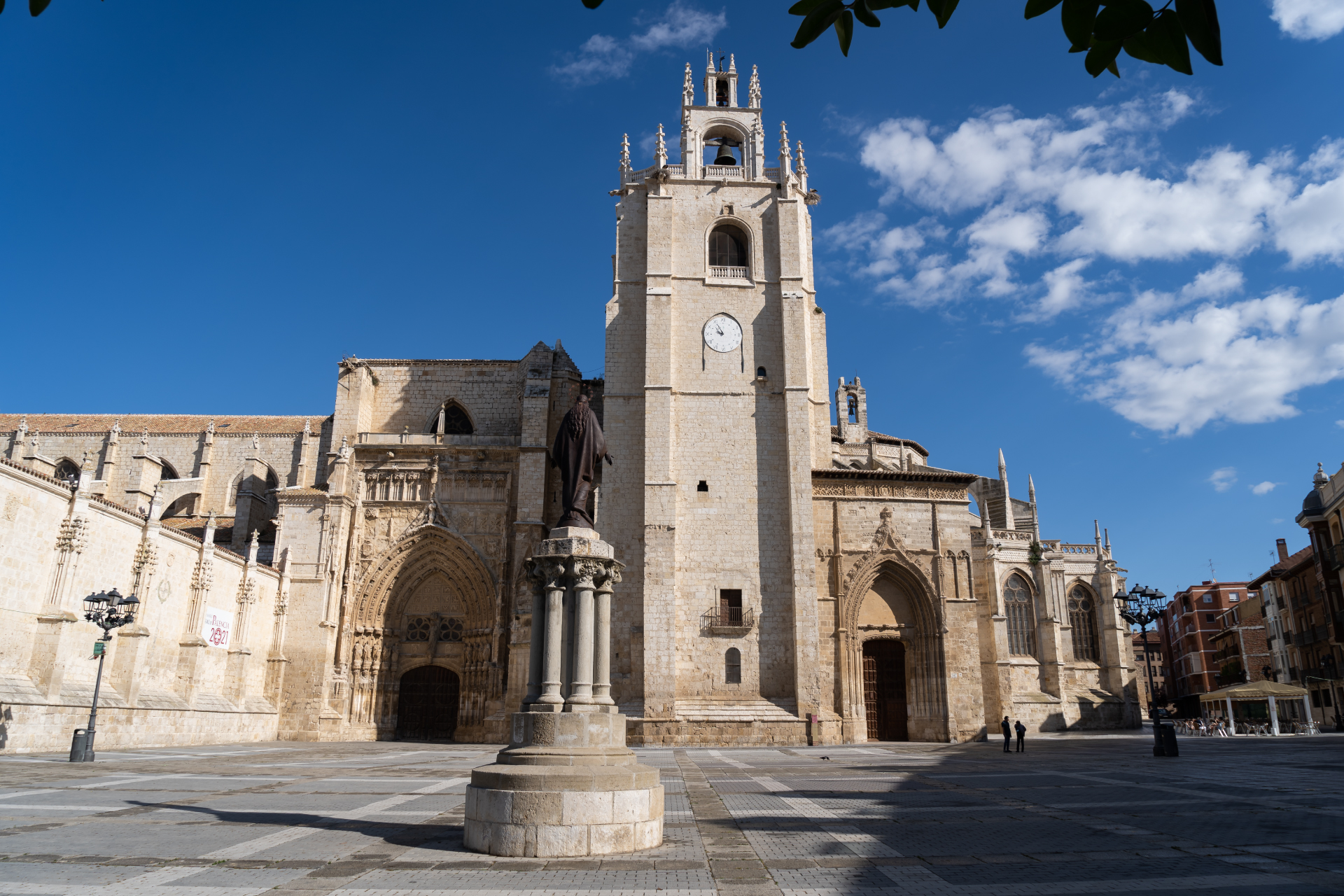
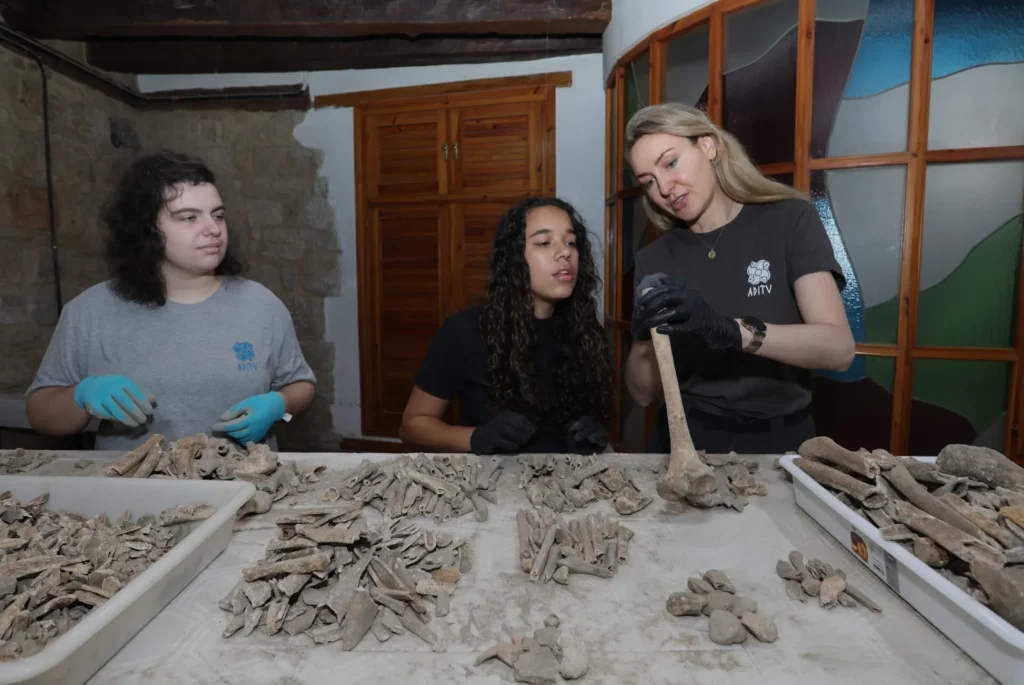
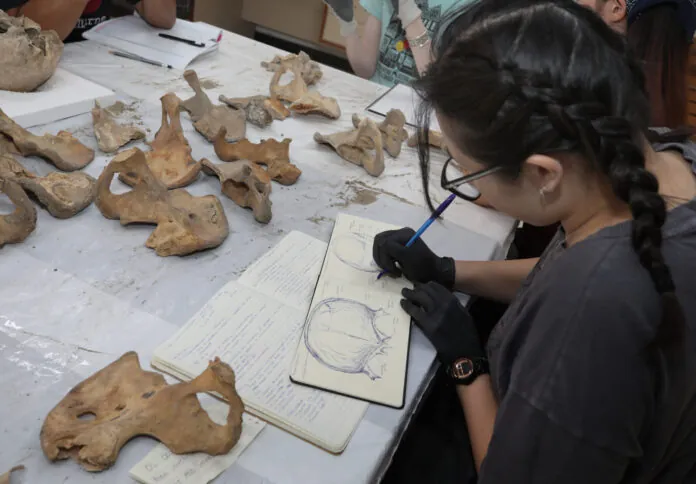
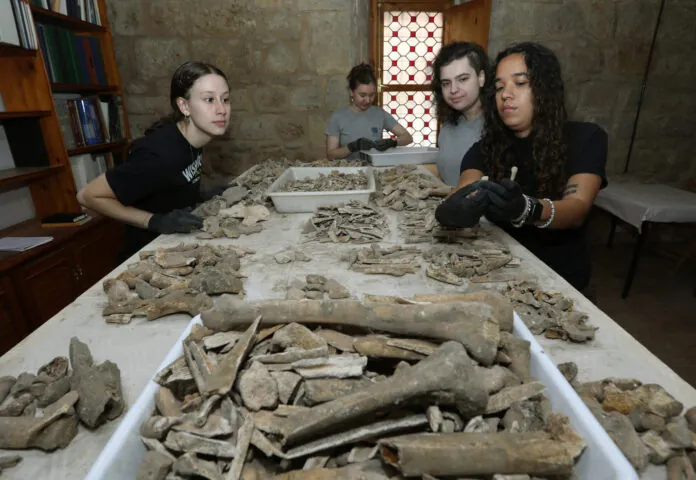
The 2026 Aditu Intensive Laboratory Course in Commingled Skeletal Analysis will take place in the Cathedral complex of Palencia. In 2022, emergency restoration works inside the Cathedral revealed a previously unknown ossuary beneath the chapel of St. Michael. Partial excavation stabilised the chapel floor, and the human remains- estimated at 20,000 bones- were stored inside the Cathedral warehouse. The goal of the 2026 season is the comprehensive analysis of all human remains exhumed from the ossuary during these restoration works and throughout 2025. As part of the project, additional excavation of the remaining bones within the ossuary is planned, and while the focus of the course is on osteological analysis, students will have the opportunity to participate in the exhumation of commingled layers of the ossuary too.
The project forms the early phases of a larger and more comprehensive project aimed at integrating the study of the Cathedral into the chronological development of the city of Palencia since its foundation in Roman times. To that end, the analysis of remains from within the chapel of St. Michael will aid in better understanding the history and significance of the structures present beneath the present Cathedral and contribute to knowledge of Roman and early Medieval history of the building.
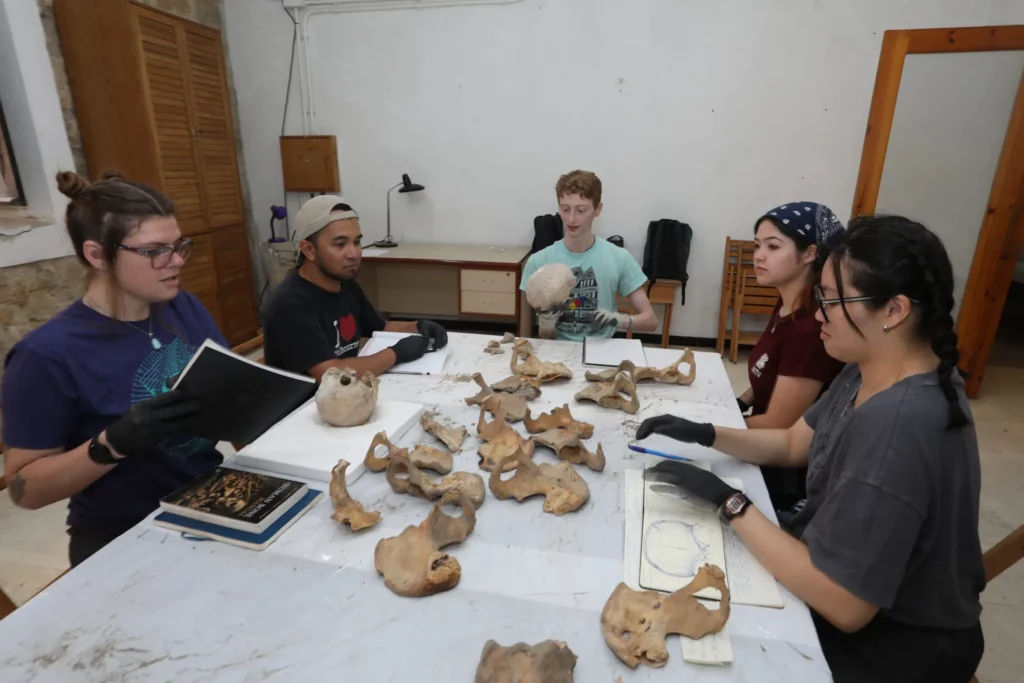
Participants will work closely with osteoarchaeologists to identify fragmented and commingled human bone with the aim to establishing how many individuals were buried within the ossuary, and help collect data on sex, age, stature, trauma and pathology. Full bioprofiles will be conducted on articulated remains recovered from the ossuary. Daily lectures will cover topics ranging from human osteology to archaeological practice, and other relevant topics related to field methodology & processing.
Period(s) of Occupation: Medieval. The remains pre-date the creation of the ossuary in the 17th century, and may date back as far as Visigothic times.
Notes:
If you don't receive a reply from us within 24hr, please check your spam, as occasionally our emails are filtered (particularly by university servers).
Project Size: 1-24 participants
Minimum Length of Stay for Volunteers: Full session
Minimum Age: 18
Experience Required: The program is aimed at students or graduates of archaeology, physical or forensic anthropology, and other disciplines related to the field of archaeology or history who wish to gain experience in the study of human remains. Individuals with no prior academic or practical knowledge but with a strong interest will be considered if spaces are available. The course includes lectures on skeletal anatomy, excavation techniques, and the region's archaeology, although the major component of the school is field lab study. Although some background preparation or experience is desirable, the course is taught “from zero”, to secure a homogeneous delivery and a learning process equal to all students, that usually come from different countries and academic backgrounds. Although the team and site work in two different languages (English and Spanish) the language of instruction is English.
Room and Board Arrangements:
The total fee for participation is 1450 euro. This amount includes tuition, lectures, work supervision, and accident insurance, as well as all necessary tools, accommodation, breakfast and lunch. Please note that DINNERS ARE NOT INCLUDED. Transportation to and from the site and medical insurance are also to be covered by the participant.
Academic Credit:
Although course credit is not formally offered, most of our students in the past have been able to obtain credit from their own academic institutions for their work with us. We are willing to supply necessary documentation and collaborate with your university in this regard. Upon completion of the course, all students are issued a certificate of participation.