
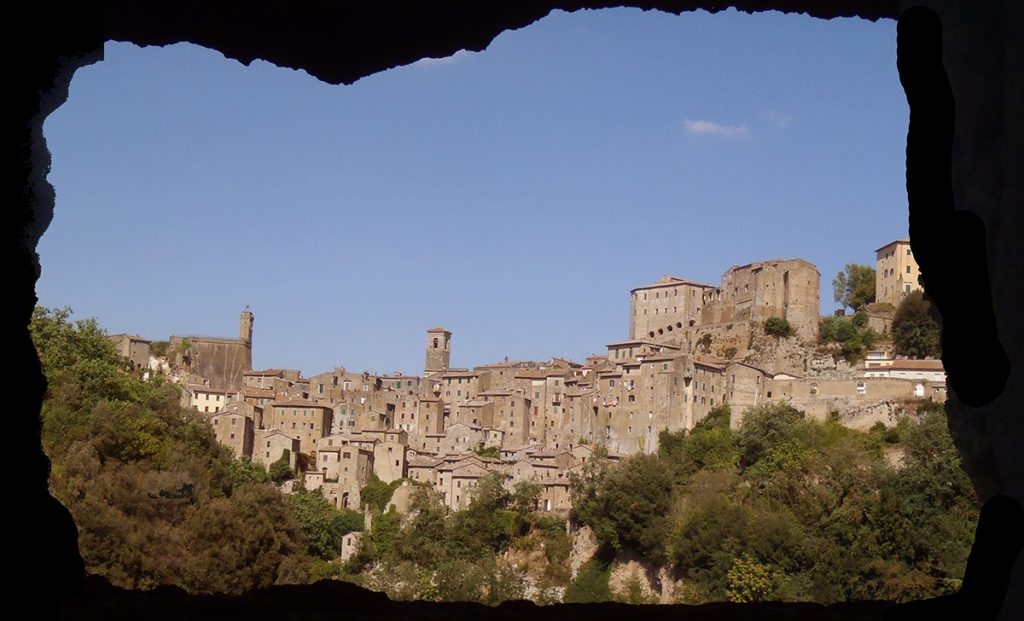
Location: Strada Provinciale Montebuono, 12, 58010 Sorano GR, Italy
Season: October 10, 2025 to August 14, 2026
Session Dates: The cost is €1200 for one week, or €2000 for two weeks. The Fall School is taking place from OCTOBER 10th to OCTOBER 24th; Application Deadline 19/09/2025 the Winter School is taking place from FEBRUARY 13th to FEBRUARY 27th; Application Deadline 24/01/2026 the Spring School is taking place from MAY 8th to MAY 22th; Application Deadline 17/04/2025 the Summer School is taking place from JULY 17th to JULY 31st AND from JULY 31st to AUGUST 14th; SPECIAL APPLICATION DEADLINE 26/05/2026
Application Deadline: May 26, 2026
Deadline Type: Rolling
Website: http://www.culturaterritorio.org
Discount for AIA members: AIA members will get 10% reduction
Program Type:
Field School
RPA Certified:
No
Affiliation:
Associazione "Cultura e Territorio", Soprintendenza Archeologia Belle Arti e Paesaggio (SABAP) per le Province di Siena, Grosseto e Arezzo
Project Director:
Luca Mario Nejrotti, Ph.D.
Project Description:
“B.I.S.A.«La Biagiola»International school of Archaeology Seasonal Campaign 2025-2026 (Autumn, Winter, Spring, Summer)” project is a comprehensive and immersive (two or four weeks) program offering an unparalleled journey into the depths of ancient Etruscan, Roman, and Medieval civilizations.
This unique opportunities allows participants to uncover the rich tapestry of history through an innovative blend of traditional Landscape Archaeology and cutting-edge technology, with a strong focus on state-of-the-art 3D modeling and Geographic Information Systems (GIS), or in Cultural Communication and Journalism.
The “la Biagiola” special programs for students provide a first-hand experience from the fieldwork activities to the communication to the public.
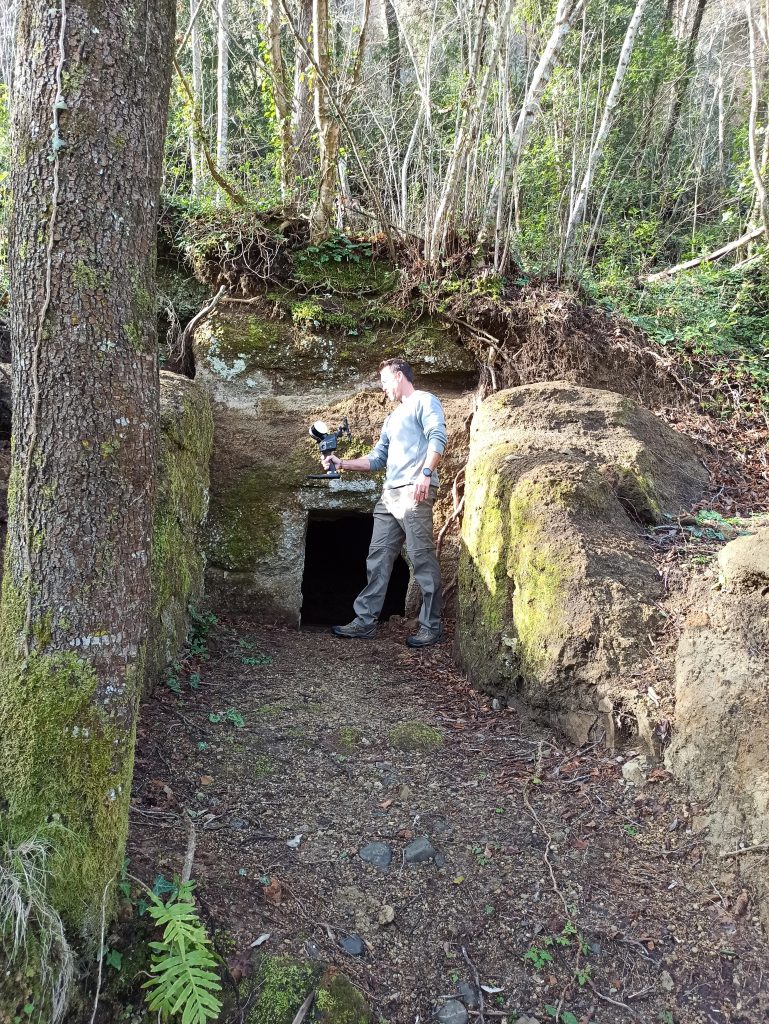
This year, during our seasonal sessions (2 weeks in Autumn, 2 weeks in Winter, 2 weeks in Spring, 4 weeks in Summer), we are going to provide an exciting opportunity for a first-hand experience in the excavation of a medieval castle of outstanding historical significance and contribute to the maintenance and development of two remarkable locations: an Etruscan rock-cut necropolis and a multi-layered site featuring a Roman villa and a cemetery.
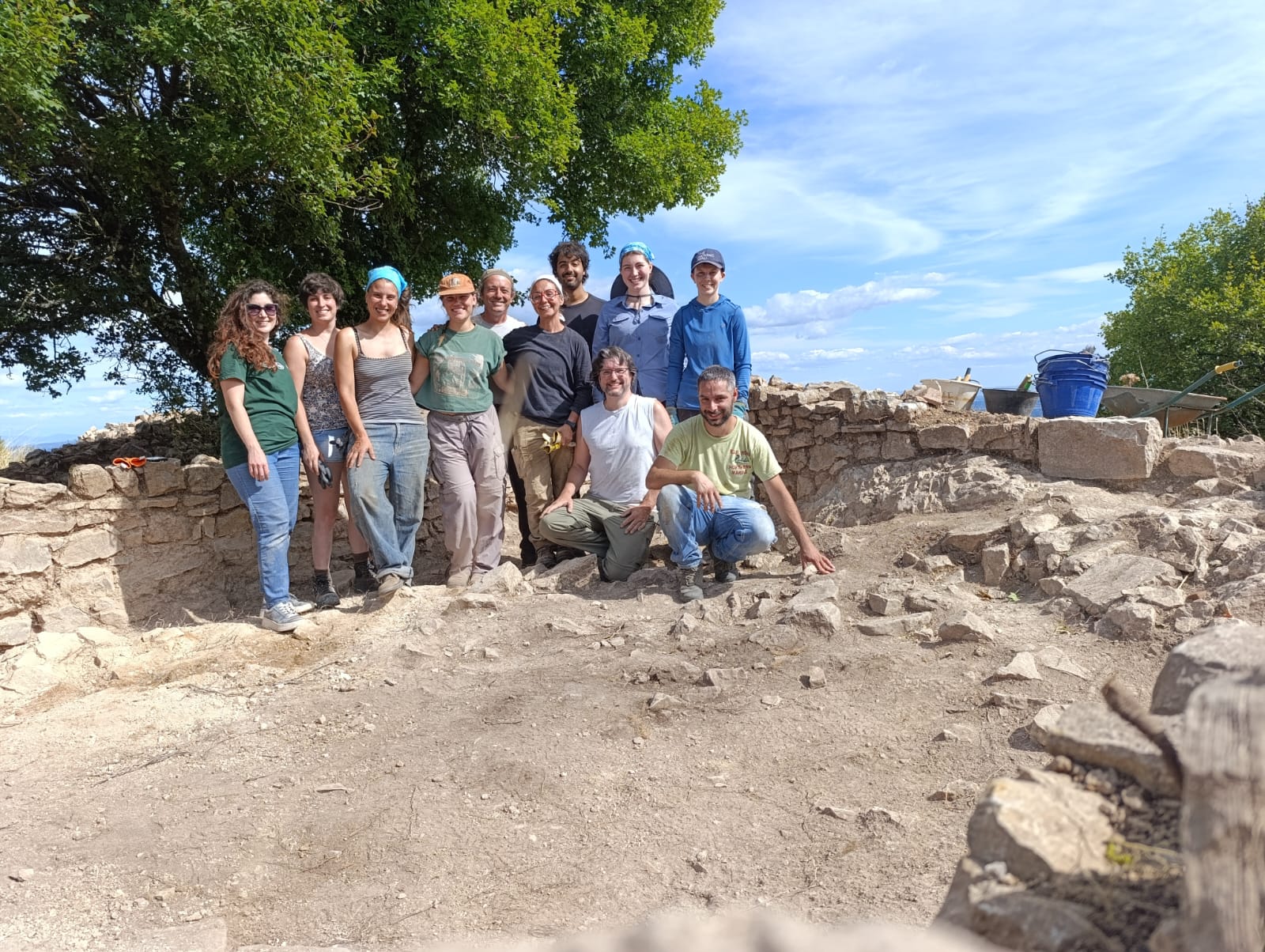
You’ll take part in the archaeological survey, working alongside expert archaeologists and foreign fellow students.
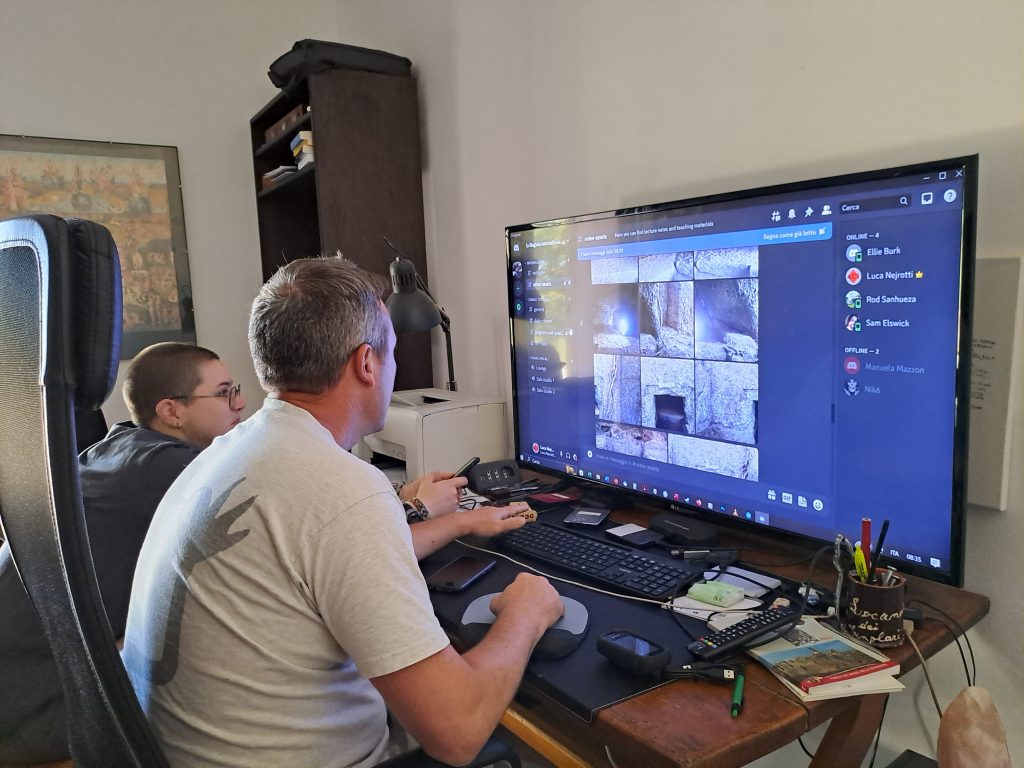
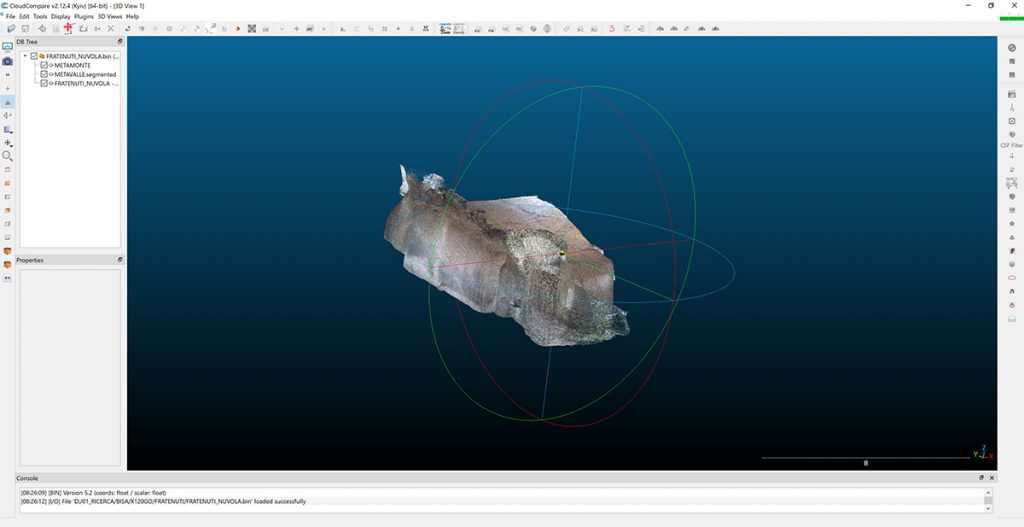
You’ll learn the latest digital technologies in architectural survey, simultaneous localization and mapping (S.L.A.M.), photogrammetry, and 3D rendering, right on the field.
This program is offered in collaboration with the Cultural Heritage Office of Tuscany, the regional authority that manages archaeological sites and monuments.
In addition to the archaeological experience, you will be able to enjoy a wide range of cultural sites, historic monuments, and natural sites of Tuscany.
B.I.S.A. program is open to all students of archaeology, anthropology, and related disciplines.
Featured disciplines
Anthropology, Archaeology, Digital Skills, Journalism, and Museology.
Coursework
Students will experience all aspects of an archaeological career; fieldwork, landscape archaeology approaches, architectural archaeology, burial archaeology, scientific analysis, 3D modeling, photogrammetry, S.L.A.M. technologies, cutting-edge open source digital archaeology, and cultural communication and journalism. Moreover, coursework will explore and focus on the major features of ancient Etruscan, Roman, and Medieval cultures.
The “Rocca Tedula” project
Protecting our archaeological heritage starts with rigorous investigation and meticulous documentation.
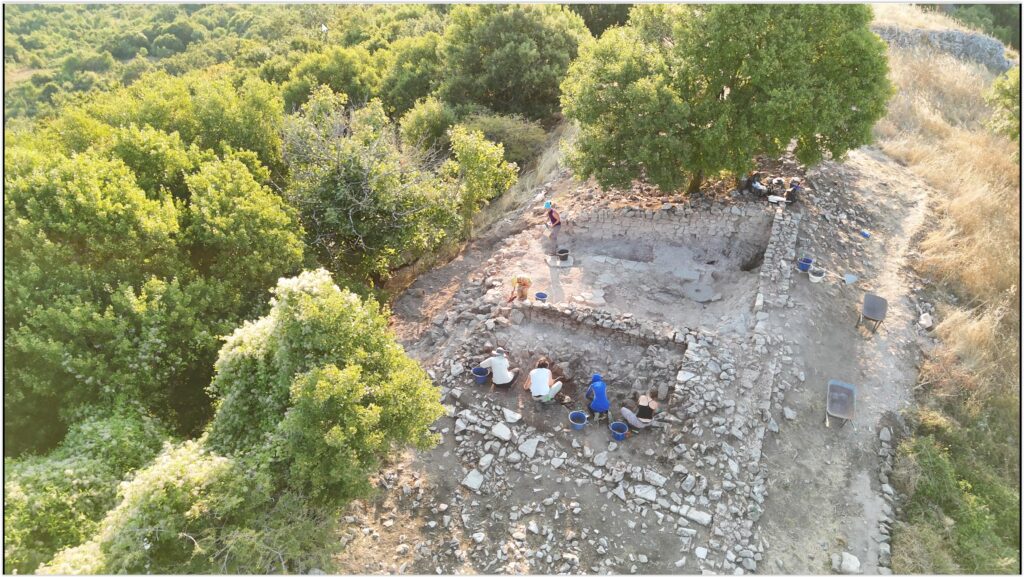
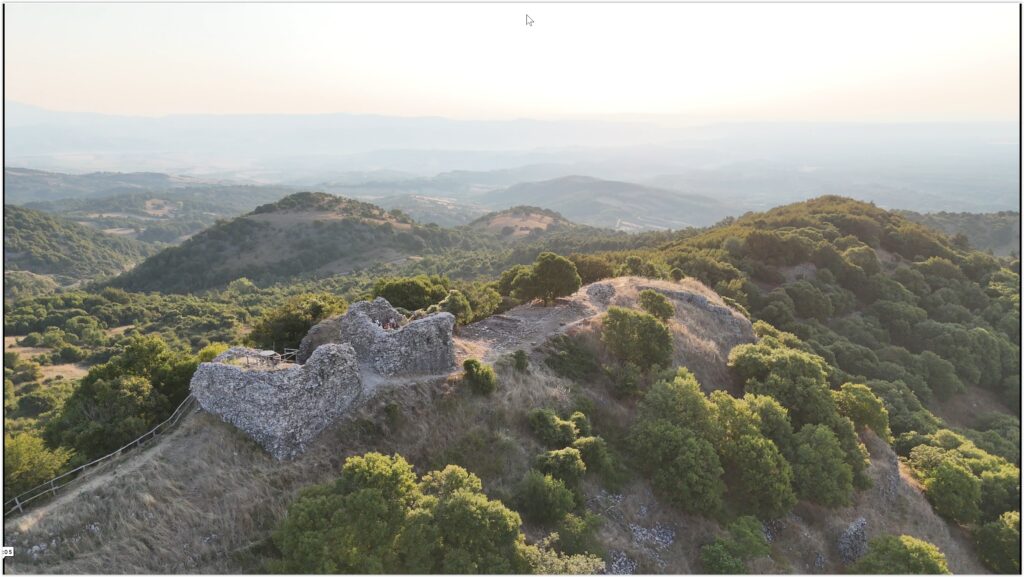
With this integrated project, at the invitation of the local community, we’ll focus on Rocca Tedula, an 11th-century castle that symbolizes Montevitozzoand is now under pressure from urban development, through an ambitious Public Archaeology initiative that immerses students in Architecture and Landscape Archaeology.
The program offers hands-on training in cutting-edge survey and digital reconstruction, practical use of GIS and BIM for archaeology, the study of military architecture and siege warfare, and the realities of daily life inside a medieval fortress.
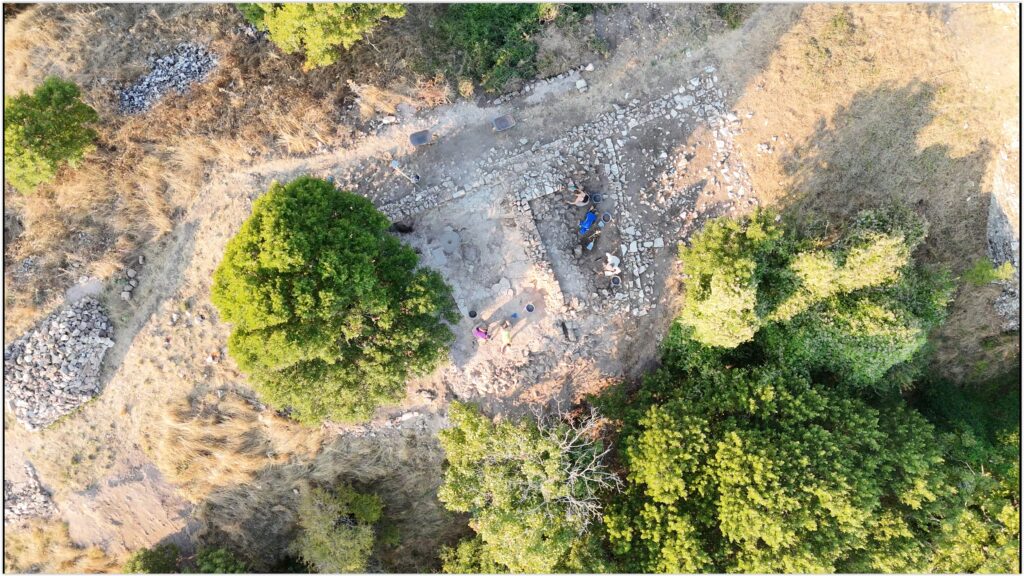
Our goals are to create an informative digital twin of the castle and village using laser scanning and photogrammetry, conduct a systematic survey to locate the long-lost 12th-century Church of Santa Croce, and carry out a full-scale excavation of the building uncovered in summer 2025, currently interpreted as related to craft activities.
Through this integrated approach, we aim to safeguard Rocca Tedulafor future generations, strengthen community stewardship, and deepen understanding of the region’s medieval past.
The 2025-2026 Seasonal Sessions (Autumn, Winter, Spring, Summer)
Safeguarding our archaeological heritage begins with its thorough investigation and meticulous documentation. The 2025–2026 campaign will see us working hand-in-hand with the local community, which has invited us to conduct an archaeological investigation of Rocca Tedula: an 11th-century castle, a historic emblem of the people of Montevitozzo, and today under threat from urban development pressures.
This ambitious Public Archaeology project will immerse students in the study of Archaeology of Architecture and Landscape Archaeology, offering hands-on experience with the most advanced techniques in survey and digital reconstruction. Participants will gain practical skills in the application of GIS and BIM to archaeology, deepen their understanding of military architecture and siege warfare, and explore the realities of daily life within a medieval fortress.
The objectives of the 2025–2026 campaign are threefold:
1. Creation of an informative digital twin of the castle and its surrounding village, combining laser scanning and photogrammetry for a comprehensive 3D record.
2. Systematic survey of the site and its environs to locate the long-lost Church of Santa Croce, dating back to the 12thcentury AD.
3. Full-scale excavation of the building uncovered during the summer 2025 season, currently interpreted as connected to craft activities.
Through this integrated approach, we aim not only to protect Rocca Tedula for future generations, but also to strengthen the bond between the community and its heritage, deepening our archaeological understanding of this region’s fascinating medieval past while fostering a shared sense of stewardship and identity.
Since the project is located in the middle of a rich archaeological area, several cultural excursions in the surroundings are planned, such as the Etruscan necropolis of Sovana, the impressive Hewn Roads, Sorano, Manciano, and Pitigliano museums and castles.
Not to forget the various leisure activities that are also included: Bolsena Lake, Saturnia baths, and the numerous festivals will make the experience enjoyable and unforgettable.
Period(s) of Occupation: Excavation: Middle Ages period. Survey: from Prehistory to Modern Era
Project Size: 1-24 participants
Minimum Length of Stay for Volunteers: One week in Fall, Winter, and Spring; two weeks in Summer
Minimum Age: 18
Experience Required: To participate in the field school, applicants are required to have completed at least one university-level course in archaeological methodology. However, we understand that some applicants may not meet this prerequisite. In such cases, applications will still be considered, but acceptance will be contingent upon the completion of supplementary courses at the beginning of the field school. The official language of the field school is English and no knowledge of Italian is required. However, Italian or French knowledge will be taken as an advantage.
Room and Board Arrangements:
The tuition includes both educational and room and board.
Arrival and departure: students are responsible for arranging their own travel to and from Italy. The Master Class is taking place in the municipality of Sorano (GR), in the south of Tuscany, personnel are authorized to transport to and from the Pitigliano bus station.
Accommodations: students will be accommodated in a modern facility in the Tuscan countryside, in triple-bed rooms with private bathrooms, close to the premises where communal activities and teaching will take place.
The school house address is: Montebuono, 58010 Sorano GR
Meals: lunch and dinner, consisting of typical Italian dishes, will be consumed at the accommodation (International School fee only includes water; all other drinks are not included). Breakfast (consisting of coffee, milk, tea or caffe latte and pastries) will be consumed at the accommodation.
On Saturdays no dinner will be provided by staff.
On Sunday no lunch will be provided by staff.
Every effort will be made to accommodate students with food allergies (nuts, shellfish, etc.); students with food allergies are required to inform the staff of their specific dietary restrictions upon application. We also will try to accommodate individual lifestyles and dietary choices (e.g. vegetarianism) too: student must inform the staff of any special request upon application, no special dietary request after application will be taken in consideration. More info in the brochure and at www.culturaterritorio.org
Academic Credit:
In order to enable students to gain credits from their University, a signed certificate will be issued, testifying all the activities of the School in details.
Luca Mario Nejrotti
C.S. Via Croci 11, Montebuono di Sorano
Sorano
GR
58010
Italy
presidente@culturaterritorio.org
Phone: +39 3922906147