Location: Odos Gregoriou Lampraki 14, Neo Risio 570 01, Greece
Season: June 1, 2026 to June 26, 2026
Session Dates: June 1st-June 7th June 8th-June 14 June 15th-June 21 June 22-June 28.
Application Deadline: April 30, 2026
Deadline Type: Rolling
Website: https://kedivim-apply.ihu.gr/en/progs/prog-435
Discount for AIA members: no
Program Type:
Field School, Volunteer
RPA Certified:
No
Affiliation:
International Hellenic University
Project Director:
Prof. Manolis Manoledakis
Project Description:
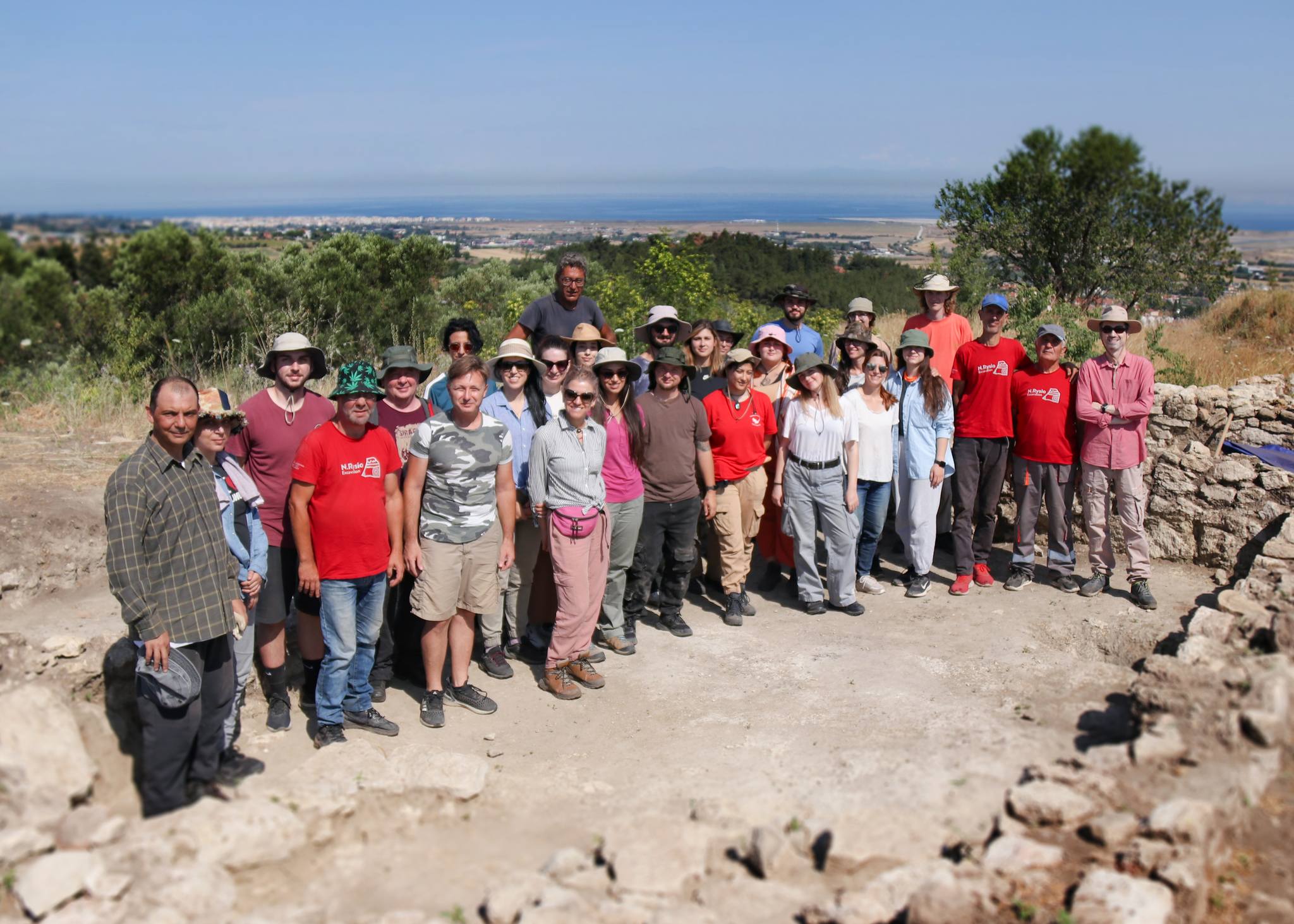
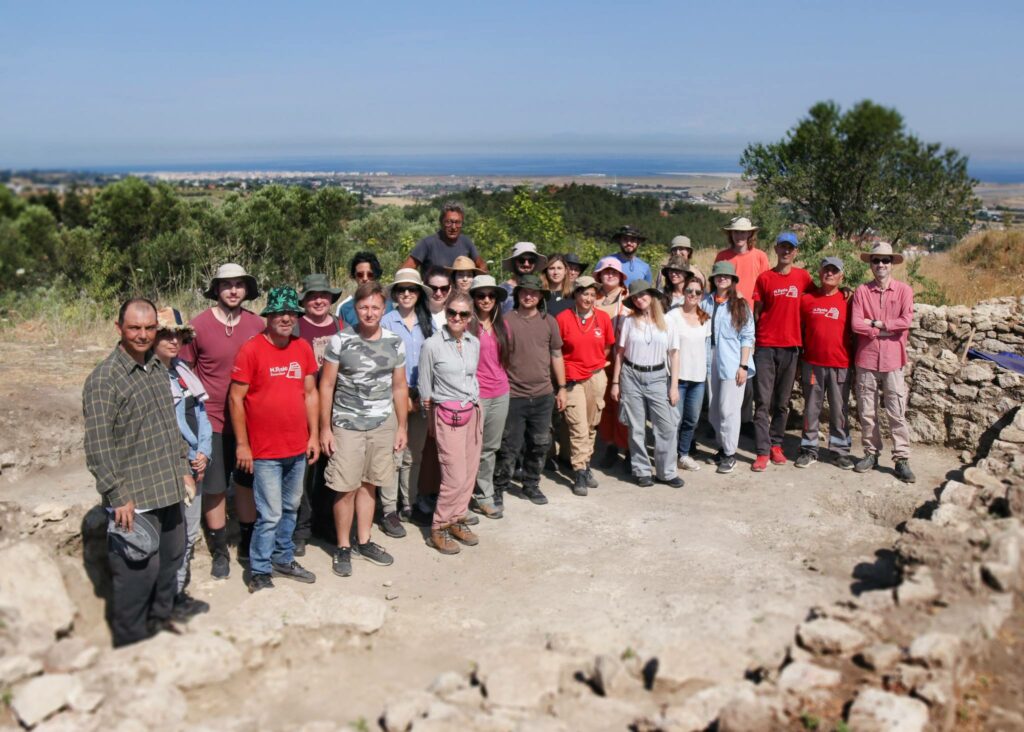
The Lifelong learning programme “Archaeology in Action”, offered by the International Hellenic University (Thessaloniki), is addressed to people who are interested in archaeology and especially excavation. It combines online lectures with hands-on experience in archaeological fieldwork and laboratory practice. Participants are introduced to all stages of archaeological research, through the ongoing excavation of the International Hellenic University at the site “Trapeza of Neo Rysio – Kardia”, near Thessaloniki. Flexible participation modes (full-time, part-time, non-credit) allow students and enthusiasts to engage with archaeology in a dynamic and practical way, complemented by optional weekend excursions to major sites of ancient Macedonia, as well as archaeological museums, while enjoying the vibrant cultural life, seaside atmosphere, and rich history of Thessaloniki.
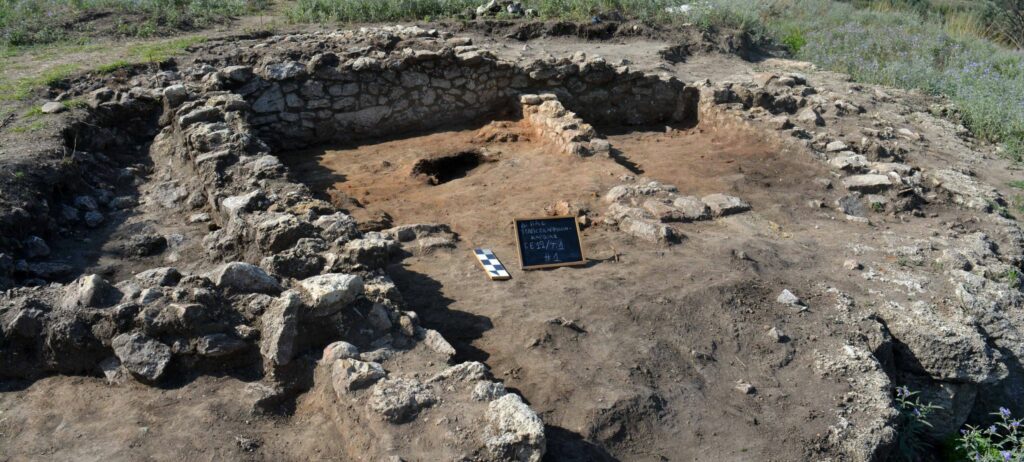
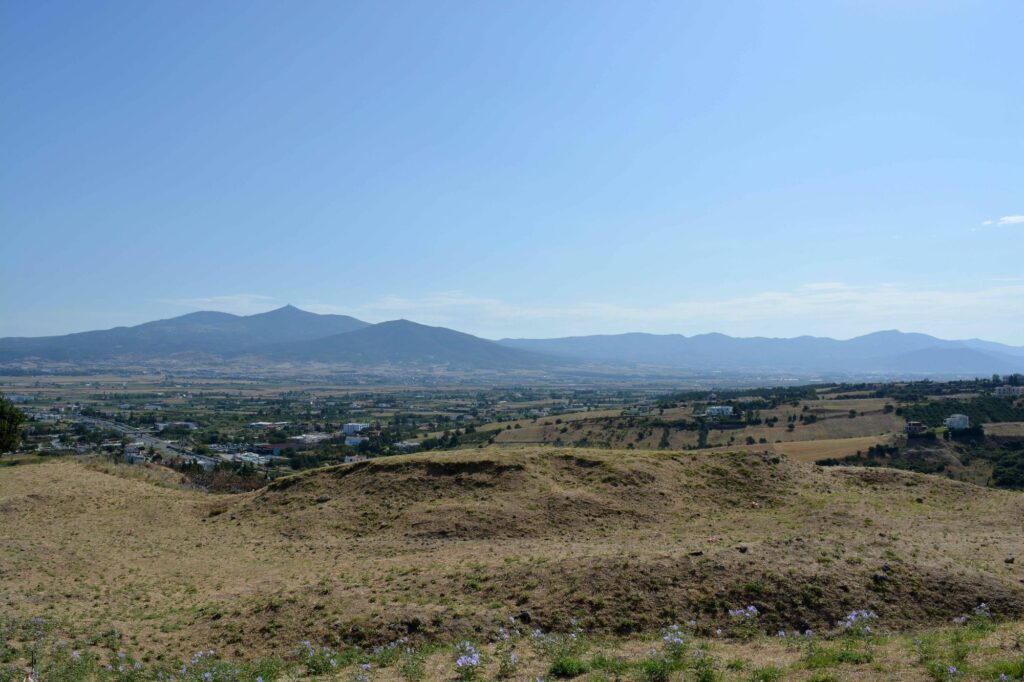
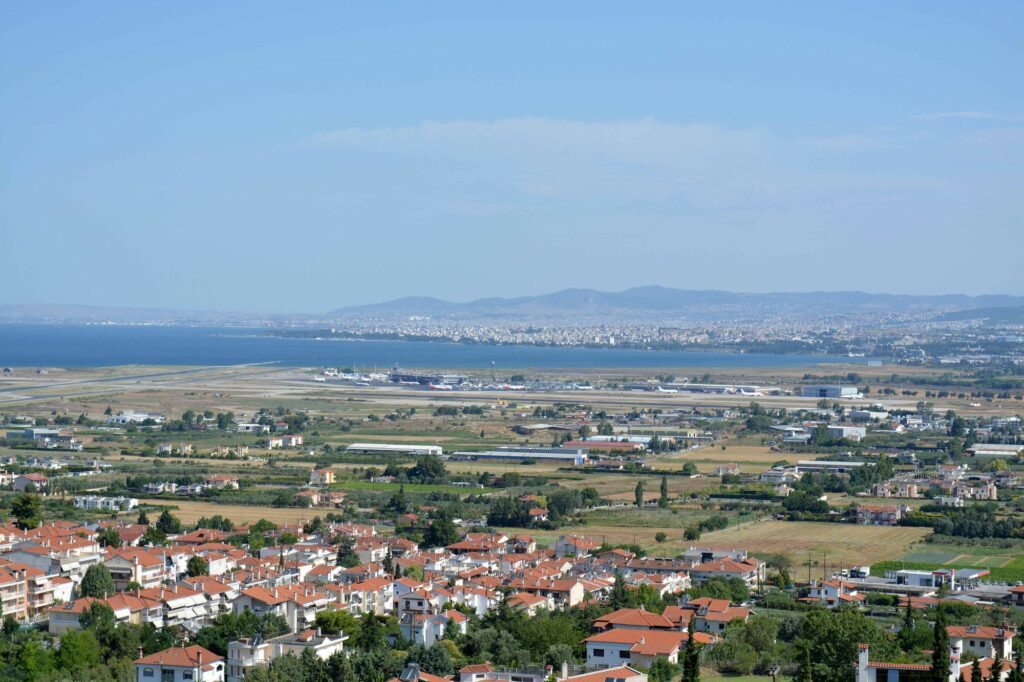
The site “Trapeza of Neo Rysio-Kardia” is located on a mound with flattened surface (trapeza) in the northern end of ancient Kroussis and to the south of the Anthemous valley, close to the modern-day villages of Neo Rysio and Kardia, and near the airport of Thessaloniki. There, the remains of an ancient settlement that pre-existed the founding of Thessaloniki (316/5 BC) were discovered. This settlement was founded on a prominent location that oversees almost the whole valley of Anthemous, the Thermaic Gulf, as well as Mt. Kissos (modern Chortiatis).
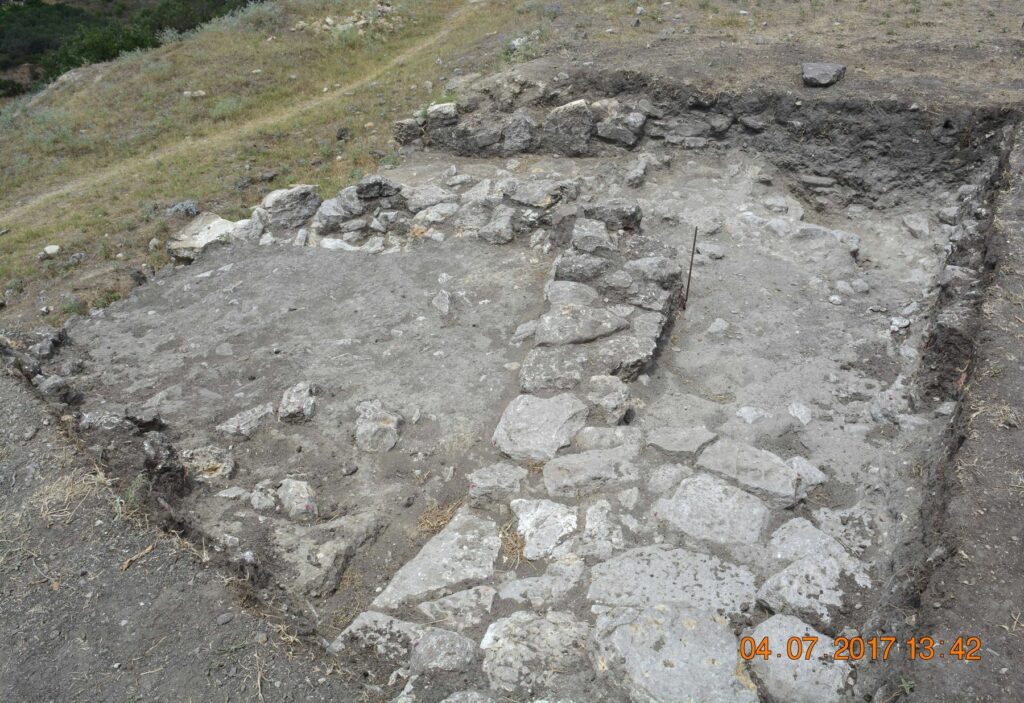
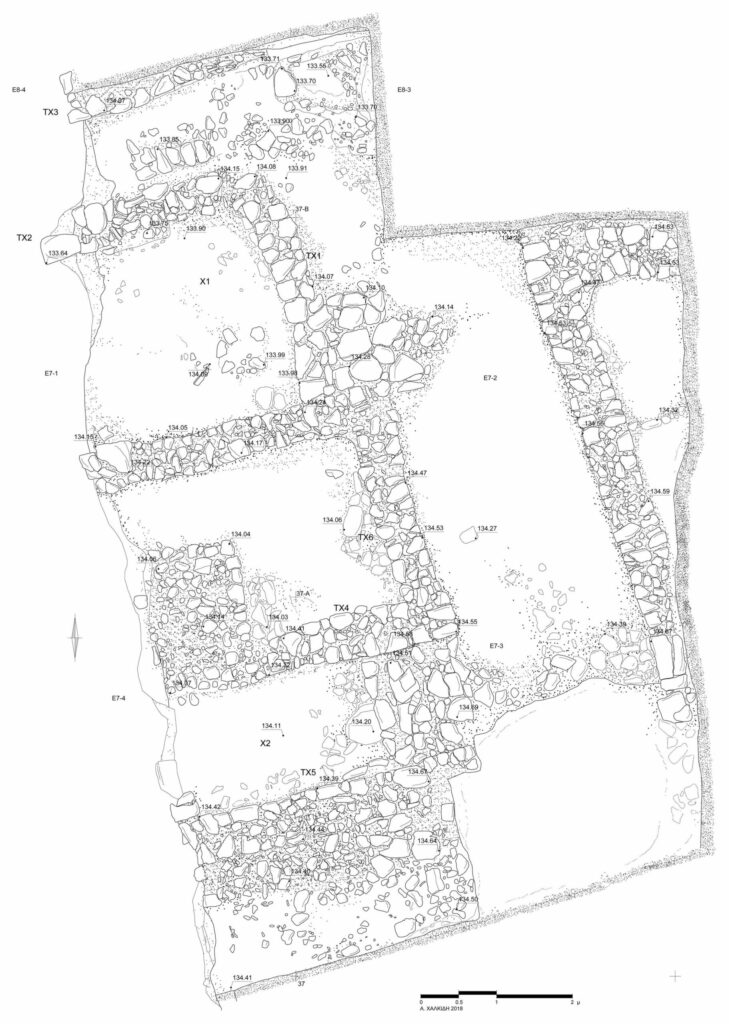
During the first season (2016), research was concentrated on surveying the site and cleaning the surrounding wall of its upper terrace. During the next three seasons (2017-2019), the research team dug trial trenches that brought to light parts of buildings and streets. These finds offer valuable information regarding the plan of the settlement, which was mainly inhabited throughout the Early Iron Age and the Archaic periods (11th/10th-6th centuries BC).
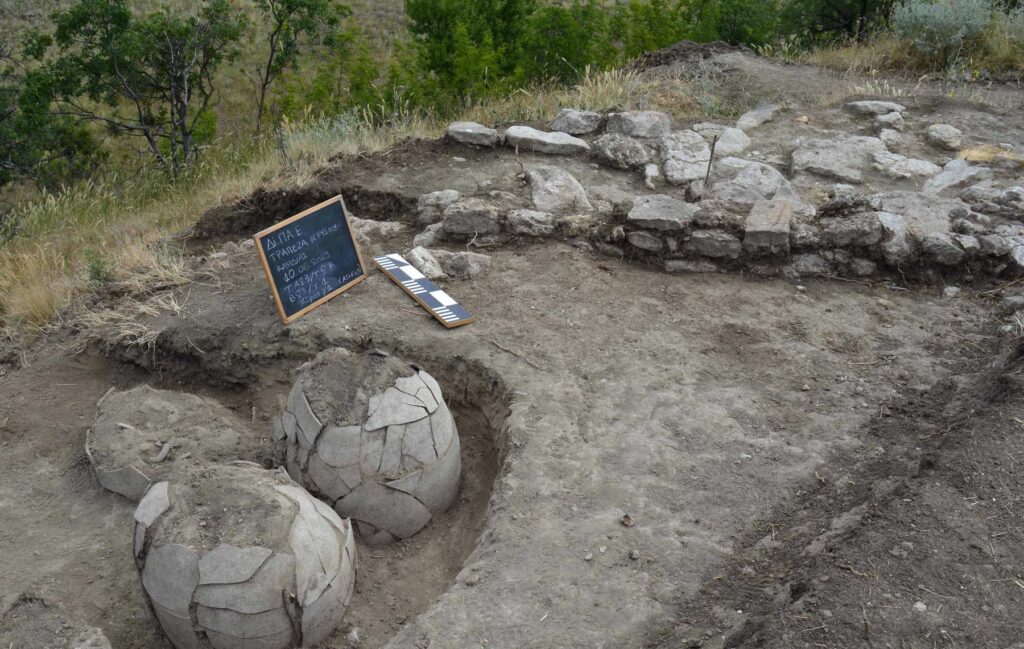
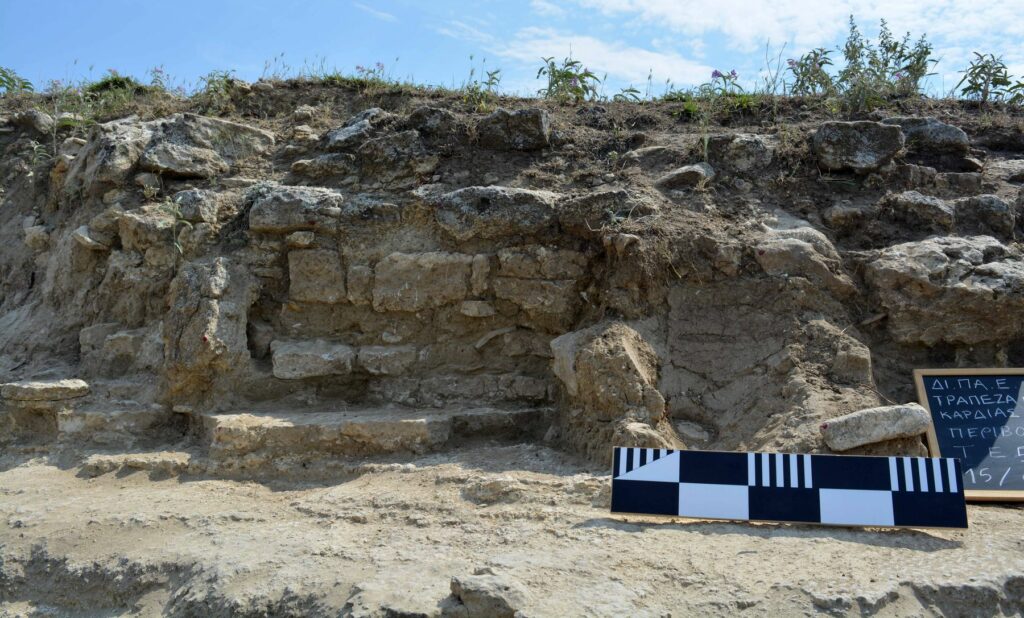
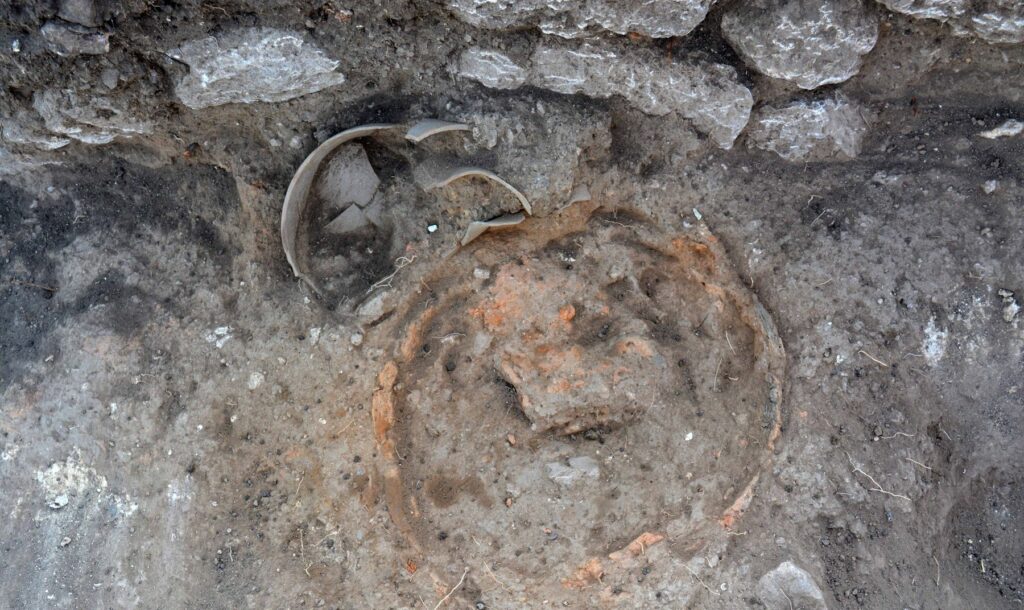
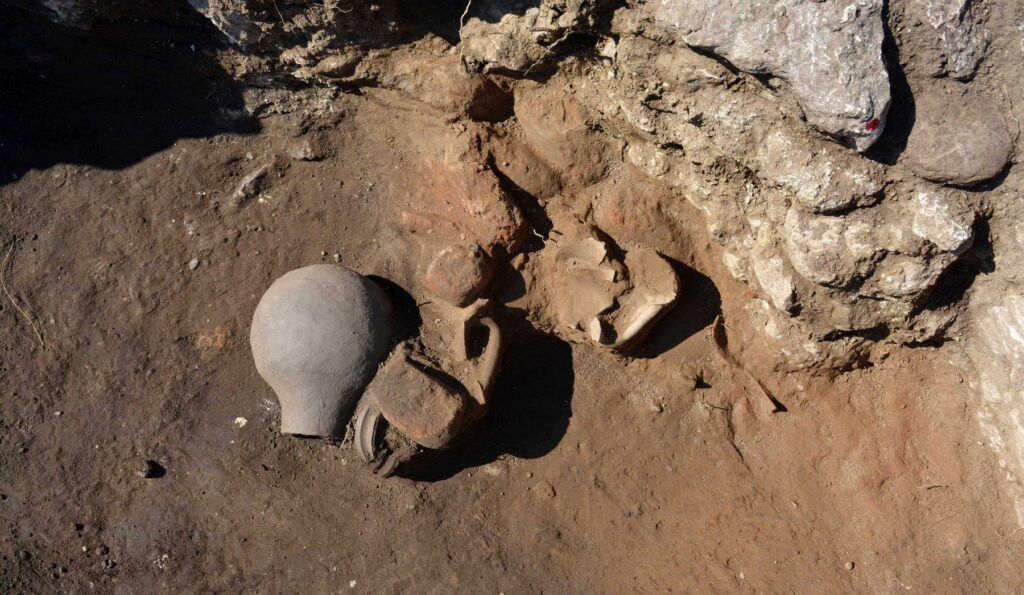
The site “Trapeza of Neo Rysio-Kardia” belongs to a dense group of settlements that existed along the Thermaic Gulf before the conquest of this region by the Macedonians in the 6th century BC. In the dig site several rectangular and trapezoid buildings with several rooms came to light, built with walls whose lower parts were made of stone and the upper parts were made of clay mudbrick. Probably the roofs consisted of wooden planks and reeds. Inside the rooms pits were unearthed, as well as stone and clay constructions used for everyday activities. Between the buildings, the vertical and horizontal roads that were unearthed give an indicative image of the settlement’s urban planning even from the Early Iron Age.
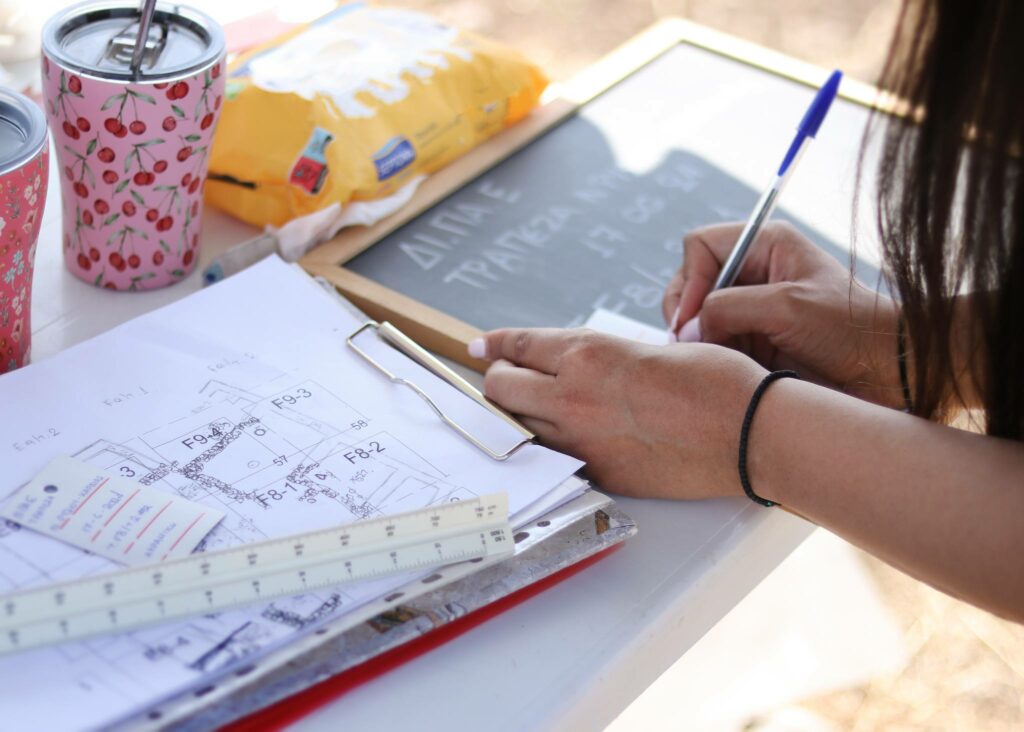
Excavation over the past years brought to light highly interesting archaeological finds (pottery, stone and metal tools, spindle whorls and loom weights, bones and sea-shells). Each year, students also have the opportunity to practice at the cleaning, storing, inventorying and photographing of the excavated material. In the conservation laboratory of the International Hellenic University fragmented vases are mended, and archaeological material is conserved by an experienced team of conservators and by our students.
Fieldwork
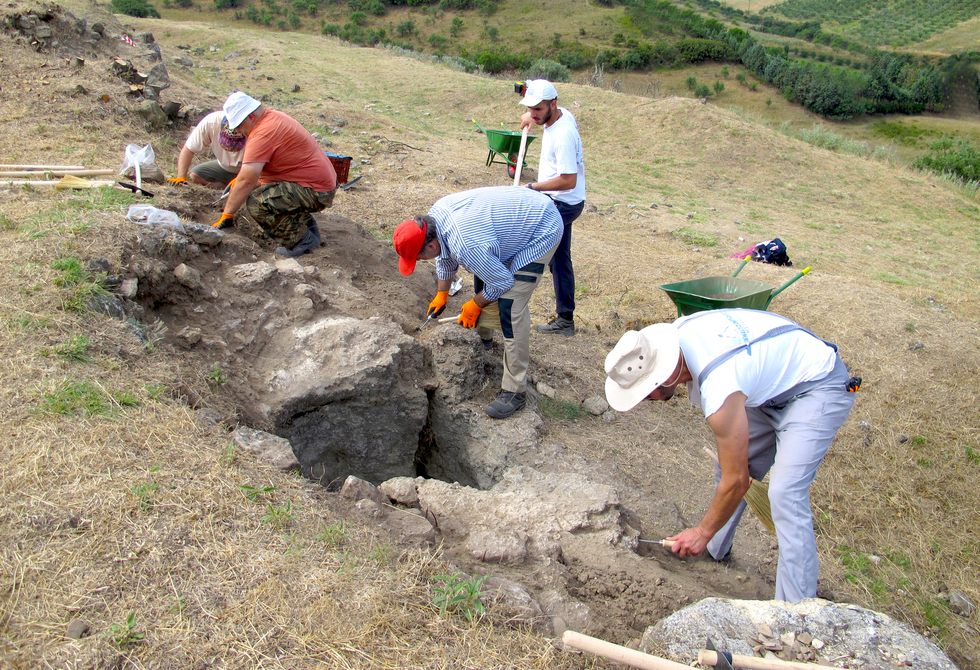
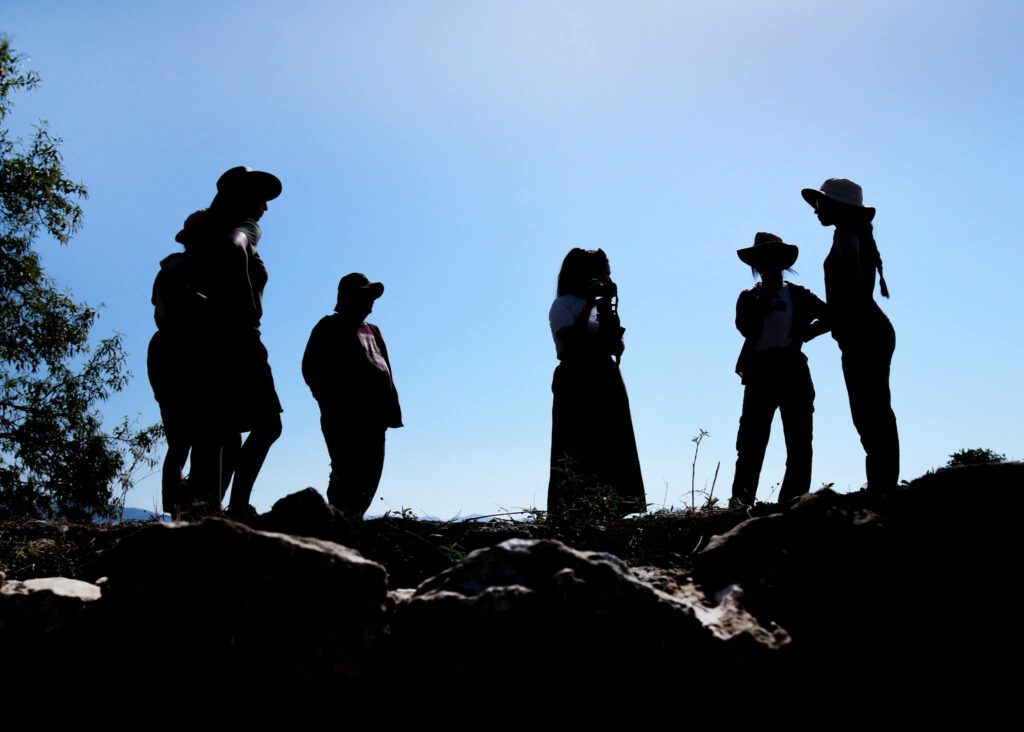
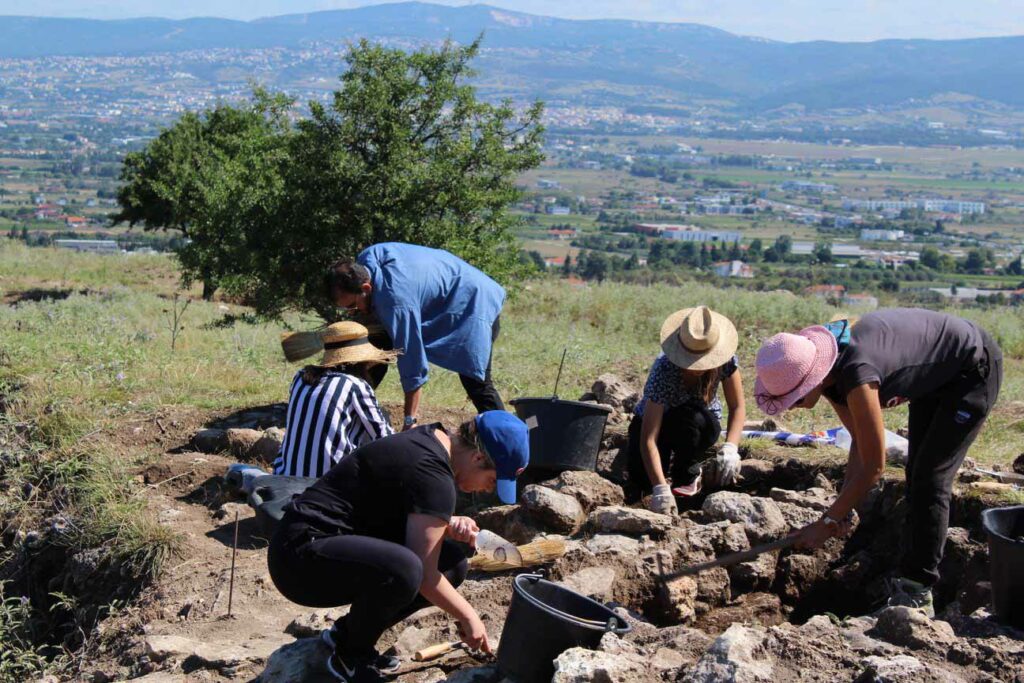
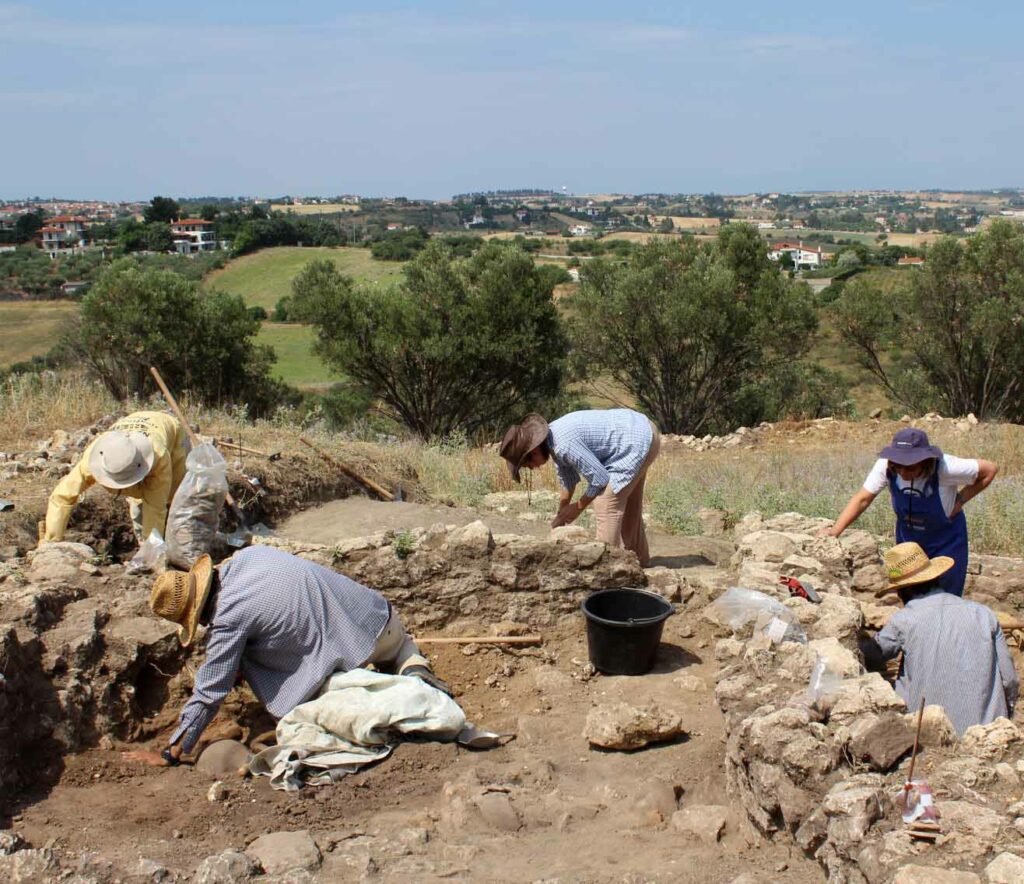
The excavation takes place at the Trapeza of Neo Rysio-Kardia, a flat-top settlement dating to the Iron Age, near the university campus. Under the guidance of experienced academic staff, participants will:
Students will also experience the interdisciplinary nature of archaeology through visits and demonstrations by specialists such as geoarchaeologists, archaeobotanists, and topographers, gaining a panoramic understanding of the ancient landscape.
Laboratory
After excavation, artefacts undergo a series of steps to transform them into research-ready heritage materials. Students will:
This stage builds practical expertise in artefact management, ensuring that what is uncovered in the field is preserved, documented, and ready for future study.
Together, the field and laboratory experiences provide participants with a comprehensive understanding of the excavation process, from uncovering the past to preparing artefacts for research and preservation, equipping them with the skills to work with archaeological sites and materials.
Period(s) of Occupation: Early Iron Age and the Archaic periods (11th/10th-6th centuries BC).
Notes:
Costs:
1 week=700$
2 weeks=1400$
3 weeks=2100$
4 weeks=2500$
Lodging is not provided as of yet but lodging recommendations with discounts will be provided.
Academic credits is provided for anyone who attends at least 2 weeks and attends online lectures that will take place the week before the excavation via zoom meeting.
Project Size: 1-24 participants
Minimum Length of Stay for Volunteers: 1 weeks
Minimum Age: 18
Experience Required: No experience required
Room and Board Arrangements:
No lodging is provided but lodging suggestions with discounts are provided.
Academic Credit:
Yes, Academic credits are available.
David Grace
3529 Swan Road
Mount Vernon
WA
98273
United States
Phone: +1 360 815 4564