Location: JCXV+2W Redondo, Portugal
Season: July 5, 2026 to July 25, 2026
Session Dates: 07/05/26-07/25/26
Application Deadline: May 1, 2026
Deadline Type: Rolling
Website: https://rochadamina.weebly.com/
Program Type:
Field School
RPA Certified:
No
Project Director:
Rui Mataloto, Camara Municipal de Redondo, Conceiçao Roque, Camara Municipal de Alandroal, and Melisa Yorio, Princeton University
Project Description:
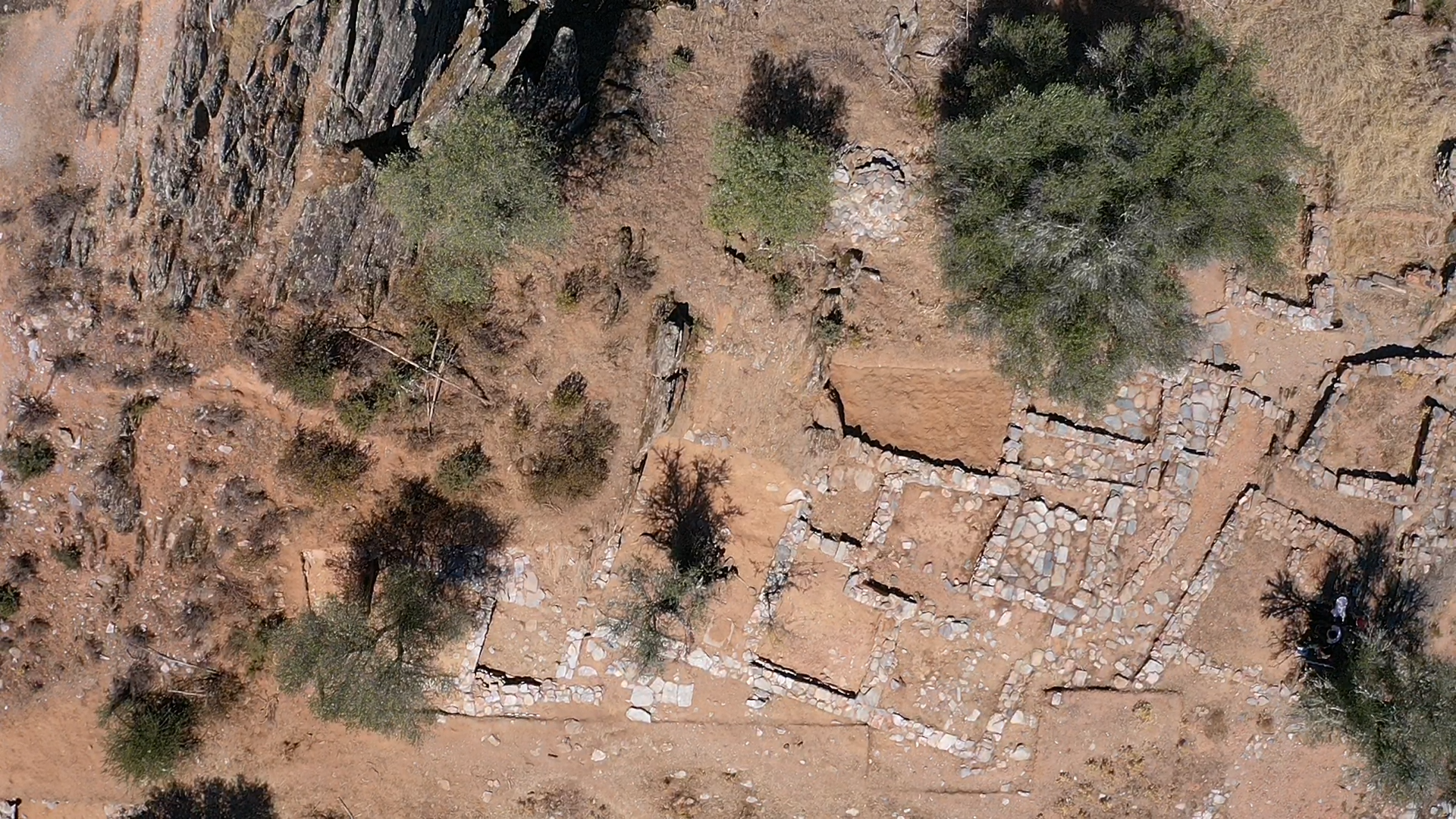
Rocha da Mina’s archaeological site is located in the Municipality of Alandroal, in the Alentejo region of Portugal. This site was firstly identified in the early 90’s on a prominent rock outcrop, and was thought to be some sort of a late Iron Age sanctuary. Since 2010, Rui Mataloto and Conceiçao Roque have excavated this site. These excavations have revealed houses and streets. These findings offer an exciting look into urban planning in the region in the Iron Age and the re-occupation of the site during early years of the Roman Empire. The ceramics best demonstrate the exciting nature of this site. We have found local ceramics alongside Campanian ware, Thin-walled ware, Italic Terra Sigillata, Baetican and Lusitanian amphorae. The ceramics suggest that the first occupants of this site arrives in the 50s BCE and abandoned the structure by 20 BCE. Future work aims to study the possibility of an indigenous sanctuary of Celtic origin at the site.
Period(s) of Occupation: Iron Age, Roman Period
Project Size: 1-24 participants
Minimum Length of Stay for Volunteers: 3 Weeks
Minimum Age: 18
Experience Required: No experience required.
Room and Board Arrangements:
Housing: Students are housed in the town of Redondo, Portugal. Space is communal, and most rooms house two or more students (sometimes in bunk beds). Sleeping arrangements are separated by gender. We share a kitchen, bathrooms, washing machine, and living room, and so we also share the responsibility of cleaning these spaces.
Meals: The project provides three meals per day on weekdays. Breakfast is provided at the dig house, and students are expected to prepare it themselves. Lunch is served at a local restaurant, and dinner is provided by other local restaurants but eaten at home. Students should expect to eat the traditional cuisine of the Alentejo region. We make every effort to accommodate vegetarians, but any participant with special dietary requirements or food allergies must contact us before the beginning of the project. On weekends, students should expect to provide their own meals. Redondo has some restaurants that stay open on weekends, and there are two major grocery stores in town as well as numerous cafes and shops. Since we take field trips every weekend, students have the opportunity to sample the cuisine of other towns and regions.
Transportation: The project provides transportation while students are in Portugal. Students must purchase their own plane tickets to and from Lisbon, Portugal. We meet students at the Lisbon airport when they arrive and bring them to Redondo, Portugal. We also transport students back to Lisbon, either directly to the airport or elsewhere in the city if they are planning on a longer stay after the project. Please be sure to inform us of your travel plans as far in advance as possible.
Redondo is a small and very friendly community. Students have ample opportunity to explore the town during their free time. Free wireless internet connections are available in most places across town. Moreover, participants have access to the local community pool -- so bring your swimsuits! Small shops, great little museums, plenty of pottery workshops and the nearby countryside make this lovely community an ideal place to experience field archaeology!