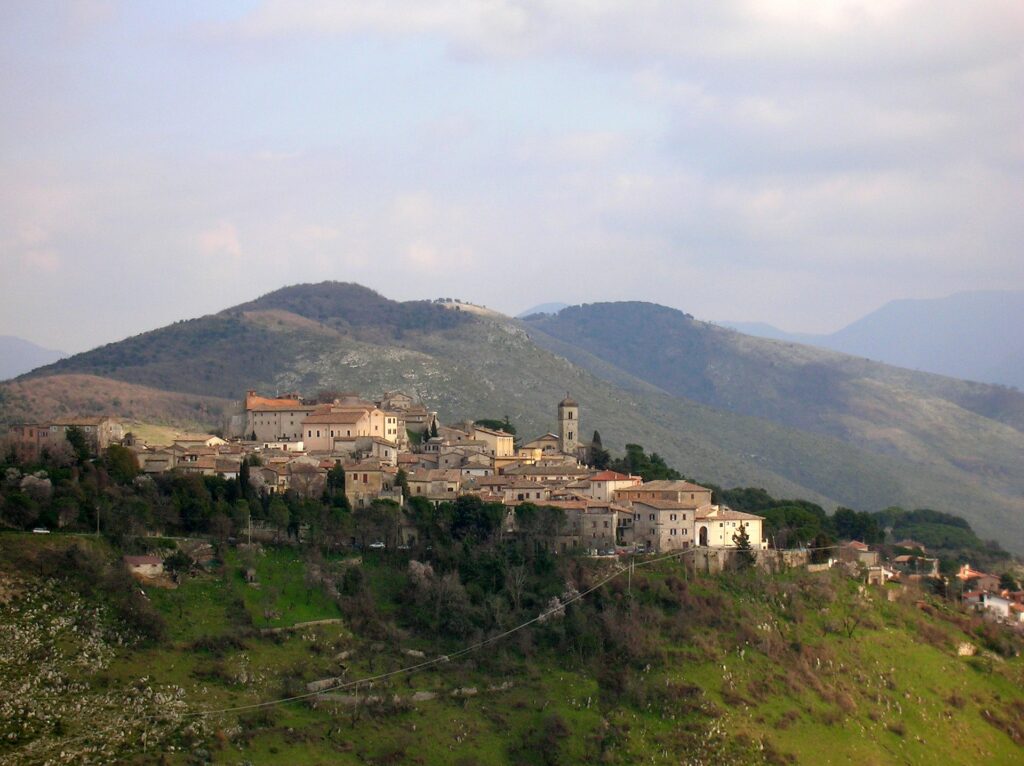

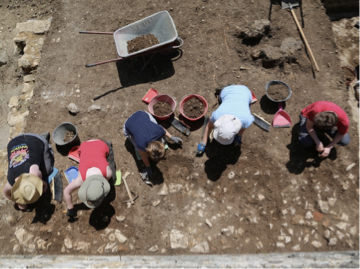
Location: Cures Sabini VIII sec. a.C., Fara in Sabina, Province of Rieti, Italy
Season: July 5, 2026 to August 2, 2026
Session Dates: July 5, 2026 to August 2, 2026
Application Deadline: March 1, 2026
Deadline Type: Rolling
Website: https://fieldschool.rutgers.edu
Program Type:
Field School
RPA Certified:
No
Affiliation:
Rutgers University
Project Director:
Gary D. Farney
Project Description:
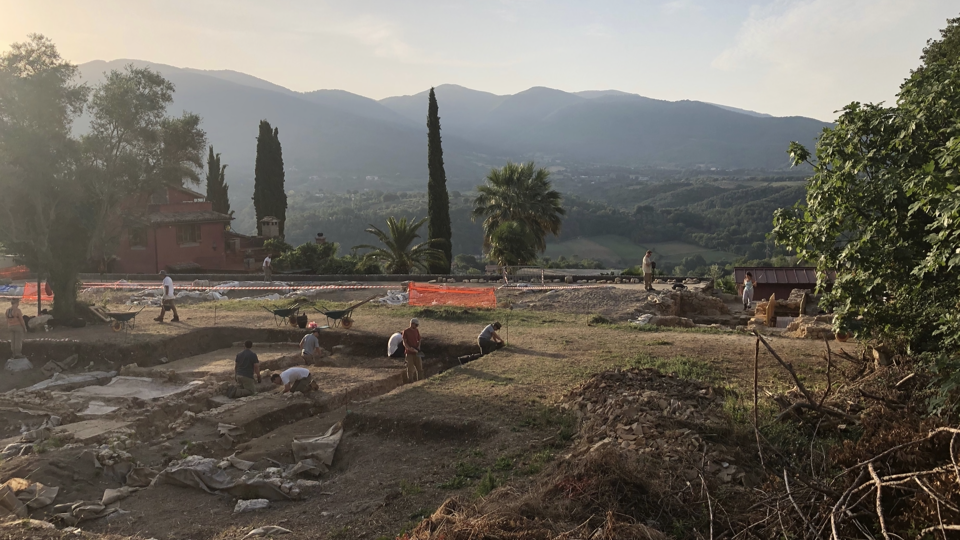
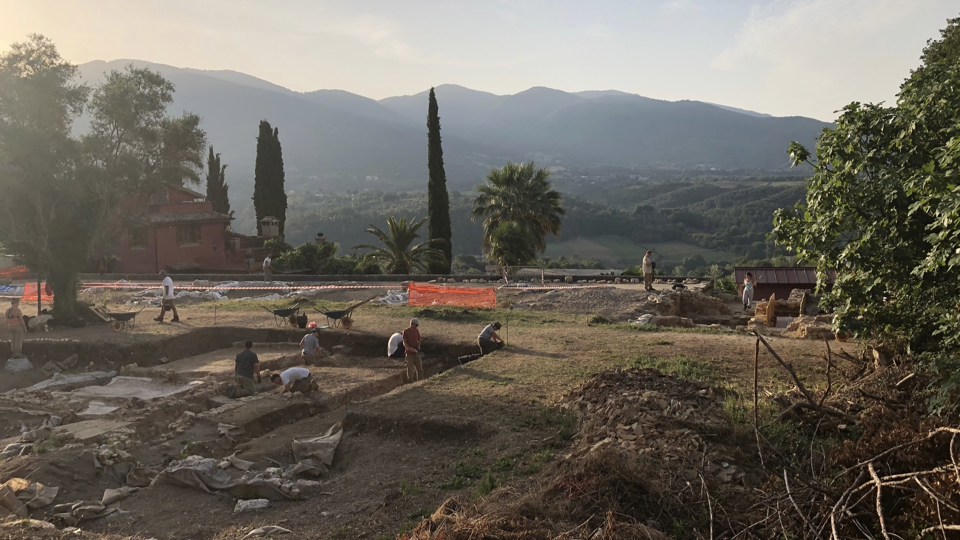
Rutgers University Archaeological Field School in Italy, in operation since 2012, is a Rutgers Study Abroad summer program that teaches undergraduate and graduate students archaeological field skills and methods. Among these are: excavation techniques; site recording and management skills; the handling, processing and preserving of site materials, such as mosaics, painted wall plaster, pottery, human remains and other small finds. Student participants will acquire this training by doing these things on site in Italy under the supervision of academic and professional field specialists.
In the past we have worked at the Villa Romana di Vacone, near the small village of Vacone in northern Lazio. For 2026, however, fieldwork will commence at a new location near the town of Fara in Sabina, doing the work at a Roman site for a new archaeological project, the Ager Curensis Project (see our official field school website for more details about this project: https://fieldschool.rutgers.edu). In addition to fieldwork, there will also be seminars and readings about archaeological methods, and historical and anthropological topics related to the project currently being pursued by the field school. Like Vacone, Fara in Sabina is in the Tiber River Valley just about 20 miles north along the Tiber River from Rome. Participants live and work near the fieldwork site in a hotel, the Borghetto d’Arci (see more below).
Enrollment in the Rutgers Field School is not limited to Rutgers University students, and applicants from other institutions of higher learning are welcome to apply. Although applicants with backgrounds in history, Italian studies, archaeology, anthropology and/or classics are desired, no previous experience or prerequisites are necessary, nor is any particular major or background. Moreover, no knowledge of Italian language is required.
Graduate students can earn either 6 or 3 course credits, depending on the track they wish to take. They should consult their departments to see how they will treat the credits for any degree they are pursuing. For 6 credits, they can participate for all four weeks of the field school season. For the 3 credits option, graduate students can participate in two weeks of the field school season to be arranged with Prof. Farney.
Post Field School. Many of the alumni from our previous field schools have gone on to graduate programs in History, Classics, Archaeology, Conservation and Anthropology. Among these are programs at Brown University, Cambridge University, University of Oxford, University of Edinburgh, Durham University, the University of Manchester, Boston University, the University of Toronto, Harvard University, the University of South Florida, Villanova University, University of Oregon, the College of William and Mary, and the Fulbright Fellowship Program.
Period(s) of Occupation: Late Roman Republic; Roman Empire; Late Antiquity
Notes:
Archaeological Field School; Field School in Italy; Roman archaeology
Project Size: 1-24 participants
Minimum Length of Stay for Volunteers: 4 weeks; 2 weeks for certain graduate enrollees
Minimum Age: 18
Experience Required: None
Room and Board Arrangements:
Program participants will live in a hotel, called the Borghetto d'Arci (http://www.borghettodarci.it), located close by our fieldwork site. The Borghetto has rooms of two to four people, each with a separate bathroom. The Borghetto has many amenities, including internet access and air conditioning. All meals will be provided on site or at the Borghetto for staff and students Sunday dinner through Friday lunch as part of the program costs. Students will have to pay for their own meals at other times (Friday dinner through Sunday lunch). Students will also be able to visit local towns regularly.
Students will travel to Rome or other nearby locales on the weekends. On Friday afternoon, staff arrange for students to be taken to a nearby train-station for a direct train into Rome (ca. 35 to 40 minutes to the closest Rome station); likewise, students are picked up on Sunday late afternoon from the train station back to the Borghetto. The exception will be the very last weekend when students will stay at the Borghetto until Saturday morning (the costs of which will be included in the program fees).
Academic Credit:
6 for undergraduates; 3 or 6 for graduates
Gary D. Farney
Conklin Hall, Department of History
Newark
New Jersey
07102
USA
Phone: 9733533897