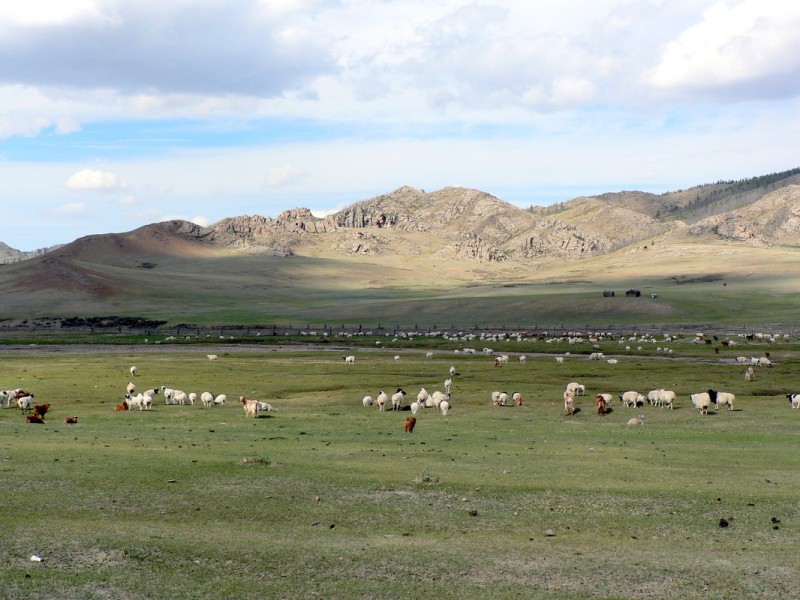
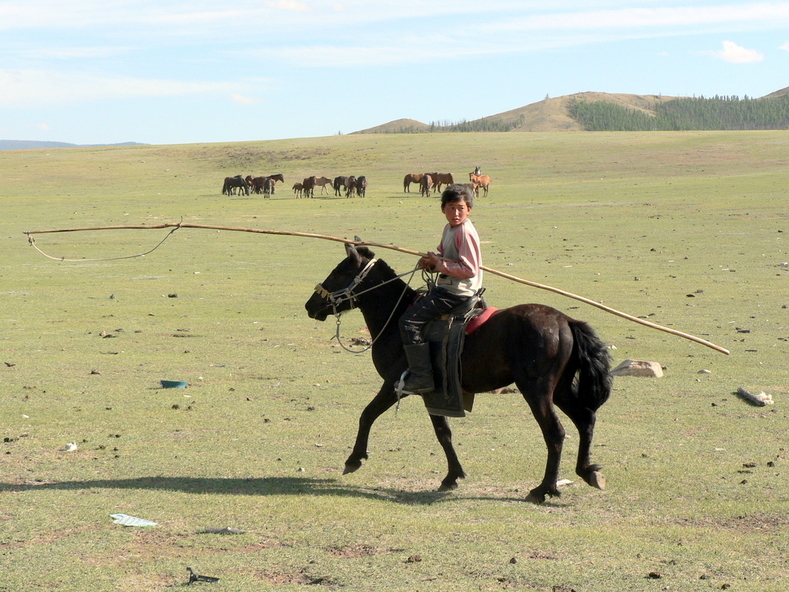
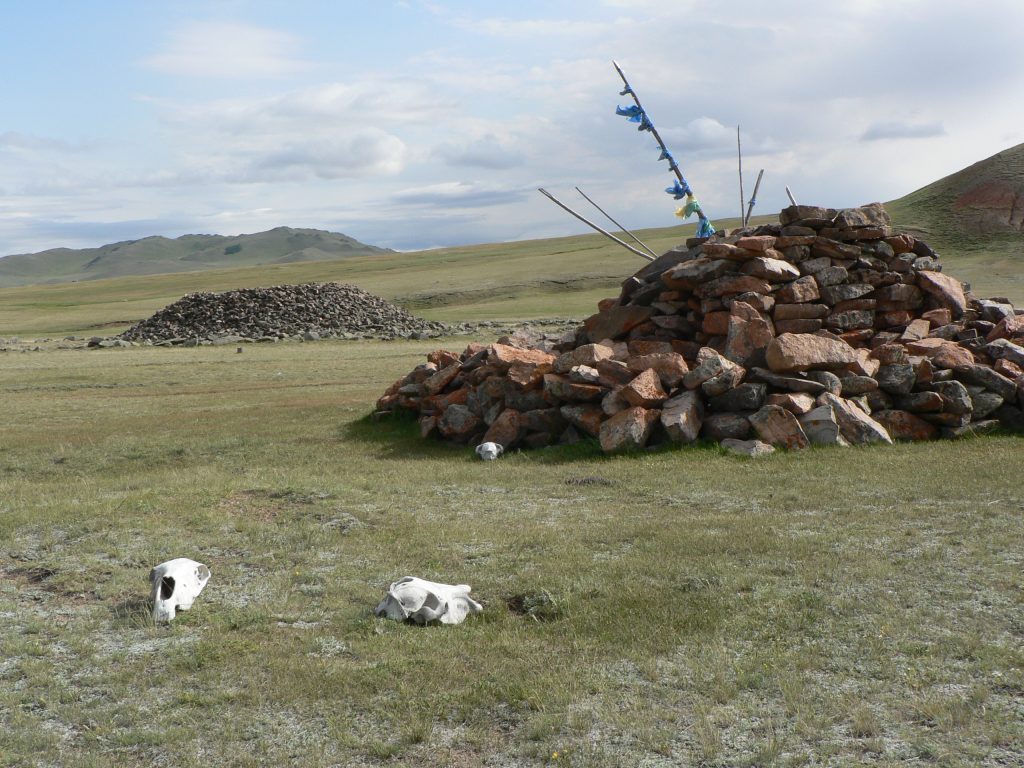
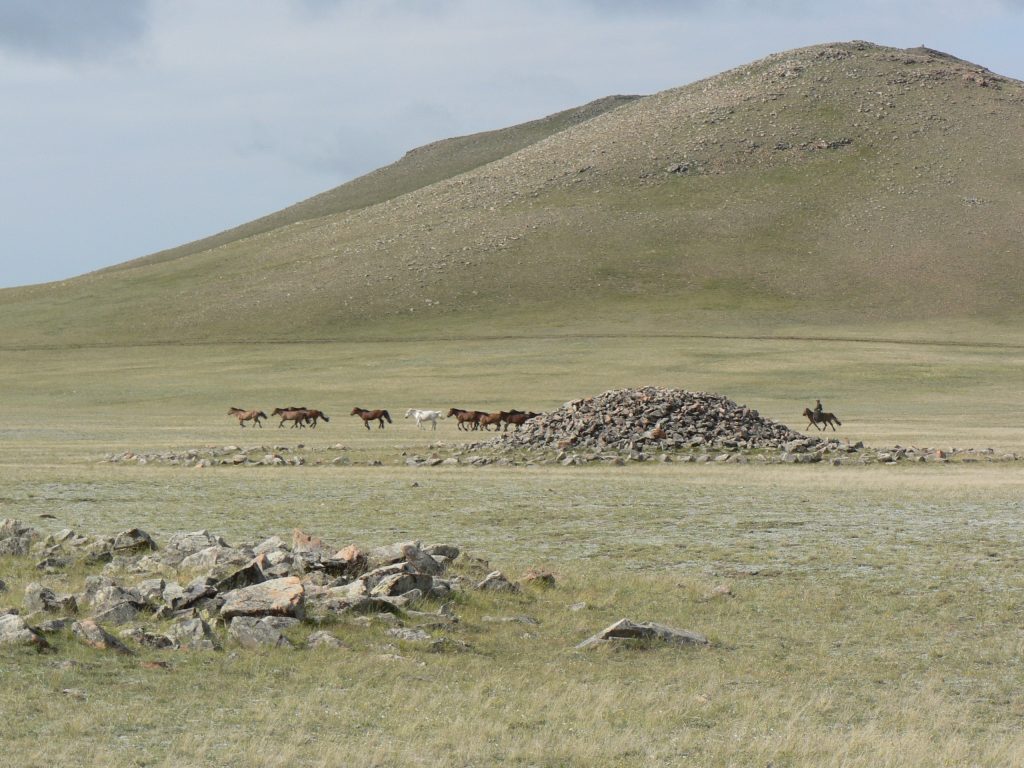
Location: W2P3+Q4 Khanui Spring Camp, Mongolia
Season: May 27, 2026 to June 22, 2026
Session Dates: May 27 to June 22, 2026
Application Deadline: February 28, 2026
Deadline Type: Rolling
Website: http://westernmongoliaarchaeology.weebly.com/
Program Type:
Field School, Volunteer
RPA Certified:
No
Affiliation:
Western Kentucky University, the Institute of Archaeology (MAS), and the Spanish National Research Council (CSIC)
Project Director:
Dr. Jean-Luc Houle (Western Kentucky University) and Dr. Jamsranjav Bayarsaikhan (Institute of Archaeology, MAS); Collaborators: Dr. Oula Seitsonen (Geographer and lithics specialist, University of Oulu, Finland), Dr. Natalia Égüez (Geoarchaeologist, Spanish National Research Council (IPNA CSIC) [Spain] and University of California Davis [USA]); Dr. Francesc C. Conesa (Spanish National Research Council (IPNA CSIC) [Spain].
Project Description:
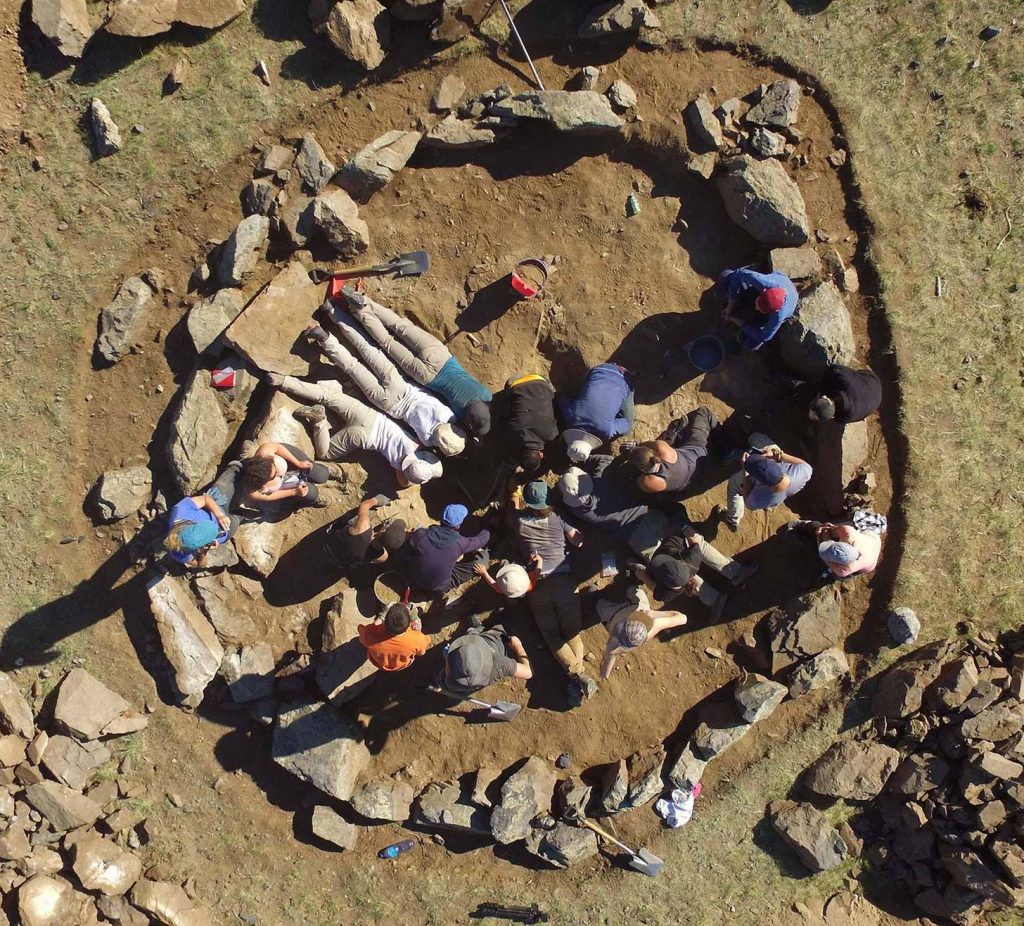
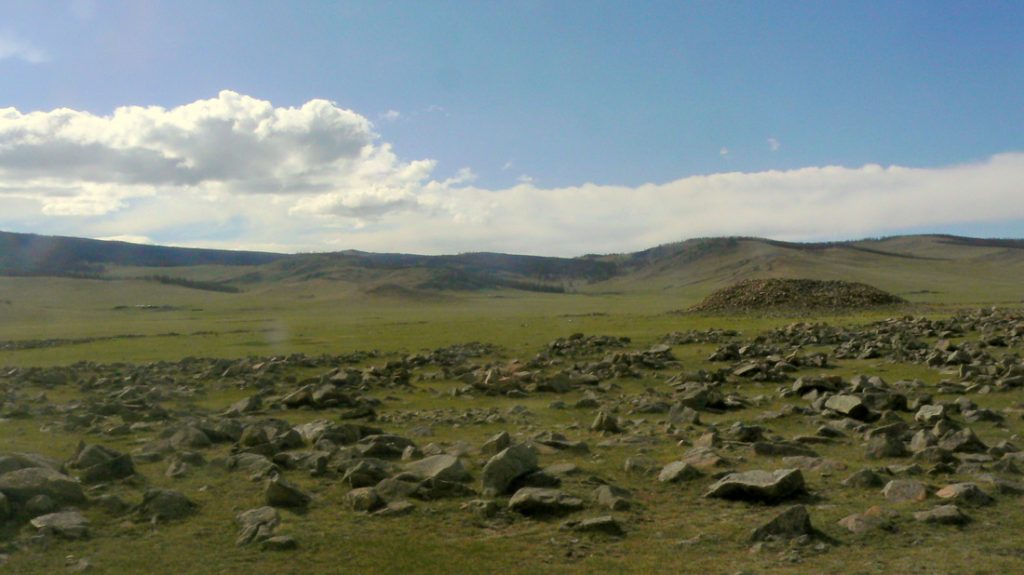
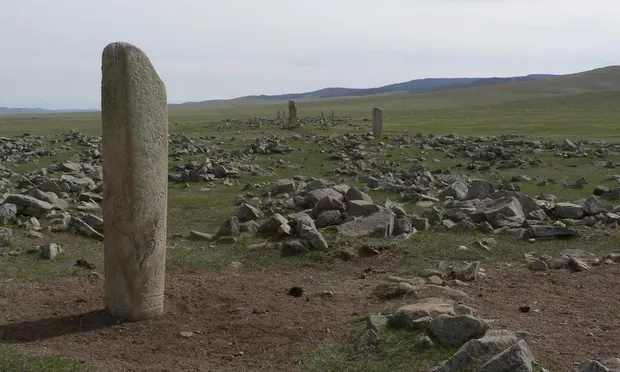
This collaborative project between Western Kentucky University, the Institute of Archaeology (MAS), the Spanish National Research Council (CSIC), and other European partners aims to investigate human–environment interactions and the nature of the social, political, and economic organization of Bronze and Iron Age societies in Mongolia through the use of landscape and settlement archaeology (see Project Overview for more details).
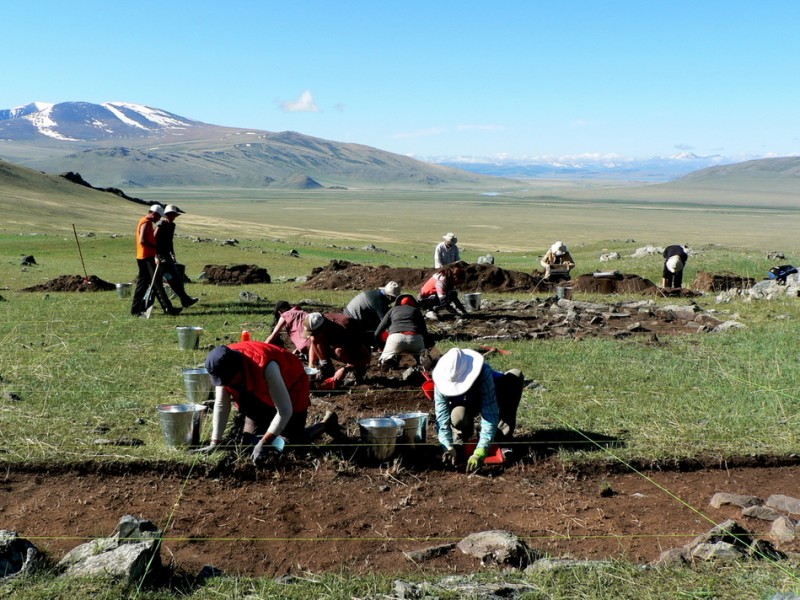
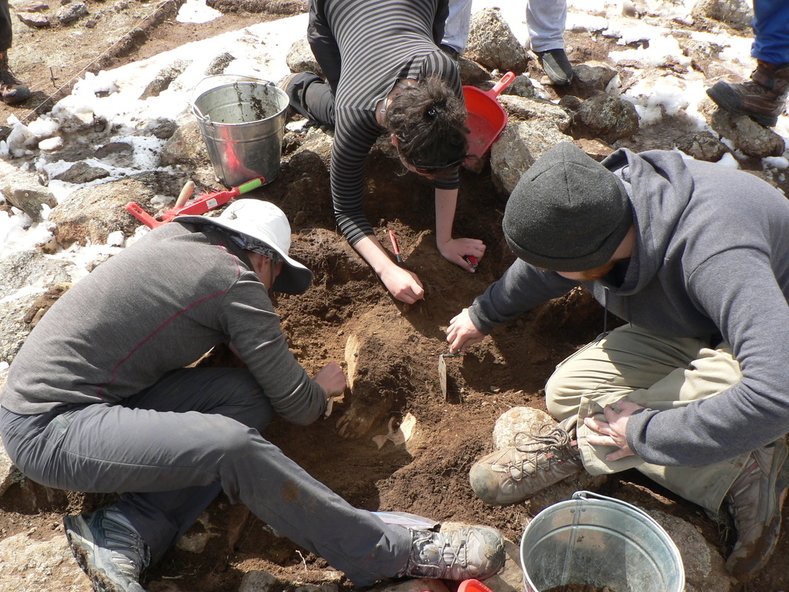
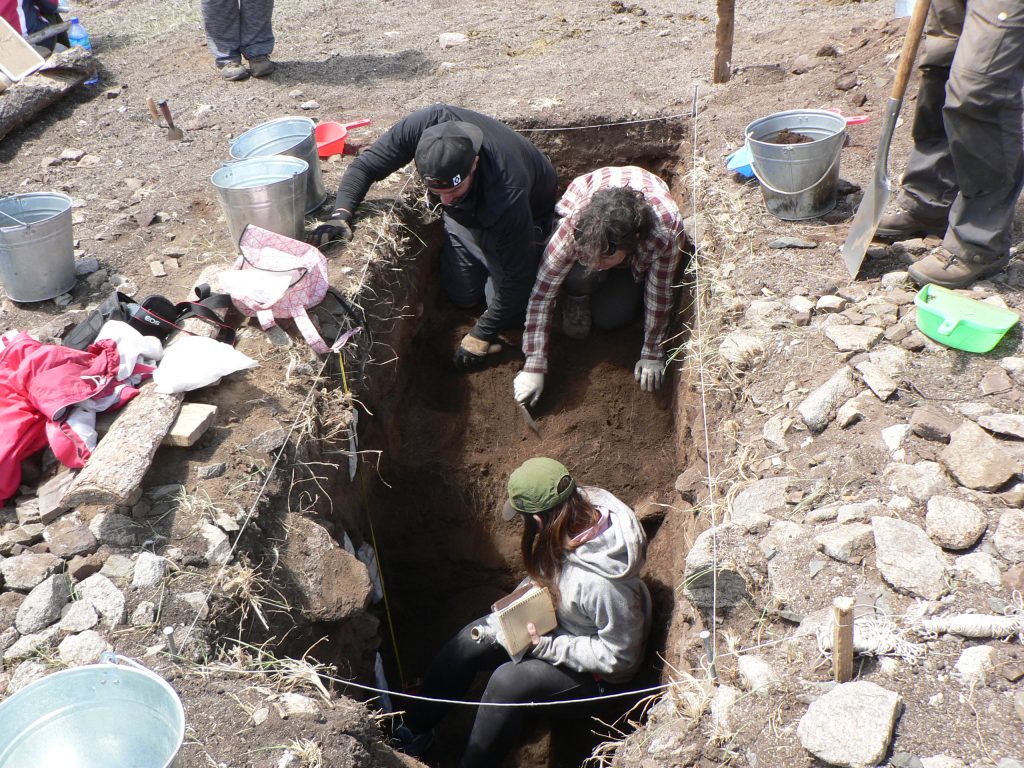
The 2026 field season will include regional survey and excavation of ancient nomadic pastoralist habitation sites and ritual monuments. Participants will receive training in survey techniques, proper methods of unearthing and documenting materials, and other related field and laboratory methods. In addition, the field school will incorporate analytical approaches from geoarchaeology and molecular archaeology, offering hands-on experience with sediment analysis, microcontextual sampling, and the study of human–animal relationships through biological remains.
This project accommodates participants wishing to receive academic credit through WKU and those just willing to gain archaeological field experience.
It is also possible to apply online via the Project’s website: https://westernmongoliaarchaeology.weebly.com/
Period(s) of Occupation: Bronze Age, Iron Age
Notes:
Mongolia; Nomadic Pastoralists; Social Complexity; Landscape Archaeology; Settlements; Ritual Monuments; Bronze Age; Iron Age; Geoarchaeology; Remote Sensing
Project Size: 1-24 participants
Minimum Length of Stay for Volunteers: Whole Session
Minimum Age: 18
Experience Required: Participants need no special training, but should be prepared for physical activity for extended periods of time. The most important things you need for this project are patience, a good sense of humor, and the ability to adapt to radically different cultures and environments.
Room and Board Arrangements:
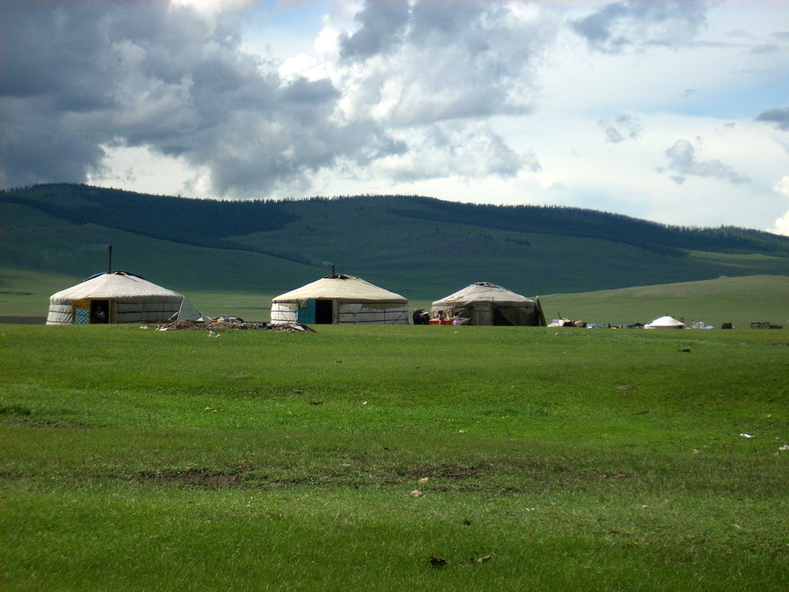
The field camp consists of sleeping tents (participants bring their own tent and sleeping bag), a kitchen/mess hall ger (yurt), a ‘lab’ ger (yurt), and outdoor pit toilets. Hired cooks will be responsible for buying and preparing all of the food consumed in the field (see details in the 'Project Overview').
Cost: $3,100 -- Includes: Transport to and from field in Mongolia, training, meals in the field, and international medical insurance.
Not included: International travel, visas (if needed).
Academic Credit:
We are happy to work with students wishing to receive Field School credit. Students should contact Dr. Jean-Luc Houle and make previous arrangements with their college or university.
Jean-Luc Houle
Department of Society, Culture, Crime, & Justice Studies, Western Kentucky University, 1906 College Heights Blvd. #61029
Bowling Green
KY
42101
USA