Location: 97JV+Q6 Debelt, Bulgaria
Season: June 20, 2026 to July 4, 2026
Session Dates: June 20 - July 04, 2026
Application Deadline: May 20, 2026
Deadline Type: Rolling
Website: https://www.bhfieldschool.org/program/ancient-greek-pottery-conservation-course
Discount for AIA members: 5% discount off the regular admission fee
Program Type:
Field School
RPA Certified:
No
Affiliation:
Balkan Heritage Foundation, New Bulgarian University, Bulgaria;
Apollonia Pontica excavation team: National Institute of Archaeology and Museum,
Bulgarian Academy of Sciences,
Archaeological Museum of Sozopol.
Project Director:
Workshop director: Dr. Daniela Cherneva - Chief Instructor; Balkan Heritage Foundation affiliate conservator, PhD in conservation and restoration of red figure ancient Greek pottery with polychrome decoration.
Instructors & Lecturers: Biljana J. Peeva - Instructor; conservator of pottery and glass artifacts at National Institution Stobi (R. of N. Macedonia); Teodora Bogdanova - Lecturer; PhD in Archaeology, Department of Classical Archaeology, National Archaeological Institute with Museum, Bulgarian Academy of Sciences, Adjunct Professor, CPCE, New Bulgarian University, Bulgaria; Margarit Damyanov - Lecturer; PhD in Archaeology, Assistant professor at the Department of Thracian Archaeology, Archaeological Institute with Museum at the Bulgarian Academy of Sciences
Project Description:
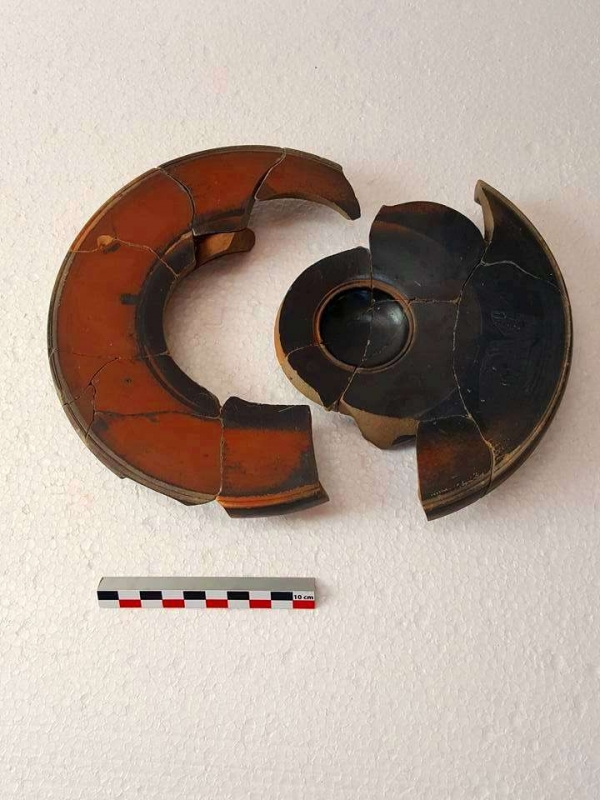
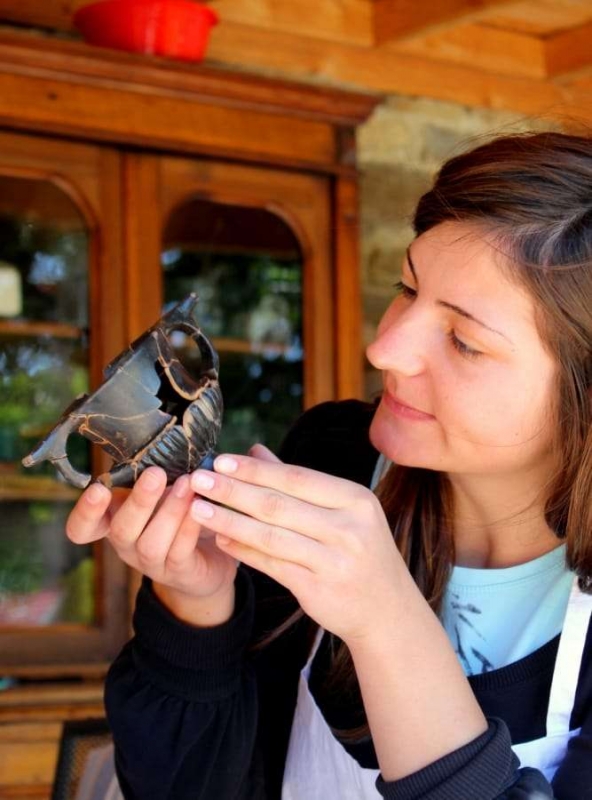
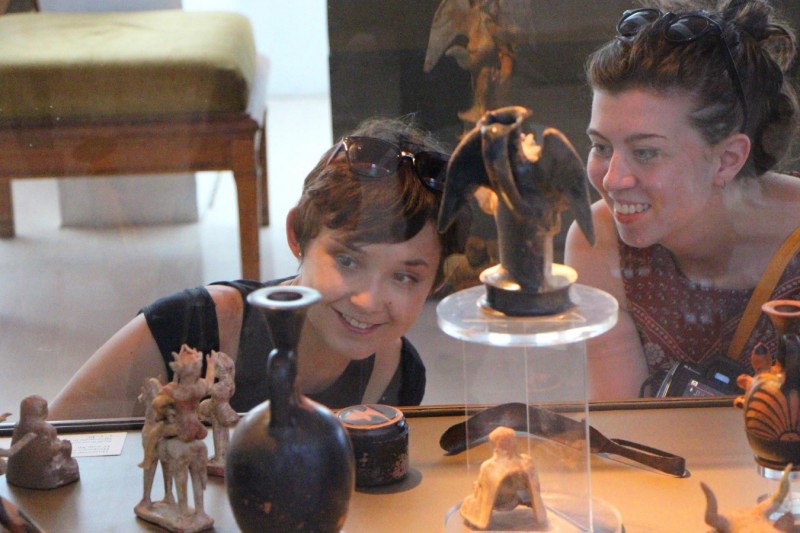
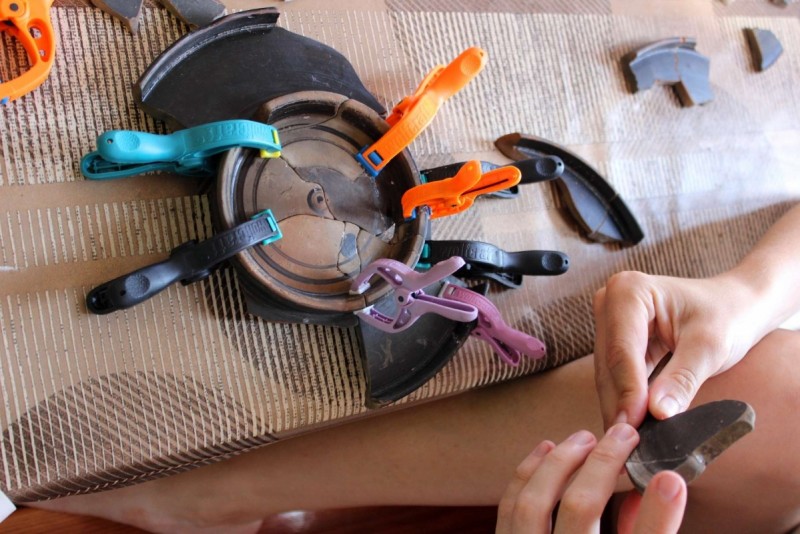
The Workshop for Conservation of Ancient Greek Pottery will guide the participants through the history of Ancient Greek pottery and the process of pottery conservation, restoration, documentation and study. Both the theoretical and practical courses will be based on Ancient Greek pottery from sites on the Western Black Sea coast. The course includes three modules: 1) practical work in conservation of ancient pottery (involving authentic pottery shards found in the necropolis of Apollonia Pontica); 2) lectures on topics related to the archaeological context of conserved vessels and to conservation process of ancient Greek pottery; 3) excursions to the ancient coastal towns of Nessebar (UNESCO World Heritage Site) and a sightseeing tour of Sozopol (including study visits to their archaeological museums). Refer to the Course Program and Agenda below.
By the end of the workshop the participants will:
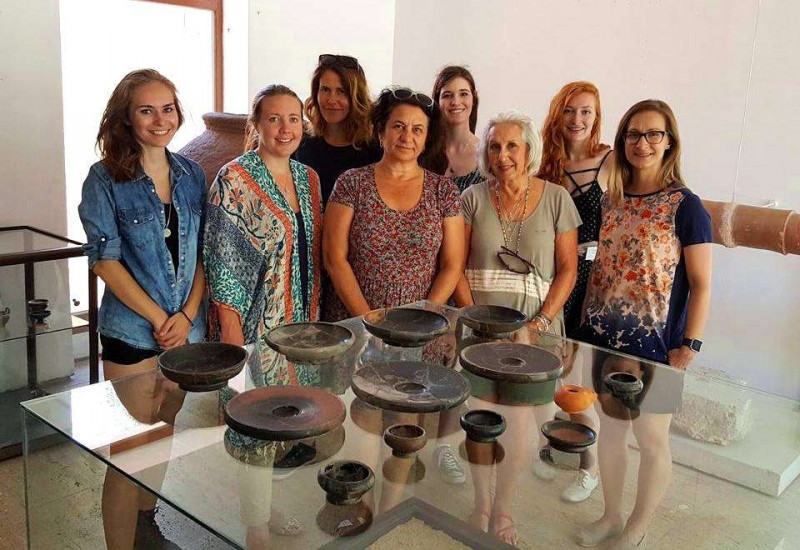
The workshop has taken place since 2009. The instructors and the students have conserved more than 180 Ancient Greek vessels.
Period(s) of Occupation: Archaic and Classical Greek, Hellenistic (6th century BCE - 1st century BCE)
Notes:
The Workshop for Conservation of Ancient Greek Pottery will guide the participants through the history of Ancient Greek pottery and the process of pottery conservation, restoration, documentation and study. Both the theoretical and practical courses will be based on Ancient Greek pottery from sites on the Western Black Sea coast. The course includes three modules: 1) practical work in the conservation of ancient pottery (involving authentic pottery sherds found in the necropolis of Apollonia Pontica); 2) lectures on topics related to the archaeological context of the conserved vessels and the conservation process of ancient Greek pottery in general; 3) excursions to the ancient coastal towns of Nessebar (UNESCO World Heritage Site) and a sightseeing tour of Sozopol (including study visits to their archaeological museums).
Project Size: 1-24 participants
Minimum Length of Stay for Volunteers: Two weeks
Minimum Age: 18 (16, if an adult family member accompanies the participant).
Experience Required: No though participants should have command of manual operations. The participants should have medical insurance including COVID-19 treatment and repatriation. The participants should inform the project staff about any health issues, allergies, and food preferences.
Room and Board Arrangements:
Accommodation*: Accommodation will be at the archaeological base part of the National Archaeological Reserve - Deultum, which is located 22 km from Burgas. It has comfortable en-suite rooms with two to three beds. Free use of wi-fi, washing machine, and kitchen. Bed linen and towels are provided. Wi-Fi is available on the first floor of the lobby area.
Meals: Daily breakfast, lunch and dinner are covered by the reimbursement payment. Lunch & dinners are served in a nearby tavern. Food variety is represented by typical Balkan dishes combining fresh vegetables, dairy and meat. Vegetarian options are also available.
*Subject to change. May be substituted with similar level accommodation.
Academic Credit:
*IMPORTANT NOTE* Enrollment in the Balkan Heritage Field School (BHFS) through the Balkan Heritage Foundation (BHF) does not include academic credits. Аs part of the BHF–Anthropocene Research Center (ARC) collaboration, US credit units are available to all students. To obtain US credits and certification, apply and enroll directly through the ARC portal; the tuition fee is included in the ARC admission fee. For more information, please visit this page: https://www.bhfieldschool.org/information/academic-credits. For students attending European universities, ECTS credits are also available for an additional fee. To receive ECTS credits, enroll directly through the BHFS and declare your request for credits during the enrollment process.
Balkan Heritage Field School
7 Tulovo St., Floor 4, Apt.6
Sofia
1504
Bulgaria
Phone: +359 988 250 901; +359 898 681 366 (both available on WhatsApp)