October 27, 2026
by Giacomo Fontana
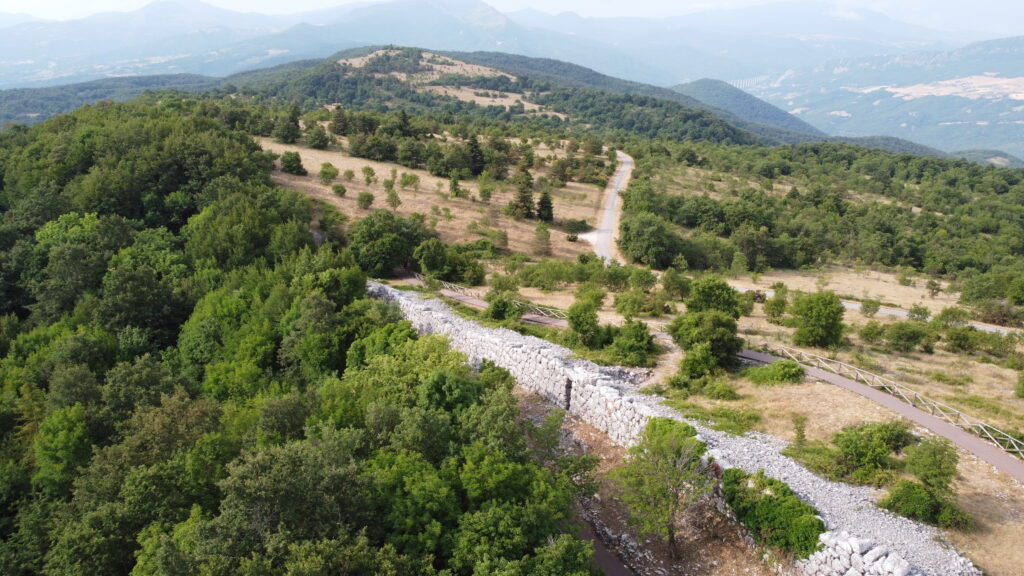
Supported by a grant from the Ellen and Charles Steinmetz Endowment for Archaeology, the Sangro Valley Project is investigating the origins and development of Monte Pallano, a hillfort in central Italy. Grant recipient Giacomo Fontana shares an update on how new mapping, archaeological surveys, and dating research are challenging long-held assumptions about the site and shedding light on its early history.
In the Abruzzo mountains of central Italy, the hillfort of Monte Pallano has long been described as a Samnite town. That description rests on a small area at the centre of the plateau, a fraction of what lies inside the fortification walls, excavated over several decades and dated mainly after the Roman conquest. What the settlement looked like before then has never been established, so the claim that it was a Samnite town remains unverified. With the support of the Ellen and Charles Steinmetz Endowment, a new phase of the historic Sangro Valley Project began in 2026, and I set out to test whether the rest of the site looks anything like a town.
It does not. New LiDAR data, combined with the first systematic mapping of the fortification walls, show a fortified system of about 115 hectares, more than twice the area previously assumed and enough to suggest that Monte Pallano is among the largest known hillforts on the Adriatic. The walls form two independent circuits rather than one, so the site is poly-focal: two main defended nuclei rather than a single enclosed town. Battling the dense Mediterranean maquis, the team and I walked every metre of the fortifications to verify what we had seen in the LiDAR.
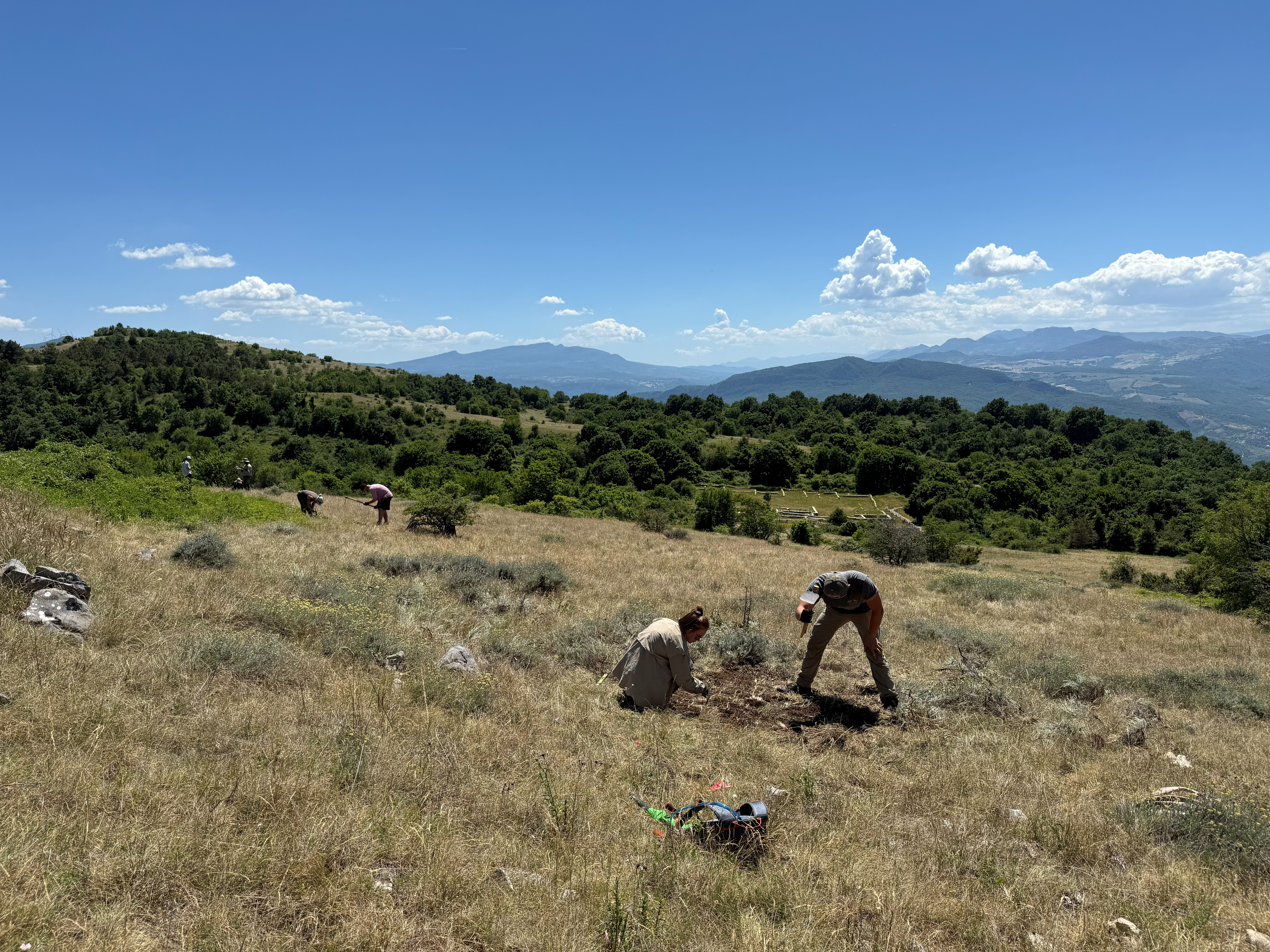
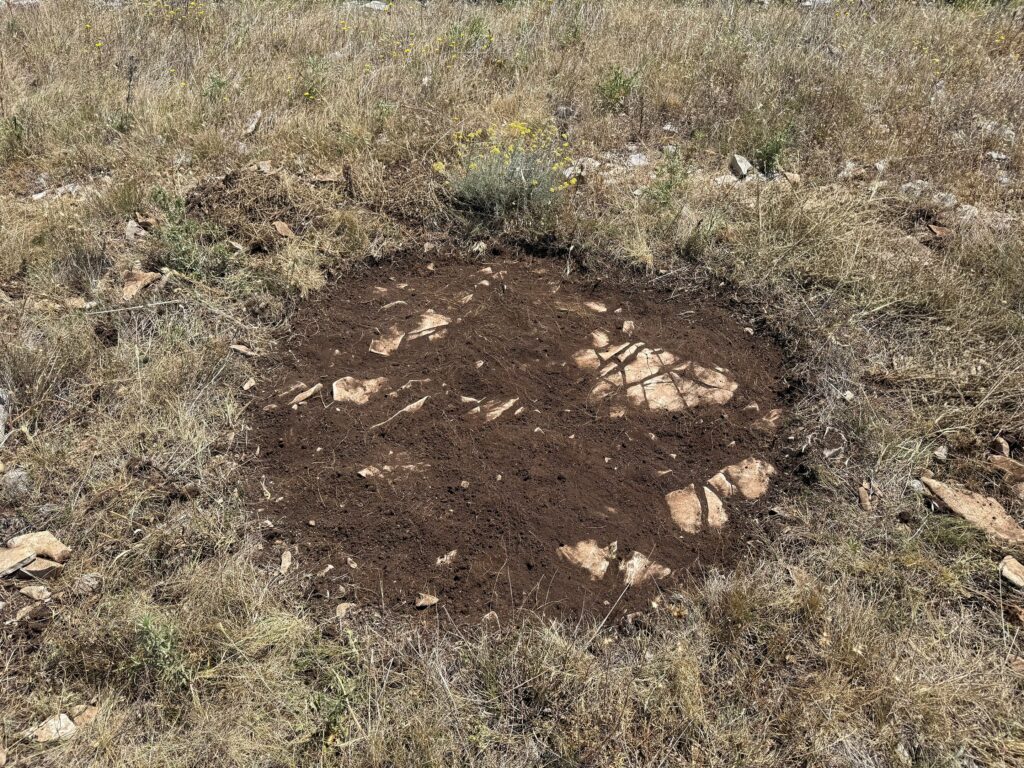
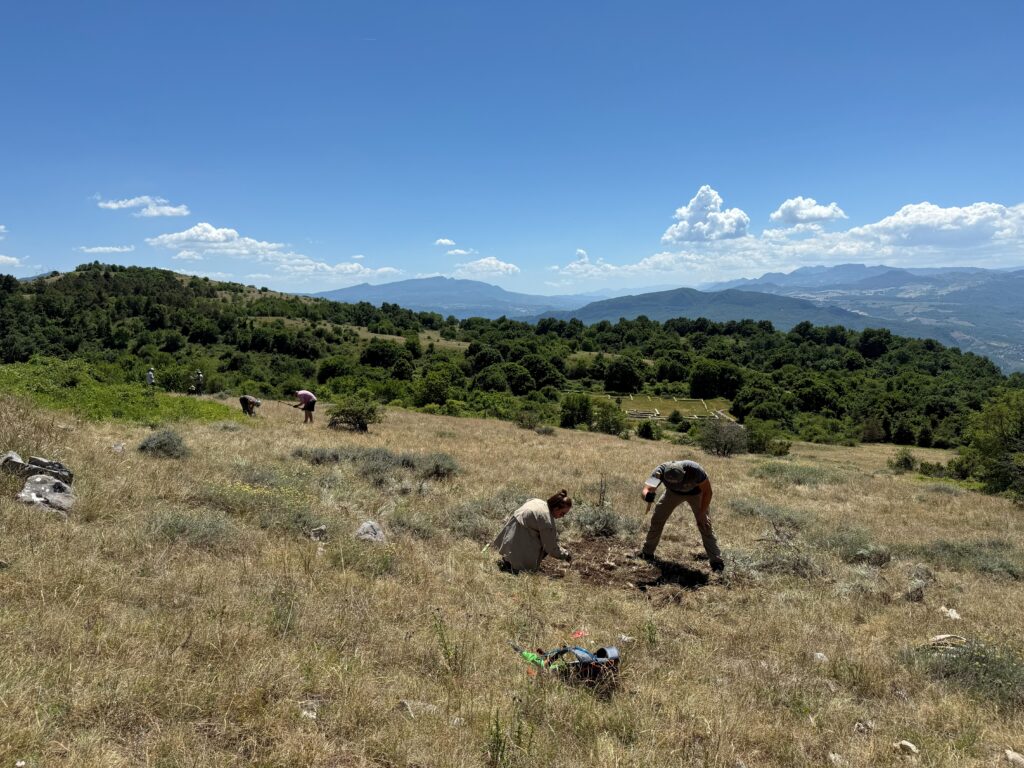
To work out where people actually lived, our team of 32 researchers and students, from Texas Tech University, the University of Bamberg and the University of St Andrews among others, sampled the plateau on a systematic grid, clearing the topsoil at each point and collecting whatever lay on the first stratigraphic layer. Materials cluster tightly in the belt around the old excavation, where the pottery dates from after the Roman conquest. The rest of the plateau, including a newly identified enclosure, produced fewer and different materials. That pattern fits a landscape used for pastoralism rather than dense habitation, as our recent work at smaller Samnite hillforts has also found.
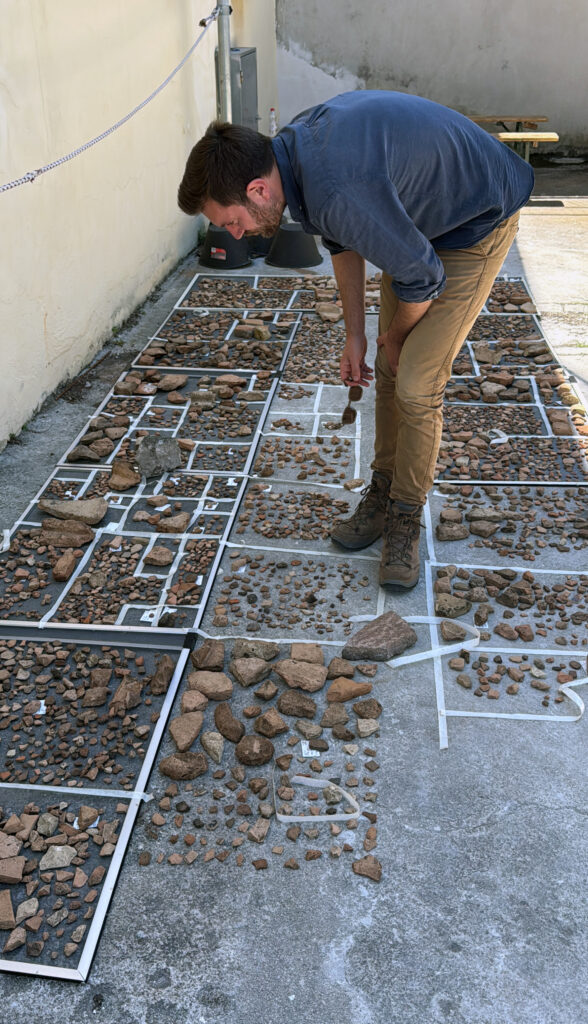
The season’s other surprise is how old the site is. Two of our trenches, on different circuits, produced material and structures that appear to predate the Samnite period by several centuries, as early as the Late Bronze Age. The walls we had set out to date now look like the later of at least two phases of fortification. We are working through the finds with colleagues in Italy before saying more. The Endowment’s support funded the luminescence dating programme that will settle this. Its results will provide the first absolute dates for Samnite polygonal fortifications, anchoring a long-standing debate about when these sites were built, and will date the earlier phase as well. We are very much looking forward to returning to the site next March.
The Ellen and Charles Steinmetz Endowment for Archaeology supports archaeological projects that use innovative technologies and methods to investigate important questions about the human past. Priority is given to new projects proposed by early-career archaeologists who received their PhD within the past eight years. The application deadline is November 1, 2026. Learn more and apply.