The Archaeological Institute of America (AIA) is the world's oldest and largest archaeological organization. The AIA is a nonprofit founded in 1879 and chartered by the United States Congress in 1906. We have members in more than 100 Local Societies in the United States, Canada, and overseas. These members include professional archaeologists, students, and enthusiasts, all united by their passion for archaeology and its role in furthering human knowledge.
The AIA promotes archaeological inquiry and public understanding of the material record of the human past to foster an appreciation of diverse cultures and our shared humanity. The AIA supports archaeologists, their research and its dissemination, and the ethical practice of archaeology. The AIA educates people of all ages about the significance of archaeological discovery and advocates for the preservation of the world’s archaeological heritage.
The AIA's members who are professional archaeologists have conducted fieldwork worldwide. The Institute has founded research centers and schools in seven countries and maintains close contact with these institutions. AIA Members are dedicated to the greater understanding of archaeology, the protection and preservation of the world's archaeological resources, and the support of archaeological research and publication.
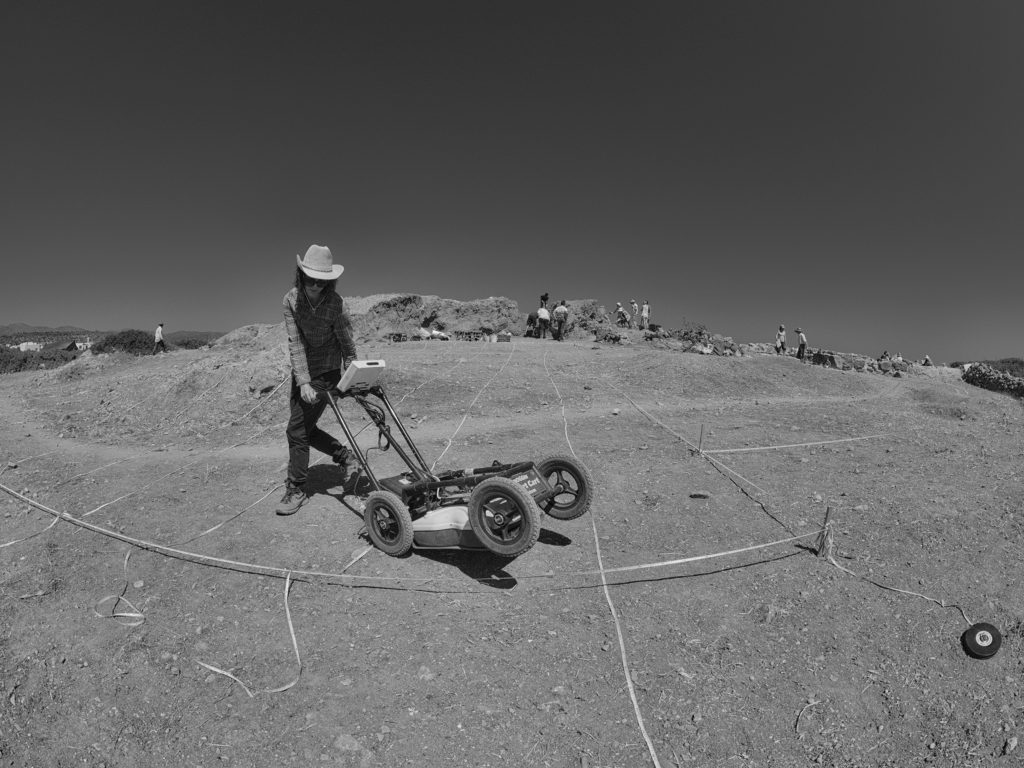
Harvard University professor Charles Eliot Norton founds the Archaeological Institute of America in Boston, Massachusetts and becomes its first president.
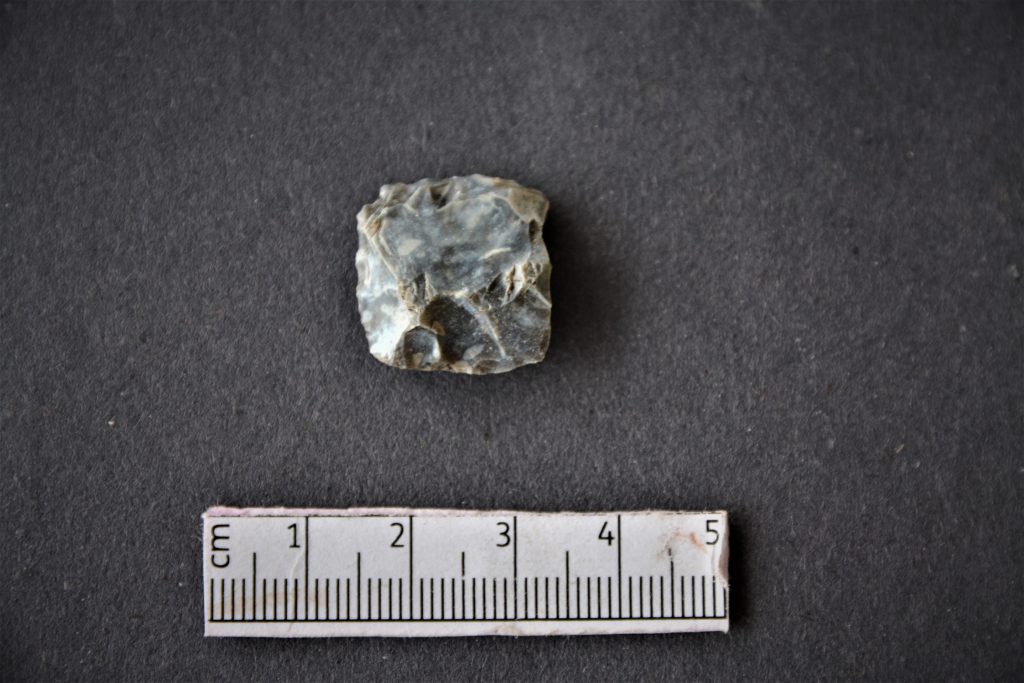
The American Journal of Archaeology debuts.
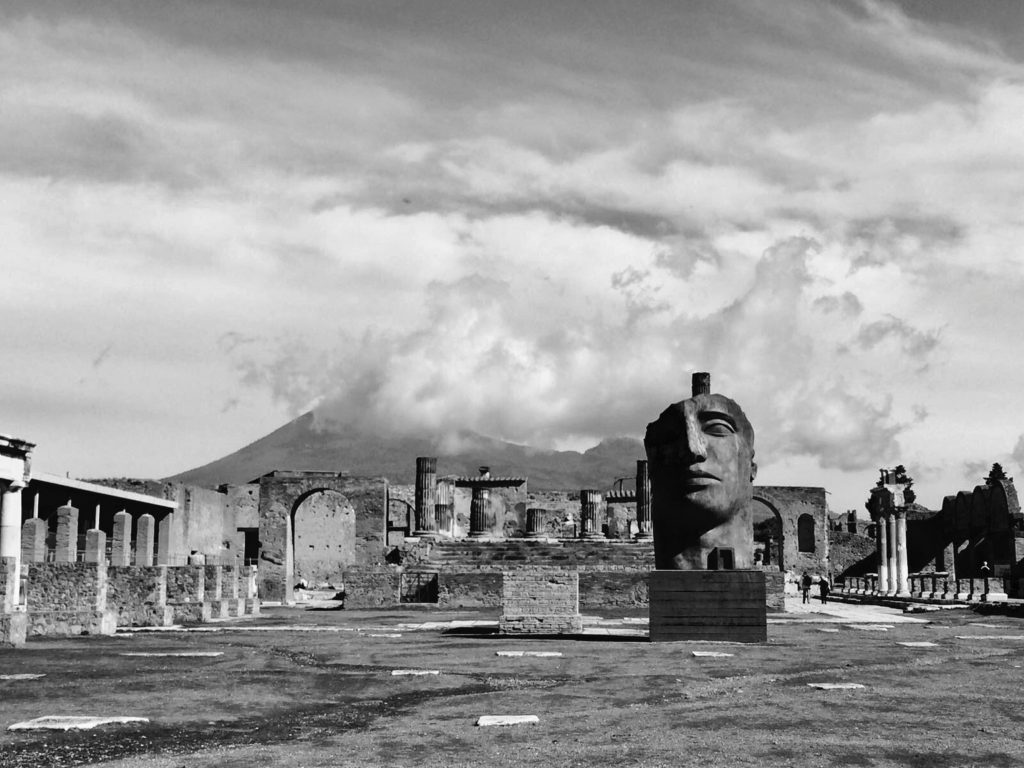
The AIA is instrumental in passing the American Antiquities Act, the first significant U.S. law to protect American antiquities. President Theodore Roosevelt signs the AIA’s Congressional Charter, which is later renewed under the administration of President Dwight D. Eisenhower. The first joint Annual Meeting is held with the American Philological Association (now known as the Society for Classical Studies).
ARCHAEOLOGY magazine debuts.
The AIA is North America's largest and oldest nonprofit organization dedicated to archaeology. The Institute advances awareness, education, fieldwork, preservation, publication, and research of archaeological sites and cultural heritage throughout the world. Your contribution makes a difference.
The Council is the main governing body of the Archaeological Institute of America. The Council consists of AIA's Governing Board, Past Presidents, Chairmen of the Managing Committees of all American Schools that the Institute has founded, the Presidents of all affiliated Local Societies, and additional members from each Society depending on its size. Council meets once a year at the organization’s Annual Meeting.
In between Council meetings, the Governing Board has full power to manage the Institute. The Governing Board also has responsibility for approving the organization's annual budget, overseeing its investments and endowments, and for raising funds. The Governing Board meets three times per year and consists of seven officers and 24 to 30 Trustees elected by Council, and representing the AIA's constituents.
AIA Committees during the year and at the Annual Meeting to discuss policies of the Institute and current issues in the field of archaeology. Committee terms begin on April 1 and end March 31 of the year listed, unless otherwise noted. The AIA also has Interest Groups, who share a common interest in particular archaeological topics.