December 4, 2025
Congratulations to all the individuals, projects, and publications honored with AIA Awards! These outstanding contributors to our field will be formally celebrated at the 2026 AIA Awards Ceremony during the 127th Annual Meeting. We’ve reached out to this year’s winners to learn more about the discoveries that drove their projects, the experiences that shaped their journeys, and the inspirations that sparked their passion for archaeology. Stay tuned as we share their stories!
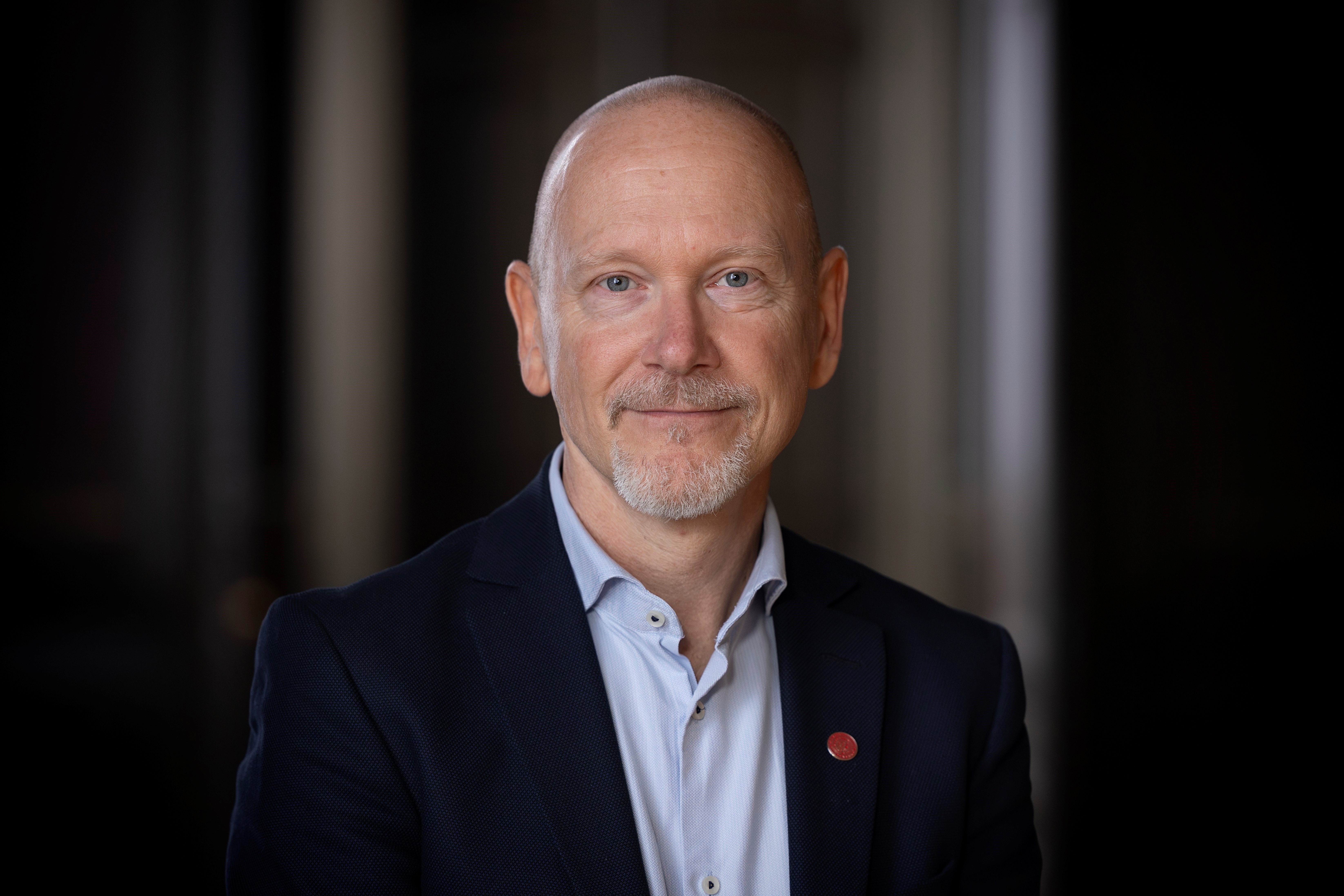
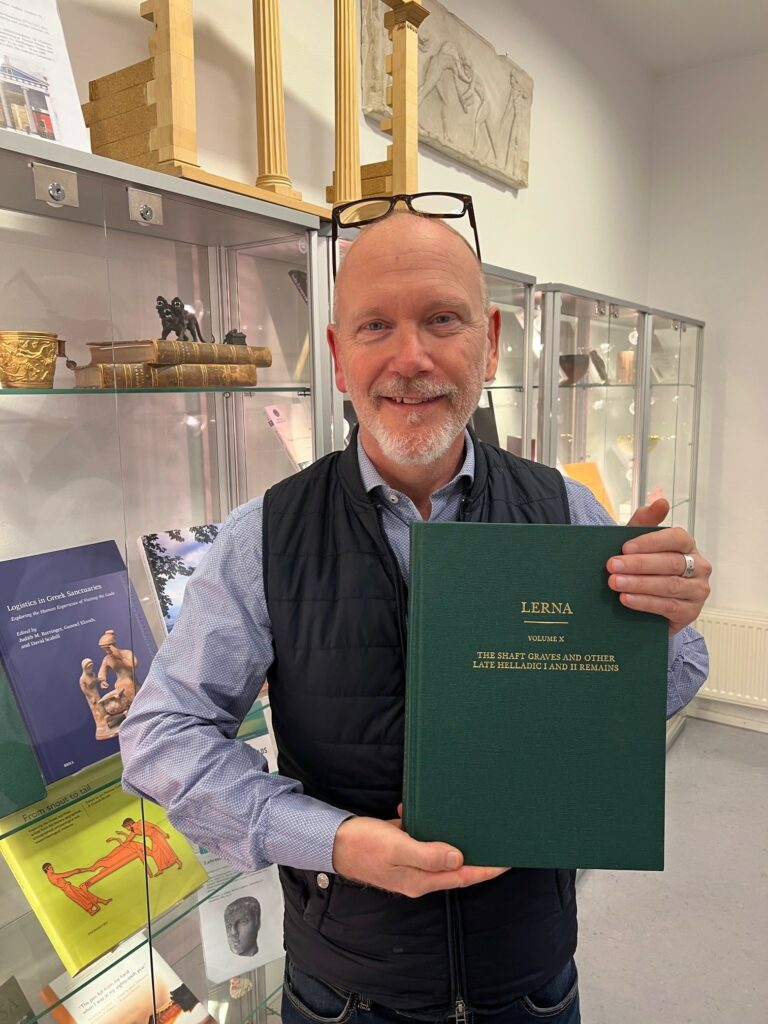
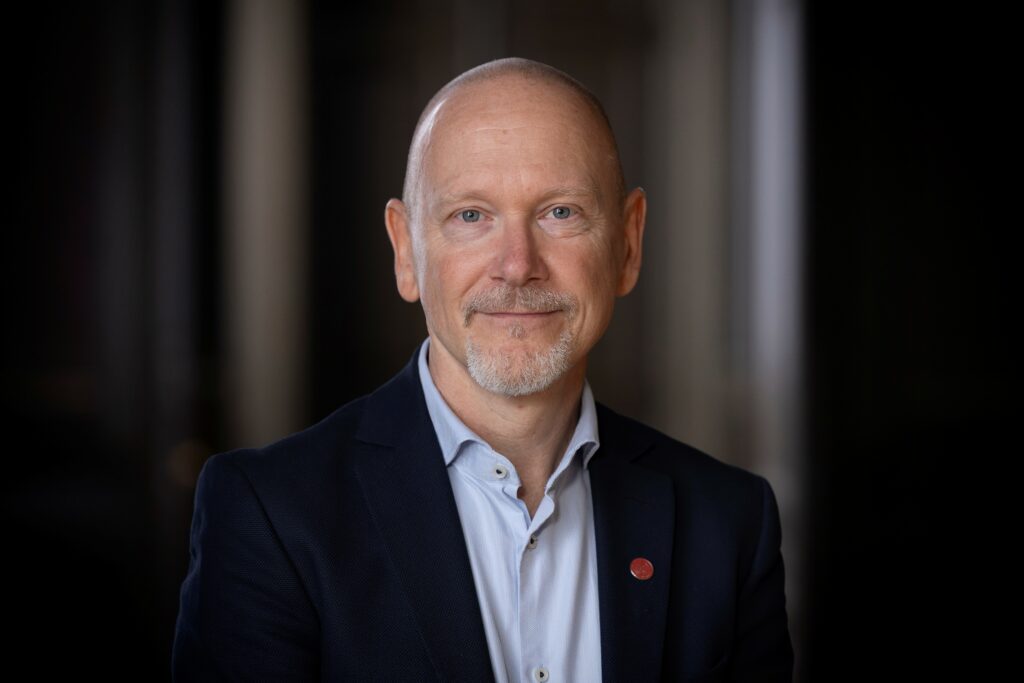
Michael Lindblom (Department of Archaeology, Ancient History, and Conservation, Uppsala University)
Award: Anna Marguerite McCann Award for Fieldwork Reports
What drew you to archaeology?
I was fascinated by the Achaeans in the Iliad and wanted to learn everything about the Homeric epics. I began studying Classical Archaeology and Ancient History in Sweden, including Greek, but soon discovered that I was more drawn to material culture than to texts. As an undergraduate—full of hybris—I wrote to project directors at numerous sites and offered my services. My first excavation experiences, at Koukounaries on Paros (1990) and in the Athenian Agora (1994), only whetted my appetite for more. I am still in contact with some of the American students that participated in the Agora excavations more than three decades ago. Christopher Pfaff, now the Corinth Excavations Director at the ASCSA, was my trenchmaster and I remember how we discussed the best way to disentangle a very complex stratigraphy.
Tell us about your history with the AIA:
Believe it or not, this is actually my first participation in an Annual Meeting of the AIA. Like many colleagues in Europe, I have followed the program from afar each year, but the timing has always been awkward because of teaching obligations at my home university. Needless to say, I greatly admire the AIA’s long tradition of promoting archaeological scholarship and public engagement in North America. My own main connection, however, has been with colleagues at or affiliated with the ASCSA in Athens. I had the privilege of working in the Blegen Library as an undergraduate student, of learning from giants such as Jack Davis, Jim Wright, and Jerry Rutter during my PhD years, and of eventually publishing with the professional support of the staff at the Publications Office in Princeton.
What’s next for you professionally?
As an archaeologist, life is rife with guilty consciences! At the moment, I am working together with Rebecca Worsham at Smith College on the publication of our 2015–2017 excavations at the fortified hilltop settlement of Malthi in northern Messenia. After that, I should devote some attention to a prehistoric cemetery of 26 graves discovered at the Mastos hillock east of Mycenae by Swedish archaeologists in the 1920s and 1950s. As if that were not enough, there are also unpublished remains from a short-lived Bronze Age settlement that preceded the Poseidon sanctuary on Kalaureia. Walter Gauss and I also nurture the dream of returning to the insanely large quantity of pottery recovered from Kolonna on the island of Aigina.
How did you get started with your project/publication?
I am the first to admit that Lerna X took too long to publish. Already in the winter of 2002, I was asked by the Lerna Publications Committee, at the time chaired by Martha Wiencke, if I would be willing to publish the archaeological remains from the sixth settlement of Lerna. My earlier studies had included much communication with Carol Zerner, then responsible for the publication of both the Middle Helladic and Late Helladic I–II remains at the settlement. I had spent a lengthy sojourn in the Lerna apotheke in Argos in 1997 to examine the potter’s marks in her care, and had been struck by the impressive amount of pottery from the early Mycenaean era. When the formal enquiry came from the committee, the offer could not be resisted.
Questions? Learn more about AIA Awards here or reach out to awards@archaeological.org