April 13, 2026
To celebrate our 2026 Research Grant recipients, we connected with this year’s awardees to learn more about their projects and the unique paths that led them into the field of archaeology.
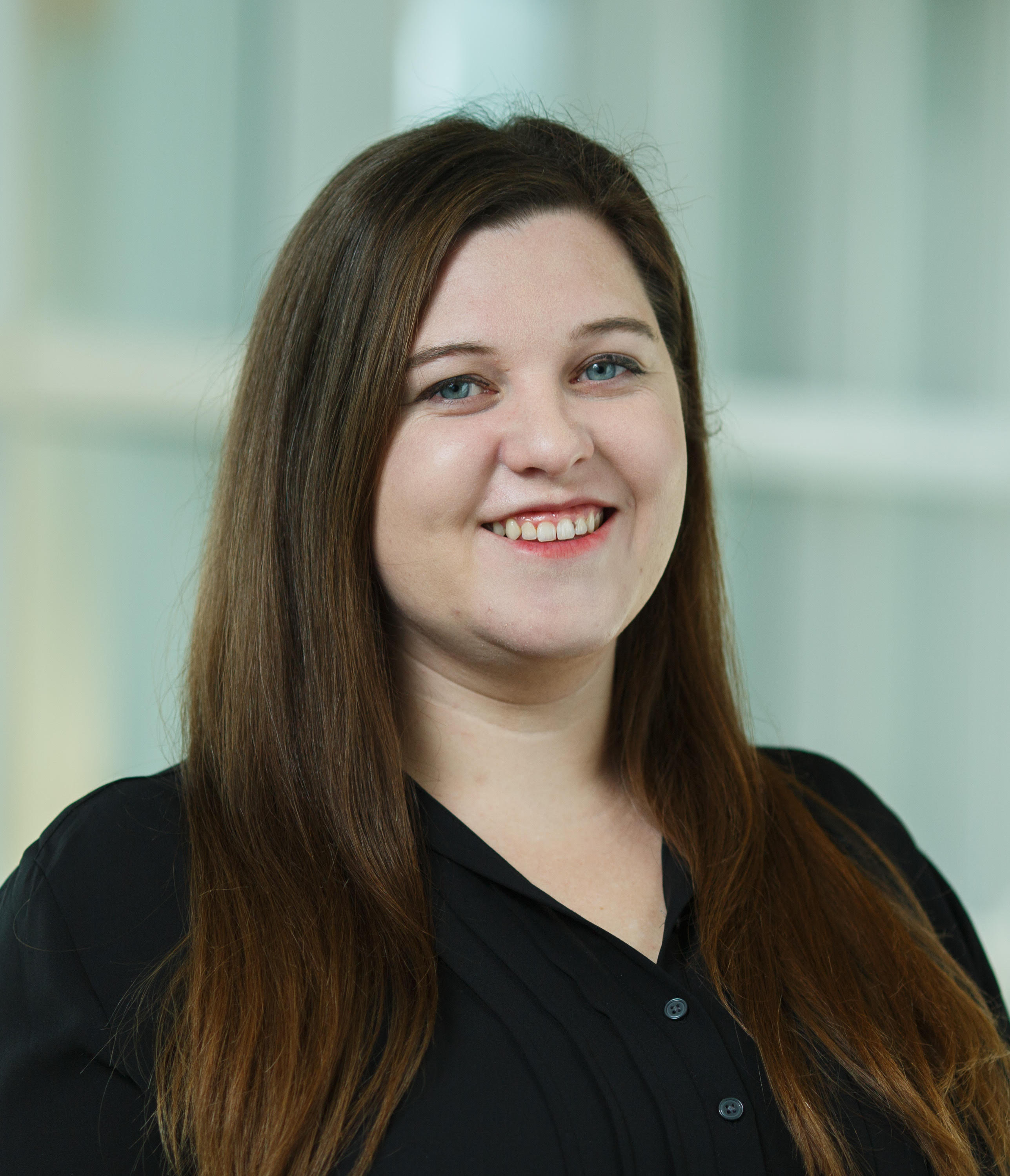
We’re thrilled to introduce Catherine Scott, one of two recipients of the prestigious 2026 Richard C. MacDonald Iliad Endowment for Archaeological Research Grant!
Catherine Scott (Koç University Research Center for Anatolian Civilizations)
Tell us about your project:
In this project, we aim to use experimental archaeology to study how people built and used fire installations such as hearths, ovens, and kilns in Bronze Age western Anatolia. Fire was a vital part of ancient life and therefore of great interest to archaeologists, but many questions remain about the technical capabilities of fire installations from this region for common practices like cooking, baking, and ceramic production. The replica fire installations we build with the support of this grant will allow us to study the full life cycle of these features—construction, regular use, maintenance, and eventual decay—not only during the upcoming field season but over the course of the next few years.
How did you get your start in archaeology?
I like to date my passion for archaeology back to a middle school social studies class, in which we spent the first half of the year mummifying store-bought chickens (our chicken was named Cleopatra II). Really, I don’t remember a time when I wasn’t interested in the ancient world, but I started seriously thinking about a career in archaeology when I was planning for college. I credit a lot of the success of that path to people who took that dream seriously and supported me along the way, particularly my family. I have also been very fortunate to have wonderful teachers and mentors who provided access to research opportunities and funding that advanced my career, as well as a supportive working environment.
Where in the world has archaeology brought you (fieldwork, research, conference travel, etc.)?
One of the things I appreciate most about archaeology is that it has enabled me to travel to unexpected places. Two of my earliest field projects were in the mountains of northern Albania and at a Maya city in Yucatán, Mexico. These experiences not only enriched my archaeological training, but also facilitated travel around the region and immersion in the local culture.
What is one of the most memorable things that has happened to you in the field?
I have a fond memory from a pedestrian survey in western Türkiye several years ago. My colleague and I—neither of whom spoke Turkish—were approached by some young men while we were surveying a watermelon field and worried that they were telling us to leave. As it turns out, they just thought we were lost; they ended up sending the team home with several watermelons (which were delicious). Many of my best memories from fieldwork center on the kindness and generosity of team members and local communities.
How has the AIA contributed to your success/professional goals?
The first academic conference I attended as an undergraduate was the AIA annual meeting, so the AIA provided once of my first windows into academic archaeology. Since then, it has continued to be an important resource of me to learn about new research and connect with colleagues. I am also, of course, extremely grateful for the support provided by the Richard C. MacDonald Iliad Endowment, without which this current research would not be possible.
Learn more about what Fellowship and Grant opportunities are available through the AIA.