April 7, 2026
To celebrate our 2026 Research Grant recipients, we connected with this year’s awardees to learn more about their projects and the unique paths that led them into the field of archaeology.
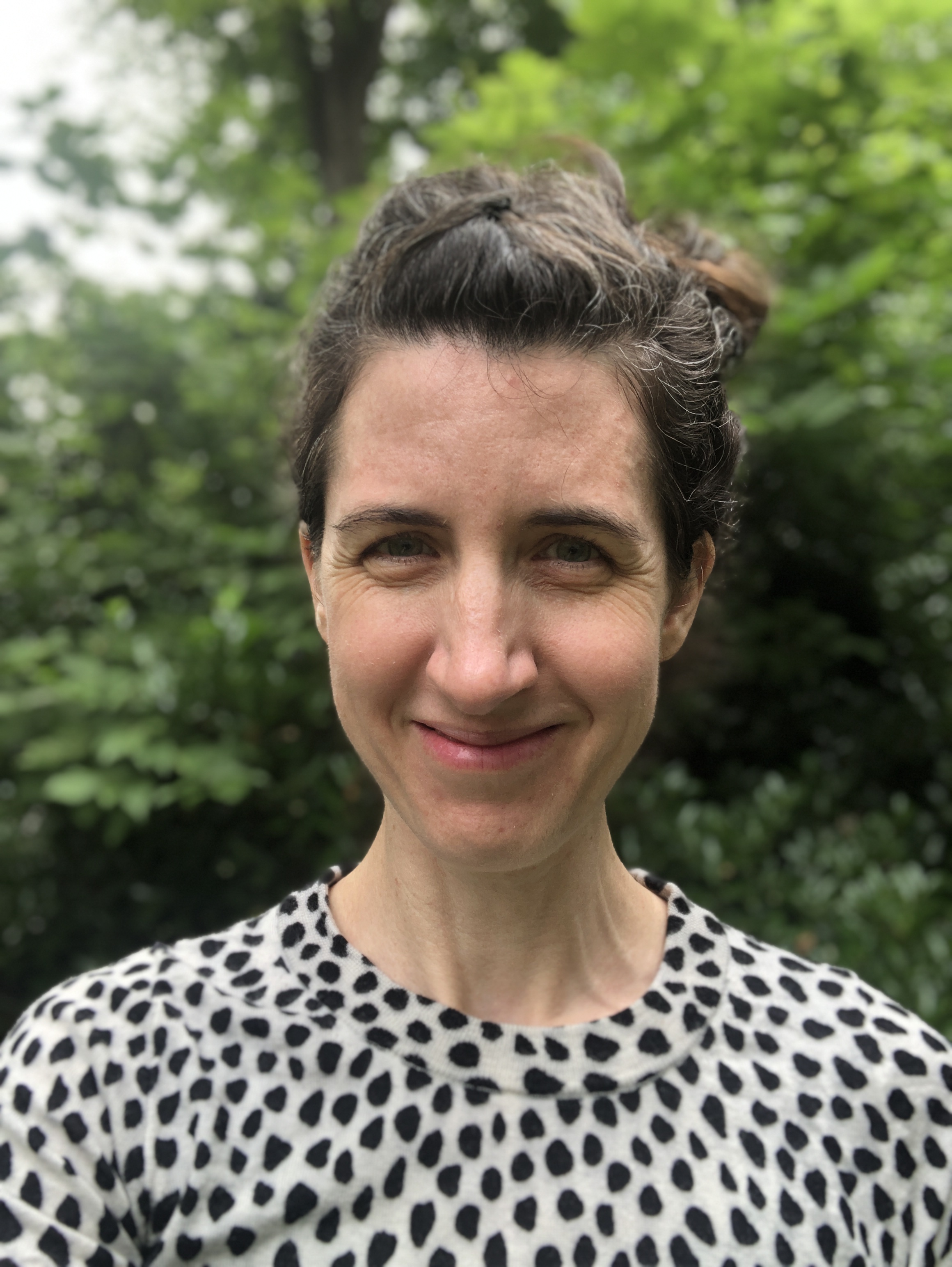
We’re thrilled to introduce Emily Egan, one of two recipients of the prestigious 2026 Richard C. MacDonald Iliad Endowment for Archaeological Research Grant!
Emily Egan (University of Maryland)
Tell us about your project:
My project, conducted under the auspices of the Hora Apotheke Reorganization Project (HARP) directed by Sharon Stocker of the University of Cincinnati, examines the decorated interiors of the Palace of Nestor, one of the key sites of Homer’s Odyssey. It looks specifically at the palace’s mural program, currently comprising more than 17,000 fragments, to understand the diachronic story of painting at Pylos and interrogate how painting choices might inform scholarly thinking about other areas of Mycenaean life, including religion, social practice, and politics. To do this, the project focuses on fragments from “dump” deposits—contexts around the palace’s perimeter where outmoded paintings were discarded during periods of renovation—as a way to understand how local iconographies and technologies evolved over time. In practice, the project blends traditional documentation methods (e.g., cataloguing and field sketching) with high-impact digital technologies, namely, photogrammetry and reflectance-transformation imaging (RTI), employed to detect evidence of the paintings’ production techniques and facilitate the fabrication of high-quality digital and 3-D printed reconstructions to be used for reference and teaching purposes.
How did you get your start in archaeology?
I first discovered archaeology in my middle school Latin classes, which regularly explored aspects of ancient Roman material culture. In college, I had my first opportunities to dig, in 2000 with the Anglo-American Project at Pompeii, and subsequently, with Brown University in Petra, Jordan. It was these two early field experiences (particularly that in Jordan, where I excavated material that became the focus of my undergraduate honors thesis, and my first published article!), that ignited my passion for archaeology and my love of ancient wall paintings.
Where in the world has archaeology brought you (fieldwork, research, conference travel, etc.)?
I have conducted fieldwork in Italy (Pompeii), Jordan (Petra), Cyprus (Episkopi-Bamboula), Armenia (Syunik), and Greece (Pylos and Mycenae). Conferences have further taken me to China (Hangzhou) and the Netherlands (Amsterdam). My longest field engagement has been with Greece, where I have worked and studied since 2006.
What is one of the most memorable things that has happened to you in the field?
In 2015, I had the tremendous opportunity to participate in the University of Cincinnati’s excavation of the Grave of the Griffin Warrior at Pylos. As part of the field team, I uncovered the first section of the gold, faience, and agate necklace found near the warrior’s right shoulder. It was a thrilling moment in my archaeological career.
How has the AIA contributed to your success/professional goals?
Aside from the Iliad Grant, the AIA has critically contributed to my professional goals by consistently exposing me to new ideas and methodologies through its Annual Meeting and National Lectureship programs. My experiences with these programs have been fundamental to my development not only as a researcher but also as a teacher. They have enabled me to keep my lectures up-to-date, my discussion topics exciting and consequential, and my mind elastic and engaged. I am grateful for these outcomes in the present, and look forward to seeing what fruit they bear in the future.
Learn more about what Fellowship and Grant opportunities are available through the AIA.