Affiliation: University of Miami
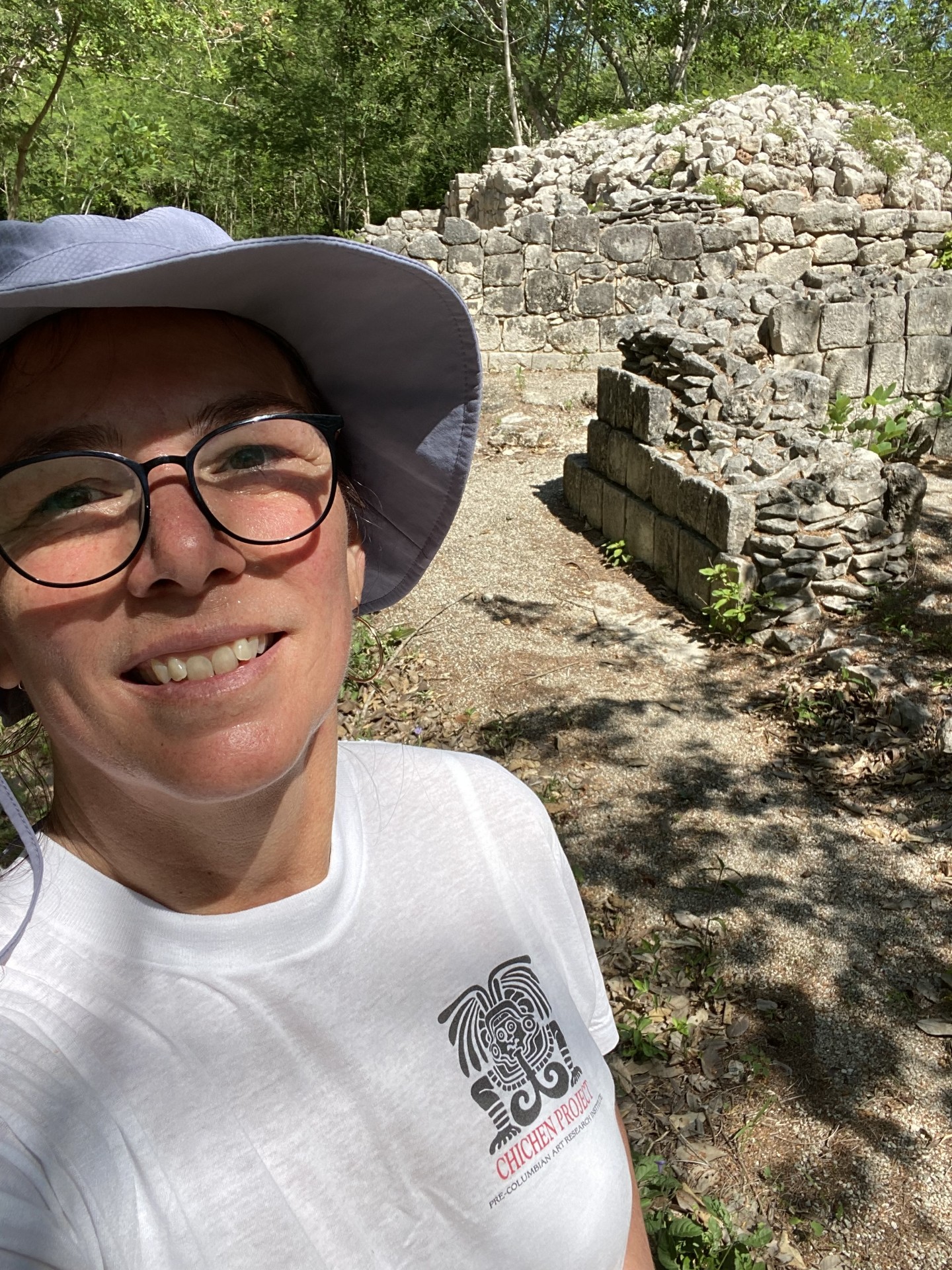
Traci is Professor of Anthropology and Cooper Fellow at the University of Miami in Coral Gables, Florida, and received her PhD from Yale University. Her research focuses on issues of identity and other forms of symbolic representation in the archaeological record, especially the ways in which differences are explained through gender, food, or crafting. Traci is co-director of the Proyecto de Interacción Política del Centro de Yucatán, at the Classic Maya site of Yaxuna, in Yucatan, Mexico where she investigates the ways ancient road systems allowed for the flow of information and ideas as well as how culinary tourism and modern foodways intersect. She also co-directs the Matecumbe Chiefdom Project which uses archaeological data to recover the political history and historical ecology of the original inhabitants of the Florida Keys. She grew up in and around the Ringling Museum of Art, where she began a lifelong fascination with the ways objects come to convey our many wants and needs.
The Classic Maya city of Coba is one of the largest archaeological sites in the Maya world. Recent lidar mapping provides extraordinary detail about the palaces, temples, pyramids, and marketplaces of this huge royal city. The discovery of new hieroglyphic panels and advances in the decipherment of known inscriptions finally allows us to piece together a biography of the ambitious queen who ruled Coba during its golden age of the 7th century. Lady K’awill Ajaw ruled during this golden age and expanded the territory of her polity, directed the enormous construction projects including the longest ancient Maya road, and cemented her place in the history of this powerful dynasty. Her story is one of tremendous ambition and success against all odds that challenges our assumptions about women who rule.
The archaeology of childhood has shown that research is possible on even the most ephemeral aspects of ancient human lives if we ask the correct questions of the material record. Children are now visible members of ancient societies and their impact on the physical environment in which they lived can be identified. Using archaeological data from the Tequesta society situated at the mouth of the Miami River, this talk suggests the human predilection for sugar facilitated a unique relationship between children and fruit trees.
The role of Maya women past and present as holders of culinary wisdom is well known. This presentation will review some of the specialized aspects of women’s role as food producers during the Classic period. We will explore plants and animals women grew in their household gardens, the roles women played in introducing new methods of food preparation throughout the Maya world, and how elite women used a well-planned feast to advance diplomatic goals. Maya women of all social stations were the caretakers of a deep cultural knowledge base centered in what was appropriate to serve and consume in every social context. We will explore what is known about women’s relationship with food in the Classic period and what we can learn about the past by understanding the culinary lives of Maya women today.