November 12, 2026
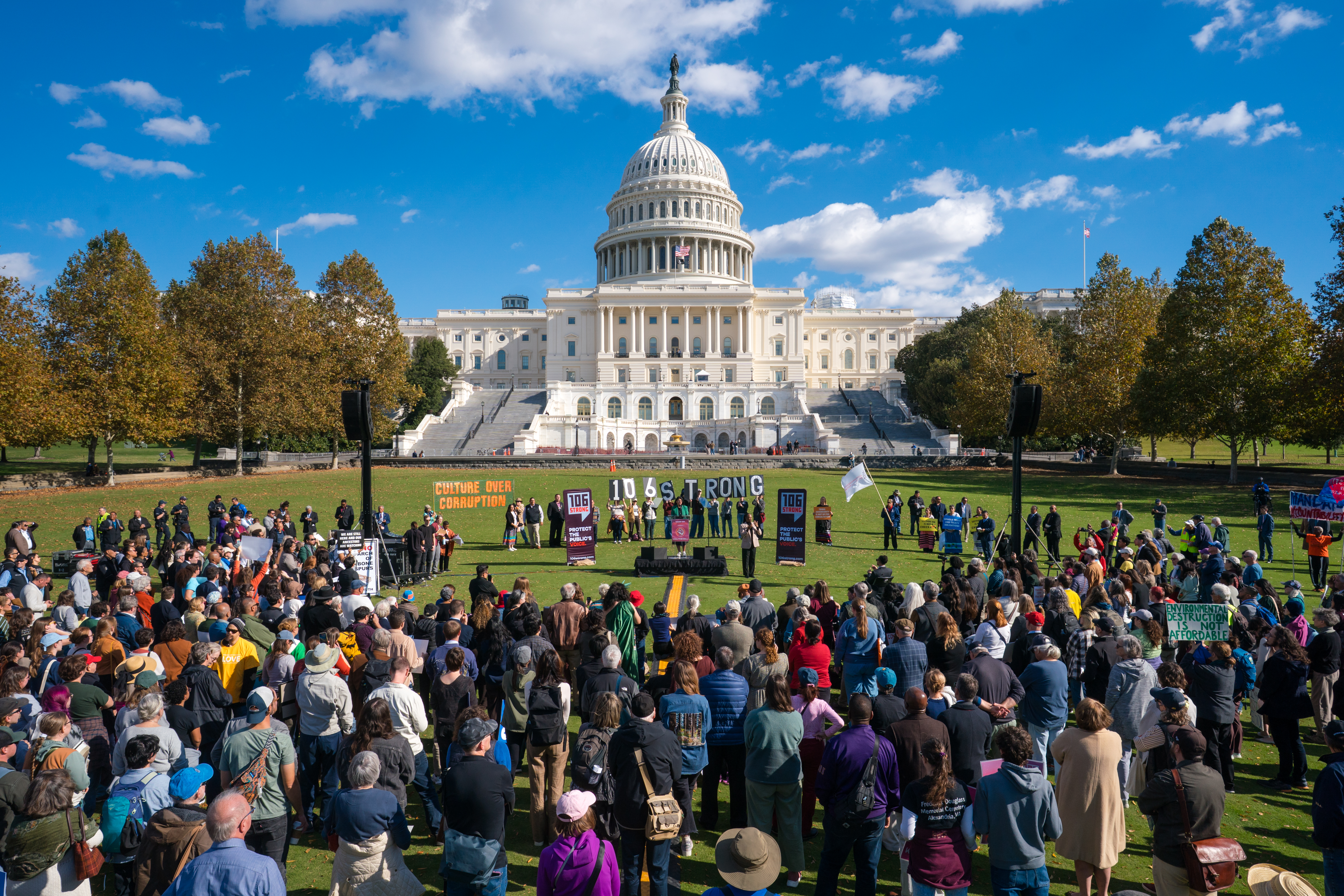
Our job is not done! We cannot remain silent while the Bipartisan American Affordability and Jobs Act threatens to cut out public participation when it comes to deciding whether archaeological sites, monuments, historic places and main streets will be damaged or destroyed and gives federal agencies new powers to do exactly that.
What happened Monday night?
Monday night, the Senate voted to 73-25 to proceed with debate on the Bipartisan American Affordability and Jobs Act. This is not the same thing as voting for the bill—we expect the final bill to be voted on later this month.
What do we do now?
This is not over in the Senate. Monday’s vote opens a maximum of 30 additional hours of debate before this proceeds to a final vote. If it passes in the Senate, the bill will move to the House of Representatives. Don’t stop writing and calling your Senators and be sure to also reach out to your representative in the House.
How did my Senator vote?
See the roll call vote. You’ll note this is confusingly titled the “Survivor Justice Tax Prevention Act.” Because the U.S. Constitution requires that any legislation affecting federal revenues or taxes to originate in the House of Representatives, in order for the Senate to introduce the provisions of the Bipartisan American Affordability and Jobs Act they tacked them on to or completely substituted out text from a bill already passed by the House. This also allows the bill to bypass committee review.
If your Senator voted nay—call and thank them! This is an easy call to make and be sure to voice your appreciation for their protection of the many historic and archaeological resources in your state. We want to see all of these Senators maintain their positions in the final vote.
If your Senator voted yea—call and ask them to make sure they understand the consequences for historic resources in your state and tell them that you urge them to vote no on the final bill.
Don’t we want affordable energy and job creation?
Of course—but it’s not necessary to sacrifice historic resources and tribal sovereignty to do this. A new Congress in January can take up this issue without giving the federal government a free pass to destroy whatever historic resources and archaeological resources are inconvenient to them.
While this proposal is expected to create jobs in the energy sector, it would also lead to the elimination of thousands of jobs in archaeology and historic preservation. We already know that archaeology and historic preservation are good for local economies far beyond contracts to those conducting permitting work—economic benefits also take the form of local job and revenue creation from heritage tourism, small business incubation, Main Street/Downtown revitalization, increased property values, and more.