

Filters

Changing any of the form inputs will cause the list of events to refresh with the filtered results.

  • Mediterranean Marketplaces: Connecting the Ancient World Exhibition

    Harvard Museum of the Ancient Near East 6 Divinity Avenue, Cambridge, MA, United States

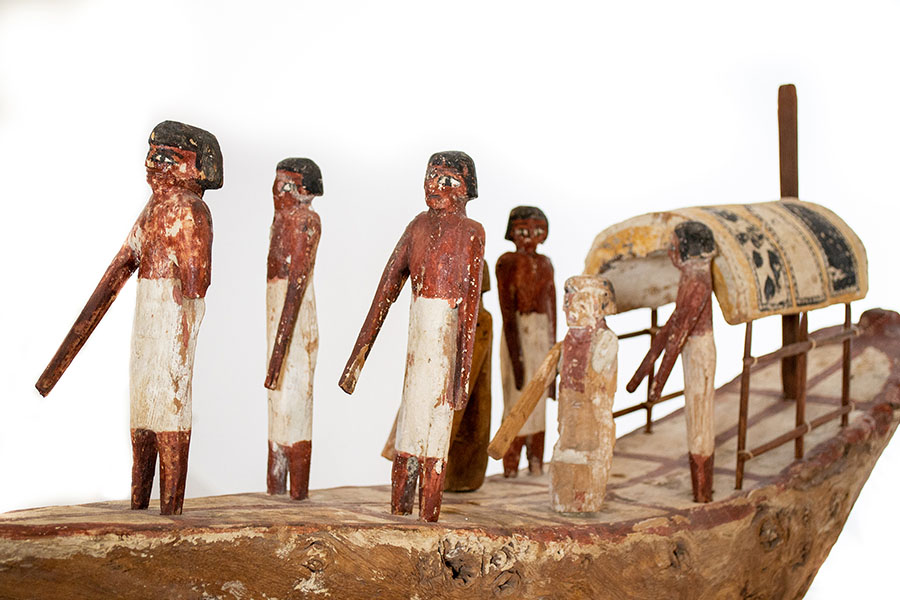
    Much like today, ancient “consumers” were connected to distant markets. Both basic and precious goods from faraway lands “shipped” to royal palaces, elite estates—sometimes even rural households—and technological advances in craftsmanship and commerce transcended boundaries of language, religion, or culture to spread rapidly. Mediterranean Marketplaces explores how the movement of goods, peoples, and ideas around […]
  • Muchos Méxicos: Crossroads of the Americas Exhibition

    Peabody Museum of Archaeology and Ethnology 11 Divinity Avenue, Cambridge, MA, United States

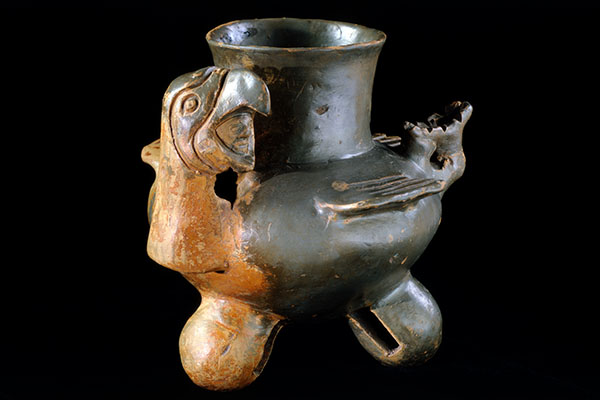
    Muchos Méxicos explores Mexico’s rich history as a site of human innovation, creativity and cultural diversity. Featuring Mexican objects from the Peabody Museum collections, this bilingual exhibit tells the story of Mexico as a multicultural and geographic crossroads—one where the exchange of resources, products, and ideas among Indigenous peoples throughout the Americas before the Spanish […]

  • Unearthing A Slave Community

    Florence, Florence, - None -, India

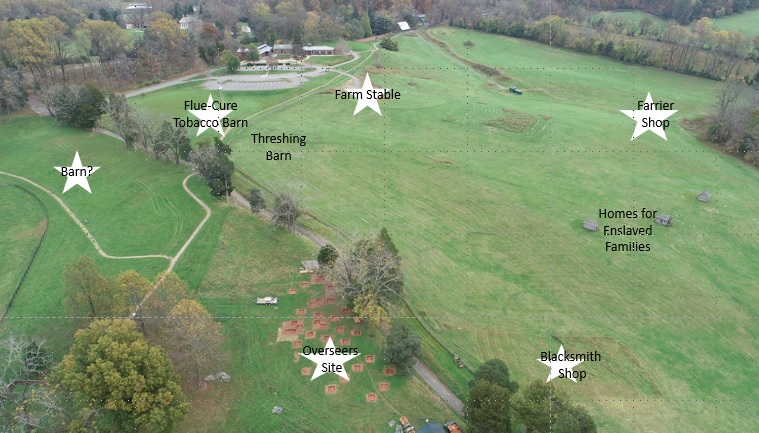
    Over the next several years, we will be examining a number of different archaeological sites. What makes Montpelier a wonderful property for surveys and excavations is its relative undisturbed condition. […]

  • Geographic Information Systems in Archaeology – NH Archeology Month

    Heather Rockwell, Assistant Professor, Salve Regina University Geographic Information Systems (GIS) has become the industry standard for recording site locations and building statewide databases. It has also helped us to explore the relationships between sites in new ways. This talk will discuss what GIS is and what it can do and show a few examples […]

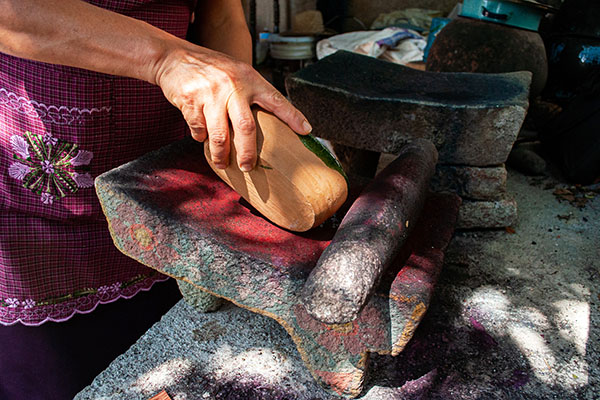
  • Mexican Red: The Perfect Color that Changed the World (Free Virtual Event) / Rojo Mexicano: El Color Perfecto que Cambió el Mundo (Conferencia Virtual Gratuita)

    Peabody Museum of Archaeology and Ethnology 11 Divinity Avenue, Cambridge, MA, United States

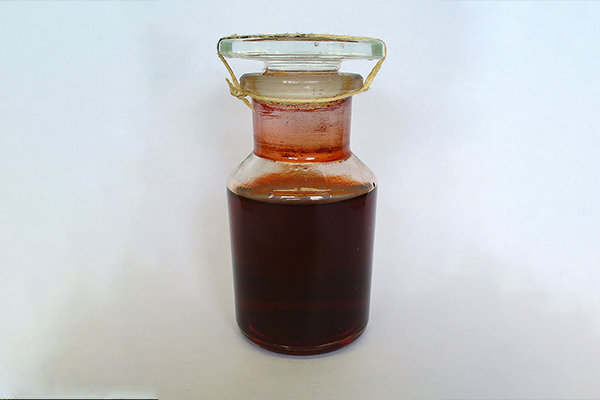
    Gabriela Soto Laveaga, Professor of the History of Science and Antonio Madero Professor for the Study of Mexico, Harvard University Cochineal (Dactylopius coccus) is a small insect that produces a brilliant red pigment. Found in textiles, paintings, cosmetics, and many other objects that span the globe, cochineal is an integral part of world history. Cochineal […]

  • Decorated Caves of the Pyrenees & the Rhone Valley

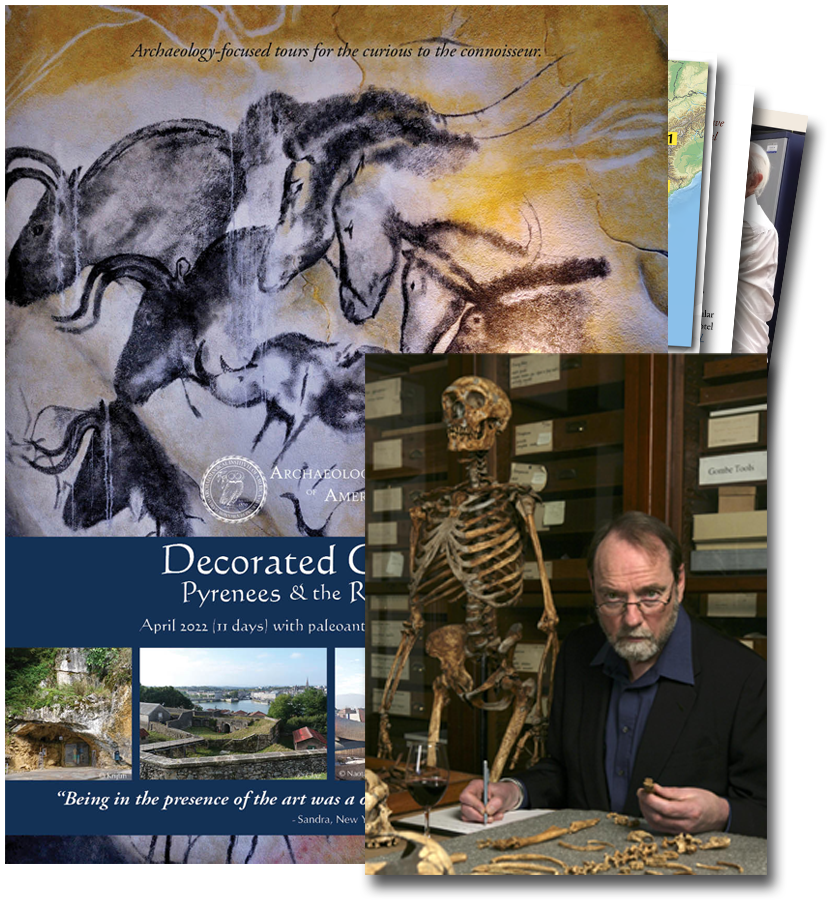
    Discover a collection of magnificent but largely unheralded examples of Ice Age art while in the company of acclaimed paleoanthropologist and popular trip leader Ian Tattersall. Admire unusual, elegant bas-relief animal images in Basque caves, a profusion of handprints at Gargas, and the famous panels of line-drawn and subtly shaded bison, horse, and ibex at […]

  • The Power of Antiquity in the Making of Modern Egypt (Free Virtual Lecture)

    Harvard Museum of the Ancient Near East 6 Divinity Avenue, Cambridge, MA, United States

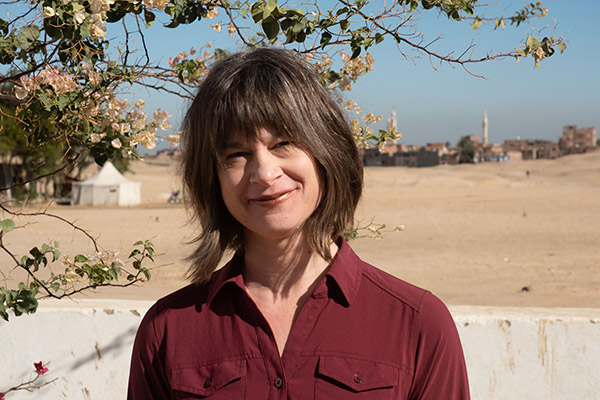
    Wendy Doyon, Historian of Archaeology and Modern Egypt Ancient Egypt conjures images of pharaonic temples, tombs, and pyramids, and perhaps, even the familiar illustrations from children’s books and magazines showing kilted workers on the Nile toiling away on their kings’ great monuments. But what is the relationship between these images—along with the deep history they […]

  • This Land Will Perish Having Ruined France:” Geospatial Analysis of Frontier Instability in Northeastern America – NH Archeology Month

    Matthew D. O'Leary, Doctoral Student, Syracuse University This presentation discusses the construction of the Anglo-French frontier in Northeastern America, with specific focus on European fortifications. Forts across the Northeast shifted from defense against Amerindian Nations during the 17th century to reflecting fears of European field-armies marching against them during the 18th century. This paper examines […]