



Events
-
-
-
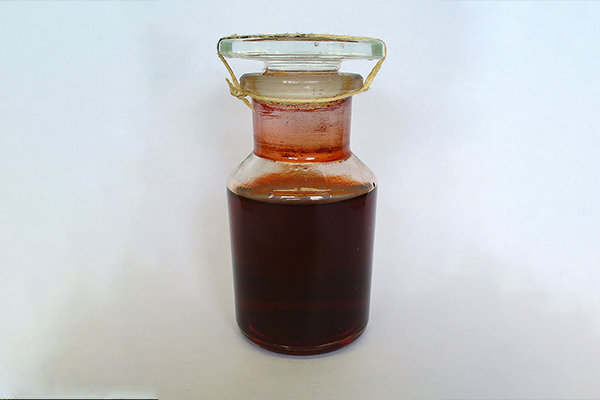
Cochineal: How Mexico Made the World See Red (Online Exhibit Spotlight) / Cochinilla: Cómo México Hizo que el Mundo Viera el Rojo (Exposición en Línea)
Cochineal, a tiny insect found on certain species of Oaxacan cacti, was harvested for millennia by Indigenous peoples to dye fabrics a vibrant red color. But following the European invasion of the Americas in the sixteenth century, it became a widely coveted, globally traded commodity that transformed textiles and art, and made Mexico a center […]
-
Geographic Information Systems in Archaeology – NH Archeology Month
Heather Rockwell, Assistant Professor, Salve Regina University Geographic Information Systems (GIS) has become the industry standard for recording site locations and building statewide databases. It has also helped us to explore the relationships between sites in new ways. This talk will discuss what GIS is and what it can do and show a few examples […]
-
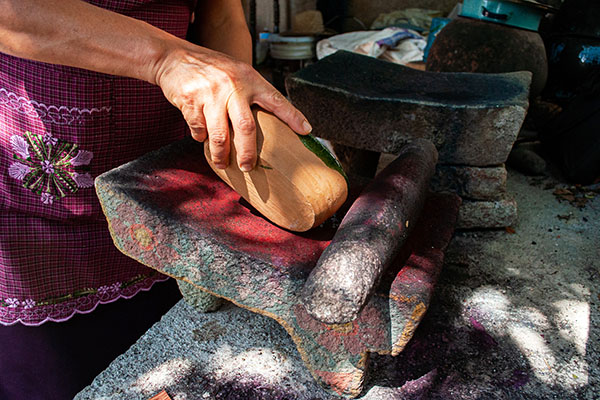
Mexican Red: The Perfect Color that Changed the World (Free Virtual Event) / Rojo Mexicano: El Color Perfecto que Cambió el Mundo (Conferencia Virtual Gratuita)
Peabody Museum of Archaeology and Ethnology 11 Divinity Avenue, Cambridge, MA, United StatesGabriela Soto Laveaga, Professor of the History of Science and Antonio Madero Professor for the Study of Mexico, Harvard University Cochineal (Dactylopius coccus) is a small insect that produces a brilliant red pigment. Found in textiles, paintings, cosmetics, and many other objects that span the globe, cochineal is an integral part of world history. Cochineal […]
-
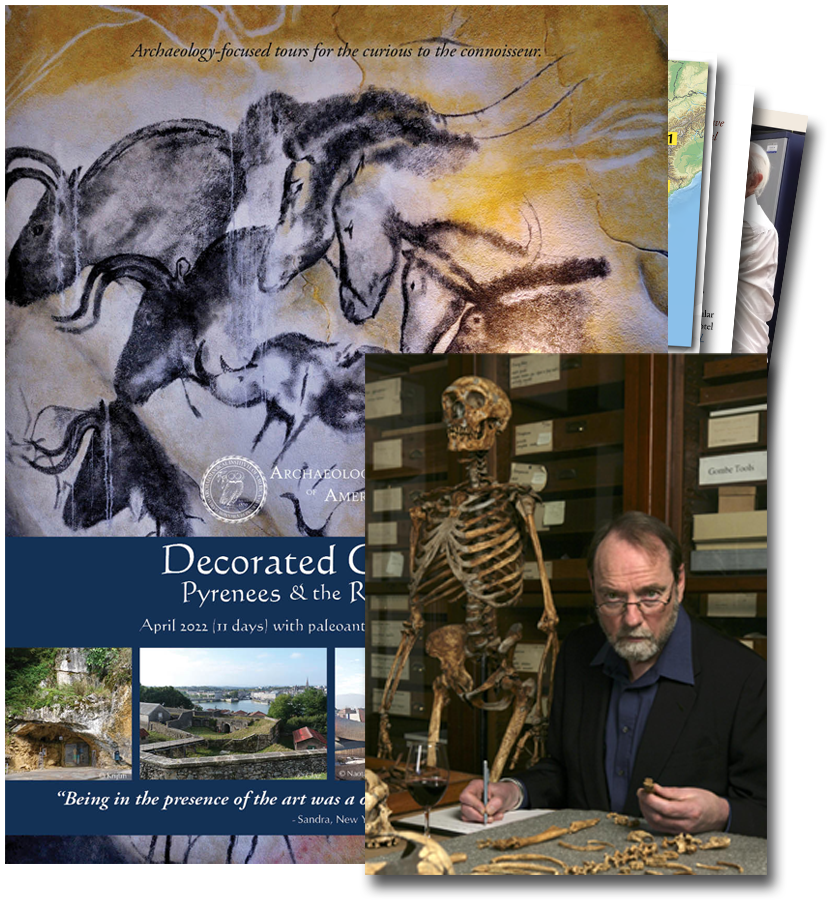
Decorated Caves of the Pyrenees & the Rhone Valley
Discover a collection of magnificent but largely unheralded examples of Ice Age art while in the company of acclaimed paleoanthropologist and popular trip leader Ian Tattersall. Admire unusual, elegant bas-relief animal images in Basque caves, a profusion of handprints at Gargas, and the famous panels of line-drawn and subtly shaded bison, horse, and ibex at […]
-
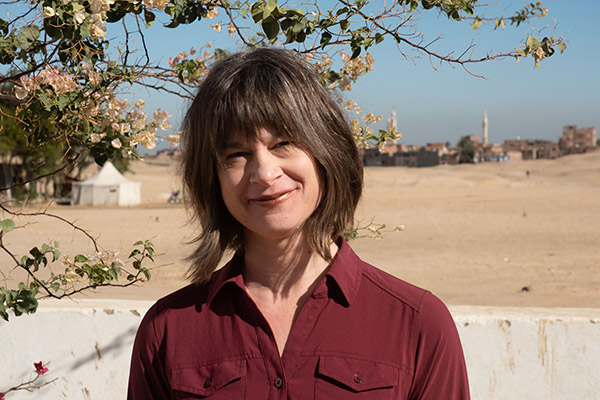
The Power of Antiquity in the Making of Modern Egypt (Free Virtual Lecture)
Harvard Museum of the Ancient Near East 6 Divinity Avenue, Cambridge, MA, United StatesWendy Doyon, Historian of Archaeology and Modern Egypt Ancient Egypt conjures images of pharaonic temples, tombs, and pyramids, and perhaps, even the familiar illustrations from children’s books and magazines showing kilted workers on the Nile toiling away on their kings’ great monuments. But what is the relationship between these images—along with the deep history they […]
-
Why We Repatriate: 15 Years on the Arc of Restorative Justice at the Denver Museum of Nature & Science
Northwest Museum of Arts and Culture 2316 West 1st Avenue, Spokane, WA, United States -
This Land Will Perish Having Ruined France:” Geospatial Analysis of Frontier Instability in Northeastern America – NH Archeology Month
Matthew D. O'Leary, Doctoral Student, Syracuse University This presentation discusses the construction of the Anglo-French frontier in Northeastern America, with specific focus on European fortifications. Forts across the Northeast shifted from defense against Amerindian Nations during the 17th century to reflecting fears of European field-armies marching against them during the 18th century. This paper examines […]
-
-
After Teotihuacan: Perspectives on Regeneration from beyond the Metropolis
TBA (Toledo) Toledo, OH, United StatesStone Lecture
-
Dying to Explore: The Archaeology of Sir John Franklin’s 3rd Arctic Expedition
University of Dayton Science Center 255 (Chudd Auditorium) 300 College Park Avenue, Dayton, OH, United StatesBass Lecture
-
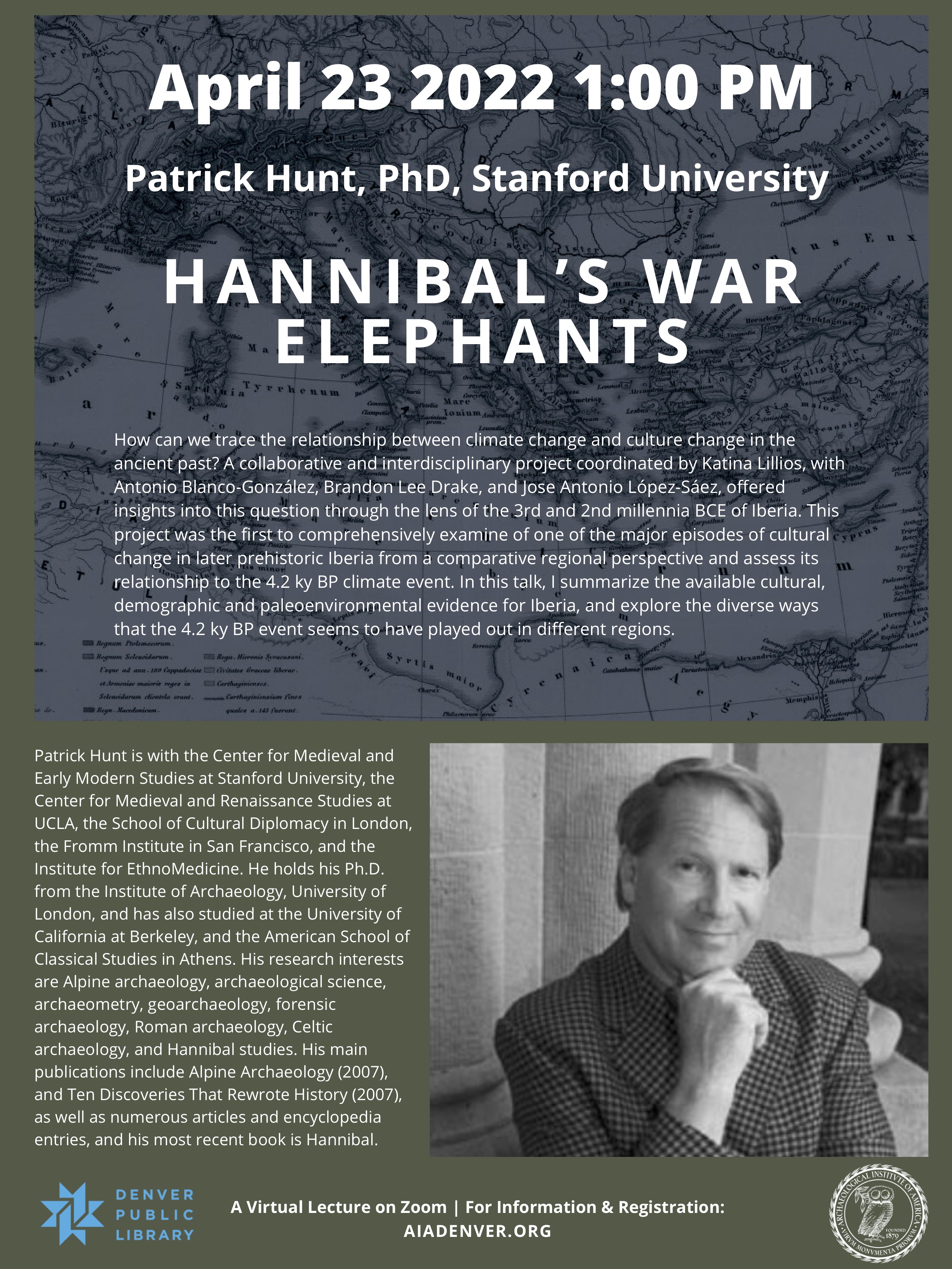
Hannibal’s War Elephants
TBA (Denver 2) Denver, CO, United States