AIA Site Preservation Program
Deadline: November 1, 2025
Announced: By March 1
Purpose: The Site Preservation Grant is intended to fund projects that uphold the AIA’s mission to preserve and protect the world’s archaeological heritage for future generations. The goal of the grant, which carries a maximum award of $15,000, is to enhance global preservation efforts and promote awareness of the need to protect threatened archaeological sites. The AIA seeks to support projects that not only directly preserve archaeological sites, but those that also include public outreach and education components that create a positive impact on the local community, students, and the discipline of archaeology as a whole.
Requirements:
Applications eligible for consideration for a Site Preservation Grant should fit one or more of these categories
Review the Follow-Up Check List for previous winners.
The AIA welcomes applicants of all backgrounds and is committed to equal opportunity for all. Under no circumstances will the AIA discriminate against qualified individuals on the basis of race, color, religious creed, retaliation, national origin, ancestry, sexual orientation, gender, disability, mental illness, genetics, marital status, age, veteran status, or any other basis prohibited under applicable law.
As part of the Archaeological Institute of America’s ongoing commitment to fieldwork and families, reasonable line items for the care of dependent and elderly family members are allowable expenses for AIA grants, fellowships, and scholarships.
The Best Practices in Site Preservation Award was granted by the Archaeological Institute of America to individuals, teams, or sites who exemplified the work of site preservation. The program ran from 2011-2016. The winners have been included on this list for clarity.
Applications will be judged according to the following criteria. There is no set number of criteria that must be fulfilled. However, the greater of criteria fulfilled, the stronger the application.
2024
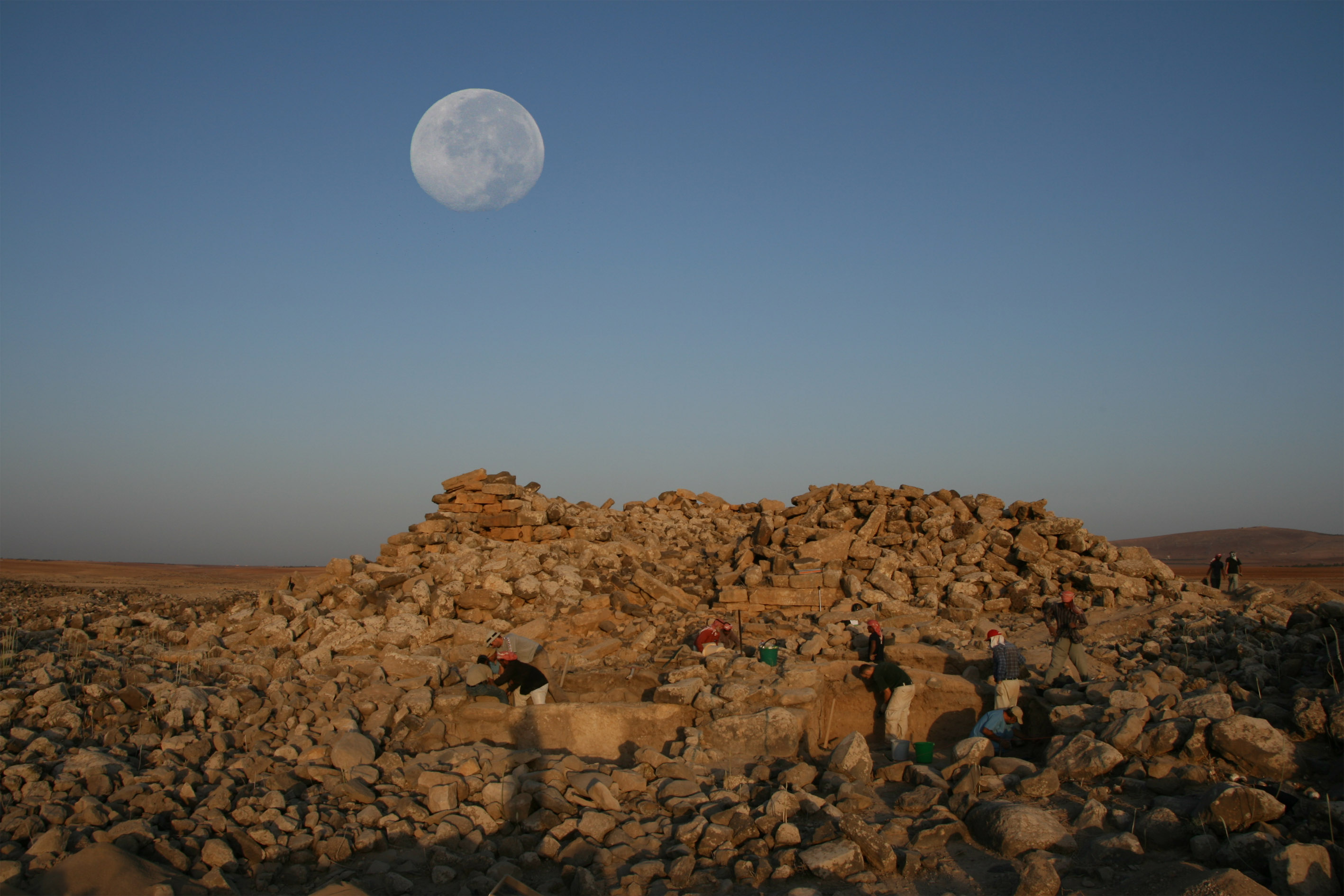
The Baluʿa Regional Archaeological Project has been excavating the site of Khirbat al-Baluʿa in central Jordan, an important Iron Age (1000-550 BCE) Moabite city and large Middle-Late Islamic (1000-1900 CE) village. This summer, the project plans to continue excavations of both settlements and begin work on a long term conservation project of all excavated architecture. Conservation work will be carried out in cooperation with Sela for Training and Protection of Heritage, a local non-profit conservation and training company, and the Department of Antiquities of Jordan. In addition, we intend to put together a program of community engagement and education in Arabic. The community around the site of Khitbat al-Baluʿa includes local Bedouin groups and the populations of the nearby villages of Qasr and Smakkiya. Ultimately, the hope is that we can expand community involvement and see what would be of the most interest and of the greatest use to the local population.
2023
2022
2021
2019
2018
2017
2016
2016
2016
Best Practices in Site Preservation Award
Learn More2015
2015
2015
2015
Best Practices in Site Preservation Award
The Temple of the Winged Lions Cultural Resource Management (TWLCRM) initiative was launched in 2009 as a cooperative project by ACOR, the Department of Antiquities of Jordan, and the Petra Archaeological Park to rescue the Temple of the Winged Lions, a majestic Nabataean temple built on a promontory overlooking Petra’s city center.
2014
2014
Best Practices in Site Preservation Award
CASSP, a statewide program directed by the Society for California Archaeology, trains local volunteers to visit assigned sites on public lands regularly and to report the conditions there to the local supervising archaeologist. By regularly monitoring sites, CASSP ensures that any potential problems are detected early and can be corrected quickly, thus limiting the extent of damage. CASSP operates under the philosophy that public lands belong to all of us and that we therefore need to find a responsible way to engage the public in site protection. Trained site stewards provide an additional interface between the recreational user and the agency archaeologists so that archaeological resources can be protected from harm and managed for future generations. Since the program’s inception in 1999, nearly 1,400 people have participated in 75 CASSP workshops at locations across the state.
2013
2013
2013
Best Practices in Site Preservation Award
At Kaxil Kiuic, George Bey demonstrates that archaeology can be used to preserve both cultural resources and endangered environments. Following Millsaps College’s purchase of 4500 acres of land in Mexico, Bey spearheaded efforts to turn it into a bio-cultural reserve. Bey and his colleagues developed a method of conservation that focuses on preserving standing architecture while monitoring and mitigating damage that occurs to buildings through natural processes while also maintaining the integrity of the natural environment. To promote the long-term preservation, Bey implemented several outreach initiatives, including site visits and conservation training, for local communities. Through his efforts Bey is ensuring the preservation of this important Maya center.
2013
Best Practices in Site Preservation Award
Vidal and Muñoz take a holistic approach to site preservation by combining scientific research and conservation of cultural heritage with economic development and educational opportunities for local communities. The conservation program they have developed is integrated at all stages of research, ensuring the protection and stabilization of archaeological structures and resources before, during, and after excavation. In addition to engaging in archaeological conservation efforts, Vidal and Muñoz work to maintain the integrity of the natural landscape surrounding La Blanca by preventing deforestation and conducting research on the paleoenvironment.
2012
2012
Best Practices in Site Preservation Award
Through their work at the site of Azoria, Crete, co-directors Donald Haggis and Margaret Mook have proven that site preservation and excavation should go hand-in-hand. Their conservation program at Azoria was the first formally reviewed study of the methods, materials, and techniques needed to implement sustainable preservation at an excavated site on Crete. In addition to direct preservation, Haggis and Mook have involved and educated the local community to ensure their understanding and commitment to long-term site preservation, which they hope will help Azoria grow into an eco-archaeological tourist site.
2011
2011
2011
2011
2011
Best Practices in Site Preservation Award
Giorgio Buccellati, co-director of the Mozan/Urkesh Archaeological Project, has been working to conserve mudbrick at Tell Mozan (ancient Urkesh) in Syria. His innovative approach combines archaeological research with creative preservation solutions. Buccellati’s ability to work with the local community, providing training and income, ensure a local commitment to the project that is critical to the long-term preservation of the site. Plans are also underway for an eco-archaeological park.
2010
2010
2010
2009
2009
2009
2008