Affiliation: Metropolitan Nashville and Davidson County Government
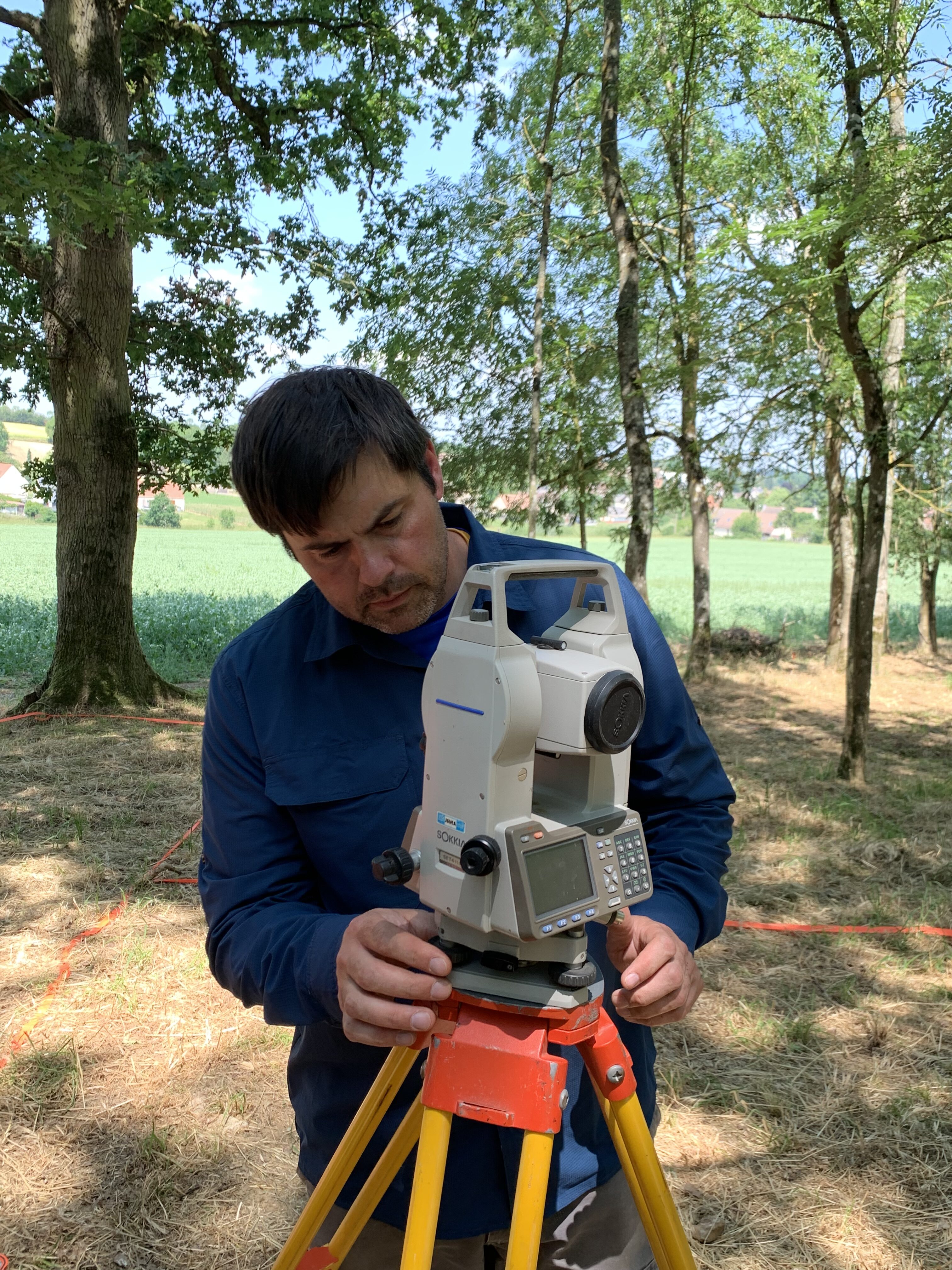
Adam Fracchia is the City Archaeologist with the Metropolitan Nashville and Davidson County Government and founded the Nashville Public Archaeology Program. His research focuses on urbanization, labor, and industrialization as well as heritage management and public archaeology. Prior to joining the staff in 2022, Adam led a community archaeology program in Baltimore and collaborated with several universities, the National Park Service, the Department of Defense, and the Maryland State Highway Administration. He is coauthor of Below Baltimore: An Archaeology of Charm City (2023).
The American colonies were economic and political investments. Recent archaeological research at several sites across Baltimore and Nashville illustrates the interwoven nature of these ventures, and how economics shaped these sites and the surrounding landscape. The archaeological record of these sites also shows the dynamics that led to a call for greater autonomy and ultimately, independence.
The Battle of Nashville occurred over a large area of the city on December 15th and 16th, 1864. Much of the battlefield has been developed and has seen little scientific study. Recent multidisciplinary archaeological studies have documented elements of the battle for the first time. These studies not only allow for a reconstruction of specific engagements during the battle, they demonstrate that evidence of this conflict still exists in areas believed to have been impacted and can still be studied and preserved.
Urban archaeological resources represent rich and complex layered deposits that provide data to better understand the interconnected lives of residents and the dynamics of urbanization and industrialization. These resources are also unique and require different methodologies and approaches to record and preserve them in the modern city. This paper draws from examples from Nashville and Baltimore to illustrate the need for effective heritage management and public participation for archaeology in and of the city.