Affiliation: University of Georgia
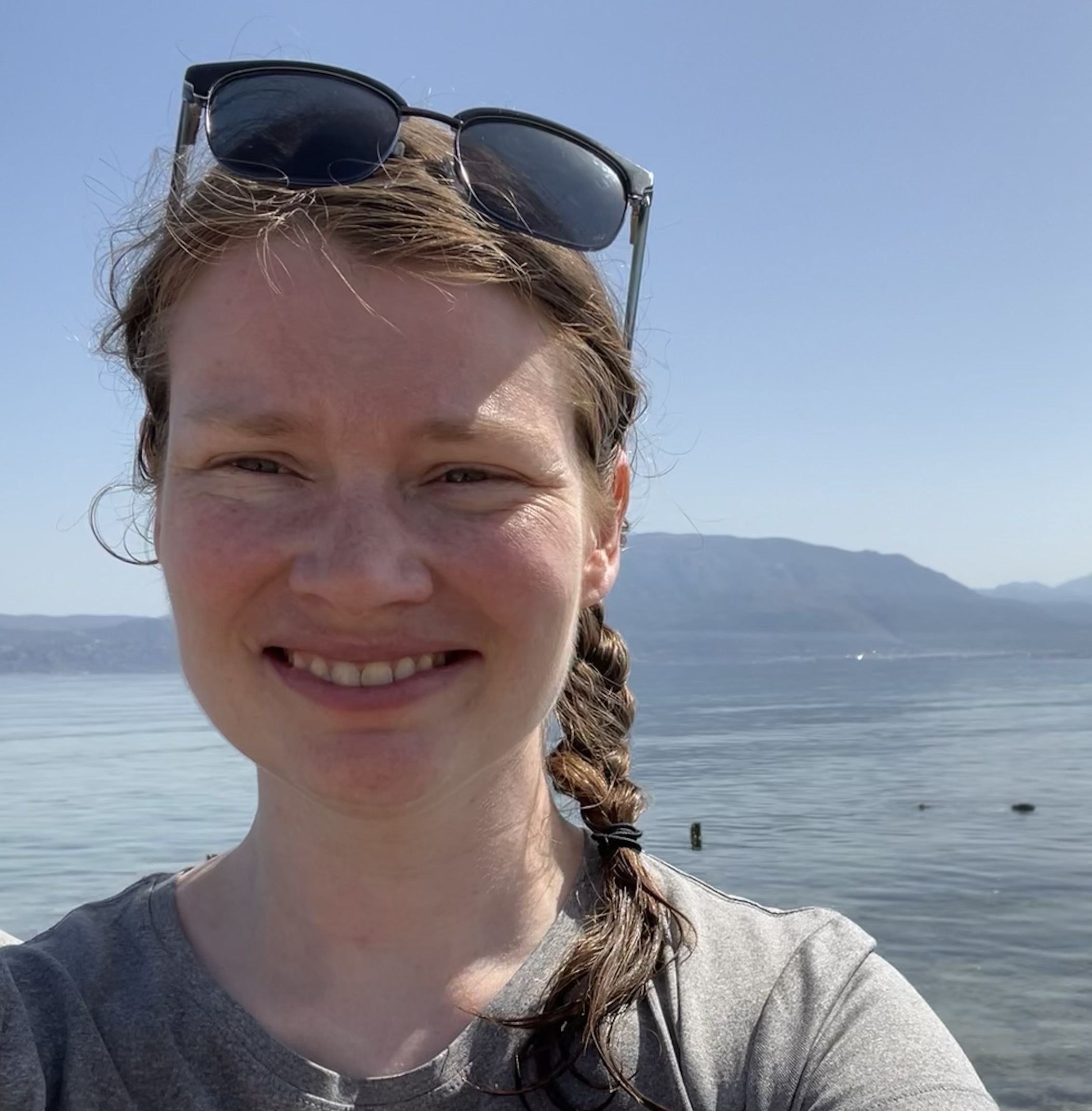
Brita Lorentzen is an Assistant Professor in the Department of Anthropology and director of the Tree-Rings and Archaeological Wood Analysis Lab at University of Georgia. She completed her PhD at Cornell University, where she also served as a research scientist and lab manager of the Cornell Tree-Ring Laboratory. She is an environmental archaeologist who uses tree-rings, stable isotope geochemistry, and archaeobotanical methods to investigate human interactions with climate and environment, transmission of shipbuilding materials and technologies, and their long-term impacts on forest and coastal ecosystems. She has conducted archaeological and heritage science fieldwork above and underwater throughout the East Mediterranean, Southeast Europe, and North America, including as a dendrochronologist for the Lechaion Harbor Project in Corinth (Greece), Mazotos Shipwreck Project (Cyprus), and underwater excavations at Dor/Tantura Lagoon and Akko Bay (Israel). She also co-directs the TREE Project investigating Byzantine-Medieval wooden monuments, artwork and modern forests in the Troodos Mountains (Cyprus).
Ancient wooden ships included complex technological machines whose design and construction were products of human ingenuity and social connections. Shipwrecks and their contents offer a unique resource for tracing the dispersal and adoption of new ship construction technologies, but first, we need a precise timeline of the ship that delineate its entire biography—from construction to use to final voyage. In this lecture, I discuss how new advances in scientific dating methods like dendrochronology (tree-ring dating) and 14C can be combined with archaeological and historical information about ancient shipwrecks to more securely and precisely anchor them in time and extract information about how and where these vessels were constructed. I use Late Antique-Early Islamic ship remains from Dor-Tantura Lagoon and Ma’agan Mikhael (Israel) as examples to show how improved, precise ship biographies resulting from collaborative research can greatly enrich understanding of the historical context underlying changing ship building traditions during dynamic periods like the mid-1st millennium AD.
“Harbors were and remain epicenters of economic and social exchange and hold equally dynamic environmental histories. Constructing artificial harbor works or adapting natural coastal features to accommodate maritime activity—like that which fueled transport and exchange in the Byzantine Empire—required investment of both material resources and labor, which left far-reaching ecological impacts.
In this lecture, I discuss the evolution and environmental history of the harbor at Lechaion in ancient Corinth revealed from the recent Lechaion Harbour Project excavations by the Danish Institute at Athens and Greek Department of Underwater Antiquities. I concentrate on environmental data encoded in wooden harbor works from Lechaion and show how we can use this information to reconstruct the harbor’s development during the 5th-6th centuries AD, uncover the network of natural resources used to create Corinth’s artificial harbor works, and better understand the impact that centers of maritime trade had on coastal, marine, and forest ecosystems in the Byzantine Empire.”
Humans have been using forest resources and shaping ecosystems for thousands of years around the world. Within the East Mediterranean, there is an especially lengthy and intense legacy of humans managing and harvesting wood and forest products for fuel and constructing ships, buildings, fortifications, artwork, and more. In this talk, I will discuss how we can access the detailed archives found in tree-rings through the science of dendrochronology to learn about past climate, environmental change, and human resource use. I use examples from my research in the East Mediterranean, including ancient junipers from central Anatolia that witnessed the unraveling of the Hittite Empire in the Late Bronze Age, and cedar trees that made Byzantine religious art and architecture in the mountains of Cyprus. I demonstrate how we can use information from these “talkative” tree-ring libraries, so that we can better understand our shared environmental history and effectively plan for a more sustainable future.