Affiliation: Institute for the Study of Ancient Cultures
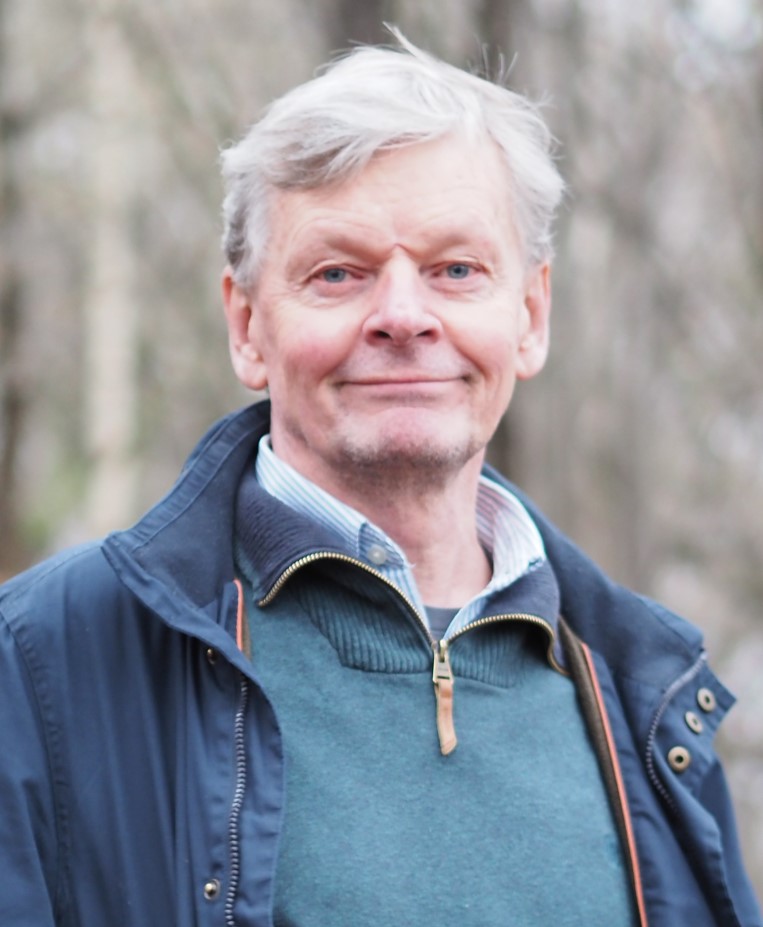
Derek Kennet is the Howard E. Hallengren Professor in Arabian Peninsula and Gulf States Archaeology in Near Eastern Languages and Civilizations at the Institute for the Study of Ancient Cultures. His research areas include the Arabian peninsula, the rise of Islam, economic responses to arid environments, and the interactions between the Arabian peninsula and adjacent regions. He was formerly the resident archaeologist at the National Museum of Ras al-Khaimah in the UAE and spent 25 years at Durham University in the UK before moving to Chicago in 2024. He completed his undergraduate studies at Institute of Archaeology in London and his PhD is from the University of London’s School of Oriental and African Studies (SOAS). He has coauthored several books, the most recent of which— Southeast Arabia at the dawn of the second millennium: the Bronze Age communal graves of Qarn al-Harf, Ras al-Khaimah (UAE)— was published in 2025.
In this lecture I take a broad overview of Arabia, a part of the word that has been much in the news recently, but which has a history and archaeological heritage that is abundant, but not so widely known. I will look at the nature of human existence in this arid area of the world and will take a tour of the more important times, places and sites, for example: Dilmun, a powerful Bronze Age trading kingdom on teh Gulf; the Queen of Sheba and the so-called ‘Caravan Kingdoms’ of incense; and Petra, Rome and the Nabateans. Arabia is a fascinating land, arid and inhospitable, but linked by its geographical location, to so many of the major developments in ancient history.
In this lecture I will look at the early medieval era in the Indian Ocean when the first ships sailed direct from modern day Iraq to the eastern coast of China – the era of Sindbad the Sailor. This is the era when Chinese porcelains and stonewares first made their way to the Near East. It could be argued that this was really the beginning of the modern globalized economy- it certainly represents an important increase in global trading activity that brought Europe and China into some level of direct contact for the first time. In the lecture I will look at the historical and archaeological evidence, including from the famous Beliting shipwreck, as well as from my own current excavations at Suhar in the Sultanate of Oman, where we are exploring these very questions.
In this lecture I will look at the fascinating question of Roman trade in the Indian Ocean and Roman contact with India. It is one of the least well-known aspects of the Roman period that there was a strong presence in the western Indian Ocean, with Roman coins and amphorae turning up in the Red Sea, the Gulf and in India itself. I will give an overview of the historical and archaeological evidence and consider what it tells us about the Romans and about the Indian Ocean. A few years ago I was involved in the excavations at Pattanam in India, where I studied some of the pottery. I will bring this material into the talk.