Affiliation: University of Alabama
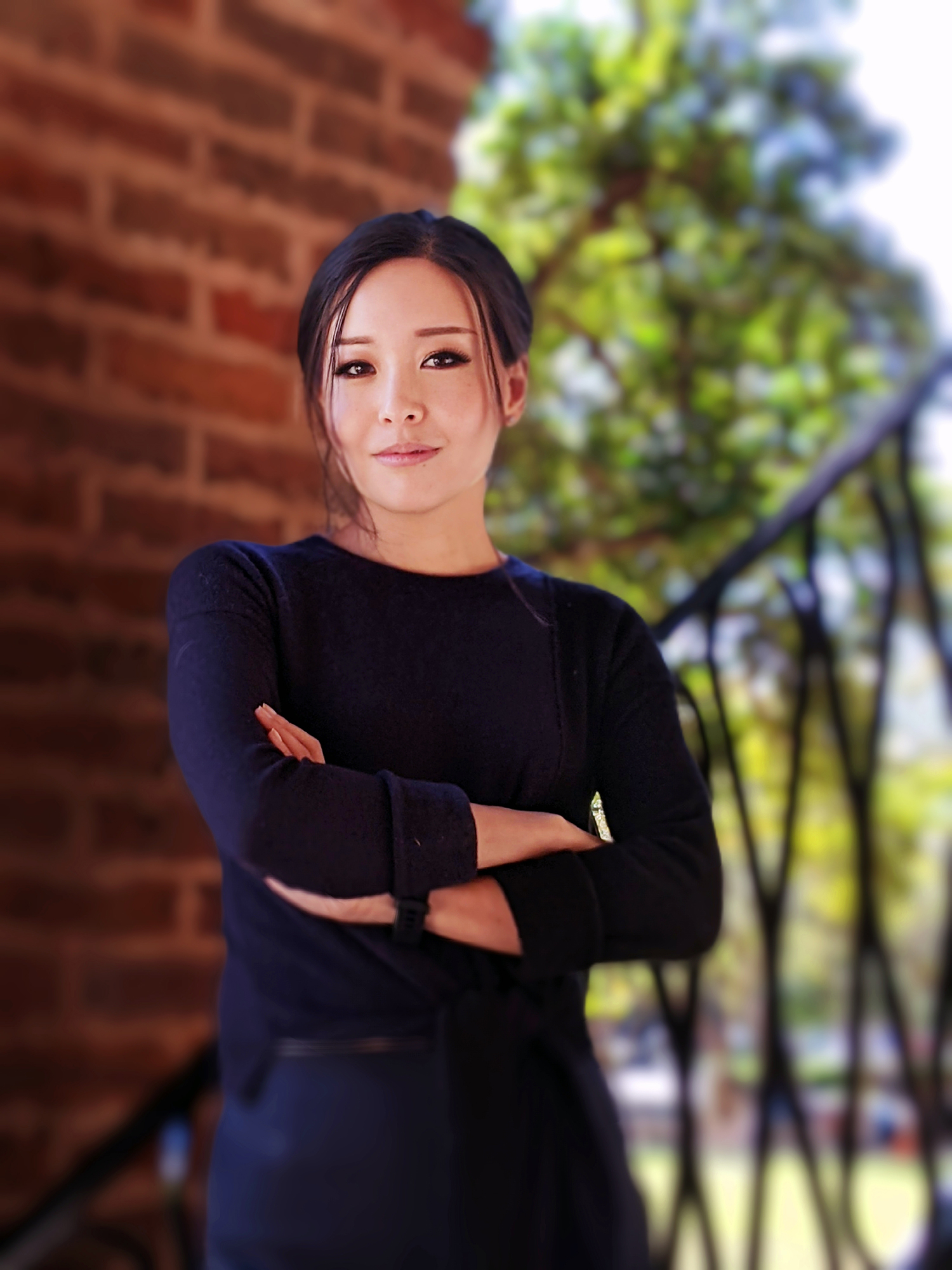
Katherine L. Chiou is an archaeologist, paleoethnobotanist, and Associate Professor of Anthropology at The University of Alabama, where she serves as Chair of the Department of Anthropology and directs the Ancient People and Plants Laboratory. Her research explores relationships among food, plants, people, and power across ancient and contemporary contexts in the Americas.
Through archaeological and interdisciplinary research, Chiou investigates how food systems shape social life, identity, inequality, and human-environment relationships. Her work spans topics ranging from ancient Andean foodways and colonial transformations of food systems to the domestication and global spread of chili peppers. More broadly, she is interested in how food production, consumption, and exchange reveal the often-hidden social and labor systems that sustain human societies.
In addition to her archaeological research, Chiou has been actively involved in archaeological ethics education and professional service. For a decade, she organized the Society for American Archaeology’s (SAA) annual Ethics Bowl and has served on the SAA Committee on Ethics, the Register of Professional Archaeologists’ Ethics Committee, and the task force responsible for revising the SAA Principles of Archaeological Ethics.
More recently, her work has expanded to explore ethical decision-making and emerging technologies, including artificial intelligence, through archaeological and anthropological perspectives. Through her research, teaching, and public scholarship, she seeks to connect insights from the past to contemporary challenges and make archaeology accessible and relevant to broader audiences.
Today, chili peppers are central to cuisines across Asia, Africa, Europe, and the Americas, but all domesticated chili peppers trace their origins to the Indigenous peoples of the Americas. Drawing on archaeology, botany, and history, this lecture explores how chili peppers were first domesticated, how they spread across ancient societies in the Americas, and how global trade and colonialism transformed them into one of the world’s most influential foods. From ancient farmers and cooks to modern global cuisine, this talk traces the remarkable story of how a small pepper reshaped the human experience of flavor.
Archaeology is often imagined as the discovery and interpretation of the past, but archaeologists also regularly face difficult ethical decisions with no easy answers. Questions surrounding stewardship, excavation, ownership, collaboration, professional responsibility, and public accountability can place competing values in tension. Drawing on real-world case studies and ethics bowl approaches used in archaeological training, this lecture explores how archaeologists navigate ethical gray areas in practice and why ethical reasoning has become an increasingly important part of the discipline.
Artificial intelligence is rapidly transforming education, labor, creativity, communication, and daily life, often in ways that feel unprecedented. Yet humans have repeatedly experienced moments of profound technological change throughout history. Drawing on archaeology and anthropology, this lecture explores what earlier technological revolutions, from agriculture and writing to industrialization, can reveal about the promises, disruptions, and ethical challenges surrounding AI today. By examining how past societies adapted to transformative technologies, this talk considers what lessons archaeology may offer as we navigate an increasingly AI-driven future.
Food is one of the most intimate ways humans experience culture, identity, and power, yet archaeological narratives often privilege elite cuisines and politically important crops while obscuring the labor and foodways of ordinary people. Drawing on archaeological research from ancient and colonial Peru, this lecture explores how meals can reveal social inequality, political authority, colonial transformation, and everyday life in the Andes. Through examples ranging from Moche feasting practices to changing food traditions after Spanish colonization, the talk examines how archaeologists reconstruct ancient foodways and asks whose stories become visible (or invisible) in narratives about the past.