Affiliation: Art Institute of Chicago
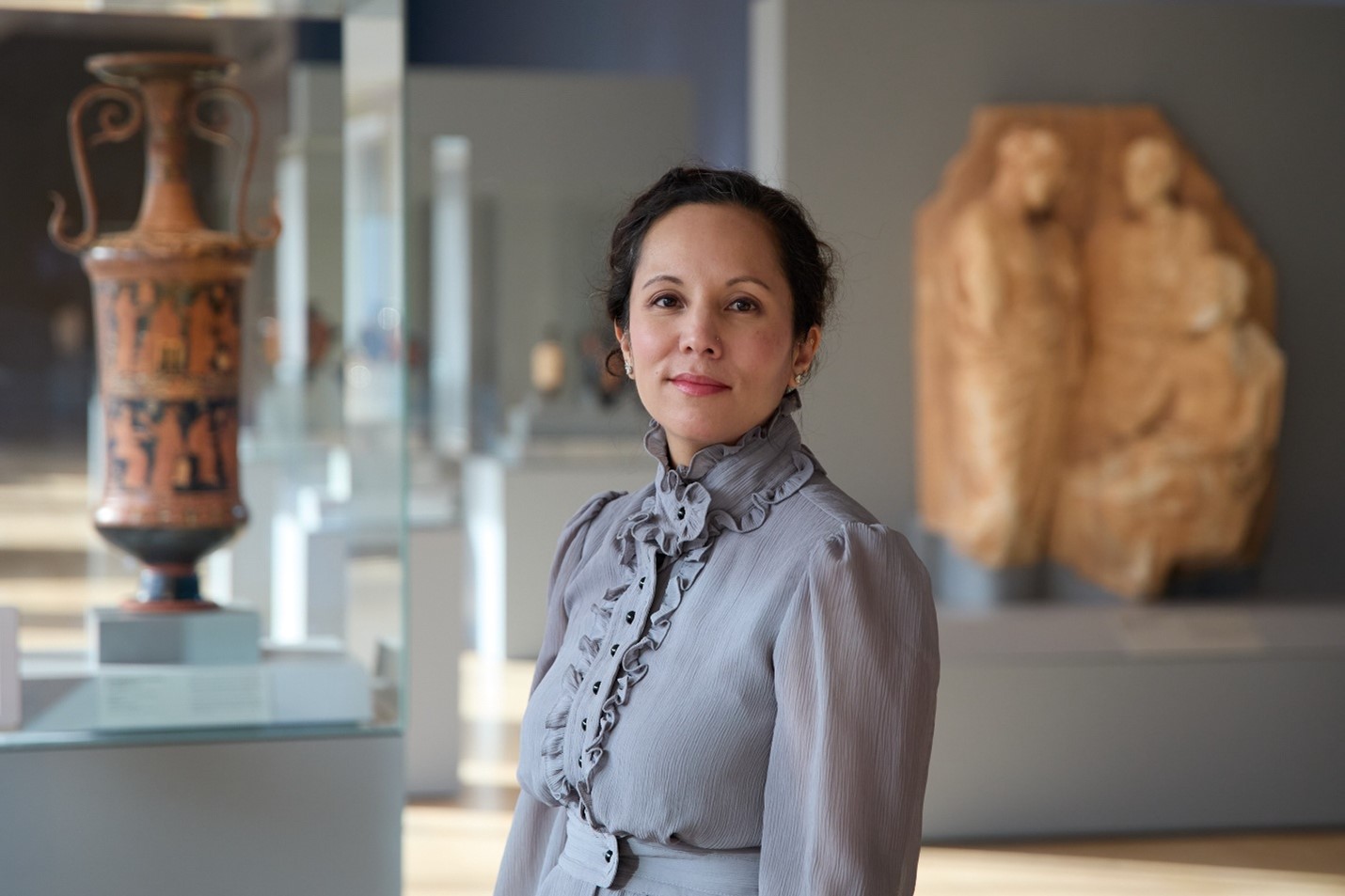
Lisa Ayla Çakmak is the Mary and Michael Jaharis Chair and Curator of the Arts of Greece, Rome, and Byzantium at the Art Institute of Chicago. Since coming to Chicago in 2020, Çakmak has overseen a major reinstallation of the Art Institute’s Mary and Michael Jaharis Galleries of Greek, Roman, and Byzantine Art, as well as originating and serving as co-curator of Myth & Marble: Ancient Roman Sculpture from the Torlonia Collection, the first major exhibition on a topic of Greek or Roman art held at the Art Institute in over 44 years.
Prior to Chicago, Çakmak spent nearly a decade at the Saint Louis Art Museum, most recently as the Andrew W. Mellon Associate Curator of Ancient Art where she was responsible for the collections of Ancient Near Eastern, Greek, Roman, and Egyptian art. During her tenure in St. Louis, she initiated and realized the highly successful 2018 exhibition Sunken Cities: Egypt’s Lost Worlds, as well as managing the reinstallations of the museum’s galleries of Greek, and Roman art, and the Egyptian and Numismatic collections.
Çakmak earned her PhD from the Interdepartmental Program in Classical Art and Archaeology at the University of Michigan and attended Princeton University. In 2017 she completed an MBA at Washington University in St. Louis.
In this lecture, I will share how my training as an archaeologist has informed my work as a curator in encyclopedic art museums. From reinstalling permanent collection galleries to organizing large exhibitions, my background in field work informs nearly every facet of my work. Whether it is working as part of a team to bring a project to completion or considering the larger (and often hidden or unknown) context(s) of an object or an idea, my archaeological training has helped with every aspect of curatorial work.
This lecture will outline the 5-year long process of bringing a selection of works from the storied Torlonia Collection to the United States. From initial conversations with the Torlonia Foundation to selecting from over 600 sculptures, to working with the AIC team to create a compelling and refreshing narrative to present in Chicago, this lecture will share with general public the complex processes involved in organizing a major special exhibition at one of the largest encyclopedic museums in the US.