Affiliation: University of California, San Diego
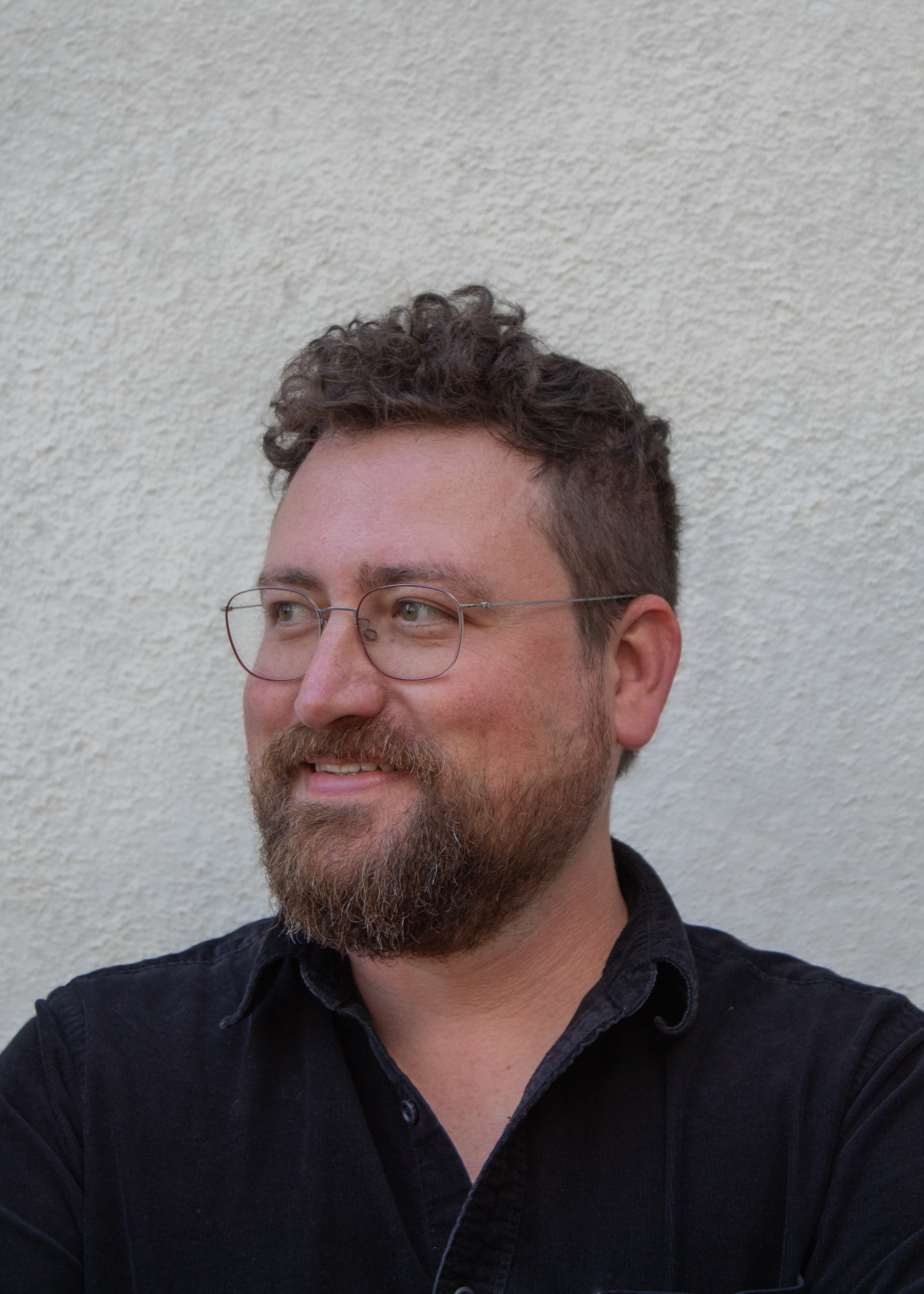
Zachary C. Dunseth is an Associate Professor of Anthropology and the Kershaw Chair of the Archaeology of Ancient Israel and Neighboring Lands at UCSD. An experienced field archaeologist, he also specializes in geoarchaeology and phytolith science, particularly in the desert environments of the ancient southern Levant.
Dunseth is interested in exploring the long-term trajectories of human-animal-environmental interactions in deserts—essentially, how people lived, thrived and adapted to arid environments during climatic, environmental and social change. His research focuses on the microscopic physical and chemical fingerprints we leave behind in archaeological sediments, using this information to explore various questions about mobility, subsistence, and plant, animal and metal economies at both local and regional scales.
His primary regional focus is the eastern Mediterranean, where he has supervised excavations at sites in modern Israel including Megiddo, Kiriath Jearim and more than a dozen sites in the arid Negev Highlands. Since 2019 he has directed excavations at the 4th millennium BCE site of Arad. He also has ongoing interdisciplinary collaborations with active and legacy projects working in Jordan, Syria, Cyprus, Sardinia (Italy), and the southwestern United States.
Outside of fieldwork, Dunseth is involved in efforts to foster Open Science initiatives in the archaeological sciences. He is a founding member of the International Committee on Open Phytolith Science (ICOPS), a community-building initiative that is working to connect and train researchers from around the world in FAIR and CARE principles.
Settlement patterns in the Negev desert (modern Israel) have experienced significant fluctuations over the past 6000 years. At certain times, the arid landscape was dotted with thousands of sites, including cities, villages, and farmsteads. In other periods, the desert periods were nearly devoid of evidence for human activity. This presentation will specifically focus on one of the earliest waves of large-scale settlement during the Early (c. 3300-2500 BCE) and Intermediate Bronze Ages (c. 2500-1950 BCE). Notably, the former period spans the rise and fall of urban cities to the north, and the latter spans the regional 4.2 kya ‘Megadrought’ aridification event. However, the motivation behind why these desert communities continue to grow and expand in an increasingly hostile environment during this time is still debated.
I begin by explaining the foundation of my approach to studying desert lifeways. This framework is constructed based on experimental and geo-ethnoarchaeological insights gained from premodern Bedouin sites. I delve into both macro- and microarchaeological methods employed to investigate subsistence, animal rearing, and the copper industry across Negev sites. The discussion includes an examination of the results within the context of broader systems, including the desert, Egypt and the Levant during the 3rd millennium BCE.